Swapping Door Hinges to Matte Black for an Instant Room Update
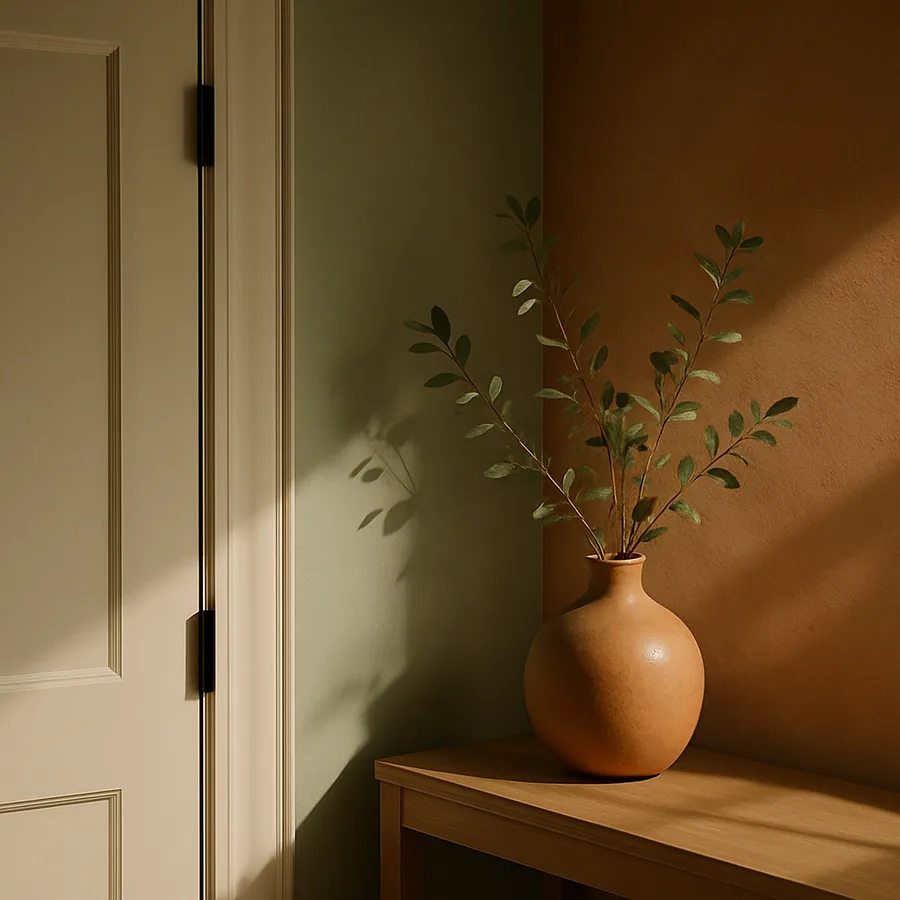
Interior doors are one of the most overlooked surfaces in residential design, passed through dozens of times each day without a conscious glance at the hardware that makes their movement possible. Yet the hinges, strike plates, and accompanying hardware on every door in a home collectively form a repeating pattern that runs through hallways, bedrooms, bathrooms, and living spaces, silently establishing a baseline tone for the entire interior. When those hinges are the standard polished brass or satin nickel that came with the house, they blend into the background as generic builder-grade elements. Swap every visible hinge in the home to matte black, and that background pattern transforms into a deliberate design statement that threads a consistent, contemporary accent through every room simultaneously. The American Institute of Architects (AIA) residential trend survey consistently identifies matte black hardware as one of the top-requested finishes among homeowners planning interior updates, a preference reflected in the expanding matte black product lines from every major hardware manufacturer.
The Visual Logic Behind Matte Black Hardware
Matte black occupies a unique position in the spectrum of hardware finishes because it combines maximum contrast with minimum visual noise. Unlike polished chrome, which catches and reflects light from every angle, or brushed nickel, which creates a soft metallic shimmer, matte black absorbs light and presents a flat, uniform surface that reads as a graphic element rather than a reflective one. This quality makes matte black hardware behave more like a drawn line on the architecture than a piece of metal attached to it, lending each hinge the visual weight of an intentional design detail rather than a functional afterthought.
The contrast ratio between matte black hinges and common door and trim colors drives much of their visual impact. Against white doors and white trim, which dominate the residential market, matte black hinges create sharp, defined punctuation marks that articulate the door's edges and draw attention to the clean lines of the door frame. Against light gray, cream, or natural wood doors, the black hardware provides a grounding anchor that prevents lighter surfaces from feeling insubstantial. Even against darker door colors - navy, charcoal, deep green - matte black hinges maintain their presence because the matte texture differentiates them from the door's painted or stained surface.
The psychological effect of this contrast should not be underestimated. Research published by the Color Marketing Group, an international association of color design professionals, has documented that high-contrast architectural details register as more "designed" and intentional to occupants and visitors alike. A room where the hardware has been thoughtfully selected and coordinated reads as a space where someone cared about the details, and that perception elevates the entire environment. Matte black hinges accomplish this perception shift at a fraction of the cost of most interior updates, which is why designers frequently recommend the hinge swap as the first step in a phased room refresh.
What message do the hardware finishes in your home currently send to anyone walking through the space? If the answer involves generic, mismatched, or builder-standard fittings, the hinge swap addresses that perception gap directly and immediately. The visual upgrade is not subtle; it is the kind of change that prompts visitors to ask whether you have repainted or remodeled, even when the only difference is the small rectangular plates flanking each door.
Selecting Hinges That Perform as Well as They Look
Not all matte black hinges are manufactured to the same standard, and understanding the differences in construction, coating, and sizing prevents the frustration of purchasing hardware that looks appealing online but underperforms in daily use. The most common residential interior door hinge in North America is the 3.5-inch by 3.5-inch square-corner butt hinge, typically found on standard 1-3/8-inch-thick interior doors. Measuring your existing hinges before ordering is essential because doors hung on 4-inch hinges, round-corner hinges, or spring-loaded hinges require corresponding replacements that may not be available in every finish or from every brand.
The matte black finish itself varies between manufacturers in terms of durability, texture, and depth of color. The most durable matte black finishes are applied through Physical Vapor Deposition (PVD), a process that bonds the coating to the base metal at the molecular level, resulting in a surface that resists scratching, chipping, and fading for decades. PVD-coated hinges from manufacturers like Emtek and Baldwin carry a higher price point - typically eight to twelve dollars per hinge - but their finish will outlast powder-coated alternatives by a wide margin. Powder-coated matte black hinges, available from brands like Everbilt and Design House at two to four dollars per hinge, offer a visually similar appearance at a lower initial cost but may show wear at the knuckle joints and screw heads after several years of use.
Ball-bearing hinges represent a worthwhile upgrade to consider while replacing the finish. Standard residential hinges use a plain pin design that can develop a squeak over time as the metal knuckles wear against each other. Ball-bearing hinges incorporate small bearings between the knuckle joints that distribute the door's weight more evenly and provide smoother, quieter operation for the life of the hinge. The Builders Hardware Manufacturers Association (BHMA) rates ball-bearing hinges for higher cycle counts, making them the appropriate choice for doors that see heavy daily traffic such as main bedroom and bathroom entries. The cost premium for ball-bearing construction is typically two to three dollars per hinge, a modest investment for decades of silent operation.
When comparing products, pay attention to the screw finish as well. Some hinge packages include matte black screws that match the hinge plates, while others include standard zinc or brass screws that create a distracting mismatch. If the included screws do not match, replacement screw sets in matching matte black are available separately and should be considered a mandatory addition rather than an optional upgrade. A single mismatched screw head on an otherwise flawless matte black hinge undoes the precision that makes the finish effective.
Step-by-Step Installation for Clean Results
Replacing door hinges is one of the most accessible DIY hardware projects because it requires only a Phillips screwdriver, and the existing hinge mortises in the door and frame serve as precise guides for the new hardware. The process works best when completed one hinge at a time per door, leaving the remaining hinges in place to hold the door in position while you swap each one. Start with the middle hinge on three-hinge doors or either hinge on two-hinge doors, remove the screws, slide out the old hinge leaf, position the new hinge in the same mortise, and drive the screws. Repeat for the remaining hinge positions, and the door remains hung and aligned throughout the entire process.
The most common complication arises when the screw holes in the door or frame have become enlarged from years of use, causing the new screws to feel loose and the hinge to sit imprecisely. The fix is simple and effective: insert wooden toothpicks or matchstick-sized dowel fragments dipped in wood glue into the stripped holes, snap them flush with the surface, and allow the glue to set for at least thirty minutes before driving the new screws. The wood filler creates fresh material for the screw threads to bite into, restoring the solid connection that a hinge requires. This technique is used routinely by professional carpenters and is appropriate for any hinge where the screws do not seat tightly on the first attempt.
Door alignment deserves a check after all hinges on a single door have been swapped. Close the door slowly and observe the gap between the door edge and the frame on all three sides. The gap should be consistent - approximately one-eighth inch on the hinge side and the latch side, and slightly wider at the top. If the gap has changed from its pre-swap condition, the most likely cause is a slight variation in hinge leaf thickness between the old and new hardware. A shim made from thin cardboard placed behind the hinge leaf corrects this by spacing the hinge further from the mortise floor, while deepening the mortise slightly with a chisel corrects a hinge that sits too far proud of the frame surface.
Professional installers recommend swapping all doors on a single floor or in a single hallway in one session to maintain visual consistency as you move through the space. Starting with the most visible doors - the main entry hallway, the kitchen entry, and the primary bathroom - delivers immediate gratification and motivates completion of the less prominent doors. A typical home with twenty interior doors contains forty to sixty hinges total, a volume that one person can replace in three to five hours depending on the condition of the existing screw holes and the complexity of any alignment adjustments required.
Coordinating Hinges With Other Door Hardware
Matte black hinges achieve their full visual potential when they participate in a coordinated hardware scheme rather than standing alone against mismatched doorknobs and strike plates. The most impactful companion swap is the door lever or knob, which occupies the most prominent position on the door and receives the most direct interaction. A matte black lever handle on a door flanked by matte black hinges creates a unified hardware language that reads as a deliberate design choice. The National Association of the Remodeling Industry (NARI) includes coordinated door hardware in its list of high-impact, low-cost improvements that consistently influence buyer perception in resale evaluations.
Strike plates and deadbolt housings are the secondary elements that complete the coordination. These components are typically visible on the door frame edge and occasionally on the door face, and they create an incongruent visual note when they remain in polished brass or satin nickel while the hinges and lever have been updated to matte black. Replacement strike plates in matching finishes cost between three and six dollars each and install with two screws, making them an effortless addition to the project. For deadbolted exterior doors visible from the interior, updating the deadbolt thumb-turn to matte black maintains the finish continuity from the interior perspective.
Door stops represent the most frequently forgotten hardware element in a finish coordination project. The small hemispherical or spring-mounted stops that prevent doors from hitting walls are visible at floor level in most rooms, and their finish either confirms or contradicts the coordinated scheme you have established with hinges, levers, and strike plates. Matte black door stops from manufacturers like Schlage and Kwikset are widely available and install with a single screw. Replacing them as part of the hinge swap project adds minimal time and cost while eliminating the last remnant of the old finish palette from the room.
Have you considered extending the matte black hardware thread beyond doors to other elements in the room? Light switch and outlet plates, register covers, curtain rod brackets, and even picture frame hardware are all available in matte black finishes, and each one reinforces the design narrative that your hinge swap initiated. The cumulative effect of threading a single finish through every visible piece of hardware in a room creates a level of visual coherence that is typically associated with professionally designed interiors.
Common Concerns and Practical Realities
The most frequently voiced concern about matte black hardware is whether the dark finish will show fingerprints, dust, or wear more readily than the lighter metallic finishes it replaces. In practice, the matte texture that defines this finish works strongly in its favor for everyday maintenance. Unlike polished or satin surfaces that show every finger oil and water spot as a visible smudge, the matte texture scatters light across its surface rather than reflecting it, effectively camouflaging minor surface contamination. Hinges, in particular, receive very little direct hand contact during normal use, so they remain visually clean for months between routine dusting. A dry microfiber cloth is all the maintenance that matte black hinges require under normal residential conditions.
Cost is another common concern, particularly for homeowners with twenty or more doors to update. A complete hinge swap for a typical three-bedroom home with twenty interior doors requires approximately fifty hinges, totaling between one hundred dollars at the budget end and six hundred dollars for premium PVD-coated ball-bearing hinges. This cost range positions the hinge swap as one of the most affordable whole-house updates available, substantially less than repainting a single room or replacing a single plumbing fixture. When you divide the cost by the number of rooms affected, the per-room investment typically falls between ten and thirty dollars - a figure that puts designer-grade hardware within reach of virtually any renovation budget.
Renters face a unique consideration because most lease agreements require the property to be returned to its original condition. The reversibility of a hinge swap makes it renter-friendly provided you save the original hinges and their screws in labeled bags for reinstallation at move-out. The swap itself causes no damage to the door or frame since the new hinges occupy exactly the same mortises and screw locations as the originals. Some renters even carry their matte black hardware from apartment to apartment, treating the collection as a portable design investment that upgrades each new space upon arrival and departs intact when the lease ends.
Will the matte black hinge trend eventually feel dated the way polished brass feels dated today? Design historians note that matte black hardware has deeper roots than the current trend cycle, drawing on the wrought iron and blacksmith traditions that predated the plating technologies responsible for chrome and brass finishes. Its alignment with these enduring craft traditions suggests a longer shelf life than finishes tied to specific manufacturing innovations. Regardless, the ease and affordability of a hinge swap means that updating the finish again in a future decade is exactly the same simple afternoon project, making the commitment genuinely low-risk.
Bringing the Finished Look Together
A matte black hinge swap reaches its greatest impact when it is understood not as an isolated hardware change but as the introduction of a unifying design thread through the home. Walk through your rooms after the installation and observe how the consistent dark accents on every door create a rhythm that connects spaces as you move from one to the next. This threading effect is precisely what professional designers aim for when they specify hardware finishes in new construction or renovation projects, and it is the quality that distinguishes a home that looks "put together" from one where each room feels like an independent decision.
The transformation is particularly dramatic in homes with open floor plans where multiple doors are visible simultaneously. Standing in a central hallway where five or six doors are visible at once, the repeating pattern of matte black hinges and coordinated levers creates a visual cadence that organizes the space and gives it a deliberate, curated character. Visitors register this coherence instinctively, and it contributes to the impression that the entire home has been recently updated even when the only change is the hardware on the doors.
Photography reveals the impact with particular clarity. If you are preparing to list your home, updating to matte black hardware before the listing photos are taken creates the crisp, high-contrast details that photograph well and make listings stand out in a scrolling feed. Real estate agents affiliated with the National Association of Realtors (NAR) frequently note that small hardware updates photograph disproportionately well because cameras emphasize contrast, and the dark accents of matte black hardware against light doors and trim create exactly the kind of defined edges that make a room look sharp in a digital image.
Start with a single room - perhaps the bathroom or the primary bedroom - and complete the full hardware coordination: hinges, lever, strike plate, and door stop. Live with the result for a few days and evaluate the difference it makes in how the room feels and functions. If the change resonates, extend the treatment to the rest of the home one hallway at a time, and within a single weekend, your entire interior will carry the confident, cohesive signature of intentional design. What room will you start with?
More Articles You May Like



Comments
Post a Comment