Matte Black Faucet Finishes That Stay Looking New Over Time
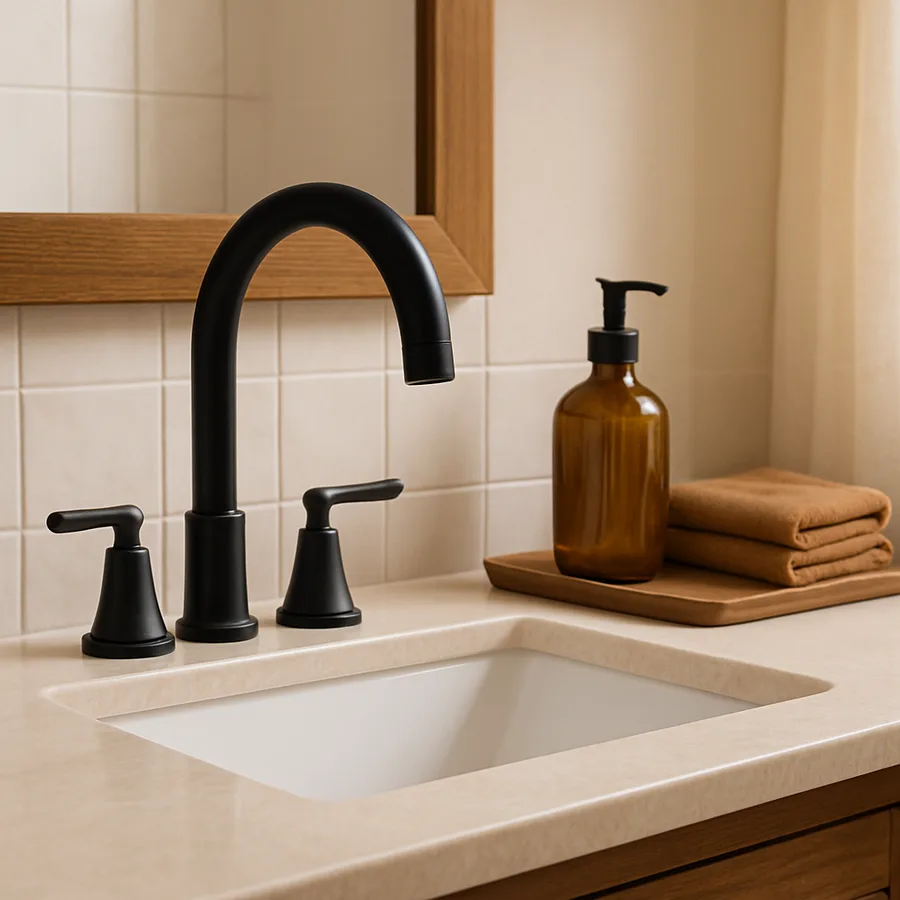
Matte black faucets have moved from a niche design statement to a mainstream fixture choice, appearing in everything from farmhouse kitchens to minimalist spa bathrooms. Their appeal lies in a bold, understated contrast against lighter surfaces, and they photograph beautifully in real estate listings. However, not all matte black finishes age gracefully. Some develop grey patches, chalky residue, or visible scratches within the first year of use. According to a report from the National Kitchen and Bath Association (NKBA), matte black is now the second most popular faucet finish after brushed nickel, yet it also generates the highest number of consumer complaints related to finish degradation. This article examines what separates a matte black finish that holds up from one that disappoints, covering coating technologies, brand-by-brand performance, installation factors, and daily care strategies that protect your investment.
If you have been hesitant to commit to matte black because of durability concerns, the information here will clarify which products have earned their reputation and which rely more on marketing than engineering. Understanding the science behind these finishes puts you in control of the buying decision rather than leaving you at the mercy of showroom lighting and sales pitches.
Why Matte Black Finishes Face Unique Durability Challenges
Matte finishes, by definition, have a textured surface at the microscopic level. Unlike polished or glossy finishes that reflect light uniformly off a smooth plane, a matte surface contains tiny irregularities that scatter light in multiple directions, producing that characteristic soft, non-reflective appearance. The problem is that these same irregularities create more surface area where minerals from water, oils from skin, and residue from cleaning products can accumulate. Over time, this buildup can cause the finish to appear lighter, uneven, or chalky, especially in areas with hard water.
Scratches are another vulnerability. On a glossy black surface, a fine scratch may go unnoticed because the surrounding area still reflects light strongly. On a matte surface, even a minor scratch creates a contrasting shiny line that catches the eye immediately. This makes matte black faucets particularly sensitive to abrasive sponges, gritty cleaners, and even rough handling during installation. Plumbers who are accustomed to working with chrome or stainless steel fixtures sometimes use tools or techniques that leave marks on matte coatings, so communicating finish sensitivity to your installer is essential.
The base material also matters. Matte black faucets constructed from solid brass with a PVD or electroplated matte coating tend to outperform those made from zinc alloy or plastic with a painted finish. Brass provides a stable, corrosion-resistant substrate that allows the matte layer to bond securely. Zinc alloy is acceptable for budget options but is more susceptible to corrosion at connection points, which can eventually compromise the finish from underneath. Painted finishes, regardless of the base metal, are the least durable and should be avoided for any fixture that will see daily use.
Environmental factors play a role as well. A matte black faucet installed near a cooktop will be exposed to grease splatter and heat, both of which accelerate finish breakdown. In bathrooms, high humidity and frequent contact with soap, toothpaste, and cosmetics introduce chemicals that interact with the coating. Understanding these environmental stressors helps you select the right product for the right location and set realistic expectations for how long the finish will maintain its original appearance.
Coating Technologies That Deliver Long-Term Performance
Physical Vapor Deposition (PVD) remains the gold standard for durable matte black finishes. In this process, a thin film of material is deposited onto the faucet body in a high-vacuum chamber, creating a molecular bond that resists peeling, flaking, and fading. PVD matte black coatings are typically two to five micrometers thick, which is enough to provide excellent protection without altering the faucet's dimensions or handle feel. The American Society for Testing and Materials (ASTM) has established testing protocols for PVD coatings under standard B117, which measures resistance to salt spray corrosion, and high-quality PVD faucets routinely pass 200-plus hours of continuous exposure without degradation.
Electroplating is a more traditional method where layers of metal, often chromium followed by a black oxide or black chrome layer, are deposited onto the faucet surface using an electrical current. Electroplated matte black can look excellent when new, but the coating is generally thinner and less mechanically bonded than PVD, making it more susceptible to wear in high-contact zones. Some premium brands use a hybrid approach, applying an electroplated base followed by a PVD topcoat, combining the cost efficiency of electroplating with the durability of PVD.
Powder coating is a third option found primarily in mid-range and budget fixtures. A dry powder is sprayed onto the faucet and then cured under heat, creating a thick, even layer with good initial appearance. Powder-coated matte black faucets can be quite durable in low-traffic settings, but they are more prone to chipping on impact and may show wear at pivot points and handle bases where friction is constant. If you choose a powder-coated model, inspect the handle attachment area closely before purchasing and look for reinforcement or protective sleeves at those stress points.
A newer development involves ceramic-infused coatings that blend ceramic particles into the finish layer during application. These coatings offer hardness approaching that of PVD while adding thermal resistance, making them well-suited for kitchen faucets near heat sources. Several boutique manufacturers have adopted this technology, though it remains uncommon in mass-market lines. As the technology matures and production costs decrease, ceramic-infused matte black finishes may become the new industry benchmark.
Brand Comparisons for Matte Black Longevity
Moen offers its matte black finish across a wide range of kitchen and bathroom faucets, using a proprietary coating process the company calls LifeShine. Moen guarantees the LifeShine finish for the life of the product, promising it will not tarnish, corrode, or flake. Independent testing and long-term consumer reviews largely support this claim, with many Moen matte black owners reporting consistent appearance after three to five years of daily use. Moen's Align and Genta series in matte black are particularly popular choices that balance design appeal with proven finish durability.
Delta applies its matte black finish using a multi-step process that includes a corrosion-resistant base layer. Delta's matte black is available in their Trinsic and Essa lines, both of which have accumulated extensive real-world use data due to their popularity with contractors and designers alike. Delta provides a limited lifetime warranty on its finishes, and customer service reports suggest the company honours finish-related claims promptly. One advantage of Delta's approach is consistency across its product line; the matte black you see on a kitchen faucet is the same formulation applied to bathroom fixtures and accessories, making it easy to coordinate throughout a home.
Brizo, Delta's premium subsidiary, takes matte black a step further with its Matte Black Luxe finish, which uses a PVD process for enhanced hardness and colour depth. Brizo fixtures are positioned at a higher price point, typically between 400 and 900 dollars for kitchen faucets, but the finish quality reflects that investment. Designers who specify Brizo frequently cite the richer, deeper black compared to standard matte black options from other brands. For clients who view their faucet as a focal piece rather than a utility, Brizo's premium finish delivers a tangible visual difference.
Grohe, the German manufacturer owned by LIXIL Group, offers matte black under its StarLight PVD finish technology. Grohe claims its PVD process produces a finish three times harder than chrome plating, and the brand's reputation for engineering precision lends credibility to the claim. Grohe matte black faucets are particularly popular in European-influenced designs and contemporary settings where clean lines and mechanical precision are valued. The brand's SuperSteel and Hard Graphite finishes use the same PVD technology, so homeowners choosing Grohe for matte black can confidently mix with those complementary tones if desired.
Installation Practices That Protect the Finish
The care you take during installation directly affects how your matte black faucet ages. Always unpack the faucet immediately before installation and inspect it under strong lighting for any factory defects, scratches, or inconsistencies in the matte texture. Documenting the pre-installation condition with photographs provides evidence if you need to file a warranty claim later. Keep the protective plastic wrapping on the faucet body for as long as possible during the installation process, removing it only after all plumbing connections are tightened and the area is cleaned.
Insist that your installer uses cloth-wrapped tools or plastic jaw pliers when tightening connections near the visible portion of the faucet. Standard metal wrenches can slip and leave deep scratches that expose the base metal beneath the matte coating. Once the base metal is exposed, that spot becomes a site for corrosion and accelerated finish breakdown. A reputable installer will already know to take these precautions, but it never hurts to confirm. How confident are you that your installer understands the difference between working with matte-coated fixtures and standard chrome?
After installation, flush the faucet with clean water for at least two minutes to remove any debris from the supply lines. Copper shavings, solder flux residue, or sediment from older pipes can scratch the aerator screen and, if they pass through, may cause abrasive damage inside the spout. Installing a small inline filter on the supply lines adds an inexpensive layer of protection, especially in older homes where pipe debris is more likely.
Silicone-based plumber's putty or thread tape should be used at connection points rather than petroleum-based compounds, which can migrate along the faucet body and interact with the matte coating over time. Some matte finishes are sensitive to petroleum products, and contact can cause discolouration or softening of the coating. Using a silicone sealant approved by the faucet manufacturer eliminates this risk entirely.
Daily and Weekly Care for Lasting Appearance
The single most impactful habit for maintaining a matte black faucet is drying it after each use. Water left to evaporate on a matte surface deposits minerals that gradually build a visible film, and in hard water areas, this film can appear as white or grey spots that look alarming on a black surface. A quick wipe with a soft, dry cloth after using the faucet takes seconds and prevents the mineral buildup that is responsible for most matte black finish complaints. Keep a dedicated microfiber cloth near each faucet to make this habit effortless.
Weekly cleaning should involve nothing more aggressive than warm water with a few drops of mild dish soap applied with a soft cloth. Work in the direction of the brushing pattern if one is visible, as this prevents cross-grain marks that can dull the surface. Rinse thoroughly with clean water and dry immediately. Avoid spraying all-purpose bathroom or kitchen cleaners directly onto the faucet, as many contain ammonia, bleach, or citric acid that can damage matte coatings. If you use a spray cleaner on surrounding surfaces, cover the faucet with a cloth first or spray the cleaner onto your cleaning rag rather than onto the surface.
For stubborn spots such as dried toothpaste, soap scum, or mineral rings around the base, dampen a cloth with a 50-50 mixture of water and white vinegar, apply it briefly to the spot, and rinse within 30 seconds. Prolonged vinegar contact can etch certain matte coatings, so brief, targeted application followed by immediate rinsing is the safe approach. Baking soda pastes, magic erasers, and scrubbing pads should never touch a matte black faucet under any circumstances, as their abrasive action will create shiny spots that are impossible to reverse without professional refinishing.
If your faucet develops a persistent haze despite regular cleaning, a small amount of food-grade mineral oil rubbed onto the surface with a soft cloth can restore the depth of the black colour temporarily. This technique fills microscopic surface scratches and displaces mineral film, refreshing the appearance without altering the finish. Reapply as needed, typically once every few months, and always use a clean cloth to avoid introducing contaminants.
When Replacement Makes More Sense Than Restoration
Despite best efforts, some matte black faucets will reach a point where the finish has degraded beyond what cleaning and maintenance can address. Recognising this threshold saves you from spending time and money on increasingly futile restoration attempts. If the matte coating has chipped or peeled in multiple areas, exposing the brass or zinc beneath, the structural integrity of the finish is compromised and further degradation will accelerate regardless of care. At this stage, replacement is the practical choice.
Fading that extends across large portions of the faucet body, rather than being confined to high-contact points, typically indicates a coating deficiency that falls under warranty coverage. Contact the manufacturer with your purchase receipt and photographs documenting the fading pattern. Most major brands, including Moen, Delta, and Kohler, will replace a faucet with a verified finish defect at no charge under their lifetime warranty programmes, though you may need to cover the cost of professional installation for the replacement unit.
When selecting a replacement, use the experience with your first matte black faucet to guide the decision. If the original failed because of a painted or powder-coated finish, upgrade to a PVD-coated model. If hard water was the primary contributor to finish degradation, address the water quality issue before installing the new fixture. Learning from the first experience ensures the replacement delivers the long-term performance you originally expected.
Consider whether a different finish might better suit the specific location. A matte black faucet that struggles in a high-humidity, high-use master bathroom might perform beautifully in a powder room that sees occasional use. Matching the finish to the environment's demands, rather than forcing a single aesthetic across every room, often produces the best long-term results. Explore your options, consult with a local kitchen and bath specialist, and invest in the finish technology that aligns with your home's specific conditions.
Conclusion
Matte black faucets can absolutely stand the test of time when you select the right coating technology and pair it with appropriate daily care. PVD-bonded finishes from established brands like Moen, Delta, Brizo, and Grohe consistently outperform painted and basic electroplated alternatives, delivering the deep, uniform black that attracted you to the finish in the first place. The initial investment in a quality fixture pays dividends through years of low-maintenance use.
Installation practices and environmental factors deserve as much attention as the product itself. Protecting the finish during installation, managing water hardness, and keeping harsh chemicals away from the surface are controllable variables that significantly extend finish life. A matte black faucet is not inherently high-maintenance; it simply requires informed, intentional care rather than the casual neglect that chrome finishes can sometimes tolerate.
Armed with the knowledge of what makes these finishes succeed or fail, you can confidently choose a matte black faucet that will remain a striking design element in your home for years. Start by identifying the coating technology used in the models you are considering, confirm warranty coverage for the finish specifically, and commit to the simple drying-after-use habit that prevents the most common complaints. Your matte black faucet should be something you admire every day, not something you dread cleaning.
More Articles You May Like



Comments
Post a Comment