Sustainable Interior Design Ideas: Eco-Friendly Tips for a Stylish Home
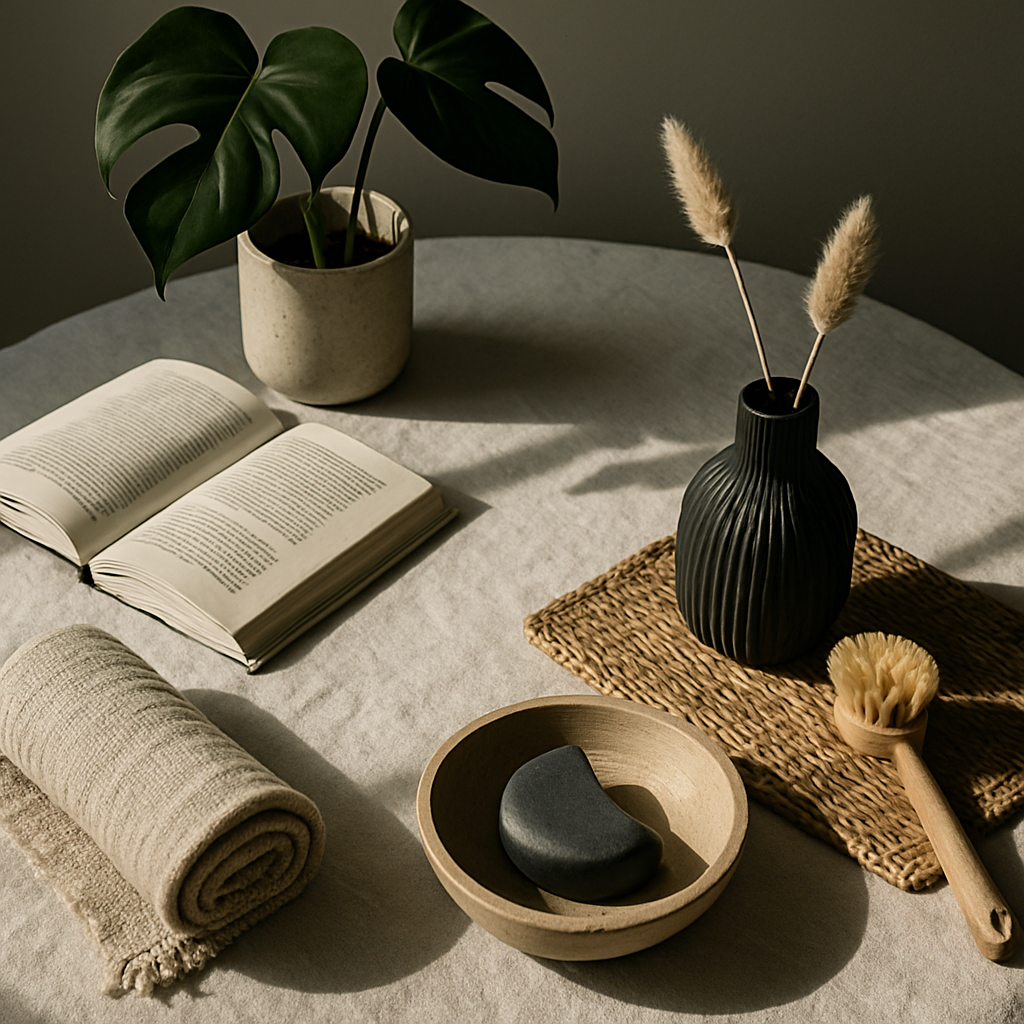
Have you ever considered that the way you design your home could impact the environment as much as your commute or electricity usage? According to a report by the National Association of Home Builders, up to 40% of a home's environmental footprint comes from the design and furnishing choices we make. In this article, we'll explore how sustainable interior design can transform your home into an eco-friendly sanctuary without sacrificing style. From foundational concepts to expert-level strategies, we'll guide you through making mindful decisions that reflect both your aesthetic and environmental conscience.
Understanding Sustainable Interior Design
At its core, sustainable interior design focuses on reducing the environmental impact of your home. This means choosing materials and products that are environmentally friendly, durable, and often locally sourced. But what does this look like in practice? For example, a sustainable design might include furniture made from reclaimed wood, which not only prevents deforestation but also lends a unique character to your space. Using non-toxic finishes and paints further ensures that the air quality inside your home is as healthy as it is beautiful.
Moreover, sustainable interior design isn't just about the materials; it's about the lifecycle of those materials. Consider the durability and longevity of each item you purchase. High-quality, timeless pieces may have a higher upfront cost but can save you money-and reduce waste-over time. Experienced professionals often note that investing in well-made items pays off, both in aesthetics and environmental impact.
Finally, sustainability in design incorporates energy efficiency. This can be as simple as choosing LED lighting or as complex as installing solar panels. According to the U.S. Department of Energy, LED lights use at least 75% less energy and last 25 times longer than incandescent lighting. Such choices not only enhance your home's energy efficiency but also significantly reduce your electricity bills over time. As you begin your journey into sustainable design, consider how each decision impacts both your wallet and the planet.
Exploring Eco-Friendly Materials
When it comes to sustainable interior design, the materials you select play a pivotal role. Bamboo, for instance, is a rapidly renewable resource that can be used for flooring, furniture, and even textiles. According to the International Network for Bamboo and Rattan, bamboo can grow up to 35 inches per day, making it a highly sustainable option compared to traditional hardwoods. By choosing bamboo or other fast-growing materials, you're supporting more sustainable forestry practices.
Recycled materials are another cornerstone of eco-friendly design. Glass, metal, and plastic can be repurposed to create stunning décor items and functional furniture pieces. For example, recycled glass tiles can add a splash of color and texture to your kitchen or bathroom, providing a unique and environmentally responsible alternative to conventional options. This not only reduces landfill waste but also encourages innovation in material science.
Additionally, low-VOC (volatile organic compounds) paints and finishes are essential for maintaining indoor air quality. The Environmental Protection Agency (EPA) emphasizes the health benefits of using low-VOC paints, which emit fewer pollutants and reduce the risk of respiratory issues. By choosing these paints, you contribute to a healthier home environment while supporting manufacturers committed to reducing chemical emissions. As you plan your design, consider how these material choices align with both your aesthetic goals and your commitment to sustainability.
Implementing Energy-Efficient Design
Energy efficiency is a key component of sustainable interior design. One effective strategy is to maximize natural light, reducing the need for artificial lighting during daylight hours. Large windows, skylights, and strategically placed mirrors can enhance the natural light in your home. Not only does this create a more inviting atmosphere, but it also reduces reliance on electrical lighting, cutting down on energy consumption.
Smart home technology offers another avenue for improving energy efficiency. Devices such as programmable thermostats and smart lighting systems allow you to control your home's energy use more precisely. According to Energy Star, using a smart thermostat can save you up to $180 per year on heating and cooling costs. These technologies give you the power to optimize your home's energy use, ensuring comfort without unnecessary waste.
Incorporating energy-efficient appliances is another straightforward yet impactful approach. Modern appliances with Energy Star ratings are designed to use less energy and water, which not only lowers your utility bills but also reduces your environmental footprint. By replacing old appliances with newer energy-efficient models, you can make a significant difference in your home's sustainability. As you consider these strategies, think about the long-term benefits of creating an energy-efficient home.
Leverage of Biophilic Design Principles
Biophilic design is an innovative approach that integrates natural elements into your home's interior. This concept focuses on creating a strong connection between indoor spaces and the natural environment, promoting well-being and sustainability. Incorporating plants, natural light, and organic materials are all key components of this design philosophy. Not only do plants improve air quality, but they also add a vibrant, living element to your decor.
Natural materials such as wood, stone, and wool can further enhance the biophilic quality of your home. These materials not only provide texture and warmth but also promote a sense of calm and connection to nature. According to industry surveys, homes that incorporate biophilic design elements report higher levels of occupant satisfaction and well-being. This design strategy can be particularly effective in urban settings where access to nature is limited.
Moreover, the use of water features, such as indoor fountains or aquariums, can add a soothing, natural element to your home. The sound of running water is known to reduce stress and enhance relaxation, creating a serene environment. By incorporating biophilic design principles, you're not only enhancing your home's aesthetic appeal but also fostering a healthier, more sustainable living space. As you integrate these principles, consider how each element contributes to the overall harmony of your home.
Choosing Sustainable Décor and Furnishings
When selecting décor and furnishings, sustainability should be a guiding factor. Opt for pieces made from recycled or reclaimed materials, as these options reduce the demand for new resources and minimize waste. For example, a coffee table crafted from reclaimed barn wood not only has a unique history but also prevents additional logging. Such choices add character to your home while supporting sustainable practices.
Consider supporting local artisans and craftsmen who prioritize sustainability in their work. Purchasing locally made goods reduces the carbon footprint associated with shipping and supports the local economy. Platforms like Etsy feature a wide range of handmade, eco-friendly products that can add a personal touch to your home. By choosing these items, you're contributing to a more sustainable and equitable marketplace.
Lastly, adopt a minimalist approach to furnishings and décor. By curating a space with fewer, but higher-quality items, you not only reduce clutter but also ensure that each piece holds a meaningful place in your home. This minimalist philosophy aligns with the sustainable design ethos by emphasizing quality over quantity and encouraging mindful consumption. As you decorate, ask yourself: How does this item contribute to the sustainability and beauty of my space?
Final Thoughts on Sustainable Interior Design
As you embark on your sustainable interior design journey, remember that every choice you make contributes to a larger environmental impact. From selecting materials to optimizing energy use, each decision is a step towards creating a more eco-friendly home. Sustainable design is not a one-size-fits-all solution; it requires a personalized approach that considers your lifestyle, budget, and values.
Engage with resources like the American Society of Interior Designers (ASID) and Houzz to find designers who specialize in sustainable practices. These platforms offer directories and portfolios that can inspire and guide your design choices. By collaborating with professionals, you can ensure that your home reflects both your personal style and your commitment to sustainability.
Ultimately, sustainable interior design is about creating a home that is beautiful, functional, and responsible. As you integrate these ideas into your home, reflect on the positive impact you're making on the planet. How can you continue to incorporate sustainable practices into other areas of your life? The journey towards sustainability is ongoing, and every small step counts.
Conclusion
Incorporating sustainable interior design ideas into your home is a powerful way to align your living space with your environmental values. By choosing eco-friendly materials, optimizing energy efficiency, and embracing biophilic design, you can create a home that is both stylish and sustainable. As you move forward, explore local resources and engage with platforms like Architectural Digest's AD PRO network to stay informed and inspired.
Ready to start your sustainable design journey? Begin by evaluating one room in your home for its sustainability potential. Consider the materials, energy use, and décor choices present. Then, make a conscious effort to integrate eco-friendly alternatives where possible. Start by browsing portfolios on Houzz this week-even 20 minutes of research will sharpen your eye for what you want. Your commitment to sustainability can transform your home and inspire others to do the same.



Comments
Post a Comment