Sustainable Interior Design Ideas: Create a Stylish and Eco-Friendly Space
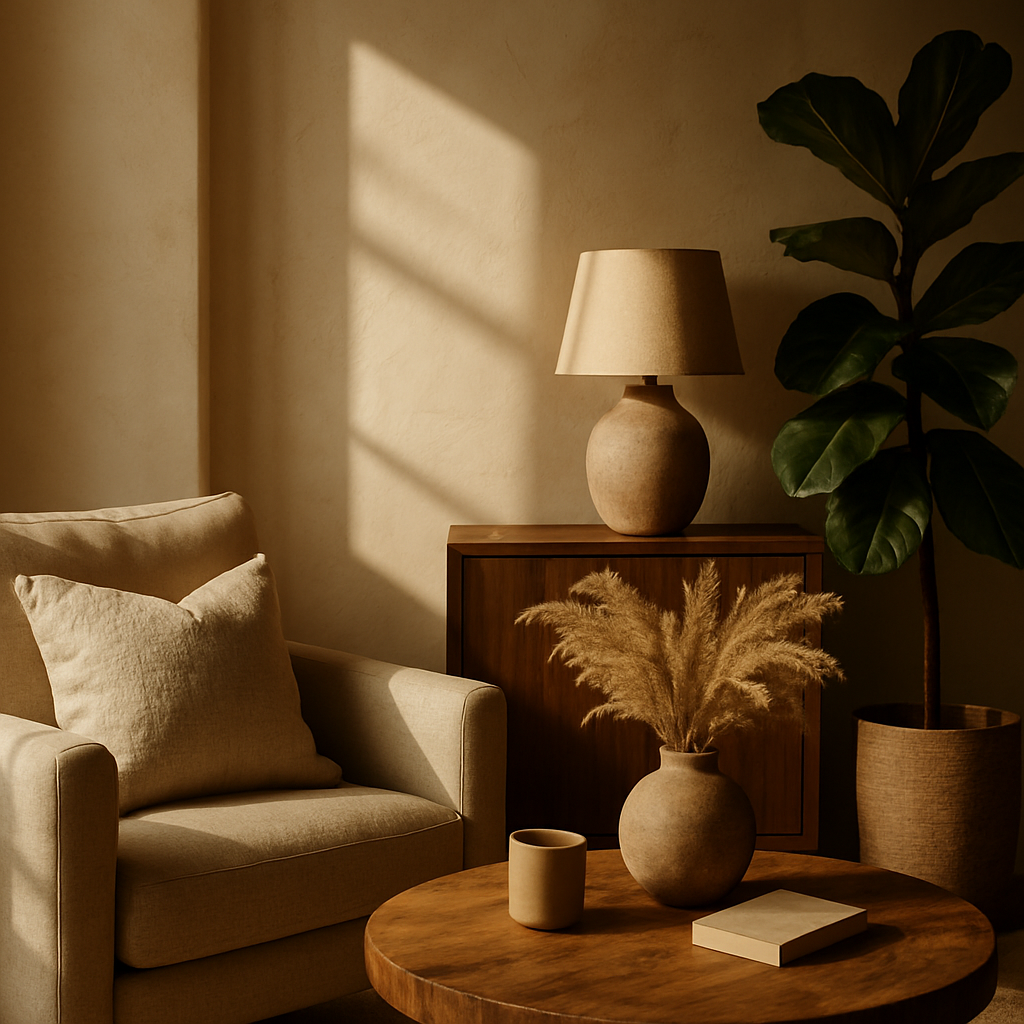
Imagine walking into your home and feeling as if nature itself had a hand in its creation. According to Houzz's annual survey, over 70% of homeowners are prioritizing sustainability in their renovations. This shift towards eco-friendly living spaces is not just a trend but a necessity for a healthier planet. In this article, we will explore how sustainable interior design can transform your home into a stylish yet environmentally conscious haven. From foundational concepts to actionable strategies, we'll guide you through the process of creating an eco-friendly space that reflects your style and values.
Understanding the Basics of Sustainable Interior Design
Sustainable interior design is not merely about choosing eco-friendly materials; it involves a holistic approach to creating spaces that are both aesthetically pleasing and kind to the environment. The key is to focus on materials and practices that reduce environmental impact. For instance, opting for furniture made from reclaimed wood not only adds character to your space but also preserves natural resources. Similarly, selecting paints with low volatile organic compounds (VOCs) minimizes air pollution within your home.
Experienced professionals often note that integrating sustainable practices can enhance the longevity and functionality of a space. According to the American Society of Interior Designers (ASID), sustainable design practices can reduce energy consumption by up to 30%. This not only benefits the planet but also reduces utility bills over time. By considering energy-efficient lighting and appliances, homeowners can make substantial strides toward sustainability without sacrificing style.
Are you mindful of the carbon footprint your home creates? An essential step in sustainable interior design is understanding the life cycle of the materials you use. This means considering how products are sourced, manufactured, and disposed of. Opting for locally sourced materials can significantly reduce transportation emissions, further contributing to a greener home. As we delve deeper, you'll discover how these foundational concepts lay the groundwork for a truly sustainable living environment.
Analyzing the Impact: Data-Driven Insights
Data plays a crucial role in understanding the impact of sustainable interior design. According to research from the International Interior Design Association (IIDA), incorporating sustainable elements can increase a property's value by up to 15%. This underscores the financial benefits of investing in eco-friendly design. Moreover, a study by the National Association of Realtors found that 59% of homebuyers are willing to pay more for a property with green certifications.
But what does this mean for the average homeowner? By integrating sustainable practices, you can create a space that not only meets your aesthetic desires but also aligns with market trends. The demand for eco-friendly homes is on the rise, and homes boasting sustainable features have a competitive edge. This makes a compelling case for adopting sustainable practices, as they contribute to both environmental well-being and economic gain.
The data also highlights the importance of consumer awareness. Many homeowners are unaware of the sustainability credentials of their design choices. For instance, using renewable energy sources such as solar panels can reduce household energy costs by up to 70%, according to the U.S. Department of Energy. As we move forward, we'll explore actionable strategies that will help you implement these insights effectively in your own home.
Actionable Strategies for Sustainable Design
Implementing sustainable interior design can begin with simple, yet impactful changes. Start by conducting an energy audit to identify areas where you can reduce consumption. This could involve replacing incandescent bulbs with LED alternatives or installing smart thermostats to optimize heating and cooling. According to Architectural Digest's AD PRO network, these small changes can lead to significant energy savings over time.
Another strategy is to embrace biophilic design, which incorporates natural elements into your home. This can be achieved by adding indoor plants, which not only improve air quality but also enhance the aesthetic appeal of a space. Living walls or vertical gardens are excellent examples of biophilic elements that can be integrated into home design. Such features not only provide a visual connection to nature but also contribute to a healthier indoor environment.
Have you considered the sustainability of the textiles in your home? Opting for organic cotton, bamboo, or recycled materials for upholstery and curtains can significantly reduce your ecological footprint. These materials are not only sustainable but also durable, providing long-lasting beauty in your home. As we delve deeper into expert-level details, you'll find that these strategies offer both practical and stylish solutions for sustainable living.
Expert-Level Insights into Sustainable Practices
For those looking to take their sustainable interior design to the next level, understanding advanced concepts is key. Industry professionals often recommend investing in high-quality, timeless pieces that transcend short-lived trends. This approach not only supports sustainability but also ensures that your space remains stylish for years to come. According to the National Council for Interior Design Qualification (NCIDQ), choosing furniture and decor with a classic design can reduce the need for frequent updates, thus minimizing waste.
Furthermore, incorporating smart home technology is becoming increasingly popular in sustainable design. Automated lighting systems, smart blinds, and energy-efficient appliances are examples of how technology can enhance both the functionality and sustainability of a home. These innovations allow homeowners to monitor and adjust energy usage, reducing waste and lowering utility bills.
Consider the role of color in sustainable design. Natural, neutral tones not only create a calming atmosphere but also allow for greater flexibility in decorating. This makes it easier to refresh a space without the need for extensive renovations. By understanding these expert-level insights, you'll be equipped to create a stylish and eco-friendly space that reflects your personal style.
In-Depth Exploration of Sustainable Materials
Choosing the right materials is a cornerstone of sustainable interior design. Reclaimed wood, recycled metals, and glass are excellent choices for creating a space that is both stylish and environmentally friendly. These materials not only reduce the need for new resources but also add unique character to a home. According to the American Institute of Architects (AIA), using reclaimed materials can also reduce construction costs by up to 20%.
Have you explored the potential of sustainable flooring options? Bamboo and cork are two popular choices that offer durability and aesthetic appeal. Both materials are rapidly renewable, making them ideal for eco-conscious homeowners. Additionally, they provide a natural warmth and texture that can enhance the overall ambiance of a space.
Another innovative material gaining popularity is recycled glass countertops. These surfaces are not only visually stunning but also highly durable and easy to maintain. By selecting sustainable materials, you can create a home that is both beautiful and kind to the planet. As we conclude, you'll see how these choices come together to form a cohesive, sustainable design strategy.
Final Perspectives on Sustainable Interior Design
As we wrap up our journey through sustainable interior design, it's clear that creating an eco-friendly space involves more than just surface-level changes. It requires a thoughtful approach to materials, technology, and design strategies. By prioritizing sustainability, you not only contribute to environmental conservation but also enjoy the benefits of a healthier, more cost-effective home.
Are you ready to transform your living space into a model of sustainability? By implementing the strategies and insights discussed, you can create a home that reflects your commitment to the environment while maintaining a high standard of style and comfort. The choices you make today can have a lasting impact on both your lifestyle and the planet.
Conclusion: Start Your Sustainable Design Journey Today
In summary, sustainable interior design offers a path to creating a stylish and eco-friendly home that aligns with modern values and aesthetics. From foundational concepts to expert insights, the strategies we've explored provide a comprehensive guide to making environmentally conscious choices. Now, it's time to put these ideas into action.
Start by browsing portfolios on Houzz or Pinterest this week. Even 20 minutes of research will sharpen your eye for what you want. Consider reaching out to a certified interior designer with NCIDQ credentials for personalized advice. Your sustainable design journey awaits, and the benefits extend beyond aesthetics to a healthier, more sustainable lifestyle. Embrace the change and watch as your home transforms into a beacon of style and sustainability.



Comments
Post a Comment