How to Incorporate Minimalism in Modern Interior Design for a Chic Home
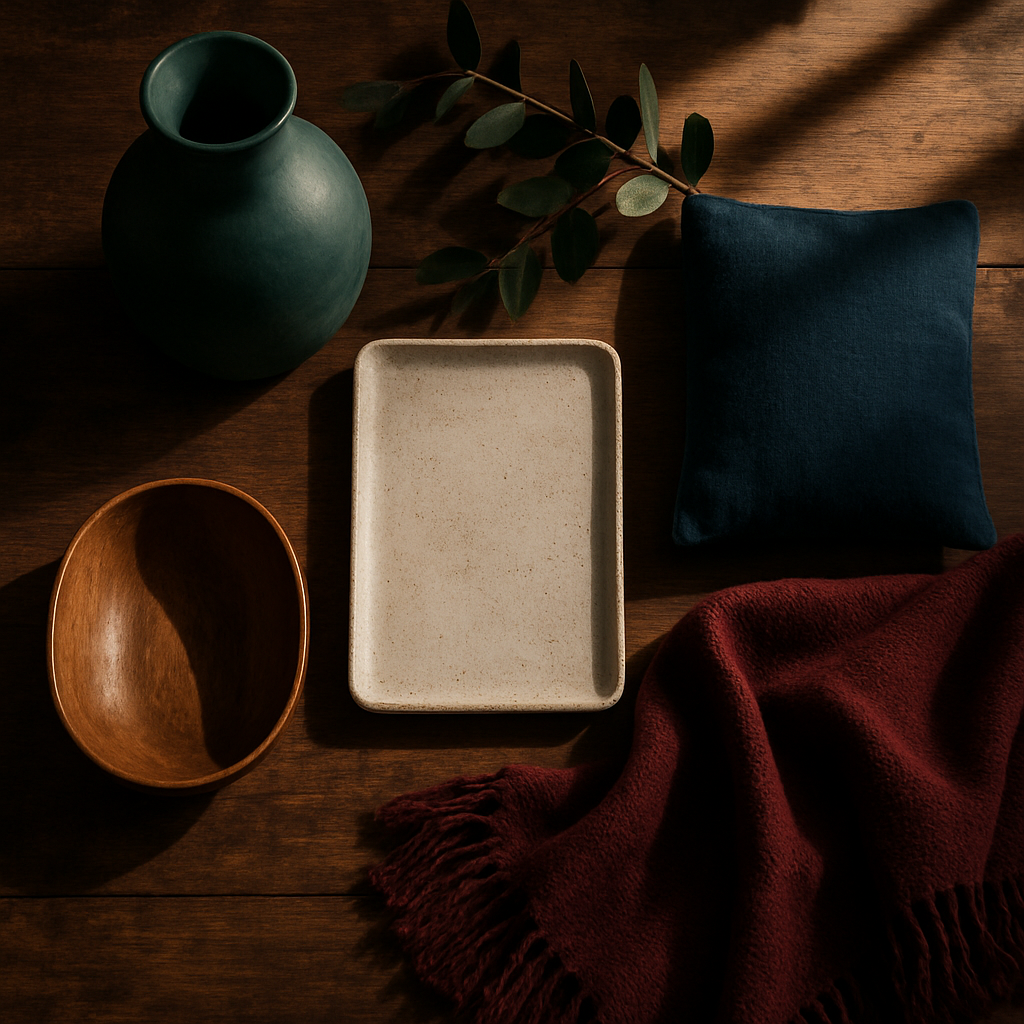
Imagine walking into a home where every piece of furniture serves a purpose, the colors are soothing, and the space feels expansive and uncluttered. According to the National Association of Realtors, homes with well-executed minimalist designs can increase resale values by 5-15%. If you're drawn to the idea of living in a serene, stylish environment that embodies the essence of minimalism, you're not alone. This design philosophy has captivated homeowners who seek tranquility in their living spaces. In this article, we'll explore how to incorporate minimalism into modern interior design effectively. We'll cover foundational concepts, delve into deeper analyses with data, provide actionable strategies, share expert-level insights, and offer additional depth to ensure your journey towards a minimalist chic home is both informed and inspired.
Foundational Concepts of Minimalist Design
Minimalism in interior design is characterized by simplicity, functionality, and a focus on the essentials. At its core, minimalist design emphasizes clean lines, a monochromatic color palette, and an uncluttered space. The aim is to create an environment that fosters a sense of calm and order. This approach not only enhances aesthetic appeal but also improves mental well-being by reducing visual noise. Experienced professionals often note that a minimalist design can transform a chaotic space into a serene retreat, making it easier for occupants to relax and recharge.
One of the main principles of minimalism is the thoughtful selection and placement of furniture. Every piece should serve a purpose and contribute to the overall harmony of the space. For example, a minimalist living room might feature a streamlined sofa, a single piece of art, and a few well-chosen accessories. This intentionality reduces clutter and allows the room's natural architecture to shine. The result is a chic, sophisticated ambiance that feels both modern and timeless.
Color plays a vital role in minimalist design. While the palette is typically limited to neutral tones like whites, grays, and beiges, these hues can be layered to add depth and interest. According to the American Society of Interior Designers (ASID), using a monochromatic color scheme creates a seamless flow and visually expands the space. By incorporating different textures and materials, such as a wool throw on a linen sofa, you can introduce subtle contrasts that enhance the overall design without overwhelming the senses.
Deeper Analysis of Minimalism with Data
Minimalism isn't just about aesthetics; it also has practical benefits backed by data. A Houzz survey revealed that 75% of homeowners who embraced minimalist design reported increased satisfaction with their living spaces. This satisfaction often stems from the ease of maintenance and the improved functionality that minimalism provides. A clutter-free environment not only enhances visual appeal but also simplifies daily routines, making homes more livable and enjoyable.
Financial considerations are also a significant motivator for adopting a minimalist approach. By focusing on quality over quantity, homeowners can invest in fewer, but better-quality, furnishings. This shift often results in long-term savings. The International Interior Design Association (IIDA) notes that minimalist designs can reduce unnecessary spending on decor and furniture, leading to a more sustainable lifestyle. Moreover, the streamlined nature of minimalism allows for easier updates and modifications, as fewer pieces need to be replaced or altered.
Resale value is another compelling factor. Homes designed with a minimalist aesthetic are often perceived as more desirable on the market. The National Council for Interior Design Qualification (NCIDQ) highlights that such homes can command higher prices due to their timeless appeal and broad marketability. By creating a space that appeals to a wide audience, homeowners can maximize their return on investment when it's time to sell. As we transition to the next section, consider how these data points might influence your design choices.
Actionable Strategies for Implementing Minimalism
To successfully incorporate minimalism into your home, start by decluttering. Remove any items that do not serve a purpose or bring joy. This process, inspired by the KonMari method, helps to create a blank canvas for your minimalist design. Once your space is cleared, focus on choosing furniture and decor that align with minimalist principles. Opt for pieces that are both functional and aesthetically pleasing, ensuring they complement your existing layout.
Lighting is another critical element in minimalist design. Natural light should be maximized wherever possible, as it enhances the sense of openness and space. Consider replacing heavy drapes with sheer curtains or blinds that allow sunlight to flood your rooms. For artificial lighting, choose fixtures with clean lines and simple shapes. LED lights are a great choice, offering both energy efficiency and a modern look. How might changing your lighting impact the feel of your space?
Another actionable strategy is to incorporate smart home technology to streamline your living environment. Automated lighting, climate control, and window treatments can simplify daily tasks and reduce the need for excess gadgets and controls. These technologies not only enhance convenience but also contribute to the minimalist aesthetic by maintaining a clean, uncluttered appearance. As you implement these strategies, keep in mind how each choice supports the overall minimalist theme of your home.
Expert-Level Insights into Minimalist Interior Design
Experienced interior designers often stress the importance of balance and proportion in minimalist design. When selecting furniture, consider its scale in relation to the room. Oversized pieces can overwhelm the space, while too-small items may look insignificant. The goal is to achieve harmony between the elements, creating a cohesive environment that feels both intimate and expansive. For instance, pairing a low-profile sofa with a sleek coffee table can maintain visual balance while providing functional seating and surface space.
Material selection is another area where expert insight can elevate a minimalist design. Natural materials such as wood, stone, and leather add warmth and texture to neutral palettes, preventing the space from feeling sterile or cold. Incorporating these materials can also enhance the sense of connection to nature, a key aspect of biophilic design. This trend, which emphasizes natural elements and indoor-outdoor flow, aligns perfectly with minimalist principles and is increasingly popular in 2026 design trends.
Designers also recommend personalizing minimalist spaces with curated collections or art. Rather than filling walls with numerous pieces, select one or two significant artworks that resonate with you. This approach not only highlights your personal taste but also adds a focal point to the room. By carefully curating these elements, you can infuse your minimalist home with personality and character without compromising its clean, uncluttered aesthetic. As we move to the next section, consider how expert insights can guide your design decisions.
Additional Depth: Minimalism and Sustainable Design
Incorporating sustainability into minimalist design is a growing trend among homeowners. By choosing sustainable materials and practices, you contribute to environmental conservation while achieving a chic interior. Reclaimed wood, recycled metal, and eco-friendly fabrics are excellent choices for furniture and decor. These materials not only reduce environmental impact but also add unique character to your home.
The concept of "quiet luxury" is another emerging trend that complements minimalist design. This approach prioritizes understated elegance and high-quality craftsmanship over showy or extravagant decor. By investing in well-made, timeless pieces, you not only enhance the aesthetic appeal of your space but also ensure its longevity. How might adopting quiet luxury principles refine your minimalist interior?
Finally, consider the role of technology in sustainable design. AR/VR room visualization tools, now commonly used by designers, allow homeowners to experiment with layouts and materials before making commitments. This technology reduces waste and ensures that design choices align with your vision. As you incorporate these elements into your minimalist home, remember that sustainable design not only benefits the environment but also enriches your living experience. With this understanding, we'll now wrap up by summarizing key points and offering a clear call to action.
Final Perspectives on Minimalist Interior Design
Minimalism in modern interior design offers a pathway to a chic, serene home that reflects both style and substance. By focusing on simplicity, functionality, and sustainability, you can create a space that is not only beautiful but also practical and enduring. As you embark on your minimalist journey, consider how each design choice aligns with the core principles of minimalism.
Reflect on the strategies and insights shared in this article. How might decluttering, selecting quality materials, and incorporating smart technology transform your living space? These elements work together to create an environment that supports your lifestyle and enhances your well-being. The transition to a minimalist home might seem daunting, but with thoughtful planning and execution, it can be both rewarding and transformative.
Conclusion: Embrace Minimalism for a Chic Home
Incorporating minimalism into your modern interior design is a journey towards creating a chic, tranquil home that stands the test of time. By embracing simplicity and functionality, you can transform your living spaces into areas of calm and elegance. Start by decluttering your home and evaluating your current design choices. Consider browsing designer portfolios on platforms like Houzz for inspiration. Even dedicating 20 minutes a week to research can sharpen your eye and help you envision the minimalist home of your dreams. Take the first step today and watch as your space evolves into a true reflection of minimalist beauty and sophistication.



Comments
Post a Comment