The Ultimate Guide to Creating a Cozy and Functional Home Interior
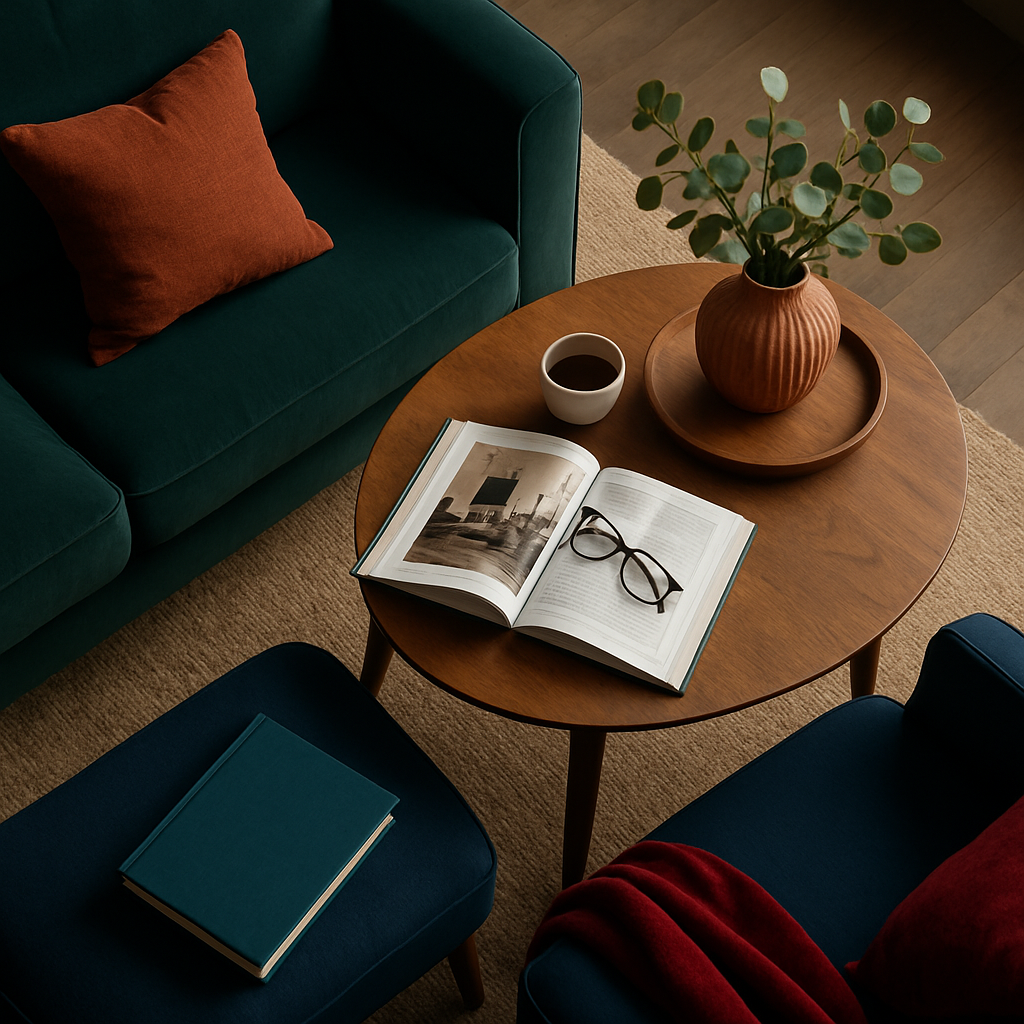
Imagine walking into a room that instantly embraces you with warmth and practicality - a space where every element has a purpose and contributes to an inviting ambiance. According to the National Association of Realtors, a well-designed interior can increase a home's resale value by up to 15%. So, how can you achieve such an impactful transformation in your own home? This ultimate guide will take you through the key steps to create a cozy and functional home interior, from foundational concepts to expert-level insights. We'll explore the essential principles of design, examine data-driven trends, and provide actionable strategies to ensure your space is both beautiful and livable.
Understanding Foundational Concepts of Interior Design
The journey to creating a cozy and functional home interior begins with understanding the foundational concepts of interior design. One of the primary principles is balance, which ensures that no single part of a room overpowers another. Balance can be achieved through symmetry, where elements are mirrored on either side of a central axis, or asymmetry, which involves a more dynamic but equally weighted arrangement. Consider how a balanced layout might impact your space - does it feel harmonious or chaotic?
Another crucial concept is the use of color. Color can drastically alter the mood and perceived size of a room. Warm colors like reds and oranges can create an inviting atmosphere, while cool colors such as blues and greens can make a space feel calm and expansive. The American Society of Interior Designers (ASID) suggests using a color palette that reflects both your personality and the function of the space. Would a bold accent wall energize your living room, or would a soft pastel create a serene bedroom retreat?
Finally, texture adds depth and interest to any interior. Combining different materials - think rough wood with smooth metals or soft textiles with hard surfaces - can create a tactile richness that enhances the overall design. Experienced professionals often note that texture can also compensate for a limited color palette, adding variety without overwhelming the senses. As you plan your design, consider the impact of texture on your space's coziness and functionality.
Analyzing Design Trends with Data
In recent years, design trends have increasingly emphasized sustainability and technology integration. According to a 2023 Houzz survey, 58% of homeowners prioritized sustainable materials in their renovation projects. This trend towards eco-friendly design choices can be easily incorporated through the use of reclaimed wood, bamboo flooring, or energy-efficient lighting. These elements not only contribute to a cozier environment but also support a more sustainable lifestyle.
Biophilic design, which incorporates elements of nature into interior spaces, has gained traction as well. The International Interior Design Association (IIDA) reports that biophilic design can enhance well-being and reduce stress levels. This approach might include living walls, large windows that frame outdoor views, or the integration of plant life throughout the home. How can you bring the outdoors inside to create a more inviting and healthful atmosphere?
Furthermore, the rise of smart home technology has revolutionized how we interact with our living spaces. Automated lighting, climate control, and window treatments can all be managed from a smartphone, enhancing both convenience and energy efficiency. The NCIDQ (National Council for Interior Design Qualification) highlights that these technologies are becoming a standard expectation in modern home design, offering both functionality and a touch of luxury.
Implementing Actionable Strategies for a Cozy Home
Creating a cozy and functional home interior is not just about aesthetics but also about practicality. Begin with a clear plan. Mapping out how each room is used will help you prioritize which areas require more attention. For instance, a high-traffic living room might benefit from durable, easy-to-clean fabrics, while a bedroom could focus on softer textures for relaxation. Have you considered how your current layout supports or hinders your daily routines?
Lighting plays a crucial role in setting the mood and functionality of a space. Layered lighting, which combines ambient, task, and accent lighting, can transform a room from utilitarian to intimate with the flip of a switch. Installing dimmable lights or using smart bulbs can provide flexibility and control over the ambiance. When was the last time you evaluated your lighting scheme to ensure it meets both your practical needs and aesthetic desires?
Storage solutions are equally important in maintaining a functional home. Invest in multi-purpose furniture, like ottomans with hidden storage or a bed with built-in drawers, to maximize space without sacrificing style. Custom cabinetry or closet organizers can also make a significant difference in reducing clutter. By integrating thoughtful storage solutions, you can maintain a tidy and inviting interior that supports your lifestyle.
Expert-Level Insights for Interior Design
For those seeking a truly polished interior, hiring a certified interior designer can be invaluable. Certified designers, who hold credentials such as NCIDQ or ASID, bring a wealth of knowledge and expertise to your project. They can provide a comprehensive design plan, manage procurement, and oversee installation to ensure everything goes smoothly. According to industry sources, professional design services can range from a flat fee to 10-25% of the total project cost, providing tailored solutions for any budget.
Experienced professionals often use AR/VR room visualization tools to help clients envision the final outcome before committing to changes. This technology allows you to "walk through" your redesigned space virtually, testing different layouts and finishes. Have you explored these advanced tools to preview potential transformations in your home?
Additionally, certified designers have access to exclusive trade-only resources and can secure high-quality materials and furnishings that may not be available to the general public. This access can elevate your home's interior to a level of sophistication and personalization that is difficult to achieve independently. By leveraging the expertise and connections of a professional, you can create a home that is both functional and beautifully tailored to your tastes.
Delving Deeper into Design Elements
While foundational principles and expert advice are crucial, delving deeper into specific design elements can further enhance your interior. One such element is the use of focal points, which draw attention and create visual interest. Whether it's a fireplace, a striking piece of art, or an architectural feature, a well-placed focal point can anchor a room and guide the eye.
Proportion and scale are also key considerations that affect the harmony of a space. Ensuring that furniture and decor are appropriately sized for the room prevents overcrowding and maintains flow. This balance is particularly important in open-plan layouts, where distinct areas must coexist harmoniously. How does your current furniture arrangement impact the overall proportion and flow of your space?
Lastly, consider the impact of patterns. Patterns add dynamism and can be used to accentuate focal points or create a sense of movement. Whether through textiles, wallpapers, or tiles, patterns should complement the color and texture elements already present. A strategic approach to incorporating patterns can enhance the coziness and functionality of your home interior.
Final Perspectives on Creating Your Ideal Space
As you embark on the journey to create a cozy and functional home interior, remember that design is a personal and evolving process. It's important to remain flexible and open to changes that enhance your living experience. Continually assess how your space works for you and be willing to make adjustments as needed. What small changes can you make today to start moving toward your ideal home?
Engaging with the design community, whether through platforms like Instagram for inspiration or local AIA (American Institute of Architects) events for networking, can provide fresh insights and ideas. These interactions can spark creativity and introduce you to new trends and techniques that align with your vision.
Ultimately, the goal is to create a home that reflects your personality and supports your lifestyle. By integrating the principles and strategies discussed, you can transform your space into a haven of comfort and functionality.
Conclusion: Take the First Step Towards Transformation
In conclusion, crafting a cozy and functional home interior involves a blend of foundational design principles, current trends, and personalized touches. Armed with expert advice and actionable strategies, you are now ready to embark on this rewarding journey. Start by browsing designer portfolios on Houzz this week - even 20 minutes of research will sharpen your eye for what you want. What are you waiting for? Transform your home into a sanctuary that truly feels like yours.



Comments
Post a Comment