Breaking Down the Interior Designer Salary: Is It Worth the Investment?
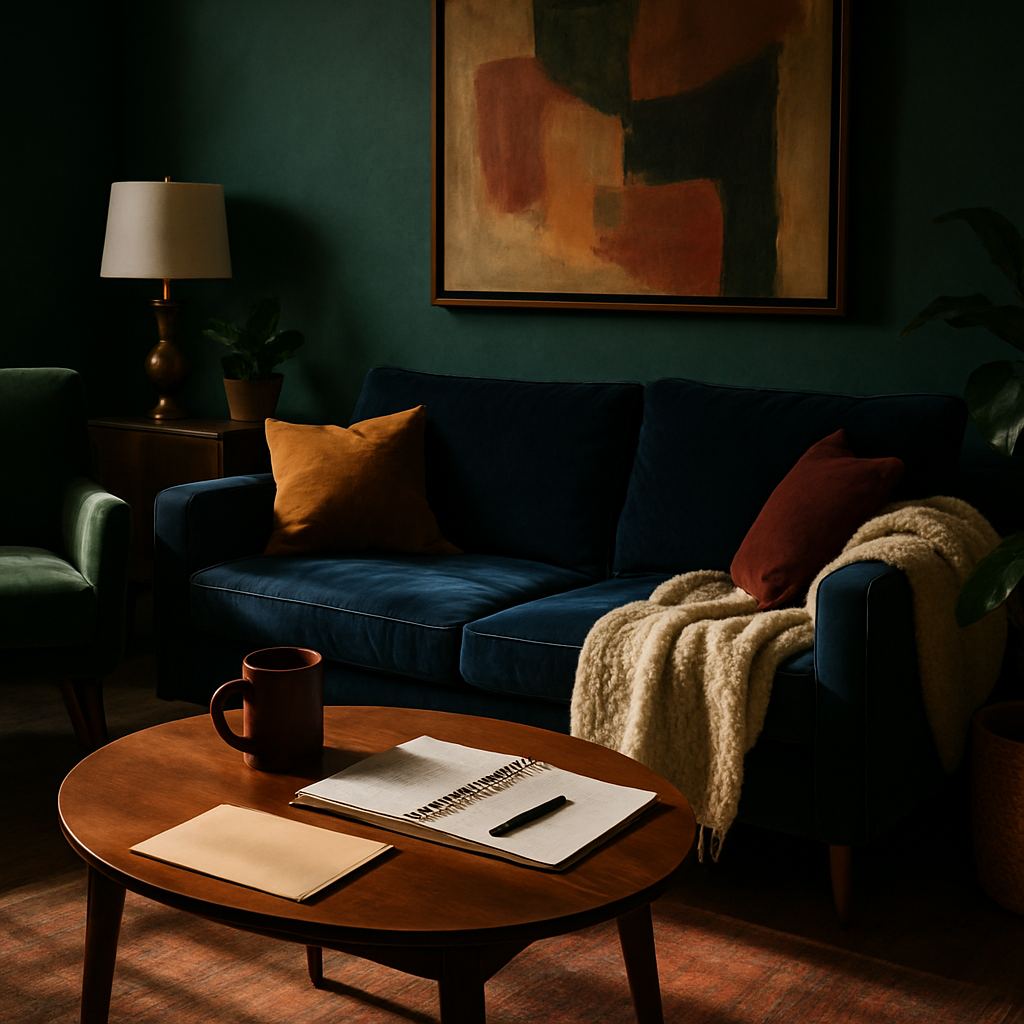
Imagine transforming your home into a sanctuary that combines beauty, functionality, and personal style. However, this dream can often come with a hefty price tag. According to the American Society of Interior Designers (ASID), well-designed interiors can increase home resale value by 5-15%. But how do interior designer salaries factor into this equation, and is hiring one worth the investment? In this article, we delve into the costs associated with hiring interior designers, explore the value they add, and provide insights into making an informed decision about whether this investment is right for you.
Understanding Interior Designer Salaries
An interior designer's salary can vary significantly depending on factors such as experience, location, and the scope of projects they undertake. Certified interior designers, who hold credentials like the NCIDQ (National Council for Interior Design Qualification), often command higher fees due to their expertise and proven capabilities. According to the International Interior Design Association (IIDA), these professionals can charge anywhere from $150 to $500 per hour, or they may opt for a flat fee or a percentage of the total project cost, typically ranging from 10% to 25%.
For a single-room redesign, you might expect to budget between $5,000 and $15,000. Meanwhile, a full-home project can easily escalate to $50,000 or more. These price ranges underscore the importance of clearly defining your project scope and expectations with your designer. Are you prepared to invest in a professional who can potentially increase your home's value and enhance your living experience?
It's crucial to differentiate between interior designers and decorators. While both play vital roles in creating aesthetically pleasing spaces, certified interior designers bring a depth of knowledge in spatial planning, building codes, and project management that decorators may not possess. This distinction not only affects their salary but also the outcomes they deliver. As you continue your research, consider whether the qualifications of a certified designer align with your project goals.
Analyzing the Value of Hiring an Interior Designer
Beyond the cost, the value an interior designer adds to your project can be significant. According to Houzz's annual survey, homeowners who hired interior designers reported higher satisfaction levels and fewer regrets with their completed projects. This satisfaction often stems from the designer's ability to blend your personal style with functional design principles, resulting in a cohesive and well-executed space.
Experienced professionals often note that a well-designed home can lead to improved mental health and well-being. By thoughtfully arranging spaces and incorporating elements like natural lighting and ventilation, designers can create environments that foster relaxation and productivity. Have you considered how a professionally curated space might enhance your daily life?
Moreover, interior designers have access to exclusive resources and trade discounts that the average homeowner might not. These include unique materials, custom furnishings, and connections with skilled artisans. This access can be a game-changer, allowing you to achieve a high-end look within your budget. If maximizing your investment is a priority, a designer's network and expertise could be invaluable.
Strategies for Hiring the Right Interior Designer
When contemplating the investment in an interior designer, it's essential to take strategic steps to ensure you hire the right professional for your needs. Start by evaluating potential designers' portfolios on platforms like Houzz and Instagram. These resources offer a glimpse into their design aesthetic and versatility. Do their past projects resonate with your vision?
Engage in detailed discussions about their fee structures. Understanding whether they charge hourly, a flat fee, or a percentage can help you budget more effectively. Be sure to inquire about any additional costs, such as procurement markups on furniture and materials, which can impact your overall expenditure.
Don't underestimate the importance of credentials. Hiring a designer with NCIDQ certification or membership in professional organizations like ASID or IIDA can provide assurance of their competence and commitment to industry standards. Credentials often translate to a higher level of professionalism and a smoother project experience. As you consider your options, reflect on the importance of expertise in achieving your desired outcomes.
Expert Insights on Current Design Trends
Understanding the latest design trends can significantly impact your decision to invest in an interior designer. In 2026, biophilic design-emphasizing natural materials and indoor-outdoor flow-continues to gain traction. Incorporating elements like living walls and large windows can create a tranquil retreat within your home.
The concept of "quiet luxury," characterized by understated elegance, is also making waves. This trend focuses on quality over quantity, with an emphasis on timeless pieces and a minimalist approach. Hiring a designer familiar with these trends ensures your space remains both stylish and enduring.
Additionally, the integration of smart home technology is reshaping interior design. Automated lighting systems, climate controls, and window treatments enhance convenience and efficiency. Designers equipped with the latest AR/VR tools can provide immersive visualizations of your space, allowing you to explore design options before making any commitments. Imagine the possibilities of a seamlessly connected home environment.
Navigating Fee Structures and Budgeting
When deciding if an interior designer is worth the investment, comprehending their fee structures is crucial. Most designers offer initial consultations to discuss your project's scope and determine the best fee model. Flat fees offer predictability, ideal for well-defined projects, while hourly rates provide flexibility for evolving projects.
Budgeting for an interior design project requires not only accounting for the designer's fees but also for the cost of furnishings, materials, and labor. A clear understanding of these elements can prevent unexpected financial strain. Have you allocated enough resources to cover both design services and the tangible aspects of your project?
Many designers will work with you to establish a realistic budget that aligns with your goals. They can provide guidance on where to splurge and where to save, ensuring you get the most value for your investment. By collaborating closely with your designer, you can achieve a harmonious balance between cost and quality.
Final Thoughts on the Interior Designer Investment
Ultimately, deciding whether to invest in an interior designer hinges on your priorities and expectations. If enhancing your home's functionality and aesthetic appeal is important, a professional designer can offer invaluable insights and resources. They bring a wealth of knowledge that can transform your vision into reality, often with greater efficiency and creativity than a DIY approach.
Reflect on the potential long-term benefits of hiring a designer, such as increased home value and improved quality of life. Are these outcomes worth the initial financial commitment to you? A carefully selected designer can be a trusted partner in creating a space that truly reflects your personality and lifestyle.
As you weigh your options, remember that the right designer is not just a contractor but a collaborator in your home's transformation. Their expertise can guide you through complex decisions, ensuring a seamless and rewarding design journey. Are you ready to embark on this transformative experience?
Conclusion
In conclusion, hiring an interior designer can be a worthwhile investment if you're seeking to elevate your living space and possibly enhance your home's value. By understanding the costs, benefits, and strategies for hiring the right professional, you can make an informed decision that aligns with your goals and budget. Remember, the value a designer brings extends beyond aesthetics; it encompasses functionality, well-being, and long-term satisfaction.
To take the first step, consider browsing designer portfolios on platforms like Houzz this week. Even a brief exploration can sharpen your eye for styles and solutions that resonate with you. Armed with this knowledge, you're better equipped to engage with potential designers and embark on a project that transforms your space into a sanctuary. Are you ready to start this exciting journey?



Comments
Post a Comment