Revamp Your Space: Stunning Interior Design Ideas for Every Room
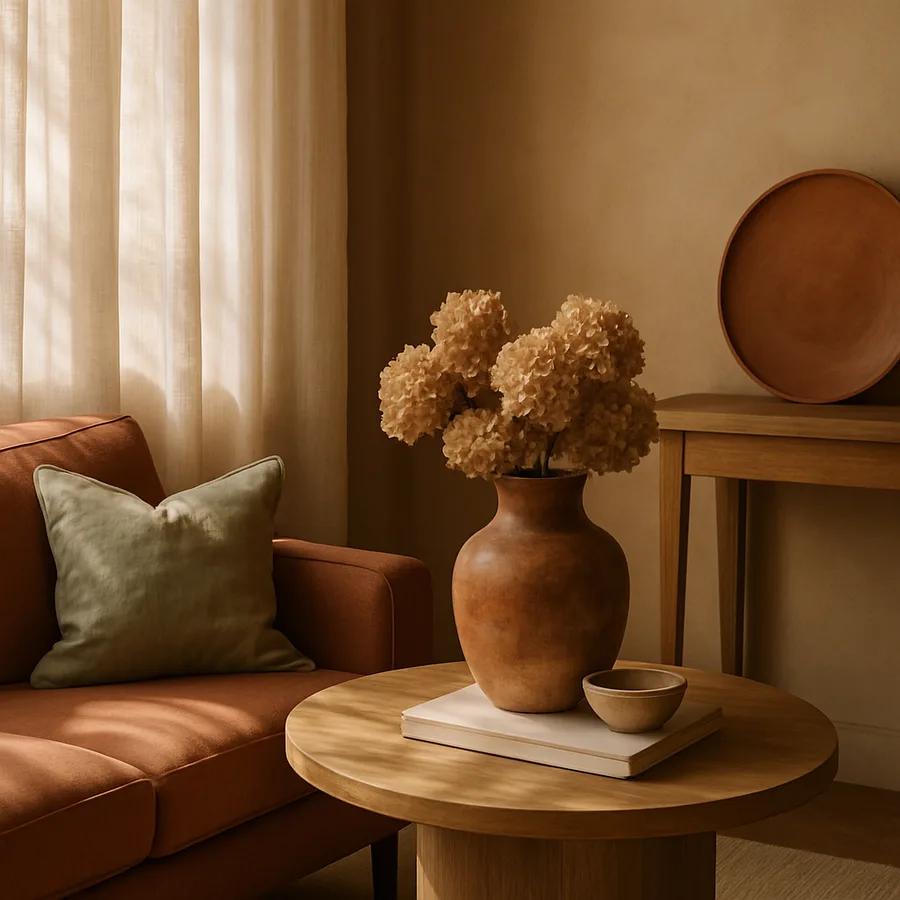
Your home tells a story about who you are, what you value, and how you live. Every room presents an opportunity to express personality through thoughtful design choices that balance aesthetics with functionality. Whether you are starting from scratch in a new home or breathing fresh life into a space you have occupied for decades, the right interior design ideas can fundamentally transform how a room looks, feels, and functions. According to the American Society of Interior Designers (ASID), well-designed interiors can improve occupant well-being by up to 33%, making the investment in thoughtful design both emotionally and practically rewarding. The journey of revamping your space does not require an unlimited budget or professional credentials -- it requires intention, creativity, and a willingness to experiment with new approaches.
Interior design has evolved dramatically in recent decades, moving away from rigid rules toward a more personal, eclectic approach that celebrates individual taste. The International Interior Design Association (IIDA) reports that homeowners who actively engage with the design process report significantly higher satisfaction with their living environments. This shift toward personalization means there has never been a better time to explore design ideas that resonate with your unique lifestyle. From the calming palette of a bedroom retreat to the vibrant energy of a well-appointed kitchen, every room in your home deserves attention and care. The principles outlined in this guide will help you approach each space with confidence, armed with practical ideas that deliver real visual impact.
Reimagining the Living Room as a Design Centerpiece
The living room serves as the heart of most homes, functioning as a gathering space for family, a venue for entertaining guests, and often a personal retreat for relaxation. Designing this room effectively means balancing multiple competing needs while maintaining a cohesive visual identity. Start by establishing a focal point -- whether that is a fireplace, a large window with a view, or a statement piece of art -- and arrange your furniture to draw the eye naturally toward it. The National Council for Interior Design Qualification (NCIDQ) emphasizes that successful living room design begins with understanding traffic flow and ensuring that seating arrangements facilitate conversation while allowing easy movement through the space. Consider the scale of your furniture relative to the room dimensions, as oversized pieces in a compact room create a cramped feeling, while undersized furniture in a large space feels sparse and uninviting.
Color selection in the living room sets the emotional tone for the entire home, particularly if it connects to adjacent spaces in an open floor plan. Neutral base colors like warm whites, soft grays, and muted beiges provide a versatile foundation that can be enlivened with accent colors through throw pillows, artwork, and decorative objects. A survey by Houzz found that 68% of homeowners renovating their living rooms prioritize creating a sense of warmth and comfort over following current trends. This statistic underscores an important principle: the most successful living room designs are those that reflect the inhabitants' genuine preferences rather than chasing fleeting fashions. Layer textures through a mix of materials -- a linen sofa paired with a leather armchair, a wool rug beneath a glass coffee table -- to create depth and visual interest that keeps the eye engaged.
Lighting transforms the living room more dramatically than almost any other design element, yet it remains one of the most overlooked aspects of residential interior design. Have you considered how the quality of light in your living room changes throughout the day, and whether your artificial lighting adequately compensates when natural light fades? A thoughtful lighting plan includes three layers: ambient lighting for overall illumination, task lighting for reading or other activities, and accent lighting to highlight architectural features or artwork. Dimmer switches offer invaluable flexibility, allowing you to shift the room's mood from bright and energetic during daytime gatherings to soft and intimate during evening relaxation. Floor lamps, table lamps, and wall sconces distribute light more evenly and attractively than a single overhead fixture, creating pools of warm illumination that make the space feel welcoming and dimensional.
Kitchen Design That Blends Beauty with Purpose
The kitchen has transcended its utilitarian origins to become one of the most design-forward rooms in the contemporary home, a space where culinary creativity meets aesthetic expression. Modern kitchen design demands a careful balance between visual appeal and practical functionality, ensuring that beautiful surfaces can withstand daily use and that decorative choices do not impede the cooking process. Begin your kitchen revamp by evaluating the work triangle -- the relationship between the stove, sink, and refrigerator -- which remains the foundational principle of efficient kitchen layout. ASID professionals consistently recommend that the total distance of the work triangle should not exceed twenty-six feet, with each leg measuring between four and nine feet for optimal workflow. Storage solutions should be integrated seamlessly, with pull-out drawers, lazy Susans, and vertical dividers that maximize every inch of cabinet space while keeping frequently used items within easy reach.
Countertop and backsplash selections represent some of the most impactful design decisions in any kitchen renovation, combining aesthetic statement with practical performance requirements. Natural stone surfaces like granite and marble offer timeless beauty, while engineered quartz provides superior durability and consistency of appearance. The backsplash area presents an opportunity for creative expression, whether through hand-painted ceramic tiles, sleek subway tiles in unexpected colors, or dramatic natural stone slabs that create a seamless visual connection with the countertop. Consider how your material choices interact with the kitchen's lighting -- glossy surfaces reflect light and brighten the space, while matte finishes absorb light and create a more subdued, sophisticated atmosphere. The interplay between these elements defines the kitchen's character and determines whether the space feels modern and sleek, rustic and warm, or classically elegant.
Open shelving has emerged as a popular kitchen design element that bridges the gap between storage and display, allowing homeowners to showcase beautiful dishware, cookbooks, and decorative objects while keeping everyday items accessible. This approach works best when curated thoughtfully -- a mix of functional pieces and decorative accents arranged with attention to color coordination, varying heights, and negative space creates a collected, intentional look rather than a cluttered one. What items in your kitchen collection deserve to be on display, and which would benefit from the concealment of closed cabinetry? Hardware selections, from cabinet pulls to faucet fixtures, serve as the jewelry of the kitchen, and coordinating metals across these elements creates a polished, cohesive appearance. Brushed brass, matte black, and satin nickel each convey distinct design personalities, and mixing metals deliberately can add sophisticated visual interest when executed with restraint and intention.
Bedroom Retreats That Promote Rest and Renewal
The bedroom occupies a unique position in residential design as the most personal and private space in the home, a sanctuary dedicated to rest, renewal, and intimate comfort. Effective bedroom design prioritizes tranquility and relaxation, creating an environment that signals to the mind and body that it is time to unwind. Color psychology plays a particularly important role in bedroom design, with research from the IIDA indicating that cool, muted tones such as soft blues, gentle greens, and warm lavenders promote relaxation and improve sleep quality. Avoid stimulating colors like bright reds or vivid oranges on large surfaces, though these can work beautifully as small accents in artwork or decorative pillows. The bed itself should dominate the room as the central design element, positioned to take advantage of the best wall and, ideally, offering a view of the doorway for a subconscious sense of security.
Textile layering in the bedroom creates the luxurious, enveloping comfort that transforms a simple sleeping space into a true retreat. Begin with high-quality sheets in natural fibers -- Egyptian cotton, linen, or bamboo -- that feel wonderful against the skin and regulate body temperature throughout the night. Add a lightweight coverlet or quilt for texture, a duvet or comforter for warmth, and an array of pillows in varying sizes and firmness levels to create the sumptuous, hotel-inspired bed that invites you to sink in at the end of each day. Window treatments deserve careful consideration in the bedroom, where controlling light is essential for quality sleep. Blackout curtains or lined drapes in fabrics that complement the room's color palette provide the darkness needed for restful sleep while adding a layer of softness and warmth to the room's visual composition. A plush area rug beside the bed cushions your feet during those first moments of the morning, adding both physical comfort and visual warmth to the space.
Storage solutions in the bedroom should maintain the room's serene atmosphere by keeping clutter hidden and surfaces clear. Built-in wardrobes with thoughtfully designed interiors, nightstands with drawers rather than open shelves, and under-bed storage for seasonal items all contribute to a tidy, peaceful environment. Consider incorporating a small seating area if space permits -- a comfortable reading chair positioned near a window with a floor lamp creates a cozy nook that extends the room's functionality beyond sleeping. Bedside lighting should be warm and adjustable, with fixtures mounted on the wall or placed on nightstands at a height that is comfortable for reading in bed. The bedroom is also an ideal space for displaying meaningful personal items, family photographs, collected art, or treasured objects that bring comfort and joy without overwhelming the room's calm atmosphere.
Bathroom Spaces Elevated to Spa-Like Standards
The bathroom has undergone perhaps the most dramatic design evolution of any room in the home, transitioning from a purely functional space to one that aspires to the luxury and serenity of a professional spa. This transformation reflects a broader cultural shift toward self-care and wellness, with homeowners increasingly willing to invest in bathroom upgrades that enhance their daily routines. Houzz reports that bathroom renovations consistently rank among the top three home improvement projects in terms of homeowner satisfaction, with well-designed bathrooms delivering both emotional value and measurable return on investment. The foundation of spa-like bathroom design lies in material selection -- natural stone tiles, warm wood accents, and high-quality fixtures create a sensory experience that elevates the mundane acts of bathing and grooming into moments of genuine pleasure.
Spatial planning in the bathroom requires particular attention to the relationship between wet and dry zones, ensuring that water is contained where intended while maintaining a sense of openness and flow. Walk-in showers with frameless glass enclosures create a seamless visual experience that makes even modest bathrooms feel more spacious, while freestanding bathtubs serve as sculptural focal points in larger spaces. The vanity area presents significant design opportunity, with floating vanities creating an airy, modern aesthetic that simplifies floor cleaning, while traditional cabinetry offers more storage and a classic, grounded appearance. Mirror selection and placement dramatically affect the bathroom's sense of space and light -- an oversized mirror or a pair of mirrors flanking a central fixture can double the perceived room size while reflecting both natural and artificial light throughout the space. Heated flooring, while a luxury, transforms the bathroom experience entirely and represents one of the most appreciated upgrades among homeowners who have installed it.
Accessories and finishing touches complete the spa-like bathroom transformation, layering comfort and beauty onto the functional framework. Plush, oversized towels in coordinating colors rolled or stacked on open shelving create both visual warmth and practical accessibility. Live plants that thrive in humid environments -- ferns, orchids, pothos -- introduce organic texture and color while improving air quality. What small changes could you make to your bathroom routine and environment that would transform this daily experience from mundane to rejuvenating? Scent plays an underappreciated role in bathroom design, with essential oil diffusers, scented candles, or high-quality soap dispensers contributing to a multisensory experience. Storage solutions such as recessed niches in the shower, tiered trays on the vanity, and medicine cabinets with interior outlets keep the space organized while maintaining the clean, uncluttered aesthetic essential to a spa-like atmosphere.
Dining Areas Designed for Connection and Celebration
The dining area, whether a formal room or an integrated zone within an open floor plan, serves as the stage for some of life's most meaningful moments -- shared meals, holiday celebrations, heartfelt conversations, and the daily ritual of gathering around a table. Designing this space well means creating an environment that encourages lingering, where the combination of comfort, beauty, and intimacy makes people want to stay long after the plates have been cleared. The dining table is the anchor of this space, and selecting the right one involves balancing size, shape, material, and style with the room's dimensions and the household's typical entertaining patterns. Round tables promote conversation by eliminating head-of-table hierarchy and allowing eye contact among all diners, while rectangular tables accommodate larger groups and fit more naturally in elongated spaces. NCIDQ guidelines suggest allowing at least thirty-six inches between the table edge and walls or furniture to permit comfortable chair movement.
Lighting above the dining table deserves special attention, as it must illuminate the food attractively, flatter the diners' complexions, and contribute to the room's overall design narrative. A chandelier or pendant light centered over the table creates a defined dining zone and adds vertical interest to the space, with the bottom of the fixture positioned approximately thirty to thirty-six inches above the table surface for optimal illumination without obstruction. The fixture itself should complement the room's style -- a modern linear pendant over a sleek contemporary table, a crystal chandelier above a traditional mahogany surface, or a cluster of handblown glass pendants over a rustic farmhouse table. Dimming capability is essential in the dining area, allowing the lighting to shift from bright and functional during family meals to soft and atmospheric during dinner parties. Wall sconces or a buffet lamp can provide supplementary ambient light that fills the room more completely than a single overhead fixture.
The dining area's supporting elements -- sideboards, buffets, bar carts, and wall treatments -- complete the room's design story and provide essential functionality for entertaining. A sideboard positioned along a wall offers both storage for table linens, serving pieces, and glassware, and a surface for displaying flowers, candles, or decorative objects. Wall art in the dining area should be selected with particular care, as it occupies the visual field of seated diners for extended periods and can set the conversational tone for gatherings. Abstract paintings, botanical prints, or curated gallery walls all work effectively, provided they complement the room's color palette and scale appropriately to the wall space. Table settings themselves constitute a design element, with everyday dishes, glassware, and flatware chosen not only for functionality but for their contribution to the room's aesthetic when arranged on the table.
Home Office Environments That Inspire Productivity
The home office has transitioned from a nice-to-have bonus room to an essential component of modern residential design, with remote and hybrid work arrangements becoming permanent fixtures of professional life. A study published by ASID found that workers in well-designed home offices reported 28% higher productivity and significantly lower rates of work-related stress compared to those working in poorly configured spaces. Designing an effective home office requires balancing professional functionality with the comfort and personality of a residential setting, creating a space that supports focused work while remaining harmonious with the rest of the home. The desk, as the primary work surface, should be selected based on work requirements -- a deep desk for those using multiple monitors, a compact writing desk for laptop-only users, or a sit-stand desk for those prioritizing ergonomic flexibility. Position the desk to take advantage of natural light, ideally perpendicular to windows rather than facing them directly, to minimize screen glare while still benefiting from daylight.
Ergonomic considerations in the home office directly impact both productivity and physical health, making the desk chair arguably the most important purchase in the entire room. Invest in a high-quality task chair with adjustable height, lumbar support, seat depth, and armrest positions, as this is the piece of furniture your body will interact with for eight or more hours daily. The aesthetic of the chair need not be sacrificed for function -- many contemporary ergonomic chairs feature beautiful materials and clean lines that complement residential design. Storage in the home office should accommodate both physical and digital work patterns, with filing systems for essential documents, shelving for reference materials, and cable management solutions that prevent the technological infrastructure from creating visual chaos. How does the visual environment of your current workspace affect your ability to concentrate and produce your best work?
The home office offers a unique opportunity to create a space that reflects professional identity while maintaining personal warmth and creativity. Bookshelves styled with a mix of professional references, personal mementos, and decorative objects create an engaging backdrop for video calls while expressing individual character. Plants in the home office provide more than aesthetic value -- research consistently demonstrates that greenery in workspaces reduces stress, improves air quality, and enhances creative thinking. The following elements are essential for a well-designed home office:
- A desk positioned for optimal natural light and minimal screen glare
- An ergonomic task chair that supports long working sessions comfortably
- Adequate storage that keeps the workspace organized and visually clean
- Task lighting supplemented by ambient lighting for video calls
- Acoustic considerations such as rugs, curtains, or upholstered furniture that absorb sound
- Personal touches including artwork, plants, and meaningful objects that inspire creativity
Sound management is a frequently overlooked aspect of home office design that significantly impacts the ability to concentrate and communicate effectively during virtual meetings. Soft furnishings such as area rugs, upholstered chairs, and heavy curtains absorb sound and reduce echo, creating a more professional audio environment for video conferences while also insulating the workspace from household noise. Color choices in the home office should support focus and creativity without inducing monotony -- consider a calm, neutral base with energizing accent colors in artwork or accessories that stimulate the mind without overwhelming it.
Conclusion: Creating a Home That Evolves with You
The most successful interior design approaches recognize that a home is not a static showpiece but a living, breathing environment that must adapt to the changing needs, preferences, and circumstances of its inhabitants. Each room discussed in this guide represents an opportunity to apply fundamental design principles -- balance, proportion, color harmony, texture layering, and thoughtful lighting -- while infusing the space with personal meaning and practical functionality. The key is to begin with a clear understanding of how each room will be used, who will use it, and what emotional atmosphere you want to create, then make design choices that serve those goals authentically.
As you embark on revamping your spaces, remember that transformation does not require completing every room simultaneously. Start with the space that will have the greatest impact on your daily life, implement changes thoughtfully, and allow each room's design to inform and inspire your approach to the next. The IIDA encourages homeowners to think of interior design as an ongoing conversation between themselves and their spaces, one that deepens and evolves over time. Take the first step today by selecting one room, one area of focus, and one actionable change that will begin to shift the energy and appearance of your home in a direction that brings you genuine joy and comfort.
More Articles You May Like



Comments
Post a Comment