Gothic Interior Design Trends: Blending Modern Comfort with Timeless Elegance
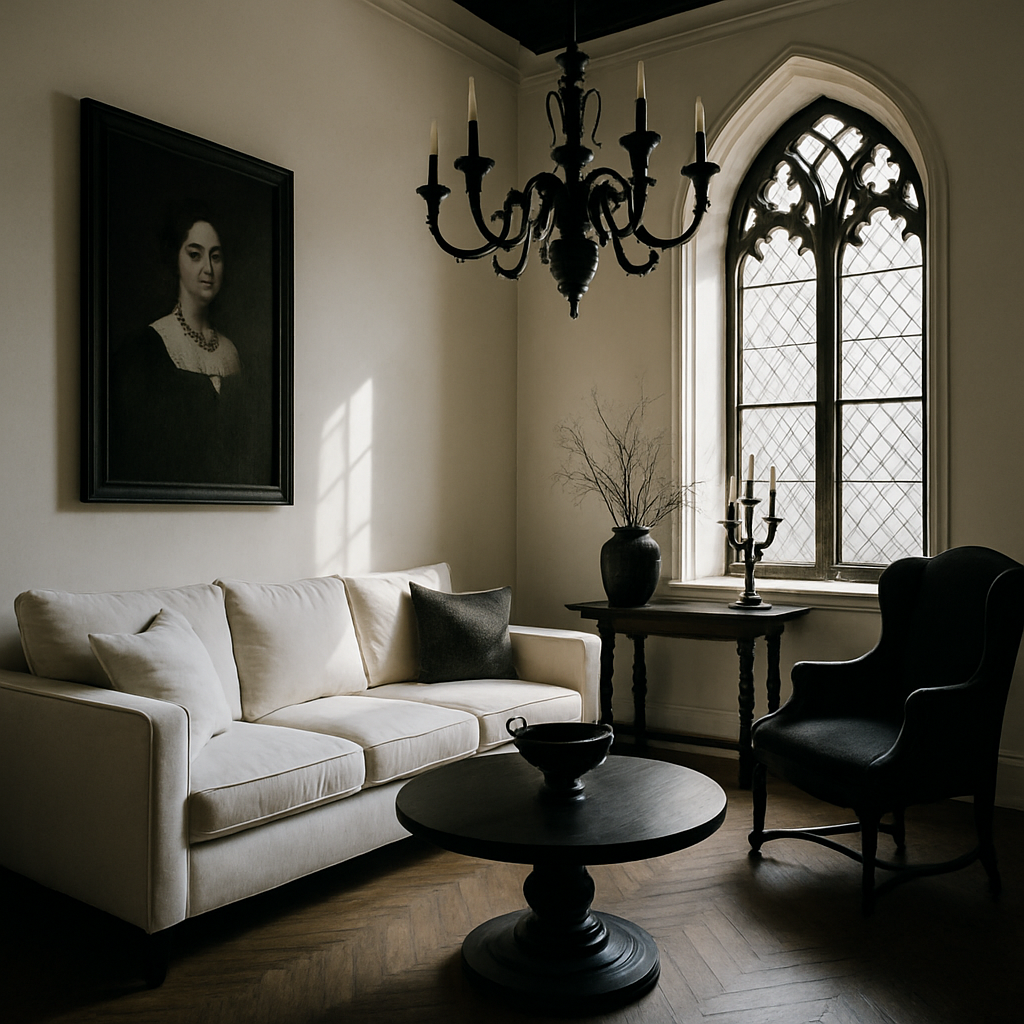
Are you drawn to the allure of dramatic interiors that whisper tales of mystery and grandeur? Gothic interior design might just hold the key to your dream home. This style, characterized by its intricate details, rich textures, and profound color palettes, is experiencing a renaissance, blending modern comforts with the timeless elegance of the past. According to the American Society of Interior Designers (ASID), there's a growing interest in styles that merge historical elements with contemporary living. In this article, we'll explore foundational concepts of gothic design, delve into current trends, and provide expert strategies to incorporate this style into your home. By the end, you'll have a clear path to creating a space that exudes both modern comfort and the grandeur of gothic elegance.
The Foundations of Gothic Interior Design
Gothic design dates back to the 12th century when it emerged as a prominent architectural style across Europe. It is characterized by its pointed arches, ribbed vaults, and flying buttresses. However, in the context of interior design, gothic style is more about the mood it creates than replicating medieval architecture. This mood is achieved through the use of deep, rich colors, opulent fabrics, and intricate detailing. Dark woods, wrought iron, and stone are common materials used to evoke a sense of drama and history. Understanding these elements is crucial for anyone looking to infuse their space with gothic aesthetics.
Today, the essence of gothic design is captured in its ability to blend richness with restraint. Velvet drapes, carved wood furniture, and ornate chandeliers are staples that offer a nod to the past while maintaining a sense of contemporary luxury. The modern gothic trend leans towards a minimalist approach, where less is more, allowing standout pieces to take center stage. This creates a balance between the heavy, traditional gothic elements and the lightness of modern interiors.
Incorporating gothic design into your home doesn't mean transforming it into a medieval castle. Instead, it's about embracing the style's core tenets of mystery and elegance. By selectively integrating gothic features, such as an intricately carved fireplace or a dramatic four-poster bed, you can create a space that is both inviting and intriguing. This careful curation is what makes modern gothic design accessible and appealing to contemporary homeowners.
Gothic Design Trends: A Deeper Dive
The resurgence of gothic interior design can be attributed to a broader trend of seeking comfort and character in our homes. Industry surveys suggest that homeowners are increasingly drawn to spaces that feel unique and personalized. This has led to a renewed interest in styles like gothic that offer a rich tapestry of visual and tactile experiences. According to Houzz, there has been a noticeable increase in searches for gothic-inspired interiors over the past year, indicating a shift towards more expressive home environments.
One of the standout trends within gothic design is the integration of biophilic elements. This involves incorporating natural materials and greenery to soften the darker, more dramatic aspects of the style. Living walls and indoor plants can add vibrancy and life to a space, creating a gothic-inspired sanctuary that feels both lush and livable. The juxtaposition of organic elements with traditional gothic features highlights the versatility and adaptability of this design approach.
Another key trend is the use of smart home technology to enhance the gothic atmosphere. Automated lighting systems can be programmed to adjust throughout the day, creating different moods with the flick of a switch. Imagine dimming the lights to a soft glow that highlights the intricate details of gothic furnishings, or setting the scene for an evening of storytelling by the fireplace. This blend of old-world style with new-world convenience is what makes gothic design so appealing in modern homes.
Strategies for Incorporating Gothic Elements
Ready to bring a touch of gothic elegance into your home? Start by identifying key areas where you can make the most impact. Focal points such as the entryway or living room are ideal places to introduce gothic elements. Opt for statement pieces like a large, ornate mirror or a bold, velvet-upholstered sofa to anchor the space. These pieces not only capture the essence of gothic design but also serve as conversation starters, inviting guests to explore the unique aspects of your home.
Color plays a crucial role in achieving a gothic look. Focus on deep, saturated hues such as burgundy, navy, and emerald. These colors can be incorporated through wall paint, textiles, or accessories. For those hesitant to commit to dark walls, consider using color strategically, such as on an accent wall or through the use of bold artwork. Remember, it's the contrast between light and dark that brings depth and drama to a gothic-inspired space.
Lighting is another critical element. Opt for fixtures that echo the gothic style, such as wrought iron chandeliers or candle-style wall sconces. These pieces not only provide illumination but also add to the ambiance of the room. Consider layering your lighting to create different zones and moods within a space. For instance, use floor lamps and table lights to highlight specific areas, drawing attention to gothic details like a carved mantelpiece or an antique bookcase.
Expert Insights on Gothic Design
Experienced professionals often note that the key to successfully implementing gothic design is balance. According to NCIDQ-certified designers, it's important to maintain a harmony between heavy gothic elements and the overall functionality of the space. This means considering your lifestyle and how you use each room. For example, while a dark, sumptuous color palette might be perfect for a cozy library, it may not suit a busy family kitchen where light and practicality are priorities.
The International Interior Design Association (IIDA) suggests that homeowners work with certified interior designers to navigate the complexities of gothic design. These professionals can help you select pieces that fit your space and vision, ensuring that your home feels cohesive rather than disjointed. They can also provide insights on how to incorporate gothic elements in a way that enhances your home's architectural features, rather than overshadowing them.
Understanding the history and evolution of gothic design can also provide valuable context when planning your interiors. Architectural Digest's AD PRO network highlights the importance of storytelling in design. By incorporating elements that have personal meaning or historical significance, you can create a space that feels both authentic and deeply personal. Whether it's a vintage find or a family heirloom, these pieces add layers of interest and narrative to your home.
Additional Considerations for Gothic Interiors
When planning a gothic-inspired interior, budget is an important consideration. Costs can vary significantly depending on the scope of your project. For a single room redesign, you might spend between $5,000 and $15,000, whereas a full-home transformation could exceed $150,000. It's important to factor in the cost of both new purchases and any custom work required, such as bespoke furniture or handcrafted fixtures.
The fee structure for working with a designer can also influence your budget. Many interior designers charge an hourly rate, ranging from $150 to $500, or a percentage of the total project cost, typically between 10% and 25%. Some may also include procurement markups on furniture and materials. Discussing these details upfront can help you plan effectively and avoid unexpected expenses.
Finally, consider how the incorporation of gothic elements might impact the resale value of your home. Well-designed interiors are known to yield a 5-15% higher resale value, according to industry data. However, it's important to strike a balance between personal style and broad appeal. By opting for timeless gothic elements that complement your home's architecture, you can enhance its marketability while still expressing your unique design sensibilities.
Final Perspectives on Gothic Design
As you embark on your gothic design journey, remember that the goal is to create a space that feels both dramatic and welcoming. By layering textures, colors, and lighting, you can craft an environment that is visually stunning yet comfortable. Whether you choose to fully embrace gothic aesthetics or simply incorporate a few key elements, the result should be a home that reflects your personal style while offering a nod to the elegance of the past.
Consider the ways in which gothic design can transform not just the appearance, but the experience of living in your home. Are there areas where you could introduce a touch of drama or romance? How might these changes influence the way you and your guests feel within the space? By thinking critically about these questions, you can create a living environment that is as functional as it is beautiful.
Ultimately, gothic interior design is about finding the balance between old-world charm and modern living. It invites you to explore new possibilities in your space, blending the comfort of contemporary life with the richness of history. As you move forward, let your creativity guide you, and enjoy the process of designing a home that tells your unique story.
Conclusion
Gothic interior design offers a compelling blend of modern comfort and timeless elegance, making it a captivating choice for those looking to create a distinctive home. By understanding the foundational elements, embracing current trends, and implementing expert strategies, you can craft a space that is both inviting and evocative. Ready to start your gothic design journey? Begin by browsing portfolios on Houzz or consulting with a certified designer. Even a few hours of research can refine your vision and inspire your next steps. Whether you're planning a single room makeover or a full-home redesign, the world of gothic interiors awaits, promising a home that is uniquely yours.


Comments
Post a Comment