The Evolution of Interior Design: From Functionality to Aesthetic Appeal
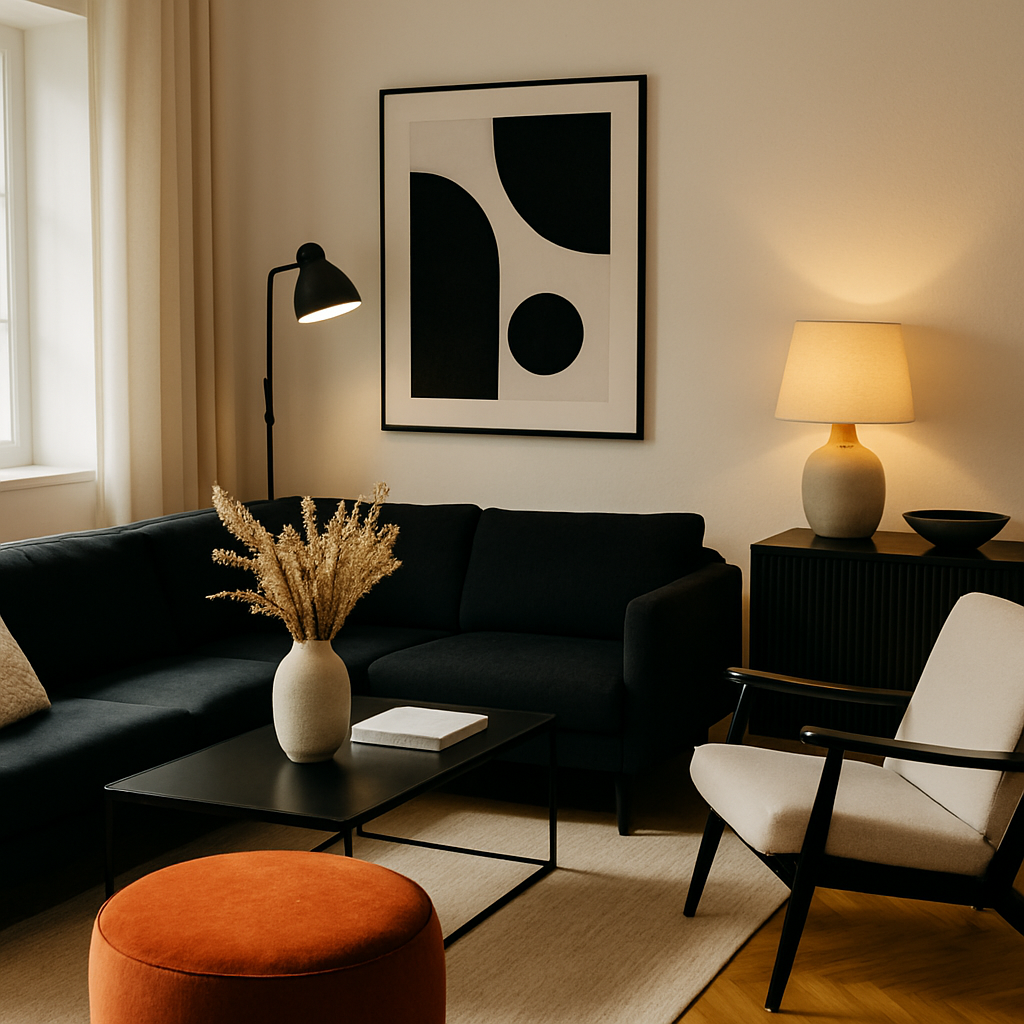
Interior design has undergone a profound transformation over the decades. What began as a discipline focused purely on functionality has blossomed into an art form that marries practicality with aesthetic allure. This evolution is not just a historical curiosity; it informs how we shape our living spaces today. According to the American Society of Interior Designers (ASID), a well-designed interior can enhance the value of a home by 5-15%, underscoring the impact of design on both lifestyle and investment. In this article, we'll explore the journey of interior design from its functional roots to its current aesthetic-oriented approach, delve into current industry trends, and uncover strategies for applying these insights to your own home. Whether you're a design enthusiast or a homeowner seeking to revamp your space, understanding this evolution is key to making informed decisions.
From Necessity to Innovation: The Roots of Interior Design
In the early days of interior design, the primary focus was on functionality. Homes were designed with the sole purpose of meeting the basic needs of their inhabitants. This was particularly true during periods of economic hardship or post-war reconstruction, where practicality took precedence over luxury. Rooms were often multifunctional, serving as living spaces, dining areas, and work zones all in one. The emphasis was on durability and utility, with less regard for visual appeal.
However, as societies evolved and economies grew, so did the desire for more than mere functionality. The 20th century saw a shift as homeowners began to express their personal tastes through design. This period marked the beginning of interior design as a recognized profession, with organizations like the International Interior Design Association (IIDA) emerging to standardize practices and promote the artistry of design. This era laid the foundational concepts that would propel the industry forward, blending practicality with emerging design philosophies.
Architectural innovations also played a significant role in this evolution. As building techniques improved, architects and interior designers began collaborating more closely, leading to spaces that were not only functional but also reflective of personal style. This collaboration fostered creativity, encouraging the use of new materials and techniques that elevated interior spaces from mere shelters to curated environments. This transformation set the stage for the modern emphasis on aesthetic appeal.
The Rise of Aesthetic Appeal: Data-Driven Insights
The shift from functionality to aesthetic appeal in interior design was not just a cultural movement but also a response to consumer demand. Houzz's annual survey data consistently highlights the increasing importance homeowners place on aesthetic considerations, with 78% of respondents in a recent survey citing design appeal as a major factor in their renovation projects. This data aligns with industry trends that emphasize personalization and style as key drivers of design decisions.
Moreover, the advent of digital platforms like Pinterest and Instagram has democratized access to design inspiration, allowing individuals to explore a vast array of styles and ideas. These platforms have not only expanded the reach of interior design but have also encouraged a more informed and design-conscious consumer base. In fact, industry surveys suggest that over 60% of homeowners use these platforms as primary sources of inspiration before consulting with professionals.
This data underscores a critical shift in the industry: the move towards designs that are both visually stunning and personally meaningful. Experienced professionals often note that clients today are more informed and have higher expectations for their spaces, desiring environments that reflect their personalities and lifestyles. This evolution has led to innovative design solutions that prioritize both form and function, reflecting a broader cultural emphasis on aesthetic living.
Strategies for Merging Functionality with Aesthetic in Your Home
So, how can you integrate the evolution of interior design into your own home? Start by considering both the functional needs and aesthetic desires of your space. Begin with mapping out how you use your rooms daily. For instance, where do you drop your keys? Where do the kids do their homework? This practical assessment helps in planning a layout that supports your lifestyle. Once functionality is established, layer in aesthetic elements that reflect your personal style.
One actionable strategy is to embrace biophilic design, which incorporates natural materials and elements into your home. This trend not only enhances visual appeal but also promotes well-being by connecting the indoors with nature. Think about integrating living walls or using reclaimed wood, which adds both texture and warmth to a space. According to architectural insights, such designs can significantly improve mood and productivity.
Another approach is to utilize smart home technologies for both function and flair. Automated lighting, climate control, and window treatments can be seamlessly integrated into your design, providing convenience and enhancing the aesthetic with minimal effort. Smart technologies offer a modern twist on traditional design, allowing for greater flexibility and customization in how spaces are used and experienced.
Expert Insights on Current Design Trends
As you explore the aesthetic evolution of your home, staying informed about current trends can provide valuable guidance. One such trend is quiet luxury, which emphasizes understated elegance and high-quality materials. This approach focuses on creating a serene environment through minimalist design and neutral color palettes, often favored by those seeking a timeless look. The Architectural Digest's AD PRO network frequently highlights projects that exemplify this trend, offering inspiration for those looking to incorporate it into their homes.
Another prominent trend is Japandi, a blend of Japanese minimalism and Scandinavian warmth. This style focuses on creating harmonious, clutter-free spaces that emphasize simplicity and functionality. The use of natural materials and a muted color palette is central to Japandi, fostering environments that are both calming and visually appealing. This trend is particularly popular among individuals seeking to declutter and simplify their living spaces.
Sustainability continues to be a pivotal consideration in design, with many homeowners opting for eco-friendly materials and practices. Designers are increasingly using sustainable and reclaimed materials, reducing environmental impact while maintaining aesthetic appeal. This trend reflects a growing awareness of environmental issues and a desire to make conscious choices in home design. Exploring sustainable options not only benefits the planet but also adds a unique character to your home.
Deep Dive: Industry Perspectives on Interior Design's Future
Looking ahead, the future of interior design is poised to continue its evolution, driven by technological advancements and shifting consumer preferences. Virtual reality (VR) and augmented reality (AR) tools are becoming more prevalent, allowing designers and clients to visualize spaces in 3D before committing to changes. This technology offers a more immersive design experience, enabling more precise and personalized planning.
Additionally, the role of certified interior designers is expected to expand as demand for professional expertise grows. The NCIDQ (National Council for Interior Design Qualification) certification remains the gold standard, ensuring designers possess the necessary skills and knowledge to meet diverse client needs. As design complexity increases, the distinction between certified professionals and decorators will become more pronounced, with clients seeking qualified experts for larger and more intricate projects.
The integration of smart home features and sustainable practices will likely become standard in future designs. As more consumers prioritize energy efficiency and environmental responsibility, designers will need to balance these considerations with evolving aesthetic trends. This forward-thinking approach will define the next era of interior design, blending innovation with timeless appeal.
Concluding Thoughts on Interior Design's Evolution
The evolution of interior design from functionality to aesthetic appeal is a testament to the industry's dynamic nature. As we continue to navigate this landscape, understanding the balance between form and function is crucial for creating spaces that are both beautiful and practical. Whether you're redesigning a single room or embarking on a full-home renovation, these insights can guide you toward choices that enhance both your living experience and property value.
Are you ready to transform your space? Start by browsing designer portfolios on platforms like Houzz or Pinterest this week. Even 20 minutes of research can sharpen your eye for what you want and help you articulate your vision to a professional. Remember, the journey from functionality to aesthetic appeal is ongoing, and with the right approach, your home can become a reflection of both your needs and your style.



Comments
Post a Comment