Behind the Scenes: How Interior Design Studios Create Stunning Spaces
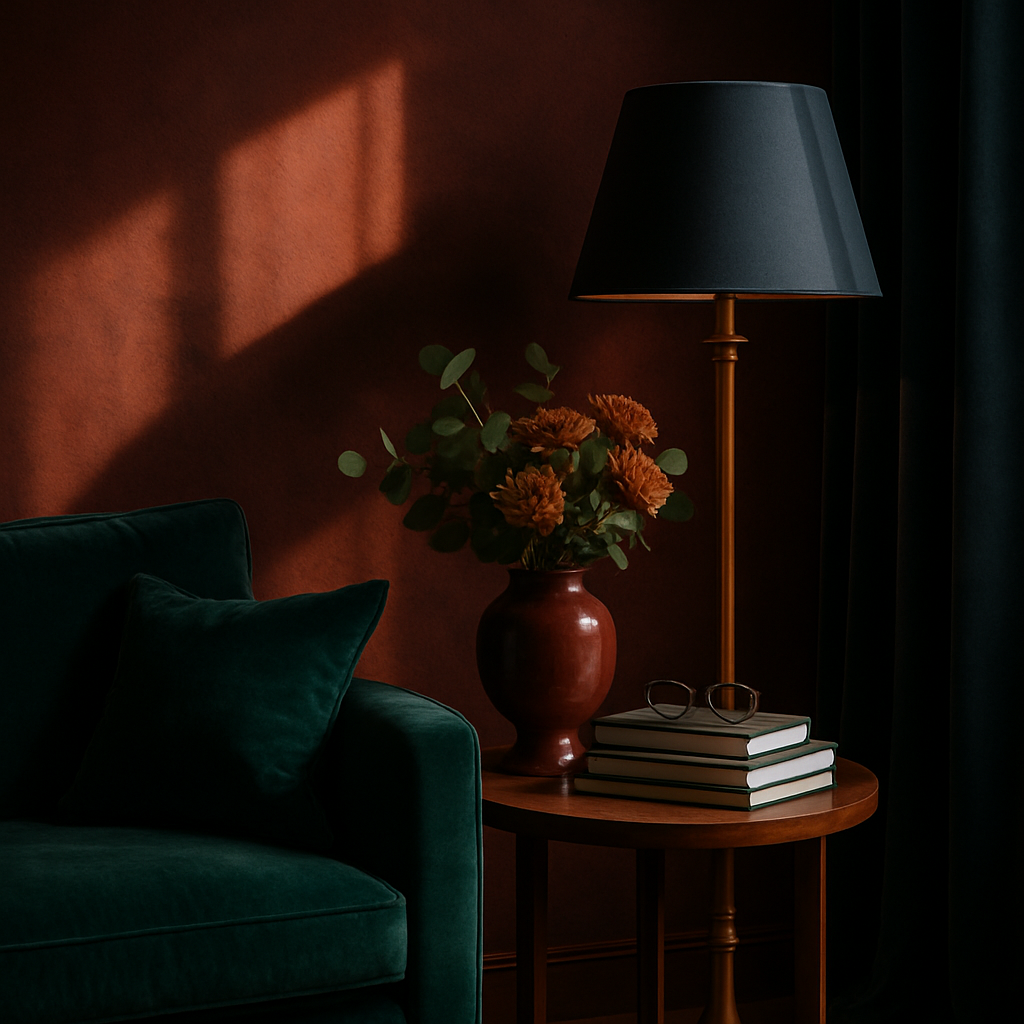
Have you ever stepped into a room and felt an immediate sense of awe and tranquility? This is no accident. It's the result of a carefully orchestrated process by interior design studios dedicated to creating stunning spaces. According to the American Society of Interior Designers (ASID), design decisions can boost a home's resale value by 5-15%. How do they achieve such impactful transformations? In this article, we'll explore the foundational concepts behind design studios' work, delve into the data that informs their decisions, and uncover the expert strategies that bring these visions to life. Along the way, you'll gain insights from industry leaders and discover actionable steps you can take to enhance your own living space.
The Foundation of Stunning Interior Design
At the heart of every stunning interior design project lies a strong foundation built on a deep understanding of space, function, and aesthetics. Design studios begin by assessing the unique characteristics of a space, taking into account factors such as natural light, architectural features, and traffic flow. This initial assessment is crucial as it informs the overall design concept and ensures that the final outcome is both beautiful and functional.
One of the key components of laying this foundation is the concept development phase. During this stage, designers collaborate closely with clients to understand their needs, preferences, and lifestyle. This collaboration often involves mood boards, sketches, and 3D renderings to visualize the proposed design. Platforms like Houzz and Pinterest are invaluable tools at this stage, providing inspiration and allowing clients to articulate their vision more clearly.
Additionally, certified interior designers, often holding credentials such as the NCIDQ (National Council for Interior Design Qualification), bring a wealth of knowledge and expertise to the table. Their understanding of building codes, accessibility standards, and sustainable design principles ensures that the project not only meets aesthetic goals but also adheres to safety and environmental standards. As we move forward, we'll see how these foundational elements are enhanced by data-driven insights.
Data-Driven Design Decisions
In today's data-rich environment, interior design studios increasingly rely on quantitative insights to guide their design decisions. According to Houzz's annual survey data, the average spending on home renovation projects continues to rise, with homeowners investing between $5,000 and $15,000 on single-room redesigns. This data helps design studios understand budgetary constraints and prioritize design elements that deliver the greatest return on investment.
For instance, integrating smart home technologies has become a significant trend in recent years. Design studios analyze data on user preferences and satisfaction to incorporate features like automated lighting and climate control systems, which not only enhance comfort but also improve energy efficiency. The Architectural Digest's AD PRO network often highlights case studies where such innovations have been seamlessly integrated, resulting in enhanced living experiences.
Experienced professionals often note that the use of sustainable and reclaimed materials is another area where data plays a crucial role. By evaluating environmental impact reports and supplier data, designers can select eco-friendly materials that align with clients' values. This approach not only addresses growing consumer demand for sustainability but also positions homes for future resale advantages. As we delve deeper, we'll explore how these insights translate into actionable design strategies.
Actionable Strategies for Creating Stunning Spaces
Once the foundational concepts and data insights are in place, design studios turn to actionable strategies that bring their creative visions to life. One of the most effective strategies is the use of biophilic design, which emphasizes natural materials and indoor-outdoor connectivity. This approach not only enhances aesthetic appeal but also promotes well-being by creating a calming and rejuvenating environment.
Another key strategy is the application of the Japandi style, a harmonious blend of Japanese minimalism and Scandinavian warmth. This trend, characterized by clean lines and neutral palettes, creates understated elegance that resonates with the current desire for quiet luxury. By leveraging this style, designers can create spaces that feel both modern and timeless, appealing to a broad range of tastes.
Moreover, the use of AR/VR room visualization tools allows clients to experience their redesigned spaces before construction begins. These tools enable clients to make informed decisions about spatial layout and design elements, reducing the likelihood of costly changes down the line. As we continue, we'll explore the expert-level details that further refine these strategies.
Expert-Level Insights From Industry Leaders
Delving into the expert-level details of interior design, we find that the procurement and installation phases are where meticulous attention to detail truly shines. Professionals from the International Interior Design Association (IIDA) emphasize the importance of sourcing high-quality furnishings and materials that align with the client's budget and design goals. This often involves negotiating with vendors and managing complex logistics to ensure timely delivery and installation.
The installation phase is particularly critical, as it involves the coordination of multiple tradespeople and the precise execution of the design plan. According to industry consensus, the ability to effectively manage this phase is a hallmark of a successful design studio. It's here that the vision becomes reality, and any missteps can impact the overall outcome. Therefore, designers often rely on detailed project timelines and regular communication with contractors to keep everything on track.
Additionally, experienced designers recognize the value of styling as the final touch in creating stunning spaces. This stage involves the careful selection and placement of accessories, artwork, and textiles to enhance the design's visual impact. By focusing on these details, designers can elevate a space from merely functional to truly inspiring. Next, we'll explore some additional insights that add further depth to the design process.
Additional Depth: Navigating Challenges and Innovations
Interior design studios often encounter unique challenges that require creative problem-solving and adaptability. One such challenge is balancing client expectations with practical constraints, such as budget limitations or architectural restrictions. How can designers ensure client satisfaction while staying within these boundaries? The answer lies in transparent communication and setting realistic goals from the outset.
Innovations in technology also play a significant role in overcoming these challenges. For example, the use of 3D printing for custom furniture pieces allows designers to create bespoke solutions that fit specific spatial requirements. This innovation not only enhances design flexibility but also reduces lead times, allowing projects to stay on schedule.
Moreover, staying abreast of design trends and industry advancements is crucial for any design studio aiming to remain competitive. Regular engagement with professional organizations, such as attending AIA chapter events or participating in ASID conferences, provides valuable opportunities for networking and professional development. As we draw to a close, let's consider the final perspectives that tie these elements together.
Final Perspectives on Creating Stunning Spaces
As we reflect on the intricate process behind creating stunning spaces, it's clear that interior design is both an art and a science. The successful execution of a design project requires a harmonious blend of creativity, technical expertise, and strategic planning. From concept development to the final styling touches, each phase contributes to the overall success of the project.
Have you considered how the principles and strategies discussed here might apply to your own home? Whether you're planning a major renovation or a simple room refresh, applying these insights can help you achieve a space that is both beautiful and functional. Remember, the key to success lies in careful planning and collaboration with experienced professionals.
In the conclusion that follows, we'll summarize the key takeaways and provide you with a specific call to action to help you get started on your own design journey.
Conclusion: Embark on Your Own Design Journey
In summary, interior design studios create stunning spaces through a combination of foundational principles, data-driven insights, and expert strategies. By understanding the meticulous process behind these transformations, you're better equipped to embark on your own design journey. Consider starting by researching designers with NCIDQ or ASID credentials to ensure you're working with qualified professionals.
Are you ready to transform your space into something truly stunning? Start by browsing portfolios on Houzz this week - even 20 minutes of research will sharpen your eye for what you want. With a clear vision and the right partners, you can create a space that not only meets your needs but also elevates your everyday living experience.



Comments
Post a Comment