Maximize Space: Clever Interior Wall Design Tips for Small Rooms
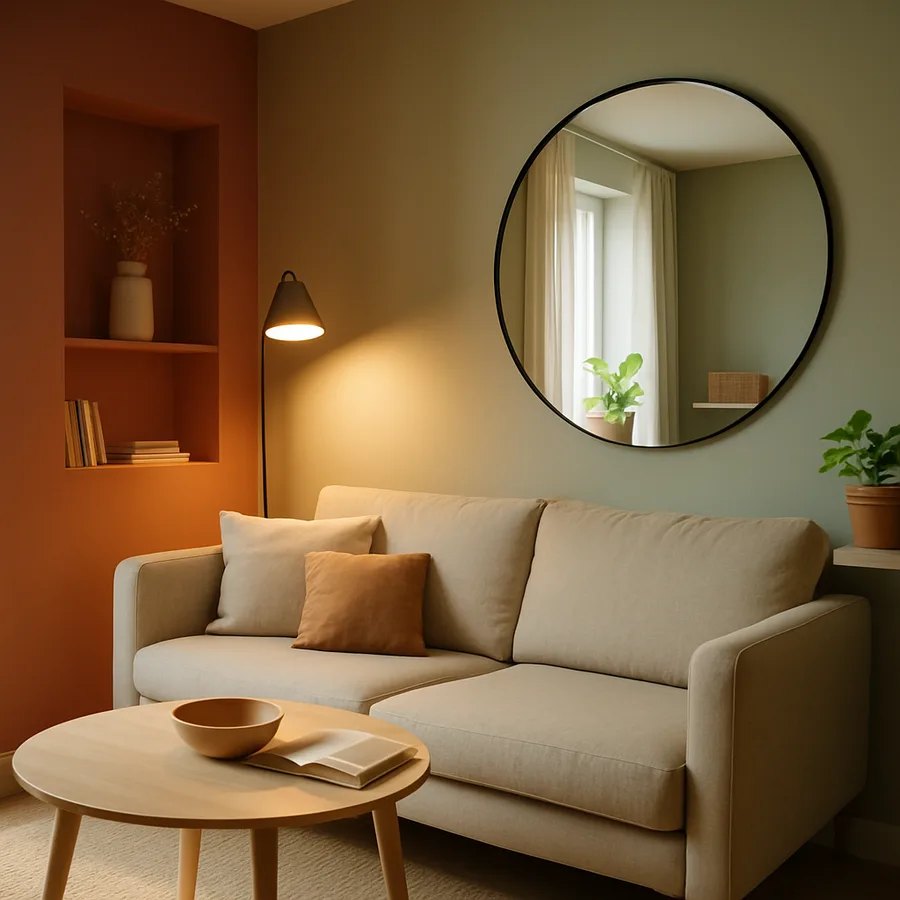
Small rooms present one of the most rewarding challenges in interior design: the opportunity to prove that square footage is far less important than strategy. In an era when urban living spaces continue to shrink, with the National Association of Home Builders reporting that the average size of newly built apartments has decreased by 5 percent over the past decade, the ability to make compact rooms feel spacious, functional, and beautiful has become an essential design skill. The American Society of Interior Designers (ASID) identifies small-space design as one of the most requested client services, reflecting a growing awareness that thoughtful design can transform even the most modest rooms into environments that feel open, organized, and genuinely pleasurable to inhabit. The wall treatments, color strategies, storage solutions, and optical techniques explored in this article are drawn from professional design practice and backed by principles of spatial perception that have been validated through decades of research and application. Whether you are working with a cramped studio apartment, a narrow hallway, a small bedroom, or a compact home office, these approaches will help you unlock the hidden potential within your walls.
Strategic Color Choices That Expand Perceived Space
Color is the most powerful and most affordable tool for altering the perceived dimensions of a small room. Light colors reflect more light than dark ones, and this increased luminosity creates the optical impression of greater space. Whites, off-whites, soft creams, pale grays, and light pastels all work to push walls visually outward, making rooms feel larger and more open than their physical dimensions suggest. Research by the International Interior Design Association (IIDA) confirms that rooms painted in light, cool tones are consistently perceived as up to 12 percent larger than identical rooms painted in dark, warm colors, a significant perceptual difference that costs nothing more than a can of paint.
The specific shade of light color you choose matters more than you might expect. Cool whites with subtle blue or green undertones recede visually and amplify the spacious effect, while warm whites with yellow or pink undertones can feel slightly more enclosing but compensate with a cozier, more inviting atmosphere. For rooms that receive limited natural light, warm whites such as Benjamin Moore's White Dove or Sherwin-Williams' Alabaster prevent the cold, clinical quality that cool whites can produce in dim conditions. In well-lit rooms with generous south-facing windows, cooler whites and pale grays like Farrow and Ball's Pavilion Blue or Dulux's Polished Pebble maximize the luminous, airy quality that natural light provides.
A monochromatic color strategy, using different values of the same color family across walls, ceiling, trim, and furnishings, eliminates the visual boundaries that contrasting colors create within a small room. When the eye encounters a uniform color field, it cannot easily identify where one surface ends and another begins, producing an uninterrupted sense of continuity that makes the space feel larger. Painting the ceiling the same color as the walls, a technique long advocated by ASID professionals, is particularly effective in small rooms with standard eight-foot ceilings, as it removes the horizontal line where wall meets ceiling and creates the illusion of greater height. Have you considered painting your ceiling to match your walls instead of defaulting to standard white?
Mirror Placement and Reflective Surfaces
Mirrors are the most dramatic space-expanding tool available, capable of visually doubling the apparent depth of a room when positioned with intention. The principle is straightforward: a mirror reflects the room's contents and light, creating a virtual extension of the space that the brain processes as real additional depth. Large-format mirrors, either hung as statement pieces or installed as full wall panels, produce the most significant spatial impact. Interior designers affiliated with the NCIDQ recommend placing mirrors on walls perpendicular to windows rather than directly opposite them, as this angle reflects light deeper into the room while avoiding the disorienting effect of reflecting a window directly back at the viewer.
Beyond traditional framed mirrors, reflective surfaces can be integrated into wall design through a variety of architectural and decorative approaches. Mirrored wall panels, available in antiqued, tinted, and clear finishes, can cover entire accent walls or be used in strategic sections behind shelving or above consoles. Reflective materials such as polished metal tiles, lacquered panels, and high-gloss paint finishes contribute to the same spatial effect on a more subtle scale. Mercury glass accents, metallic wallpaper, and reflective decorative objects all serve as smaller-scale contributors to an overall strategy of maximizing light reflection within a compact space. Each reflective element multiplies the available light, working cumulatively to create an atmosphere of brightness and openness.
The placement of mirrors in relation to the room's best features amplifies their impact. Positioning a mirror to reflect an attractive view, a piece of art, or a carefully arranged vignette creates the impression that the room contains more visual interest than it actually does. Conversely, mirrors that reflect cluttered areas, blank walls, or unfinished surfaces simply double the visual noise and work against the goal of spaciousness. In bedrooms, a full-length mirror on a closet door or a large horizontal mirror above a dresser serves both practical and spatial purposes. In living rooms, an oversized leaning mirror on the floor creates a dramatic sense of depth while functioning as a striking design element. The cost of a quality mirror starts at approximately $100 for a framed accent piece and can range to $1,500 or more for a custom floor-to-ceiling installation.
Vertical Design Elements That Draw the Eye Upward
In small rooms, the ceiling is an underused asset that can significantly increase the perceived volume of a space when properly activated. Vertical design elements, including vertical stripes, tall artwork, floor-to-ceiling curtains, and vertically oriented paneling, draw the eye upward and create the impression of greater height, making rooms feel more expansive even when their floor area is limited. This technique exploits a well-documented principle of visual perception: vertical lines elongate surfaces, just as vertical stripes on clothing create the illusion of a taller, leaner silhouette.
Floor-to-ceiling curtains are one of the simplest and most effective vertical tricks available to homeowners. Mounting curtain rods at ceiling height rather than at the top of the window frame, and allowing the curtains to extend all the way to the floor, creates an unbroken vertical line that makes the ceiling feel higher and the window appear larger than it actually is. Houzz renovation data indicates that this single adjustment is among the most frequently recommended designer tips for small spaces, requiring minimal investment but delivering a disproportionate visual impact. The fabric choice reinforces the effect: lightweight, flowing fabrics in light colors maintain the airy quality that small rooms require, while heavy, dark drapes can counteract the height illusion by adding visual weight.
Vertical wall paneling, including board and batten, shiplap installed vertically, and narrow tongue-and-groove planking, creates strong upward visual lines that elongate walls and add architectural character simultaneously. In powder rooms, hallways, and compact bedrooms, vertical paneling installed at full wall height transforms plain drywall into surfaces with depth, texture, and directional energy that draws the eye from floor to ceiling. Crown molding and picture rail molding, while technically horizontal elements, define the upper portion of the wall and encourage the eye to travel upward to notice them, subtly registering the full height of the room. Combining vertical paneling on the lower wall with a contrasting paint color above creates a two-zone composition that emphasizes height while adding design interest to even the smallest rooms.
Multifunctional Wall Storage and Built-In Solutions
In small rooms, walls must work harder than in spacious ones, serving simultaneously as design surfaces and functional storage. The key principle is to move storage off the floor and onto the walls, freeing precious floor area and making the room feel less cluttered and more open. Floating shelves, wall-mounted cabinets, pegboard systems, and built-in recessed niches all accomplish this goal while offering opportunities for decorative display that enhance rather than diminish the room's visual appeal. ASID designers emphasize that storage in small spaces should be approximately 70 percent concealed and 30 percent displayed, maintaining an edited, curated appearance that avoids the visual clutter that makes compact rooms feel even smaller.
Built-in solutions offer the most seamless integration of storage into wall surfaces. Recessed niches, created by framing out a section of wall between studs, provide display or storage space without protruding into the room's footprint. These niches can be as simple as a single shelf between two studs for a bathroom toiletry alcove or as elaborate as a full-wall built-in bookcase with integrated lighting and cabinetry. The cost of a simple recessed niche starts at approximately $200 for a DIY installation and $500 to $1,000 for professional construction, while full-wall built-in systems can range from $3,000 to $15,000 depending on materials, complexity, and finish level. The return on investment is compelling: built-in storage increases both the functionality and the perceived value of a small room without consuming any floor space.
Wall-mounted desks, fold-down tables, and Murphy beds represent the most space-efficient approach to furnishing compact rooms, allowing walls to serve double duty as both enclosure and furniture. A wall-mounted desk, hinged to fold flat against the wall when not in use, provides a full work surface that disappears completely when the room needs to function as a living or sleeping space. Murphy beds, once considered a relic of early twentieth-century apartment living, have undergone a design renaissance, with modern versions featuring integrated shelving, lighting, and work surfaces that transform a bedroom into a home office or sitting room in seconds. What functions could your walls perform if they served as more than passive boundaries?
Lighting Strategies That Open Up Compact Spaces
Lighting is second only to color in its ability to alter the perceived size and atmosphere of a small room, yet it is frequently an afterthought in residential design. The standard builder's approach of installing a single overhead fixture in the center of the ceiling creates a pool of light surrounded by shadows, emphasizing the room's boundaries and making it feel enclosed. A layered lighting strategy that distributes light across multiple sources and levels eliminates these shadowy boundaries and creates a luminous environment that feels open and expansive regardless of actual dimensions. The NCIDQ examination devotes significant attention to residential lighting design, reflecting its critical importance in professional practice.
Wall-mounted sconces and picture lights are particularly valuable in small rooms because they provide illumination without consuming floor or surface space occupied by table lamps and floor lamps. Positioning sconces at eye level on opposite walls creates balanced, flattering light that illuminates the full width of the room without harsh overhead glare. Uplighting, achieved through torchiere-style wall fixtures or LED strips mounted above cabinets or crown molding, bounces light off the ceiling and back into the room, creating a bright, ambient glow that makes the ceiling feel higher and the room feel more expansive. According to the International Interior Design Association (IIDA), rooms with three or more independently controlled light sources are rated as more spacious and more comfortable than identically sized rooms with a single overhead fixture.
Under-cabinet and cove lighting techniques are especially effective in kitchens, bathrooms, and rooms with built-in storage where horizontal surfaces can serve as mounting points for concealed LED strips. These hidden light sources create an ambient glow that appears to emanate from the architecture itself, contributing to a sense of spaciousness without the visual clutter of visible fixtures. Dimming capability is essential in small rooms, as the ability to adjust light levels throughout the day prevents the harsh, overlit quality that emphasizes spatial constraints while enabling bright, functional illumination when tasks require it. Smart LED systems from Lutron, Philips Hue, and other manufacturers enable programming of lighting scenes that automatically transition from energizing morning brightness to relaxing evening warmth, optimizing both the functionality and the atmosphere of compact spaces.
Wallpaper and Pattern Strategies for Small Spaces
The conventional wisdom that small rooms should avoid patterns is outdated and overly simplistic. When applied with understanding and restraint, wallpaper and pattern can add personality, depth, and even the illusion of space to compact rooms. The key is selecting patterns of the right scale, orientation, and color intensity for the room's proportions. Small-scale, densely repeating patterns tend to make walls feel busy and flat, while medium-to-large scale patterns with generous negative space create a sense of depth and sophistication that plain painted walls cannot achieve. Houzz reports that wallpaper installations in powder rooms, entryways, and accent walls have increased by 35 percent over the past five years, driven by homeowners seeking distinctive character in small but high-impact spaces.
Horizontal stripe wallpaper is a proven technique for making narrow rooms feel wider, just as vertical stripes enhance perceived height. Subtle, tone-on-tone stripes in metallic and matte finishes of the same color family produce the directional illusion without the visual intensity of contrasting stripes. Scenic and mural-style wallpapers, which depict landscapes, architectural scenes, or abstract depth compositions, create the illusion of space beyond the wall surface, effectively extending the perceived boundaries of the room. The Japandi aesthetic, with its affinity for natural textures and muted organic patterns, has produced a generation of wallpapers featuring delicate botanical motifs, subtle linen textures, and gentle watercolor effects that add warmth and visual interest without spatial compression.
If full-room wallpaper feels too committal or too expensive for your situation, the single accent wall remains a powerful strategy for introducing pattern into a small space. Applying wallpaper to the wall that your eye naturally lands on when entering the room, typically the wall opposite the entrance, creates a focal point that draws attention forward and creates a sense of depth. The remaining walls, painted in a color that picks up one of the wallpaper's secondary tones, provide visual rest and allow the patterned wall to command attention without competition. Removable, peel-and-stick wallpapers have made this approach accessible to renters and commitment-averse homeowners alike, with quality products from Tempaper, Chasing Paper, and WallsNeedLove offering professional-grade results at prices starting around $40 per roll.
Conclusion
Maximizing space in small rooms is not about tricks or illusions; it is about understanding the principles of perception and applying them with intelligence and creativity. Strategic color choices, reflective surfaces, vertical design elements, multifunctional wall storage, layered lighting, and thoughtful pattern application all work together to transform compact rooms from spatial constraints into design opportunities. The most successful small-space designs are those that address function and aesthetics simultaneously, ensuring that every wall surface earns its place in the room by contributing to both utility and beauty.
The approaches outlined in this guide are used daily by ASID- and NCIDQ-certified professionals working in some of the most space-constrained markets in the world, from Manhattan apartments to London flats to Tokyo micro-homes. They are equally effective in suburban bedrooms, compact home offices, and narrow hallways. Begin with the strategy that addresses your room's most pressing limitation, whether that is darkness, visual clutter, low ceilings, or insufficient storage, and build from there. Each improvement compounds the last, creating a cumulative transformation that makes your small room feel not just bigger, but genuinely better.
Pick one room and one strategy from this guide to implement this weekend. The results will demonstrate that great design is not about having more space; it is about using the space you have with greater purpose and creativity.
More Articles You May Like



Comments
Post a Comment