Maximize Your Space: Interior Design Apps Revolutionizing Small Homes
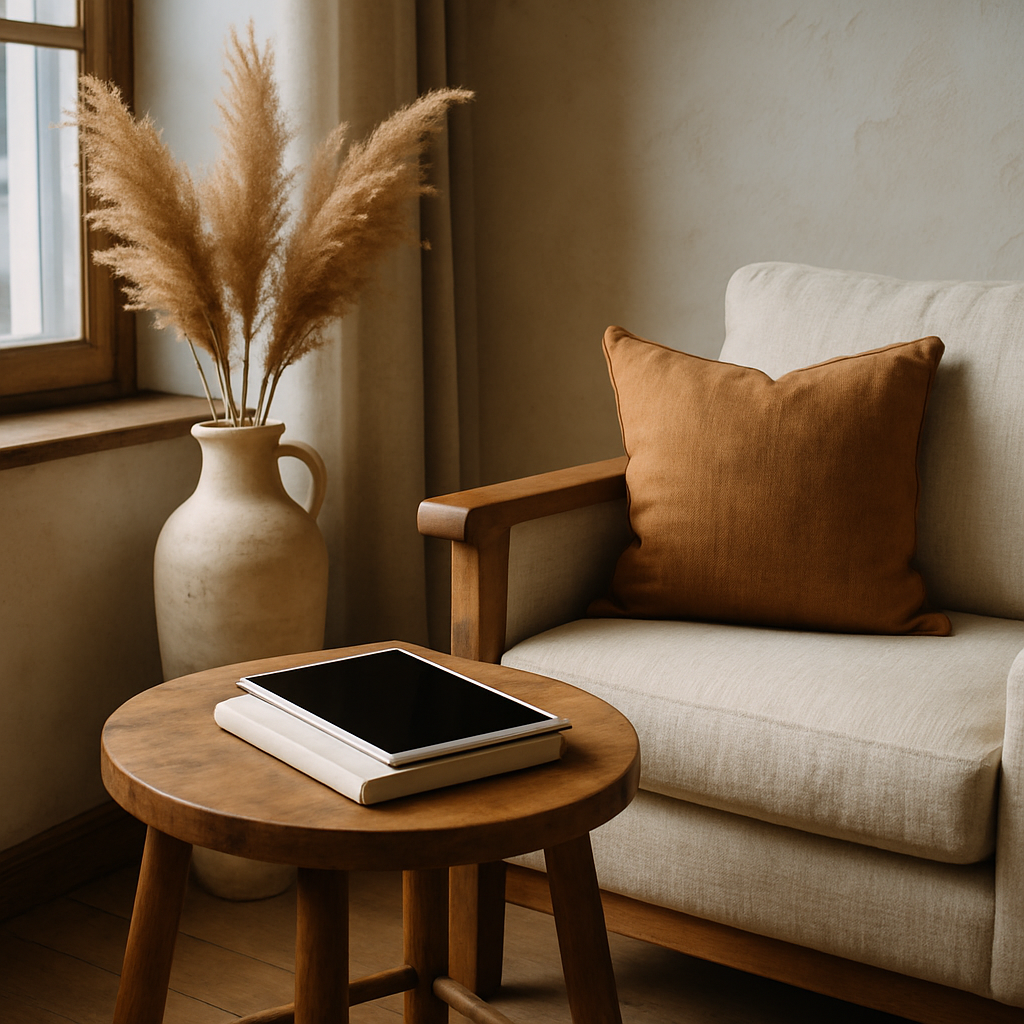
Imagine transforming a cramped, cluttered apartment into a sleek, functional living space without the need for a sledgehammer or a substantial budget. According to a Houzz survey, 58% of homeowners prioritize maximizing space in their renovation projects. This growing demand for efficiency has ushered in a new era of interior design tools. These apps are empowering users to envision, plan, and execute designs that maximize every square inch. In this article, we'll explore foundational concepts of space optimization, analyze data on the impact of these tools, delve into actionable strategies, provide expert-level insights, and examine additional depth through compelling case studies. By the end, you'll be equipped with the knowledge to transform your small home into a stylish and functional haven.
Understanding the Basics of Space Optimization
Space optimization begins with a comprehensive understanding of your existing environment. The first step is mapping out how each room is used on a daily basis. Consider where you drop your keys, where the kids do homework, and where you relax after a long day. This mapping helps identify areas of underutilization and potential for improvement. Experienced professionals often note that decluttering can reveal 10-20% more usable space instantly, which can be a game-changer in small homes.
Once you've established a baseline, the next phase involves assessing the vertical space. In small homes, walls are often overlooked as storage solutions. Installing shelves or using tall bookcases can free up floor space and draw the eye upward, creating an illusion of height. According to the American Society of Interior Designers (ASID), incorporating vertical storage solutions can increase the perceived space by as much as 15%.
Finally, furniture selection plays a crucial role. Opt for multi-functional pieces, such as ottomans with storage or fold-out dining tables. These not only serve dual purposes but also help maintain a clean and open look. The right choices in furniture can transform a congested area into a multi-use space without sacrificing style or comfort.
The Role of Interior Design Apps in Small Spaces
Interior design apps have revolutionized the way homeowners approach decorating and organizing small spaces. Platforms like Houzz and Sweet Home 3D allow users to visualize changes through augmented reality (AR), offering a clear picture of how different elements will fit and function in their homes. Houzz reports that users who employ AR tools in planning are 35% more satisfied with their renovations compared to those who don't.
These apps provide access to a wide range of furniture options, color palettes, and design styles, all of which can be mixed and matched to suit individual tastes and needs. By utilizing digital floor plans and 3D models, users can experiment with layouts and configurations without the physical labor or cost associated with trial and error. For small homes, this means you can maximize your space efficiently and effectively.
Moreover, interior design apps offer budgeting tools that track costs and suggest affordable alternatives. This feature is particularly beneficial for small home projects, where budget constraints are often more pronounced. Without the need for a professional designer, users can attain a high-end look at a fraction of the price, making these apps an invaluable resource for anyone looking to enhance their living environment.
Actionable Strategies for Using Design Apps
The first step in leveraging design apps is to take accurate measurements of your space. Ensure your dimensions are precise to prevent any mishaps during execution. Most apps, such as Roomstyler 3D Home Planner, allow you to input these measurements to create a digital replica of your home. This tool helps visualize the scale and proportion of potential furniture and decor choices.
Next, explore various design themes and color schemes that align with your personal style and the function of each room. Apps like Pinterest offer a wealth of inspiration and allow you to compile mood boards that can guide your design process. As you refine your choices, remember to prioritize functionality; consider how each piece will contribute to the overall flow and utility of the space.
Finally, take advantage of the community features many apps offer. Engaging with online forums and discussion groups can provide fresh insights and creative solutions you might not have considered. Whether you're seeking advice on maximizing closet space or selecting the perfect paint finish, these resources can offer valuable support and feedback.
Expert Insights on Maximizing Small Spaces
Certified interior designers, often holding credentials from the National Council for Interior Design Qualification (NCIDQ), emphasize the importance of lighting in small spaces. Proper lighting can significantly alter the perception of a room's size. Layered lighting, including ambient, task, and accent lighting, can create depth and dimension, counteracting the constraints of a small area.
Additionally, experienced professionals suggest incorporating mirrors to enhance natural light and create an illusion of expanded space. Strategic placement of mirrors can reflect windows or other light sources, effectively doubling the perceived size of a room. According to industry consensus, this technique can increase the brightness and openness of a space by up to 20%.
Another advanced strategy is to employ a neutral color palette. Light colors tend to make a space feel larger and more open. However, incorporating pops of color through accessories or accent walls can add personality without overwhelming the senses. This balance is crucial in maintaining a cohesive and inviting environment.
Exploring Additional Tools and Techniques
Beyond traditional design apps, more advanced technologies like virtual reality (VR) are making waves in interior design. Platforms such as SketchUp allow users to immerse themselves in a fully-rendered virtual model of their space. This level of interaction provides a deeper understanding of scale and flow, which is especially beneficial in small homes where every inch counts.
Moreover, smart home integrations are becoming increasingly popular. Automated lighting and climate control systems can be seamlessly incorporated into your design plans using apps like Philips Hue or Nest. These systems not only enhance comfort and convenience but also contribute to energy efficiency, a crucial consideration for modern living.
For those seeking sustainable solutions, apps that focus on eco-friendly materials and designs are invaluable. Platforms like Good On You provide insights into sustainable brands and practices, allowing you to make environmentally conscious choices without compromising on style or functionality.
Final Perspectives on Designing Small Homes
As we've explored, the intersection of technology and design offers unprecedented opportunities to maximize small spaces. By leveraging design apps and embracing innovative strategies, you can transform your home into a functional and stylish sanctuary. Have you considered which app might best fit your design goals?
Ultimately, the key to success lies in thoughtful planning and execution. With the right tools and a clear vision, even the smallest of spaces can be optimized to meet your lifestyle needs. As you embark on your design journey, remember that creativity and practicality can coexist beautifully in the world of interior design.
Conclusion: Take the Next Step in Your Design Journey
In conclusion, interior design apps are revolutionizing the way we approach small home design. By providing powerful visualization tools, budget management features, and access to a wealth of inspiration, these apps empower you to create spaces that are both functional and aesthetically pleasing. Ready to start transforming your home? Start by browsing portfolios on Houzz this week- even 20 minutes of research will sharpen your eye for what you want. Embrace the possibilities and watch your small space become a testament to innovation and design excellence.



Comments
Post a Comment