Maximize Small Spaces: Innovative Room Interior Design Tips You Need to Try
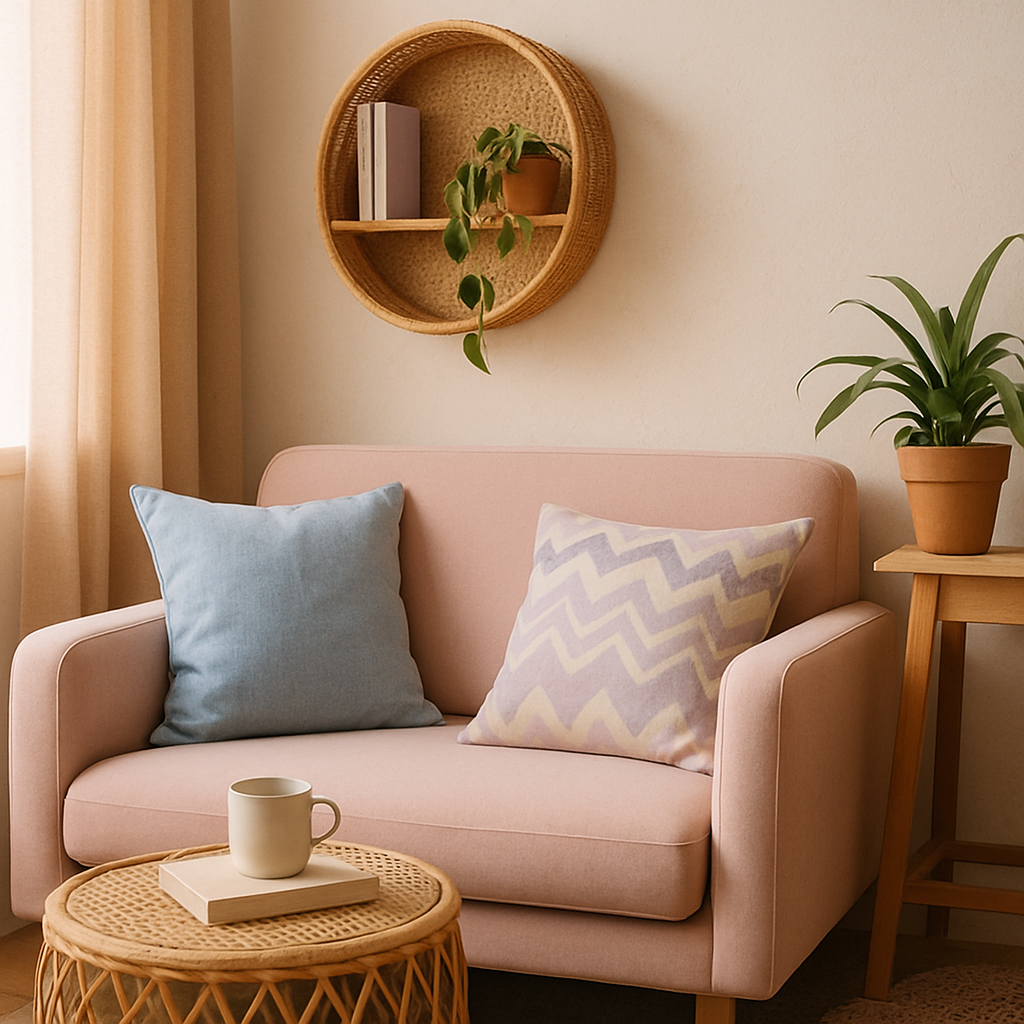
Living in a compact home does not mean sacrificing style, comfort, or functionality. Whether you occupy a studio apartment, a narrow townhouse, or simply want to make a spare bedroom work harder, the principles of small-space design can unlock potential you never knew existed. The American Society of Interior Designers (ASID) reports that demand for small-space consultations has grown by more than thirty percent over the past three years, reflecting a broader cultural shift toward intentional, downsized living. Designers certified through the National Council for Interior Design Qualification (NCIDQ) now routinely specialize in micro-environments, applying research-backed strategies to rooms under two hundred square feet. The goal is never merely to fit everything in; it is to create a space that breathes, functions, and delights. The following six sections will walk you through proven tactics--from furniture selection to color psychology--that professional designers use every day to transform cramped quarters into rooms that feel twice their actual size.
Rethinking Layout with Multifunctional Furniture
The single most impactful change you can make in a small room is choosing furniture that serves more than one purpose. A sofa that converts into a guest bed, a coffee table with hidden storage, or a wall-mounted desk that folds flat when not in use can reclaim square footage that fixed pieces would consume permanently. According to the International Interior Design Association (IIDA), multifunctional furniture reduces the average piece count in a room by forty percent while maintaining equivalent utility. This reduction in physical mass also improves traffic flow, which is critical in tight floor plans where every inch of clearance matters.
When selecting multifunctional pieces, prioritize build quality over novelty. A flimsy pull-out mechanism will frustrate you within weeks, whereas a well-engineered Murphy bed from a reputable manufacturer can last decades. Professional designers charging between and per hour will often steer clients toward modular systems--sectional sofas with reversible chaise components, nesting side tables, or ottomans with internal compartments--because modularity lets you reconfigure a room for different activities without buying new furniture. Have you considered how many separate tasks your living room needs to support in a single day? Mapping those activities on paper before shopping can prevent expensive mistakes.
Modular and convertible furniture pairs especially well with the Japandi aesthetic, which combines Japanese minimalism with Scandinavian warmth. This design philosophy favors low-profile, clean-lined pieces in natural wood tones--items that look intentional rather than cluttered. A Japandi-inspired room with two or three multifunctional pieces can feel remarkably spacious because the eye is drawn to open floor area and carefully curated surfaces. Understanding how furniture shapes perception is the first step; the next is mastering what happens on the walls and overhead.
Vertical Storage and the Power of Going Up
Floor space is finite, but wall space often goes underutilized. Vertical storage strategies--tall bookshelves, floating shelves, pegboard systems, ceiling-mounted pot racks--draw the eye upward and create the illusion of height while keeping surfaces clear. Houzz trend data consistently shows that homes with floor-to-ceiling storage score higher in buyer satisfaction surveys, even in compact footprints. The psychological effect is straightforward: when the floor is visible and unobstructed, the brain perceives a room as larger than its measurements suggest.
Installing vertical storage does not require a contractor. Floating shelves secured into studs, over-door organizers, and tension rod systems can be set up in an afternoon with basic tools. For renters who cannot drill into walls, freestanding ladder shelves and magnetic strips for kitchen knives offer damage-free alternatives. Designers featured on AD PRO recommend grouping storage by frequency of use: items needed daily at eye level, seasonal items near the ceiling, and decorative objects spaced between functional zones to break up monotony. The cost of a professional organizer to plan a vertical storage overhaul typically falls between and , a fraction of the ,000 to ,000 per-room budget that a full interior redesign commands.
Vertical thinking extends beyond shelves. Hanging planters introduce biophilic design elements--living greenery that purifies air and reduces stress--without sacrificing a single square inch of counter or floor space. Wall-mounted bike hooks, fold-down ironing boards, and retractable clotheslines all exploit the vertical plane. Once you internalize the habit of looking up for storage opportunities, you will start noticing wasted wall space everywhere. That awareness naturally leads to the next consideration: how color and light amplify or diminish the sense of openness in a room.
Color, Light, and the Illusion of Space
Paint is the least expensive tool with the greatest perceptual impact in interior design. Light, cool-toned colors--soft whites, pale grays, muted blues--reflect more ambient light than dark hues, making walls appear to recede and rooms feel more expansive. ASID guidelines recommend limiting a small room to a palette of two or three coordinated colors to avoid visual fragmentation, which can make a compact space feel chaotic. The quiet luxury trend embraces this restrained approach, favoring tone-on-tone layering where walls, upholstery, and textiles share a unified color family differentiated only by texture and sheen.
Natural light is the most flattering illuminant available, and maximizing it should be a design priority. Sheer curtains or Roman shades allow daylight to penetrate while maintaining privacy, whereas heavy drapes can halve the perceived brightness of a room. Where natural light is limited, layered artificial lighting--ambient overhead fixtures supplemented by task lamps and accent lighting--creates depth and eliminates the flat, shadowless look that makes small rooms feel sterile. Smart home integration now allows you to program lighting scenes that shift color temperature throughout the day, mimicking natural circadian rhythms and reducing eye strain during evening hours.
Mirrors amplify both natural and artificial light by bouncing photons across a room, effectively doubling the visual depth of a wall. A large mirror placed opposite a window is one of the oldest tricks in the design playbook, but it remains effective because the physics have not changed. Mirrored furniture, glass-top tables, and lucite chairs serve a similar purpose by reducing visual mass. How does the light move through your room at different times of day? Observing those patterns for a week before making design decisions will help you place reflective surfaces where they do the most good. With color and light optimized, the next frontier is making technology work seamlessly within your compact layout.
Smart Home Integration for Compact Living
Technology can eliminate physical clutter that no amount of clever furniture arrangement can solve. A single tablet mounted on the wall replaces a thermostat, intercom panel, light switch array, and music controller. Voice-activated assistants remove the need for remote controls scattered across surfaces. Smart plugs turn ordinary lamps into programmable fixtures, and motorized blinds eliminate bulky cord mechanisms. The IIDA has noted that smart home integration is now a standard consideration in residential design briefs, not an optional upgrade, because the space savings and convenience gains are too significant to ignore.
For small-space dwellers, the most impactful smart devices are those that consolidate functions. A smart speaker doubles as a white-noise machine, alarm clock, and kitchen timer. A robotic vacuum navigates under furniture while you sleep, eliminating the need to store a full-size upright model. Smart locks remove the key hooks and junk-drawer clutter associated with physical keys. When budgeting for smart home upgrades, expect to spend between and ,000 for a basic ecosystem covering lighting, climate, and security--an investment that many designers now fold into the standard 10 to 25 percent project management fee they charge on total renovation budgets.
AR and VR visualization tools have also changed how designers and homeowners plan small spaces. Apps like those featured on Houzz allow you to superimpose furniture models into a live camera view of your room, checking scale and proportion before committing to a purchase. This technology virtually eliminates the costly mistake of ordering a sofa that blocks a doorway or a dining table that leaves no room for chairs to pull out. Professional designers increasingly use VR walkthroughs to present layout options to clients, compressing what used to take weeks of back-and-forth into a single collaborative session. Technology handles the logistics; the next section addresses the materials that give a small space its character.
Sustainable Materials That Add Warmth Without Bulk
Material selection in a small room must balance aesthetics, durability, and visual weight. Heavy, dark materials--thick granite countertops, bulky leather recliners, dense wool rugs--can anchor a room in ways that feel oppressive when square footage is limited. Sustainable materials often solve this problem elegantly: bamboo flooring is lighter in both color and physical weight than traditional hardwood, reclaimed wood shelving carries character without the heft of new-growth timber, and recycled glass countertops offer translucency that stone cannot match. The NCIDQ exam now includes sustainability modules, reflecting the profession-wide recognition that material choices carry environmental and spatial consequences simultaneously.
Cork, linen, and organic cotton are excellent choices for soft furnishings in compact rooms. Cork wall tiles add texture and acoustic dampening--a genuine benefit in small apartments where sound bounces aggressively off hard surfaces--while weighing almost nothing. Linen curtains drape with an effortless elegance that heavier fabrics cannot replicate, and their natural irregularity aligns with the wabi-sabi acceptance of imperfection central to Japandi style. Organic cotton slipcovers in light tones keep seating looking fresh and can be machine-washed, an important practical consideration when furniture doubles as a dining bench or guest bed. Have you ever noticed how a room full of natural materials feels calmer than one dominated by synthetics? That response is rooted in biophilic design research showing that humans are neurologically wired to relax in the presence of organic textures.
When sourcing sustainable materials, look for certifications like FSC (Forest Stewardship Council) for wood products, OEKO-TEX for textiles, and Greenguard for low-emission finishes. These labels remove guesswork and ensure that your design choices support environmental responsibility without compromising indoor air quality. AD PRO regularly profiles manufacturers who specialize in sustainable, small-space-friendly product lines, making it easier than ever to find options that meet both your spatial constraints and your values. Materials set the tactile tone of a room; the final piece is organizing every remaining item so that nothing competes for attention.
Decluttering Systems That Actually Stick
No design strategy survives contact with clutter. The most beautifully appointed small room will feel cramped within weeks if incoming items outnumber outgoing ones. Professional organizers--many of whom work alongside ASID-certified designers--recommend a one-in-one-out rule as the simplest sustainable decluttering framework. Every new item that enters the home triggers the removal of an equivalent item, maintaining a stable inventory that the room was designed to accommodate. This principle is not about deprivation; it is about curation, choosing to surround yourself only with objects that earn their place.
Containerization is the organizational backbone of any small space. Assign every category of item--mail, chargers, grooming products, cleaning supplies--a specific container and a specific location. When a container is full, it signals that the category has reached capacity and something must be purged before anything new is added. Transparent containers work well in closets and utility areas because they eliminate the need to open and rummage, saving time and reducing the chaos of daily routines. Designers working on projects budgeted at ,000 to ,000 per room frequently allocate fifteen to twenty percent of that budget to custom storage inserts, drawer dividers, and built-in organizers because they know that organization infrastructure outlasts decorative choices.
Digital decluttering deserves equal attention. Replacing physical books with e-readers, paper files with cloud storage, and DVD collections with streaming subscriptions can liberate entire shelves for more impactful use. A single external hard drive replaces boxes of photo albums. A digital recipe app replaces a shelf of cookbooks. The cumulative effect of these swaps is substantial in rooms where every cubic foot matters. Building decluttering habits into your weekly routine--fifteen minutes each Sunday, for example--prevents the slow accumulation that overwhelms small spaces. With systems in place to maintain order, your compact home can remain as intentional and inviting as the day it was designed.
Conclusion
Maximizing a small space is a design discipline, not a compromise. By choosing multifunctional furniture, exploiting vertical storage, mastering color and light, integrating smart technology, selecting sustainable materials, and maintaining rigorous decluttering systems, you can create a compact home that rivals much larger spaces in both function and beauty. The principles outlined here are the same ones that NCIDQ-certified professionals apply daily, whether working on a two-hundred-square-foot studio or a modest guest room in a suburban house. Each strategy reinforces the others: vertical storage reduces furniture needs, light colors amplify the openness that decluttering creates, and smart technology consolidates the devices that would otherwise consume precious surface area.
Start with the section that addresses your most pressing frustration--storage, lighting, or clutter--and implement one change this week. Small spaces reward incremental improvements because every square foot you reclaim is immediately noticeable. If your needs are complex or your budget allows, consult a designer through ASID or IIDA referral networks; initial consultations often cost between and and can save thousands in avoided mistakes. What is the one corner of your home that frustrates you every single day? That is where your transformation begins. Take a photo of it right now, sketch your ideal version, and take the first step toward making it real.
More Articles You May Like



Comments
Post a Comment