Maximize Small Spaces: Clever Room Interior Design Ideas That Work Wonders
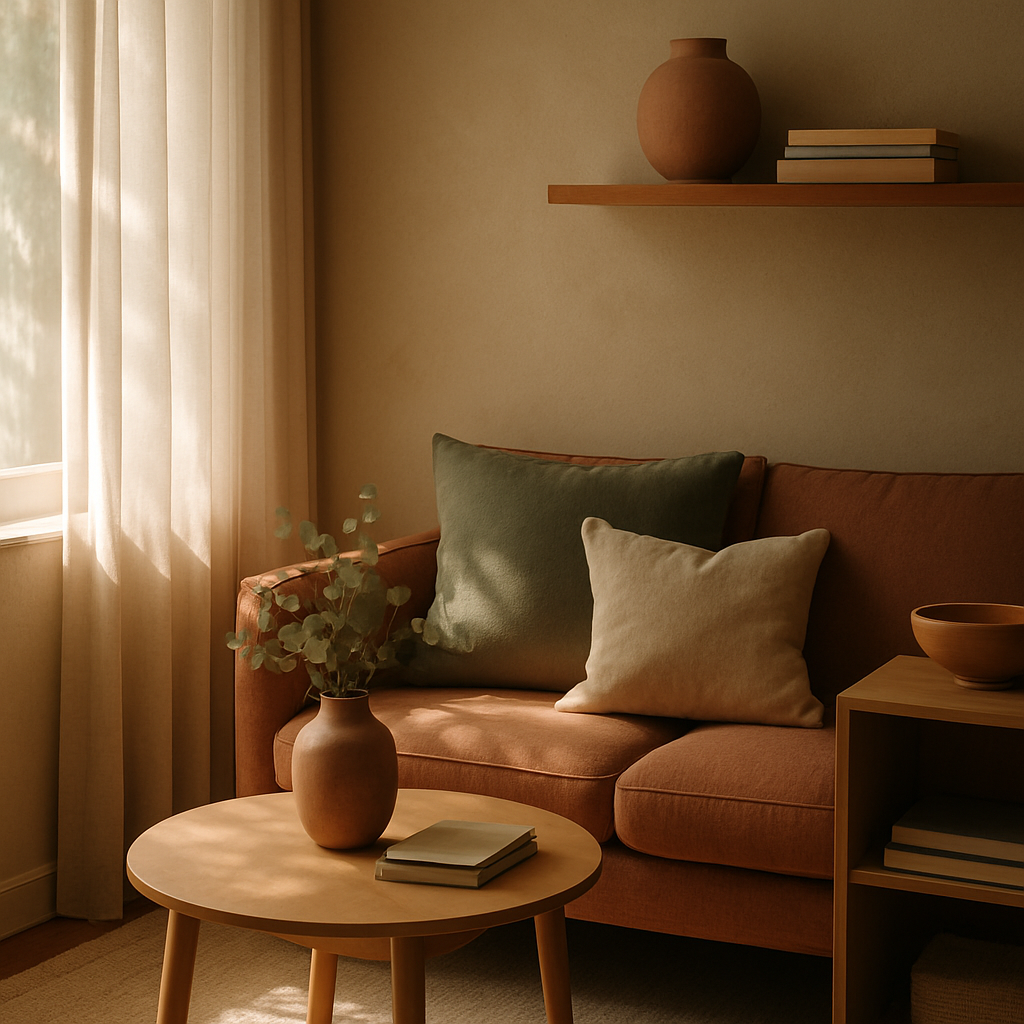
Why do some compact rooms feel like generous retreats while others of the same dimensions feel cramped and claustrophobic? The difference almost never comes down to square footage. It comes down to design intelligence, the strategic application of spatial planning, material selection, and visual psychology that professional designers use to make every room perform far beyond its physical measurements. Compact room design has become one of the fastest-growing specializations within the interior design profession, fueled by urban densification and a growing recognition that spatial quality matters more than spatial quantity. The International Interior Design Association (IIDA) has highlighted small-room expertise as a critical skill for emerging designers, noting that the constraints imposed by limited dimensions often produce the most creative and innovative solutions in the entire field. This guide will equip you with the clever ideas and professional techniques that transform small rooms from compromises into some of the most cherished spaces in your home.
Strategic Furniture Scaling Prevents the Cramped Effect
One of the most counterintuitive principles of small-room design is that bigger furniture can actually make a room feel larger. When homeowners attempt to compensate for limited floor area by filling the room with undersized pieces, the result is often a fragmented space cluttered with numerous small objects that the eye must process individually. A single properly scaled sofa, by contrast, anchors the room with visual clarity and reduces the total number of elements competing for attention. The American Society of Interior Designers (ASID) publishes guidelines on furniture-to-room proportions that consistently emphasize the importance of fewer, better-scaled pieces over many small ones. The key is selecting furniture with proportions that respect the room's dimensions while maintaining a sense of deliberate, confident design rather than timid compromise.
Leg visibility is another critical factor in furniture scaling for small rooms. Pieces with exposed legs, whether a sofa on tapered wooden legs, a side table on slender metal frames, or a bed on a visible base, allow the floor to flow visually beneath them, creating an unbroken floor plane that reads as more spacious than it actually is. Compare this with furniture that sits directly on the floor in a solid block, concealing the surface beneath and visually consuming more of the room's volume. This principle extends to storage furniture as well: a wall-mounted credenza or a floating bathroom vanity achieves the same storage capacity as a floor-standing unit while preserving the precious visual continuity of the floor surface.
Transparent and visually lightweight furniture materials offer another strategy for maintaining openness in compact rooms. A glass or acrylic coffee table occupies the same functional footprint as a solid wood one but allows light and sightlines to pass through it, reducing its visual impact to near zero. Wire-frame chairs, open-back shelving, and mesh or cane panel furniture all share this quality of functional presence with visual transparency. Designers certified by the NCIDQ often recommend mixing one or two transparent pieces into a small room's furniture plan to create breathing room without sacrificing utility. The goal is not to make furniture invisible but to create a hierarchy of visual weight where the most important pieces command attention while supporting pieces recede gracefully into the background.
Color and Finish Strategies That Open Up Rooms
Color exerts enormous influence over how the brain perceives the dimensions of a room, and understanding a few key principles can help you make any compact space feel significantly more generous. Light colors reflect more illumination than dark ones, which is why pale walls, ceilings, and flooring create an overall impression of airiness and expansion. However, the most effective small-room palettes go beyond simply painting everything white. A monochromatic approach, using varying tones and saturations of a single color family across walls, trim, ceiling, and even furniture, erases the visual boundaries that define a room's edges and creates an enveloping, boundary-dissolving atmosphere. AD PRO has featured numerous compact interiors where a fully monochromatic palette, whether in warm linen tones or soft sage greens, makes the room appear to extend beyond its actual walls.
Ceiling color is a frequently overlooked element that can dramatically alter the perceived height of a room. Painting the ceiling the same color as the walls, or even a shade lighter, eliminates the sharp horizontal line where wall meets ceiling and draws the eye upward into an undefined space that feels taller than it measures. Conversely, a ceiling painted darker than the walls creates a cozy, intimate effect that works beautifully in bedrooms or reading nooks where envelopment is more desirable than expansion. Glossy or satin ceiling finishes reflect light downward, adding an additional layer of luminosity that matte finishes cannot achieve. Research compiled by Houzz confirms that ceiling treatment is one of the most cost-effective interventions for altering spatial perception, yet it remains one of the least utilized by homeowners working without professional guidance.
Flooring continuity is equally important in small rooms and throughout compact homes. Using the same flooring material in connected spaces eliminates the visual interruptions that threshold changes create, allowing the eye to travel seamlessly from one room to the next and perceiving the combined area as a single, larger space. Where different flooring is necessary, such as tile in a bathroom adjacent to hardwood in a hallway, selecting materials with similar tonal values minimizes the visual disruption of the transition. Area rugs, when used in small rooms, should be large enough to extend beneath the primary furniture grouping, unifying the seating arrangement and the floor into a single visual unit rather than creating an isolated island of color floating in the middle of the room.
Mirror Placement and Reflective Surfaces Multiply Space
Mirrors are the most powerful and immediate tool available for expanding the perceived dimensions of any room. A large mirror placed on a wall perpendicular to a window captures incoming natural light and bounces it deeper into the space while simultaneously creating the illusion of a second room extending beyond the glass. This dual effect, amplified light plus doubled visual depth, is why virtually every professional small-space project includes at least one strategically placed mirror. The IIDA recommends positioning mirrors to reflect the most visually appealing element in the room, whether that is a window view, a piece of artwork, or an architectural feature, so that the reflection enhances rather than merely duplicates the existing environment.
Beyond wall-mounted mirrors, reflective surfaces can be integrated into furniture, fixtures, and finishes throughout a compact room. Mirrored side tables, glass-front cabinetry, polished metal light fixtures, and high-gloss lacquer surfaces all contribute to a light-bouncing effect that counteracts the visual density of small dimensions. A bathroom with a mirror wall behind the vanity, glass shower enclosure, and polished nickel hardware feels dramatically more spacious than one with matte finishes and opaque shower curtains, even when the footprint is identical. Have you ever noticed how hotel bathrooms, which are often quite compact, feel luxurious and spacious? The liberal use of reflective materials is one of the primary techniques hospitality designers employ to achieve that effect.
Strategic mirror placement requires consideration of what will not be reflected as much as what will. A mirror positioned opposite a cluttered shelf or an unattractive utility area will double the visual chaos rather than alleviating it. Similarly, mirrors placed directly opposite each other create an infinite regression effect that can feel disorienting rather than expansive. The most effective mirror placements capture natural light, beautiful views, or carefully arranged vignettes, creating the illusion that the room extends into a equally well-designed space beyond the glass. Leaning an oversized floor mirror against a wall, rather than mounting it flush, introduces an additional layer of depth and a relaxed, artistic quality that feels intentional and sophisticated rather than merely functional.
Clever Storage That Disappears Into the Architecture
In compact rooms, visible storage creates visual noise that makes the space feel smaller and more chaotic. The solution is to embed storage into the architecture of the room itself, creating concealed systems that keep belongings organized and accessible while maintaining the clean visual lines that small spaces demand. Built-in cabinetry with flush panel doors, push-latch closets that eliminate protruding handles, and recessed wall niches that serve as display shelves or book storage all exemplify this approach. ASID design standards for compact living emphasize that storage planning should begin during the architectural phase rather than being addressed as an afterthought with freestanding furniture, since built-in solutions use space far more efficiently than standalone pieces.
Underutilized zones within a room often represent the greatest opportunities for concealed storage. The space beneath a window seat, inside a hollow ottoman, above a doorway, behind a headboard panel, and within the risers of a staircase can all be converted into meaningful storage without consuming any additional floor area. Platform beds with gas-strut-assisted lids that lift to reveal the entire under-bed volume have become particularly popular in small bedrooms, offering the storage equivalent of a full chest of drawers without occupying any wall space whatsoever. Interior designers specializing in compact rooms, some charging at the upper end of the $150 to $500 per hour professional range, frequently develop custom storage solutions that are so seamlessly integrated into the room's architecture that visitors never suspect their presence.
Organization systems within concealed storage amplify their effectiveness. Drawer dividers, pull-out trays, lazy Susans, door-mounted racks, and adjustable shelf inserts ensure that the interior of every cabinet and closet is as thoughtfully designed as the room it serves. The quiet luxury movement has introduced a new standard for hidden storage interiors, with lined drawers, leather-wrapped shelf edges, and integrated LED lighting that activates when doors open. These details may seem extravagant, but they serve a practical purpose: storage systems that are beautiful and well-organized encourage consistent use, while messy, dark, undifferentiated storage cavities invite the accumulation of clutter that eventually spills out into the room. When the inside of your closets brings you the same satisfaction as the visible room, maintaining order becomes effortless rather than aspirational.
Lighting Techniques That Expand Small Rooms
Lighting design is one of the most transformative and underutilized strategies for making small rooms feel larger and more dynamic. The key principle is to distribute light across multiple sources and layers rather than relying on a single overhead fixture, which creates flat, shadowless illumination that actually emphasizes the boundaries of a small room. Wall-mounted sconces, under-cabinet strip lighting, recessed cove lights that wash the ceiling with indirect illumination, and table or floor lamps that create pools of warm light in specific zones all contribute to a layered lighting environment that adds visual depth and dimensionality. The NCIDQ certification curriculum dedicates substantial attention to lighting design for compact spaces, recognizing its outsized impact on spatial perception relative to cost.
Uplighting is particularly effective in rooms with low ceilings. Floor-mounted uplights positioned behind furniture or in room corners project light upward onto the ceiling, creating a luminous canopy that draws the eye up and makes the ceiling appear to float above the room rather than pressing down on it. Cove lighting, which is installed in a recessed channel where the wall meets the ceiling, achieves a similar effect by washing the ceiling plane with even, indirect light that eliminates the hard shadow line that defines the room's upper boundary. These techniques are staples of hospitality design, where compact hotel rooms must feel spacious and luxurious, and they translate directly to residential applications with equally impressive results.
Smart lighting systems add a technological dimension to small-room lighting design. Programmable scenes that shift lighting intensity, color temperature, and distribution throughout the day can make a single room feel like multiple distinct spaces depending on the time and activity. A morning scene with cool, bright task lighting energizes and focuses; an afternoon scene with balanced ambient light supports relaxation and conversation; an evening scene with warm, dimmed accent lighting creates intimacy and calm. By cycling through these scenes, a compact room transcends its physical limitations and offers the experiential variety that homeowners typically associate with larger homes containing dedicated rooms for each activity. Smart lighting transforms one room into many, and it does so without moving a single piece of furniture.
Biophilic Elements That Breathe Life Into Tight Spaces
Biophilic design principles are particularly powerful in compact rooms, where the psychological benefits of natural connections become even more valuable due to the inherent constraints of limited space. A small room that feels disconnected from the natural world can quickly become oppressive, while the same room enriched with living plants, natural materials, and daylight connections feels vibrant and restorative. Research supported by the IIDA indicates that biophilic elements in compact rooms produce even greater improvements in occupant wellbeing than they do in larger spaces, likely because the relative impact of each natural element is amplified when the room's total sensory environment is more concentrated.
Selecting the right plants for small rooms requires balancing aesthetic impact with spatial efficiency. Trailing plants like pothos, string of pearls, and philodendron can be hung from ceiling hooks or placed on high shelves, adding cascading greenery that occupies zero floor space. Compact upright plants like snake plants, ZZ plants, and small fiddle-leaf figs provide structural green accents without sprawling. Wall-mounted planters and magnetic pot systems allow herbs and small succulents to inhabit vertical surfaces that would otherwise sit bare. Houzz designers specializing in compact living consistently recommend a curated selection of three to five well-chosen plants over a random collection of many small ones, arguing that quality of greenery matters more than quantity for achieving genuine biophilic impact in tight spaces.
- Trailing plants such as pothos and philodendron for high shelves and ceiling hooks that add greenery without consuming floor area
- Compact uprights like snake plants and ZZ plants that provide structural presence in narrow corners
- Wall-mounted systems including magnetic pots and pocket planters for vertical biophilic impact
- Natural material accents such as driftwood sculptures, stone coasters, and woven baskets that bring organic texture into the room
Beyond living plants, natural materials serve as the foundation for biophilic room design. Wooden furniture with visible grain, stone accessories with natural veining, ceramic vessels with handmade irregularities, and textiles woven from natural fibers like linen, cotton, and wool all reinforce the connection to the organic world. In a compact room, where every surface and object carries outsized visual significance, choosing materials with natural authenticity ensures that the room feels grounded, warm, and alive rather than synthetic and manufactured. The Japandi design philosophy, which combines Japanese naturalism with Scandinavian warmth, offers an excellent framework for biophilic material selection in small rooms, prioritizing honest, unprocessed surfaces that age beautifully and reward close attention with their subtle complexity.
Flexible Layouts That Adapt Throughout the Day
The most effective compact rooms are not designed for a single function but engineered to transform throughout the day as activities and needs shift. A room that serves as a home office from nine to five, a yoga studio in the early evening, and a guest bedroom overnight requires furniture and spatial planning that support rapid, effortless transitions between configurations. Lightweight furniture that can be moved by a single person, wall-mounted fold-down surfaces that deploy and retract in seconds, and modular seating that reconfigures from work chair to lounge to bed all contribute to the adaptability that makes small rooms feel limitless in their capacity to support modern life.
The concept of temporal zoning, using time rather than space to separate functions, is central to flexible compact room design. Instead of dedicating permanent floor area to a desk, a dining table, and a reading chair, a single well-designed surface can serve all three functions at different times of day. A wall-mounted drop-leaf table that folds flat when not in use, a rolling cart that migrates between the kitchen and the living area depending on the meal, or a cushioned bench with hidden storage that functions as both seating and a coffee table exemplify this time-based approach to spatial organization. ASID practitioners increasingly recommend temporal zoning to clients in compact homes, noting that it aligns with the natural rhythms of daily life far better than the static, permanently configured rooms of conventional floor plans.
Technology supports flexible room layouts through motorized furniture, automated storage systems, and smart room configurations that can be activated with a voice command or a tap on a smartphone. Motorized Murphy beds that descend from the ceiling at the touch of a button, rotating TV mounts that swivel between the living area and the bedroom, and motorized room dividers that create or eliminate partitions within seconds are all available from specialty manufacturers. While these solutions require meaningful upfront investment, they effectively multiply the functional capacity of a room by two or three times, delivering a cost-per-function value that compares favorably with simply renting or purchasing additional square footage. In cities where property costs make expansion prohibitive, flexible room technology represents one of the smartest investments a homeowner can make.
Conclusion
The clever room interior design ideas presented in this guide demonstrate a fundamental truth about compact living: constraint breeds creativity, and creativity breeds spaces that are more thoughtful, more efficient, and often more beautiful than their larger counterparts. From strategic furniture scaling and monochromatic color strategies to disappearing storage and flexible layouts, each technique offers a way to reclaim perceived space, enhance daily functionality, and elevate the aesthetic experience of rooms that might otherwise feel limiting. Professional organizations including the IIDA, ASID, and NCIDQ recognize small-room design as a discipline that demands specialized knowledge, and the principles they champion are increasingly accessible to homeowners willing to approach their spaces with curiosity and intention. The next time you walk into the smallest room in your home, look at it not as a constraint but as a canvas waiting for your most inventive ideas. Which of these strategies will you implement first, and how will you measure its impact on your daily experience of the space? The wonders begin the moment you decide that every room, regardless of its dimensions, deserves to be extraordinary.
More Articles You May Like



Comments
Post a Comment