Mastering Minimalism: How to Elevate Room Interior Design on a Budget
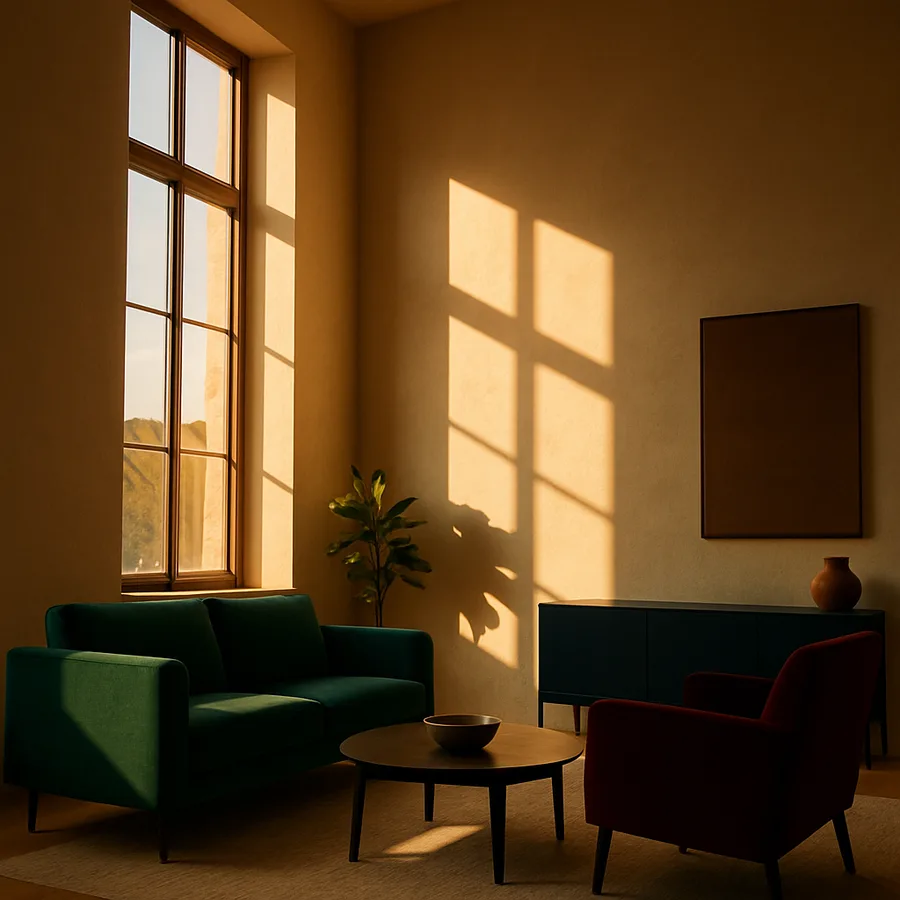
Minimalism in interior design is frequently misunderstood as merely owning less, but true minimalist design is about intentionally curating a space where every element serves a purpose and nothing competes for unnecessary attention. The American Society of Interior Designers (ASID) defines minimalist design as the deliberate reduction of visual noise to create environments that promote calm, clarity, and focus. Paradoxically, minimalism is one of the most budget-friendly design philosophies available because it fundamentally rejects the accumulation of excess -- you spend less because you need less, and what you do purchase is chosen with precision and care.
The financial appeal of minimalist design extends beyond simply buying fewer items. According to a comprehensive study cited by Houzz, homeowners who adopted minimalist design principles reported spending an average of 45% less on home furnishings and decor over a three-year period compared to those following trend-driven, accumulative design approaches. This savings comes not from deprivation but from the disciplined elimination of impulse purchases, redundant items, and decorative clutter that adds visual noise without contributing to the room's function or beauty. Minimalism asks you to invest thoughtfully in the things that matter most and release everything else.
This guide provides a comprehensive roadmap for mastering minimalist room interior design on a budget, from the philosophical foundations that inform every decision to the practical techniques that bring the aesthetic to life. Whether you are converting a cluttered, overwhelming space into a minimalist retreat or designing a new room from scratch, the principles here will help you create interiors that feel spacious, serene, and unmistakably intentional. Have you ever noticed how much lighter and clearer you feel after decluttering a single drawer or closet? Minimalist design extends that feeling to your entire living environment.
The Philosophy Behind Minimalist Interior Design
Understanding the philosophical roots of minimalist design prevents the common mistake of creating spaces that are merely empty rather than intentionally curated. Minimalism emerged as a design movement in the mid-twentieth century, influenced by Japanese aesthetic traditions that valued negative space (ma), natural materials, and the beauty of simplicity. The International Interior Design Association (IIDA) traces modern interior minimalism through the work of architects and designers who demonstrated that restraint itself could be a form of luxury -- that the absence of unnecessary elements reveals the beauty of those that remain. This distinction between empty and edited is the core principle that separates successful minimalism from rooms that simply feel unfinished.
The concept of "enough" is central to minimalist philosophy and directly relevant to budget-conscious design. Rather than asking "what more can I add?" minimalism asks "what is sufficient?" A single, well-chosen piece of artwork makes a stronger statement on a clean wall than a gallery of mediocre prints competing for attention. One beautiful throw blanket draped across a sofa is more impactful than a pile of mismatched pillows. The NCIDQ emphasizes that spatial awareness -- understanding how emptiness and objects interact within a room -- is a hallmark of skilled minimalist design. Each negative space in a minimalist room is as intentional as each occupied space, creating a visual rhythm of presence and absence that feels inherently restful.
Minimalism does not require asceticism or the elimination of personality from your living spaces. Warm minimalism, a widely embraced variation, incorporates natural materials, soft textures, and carefully chosen personal objects that bring warmth and character to otherwise spare environments. A minimalist bedroom might feature nothing but a low platform bed, two nightstands, a single pendant light, and one meaningful piece of art -- but if each item is beautiful, well-made, and personally significant, the room communicates far more personality than a cluttered alternative. The discipline lies not in having nothing but in ensuring that everything present has earned its place.
The Strategic Decluttering Process
Decluttering is the essential first step in any minimalist design transformation, and approaching it strategically rather than emotionally yields the most sustainable results. Begin with the rooms where you spend the most time, as clearing these spaces delivers the most immediate improvement to your daily experience. Remove everything from the room's surfaces -- tables, shelves, countertops, floors -- and place it all in a staging area outside the room. This complete reset allows you to see the room's architectural bones clearly, perhaps for the first time in years, and provides the blank canvas from which thoughtful minimalist design begins.
The ASID recommends a three-category sorting system for every item removed from the room: essential (used regularly and contributes to the room's function), meaningful (carries significant personal or aesthetic value), and excess (everything else). Essential items return to the room in their optimal positions. Meaningful items are evaluated individually -- does this object bring genuine joy or significance, or has it merely been present so long that letting go feels uncomfortable? Excess items are donated, sold, or recycled. This process is not about deprivation; it is about liberation from the visual weight of objects that no longer serve your life. Research shared by the IIDA indicates that people consistently underestimate how much visual stress cluttered environments create until they experience the relief of decluttered spaces firsthand.
Maintaining a minimalist space requires ongoing intentionality, not just a single dramatic purge. Adopt the "one in, one out" rule: every new item that enters a room must be accompanied by the removal of an existing item. This simple constraint prevents the gradual reaccumulation of clutter that undermines most decluttering efforts within months. Schedule seasonal reviews of each room to reassess whether every item still earns its place. Are there items you have not used or appreciated since your last review? These are candidates for release. Minimalism is not a destination but an ongoing practice of conscious curation.
Investing in Quality Essentials Over Quantity
The minimalist approach to furniture purchasing inverts the conventional budget strategy: instead of buying many affordable pieces, invest in fewer, higher-quality items that will last decades and bring daily satisfaction. A single well-constructed sofa in a beautiful, durable fabric will serve you better for fifteen years than three cheap sofas replaced every five years -- and will likely cost less in total over that period. The NCIDQ certification training emphasizes that material quality and construction integrity are visible at a glance in minimalist interiors, where each piece stands independently without the visual camouflage of surrounding clutter. In minimalist rooms, quality is exposed and celebrated, while in cluttered rooms, it is hidden and wasted.
Identifying quality in furniture requires attention to construction details that mass-market retailers often obscure. Solid hardwood frames joined with mortise-and-tenon or dowel construction outlast particleboard frames held together with staples and glue by decades. Eight-way hand-tied spring seats in sofas provide superior comfort and longevity compared to sinuous wire or foam-only alternatives. Genuine leather, high-thread-count linen, and performance fabrics woven from solution-dyed fibers maintain their appearance through years of daily use, while cheap polyester blends pill, fade, and stretch within months. Houzz's professional directory includes craftspeople and retailers who specialize in quality furniture at various price points, making it easier to find well-made pieces without paying luxury markup.
Budget-friendly paths to quality furniture include second-hand shopping for solid vintage pieces, waiting for sales on investment items, and allocating your spending strategically. Not every piece in a minimalist room needs to be top-tier -- a simple, affordable side table from a basic retailer serves its function perfectly well beside a carefully chosen quality sofa. Prioritize your spending on the items you will touch, sit on, and look at most frequently. Your bed, your primary seating, and your dining table warrant the largest portion of your budget. Everything else can be sourced more affordably without compromising the room's overall quality impression. What single piece of furniture in your home gives you the most daily pleasure, and does its quality match its importance?
Mastering the Minimalist Color Palette
Color in minimalist design serves a fundamentally different role than in maximalist or eclectic interiors, functioning as a calming backdrop rather than a source of visual stimulation. The classic minimalist palette centers on warm whites, soft grays, and natural wood tones, creating a serene canvas that allows light, texture, and form to take center stage. The ASID notes that minimalist palettes typically contain no more than three to four colors total, with one dominant neutral occupying the vast majority of visual space and accent colors appearing in carefully measured doses. This restraint creates the visual quiet that defines minimalist environments.
Warm minimalism, the predominant current interpretation, replaces the cold, stark whites of earlier minimalism with warmer tones that invite comfort rather than admiration. Creamy whites with yellow or pink undertones, warm grays that lean toward taupe, and natural materials in honey, caramel, and walnut tones create spaces that feel soft and welcoming while maintaining minimalism's essential simplicity. Paint remains the most budget-friendly tool for establishing a minimalist palette -- a gallon of warm white paint and a weekend of work can transform a visually chaotic room into a serene retreat. Consider painting walls, ceiling, and trim in the same warm white to create an enveloping, seamless effect that maximizes spatial perception.
When introducing accent colors into a minimalist palette, restraint and intentionality are paramount. A single terracotta vase on a white shelf, a sage green throw on a cream sofa, or a midnight blue piece of artwork on a pale wall -- these isolated moments of color carry enormous visual weight precisely because they stand alone. The IIDA advises that accent colors in minimalist interiors should be drawn from natural sources -- earth tones, sky tones, stone tones, and plant tones -- to maintain harmony with the organic materials that typically furnish minimalist spaces. Avoid trendy or artificial-feeling accent colors that will date the space; nature-derived hues possess a timelessness that aligns with minimalism's emphasis on enduring design.
Lighting and Space as Design Elements
In minimalist interior design, light and space themselves become active design elements rather than mere conditions in which other elements exist. Natural light is the most valued resource in a minimalist room, as it reveals the subtle textures, gentle shadows, and quiet beauty that define the aesthetic. Remove heavy curtains and replace them with sheer panels or clean-lined blinds that control light without blocking it. The ASID consistently ranks natural light access as one of the top three factors influencing occupant satisfaction in residential spaces, and minimalist design maximizes this satisfaction by removing the visual obstructions that prevent light from reaching every corner of the room.
Artificial lighting in minimalist spaces should be as intentional and uncluttered as the furnishings themselves. A single architecturally significant pendant light, a clean-lined floor lamp with a warm-toned shade, or recessed lighting with dimmer controls provides illumination without visual clutter. The fixture itself becomes a sculptural object in the room, its form as important as its function. Avoid the common mistake of relying solely on overhead lighting, which creates flat, institutional-feeling illumination. Even in minimalist interiors, layered lighting -- a combination of ambient, task, and accent sources -- creates the depth and warmth necessary for a space to feel livable rather than sterile.
Empty space, often called negative space, is the defining feature that distinguishes minimalist design from simply sparse design. In a minimalist room, the open area between a sofa and a wall, the bare expanse of a countertop, or the unoccupied stretch of floor between furniture groupings are all intentional design decisions that contribute to the room's sense of calm and clarity. These empty zones give the eye a place to rest, create breathing room for the objects that are present, and make the room feel more spacious than its actual square footage might suggest. How does the amount of empty space in your rooms make you feel -- liberated or uncomfortable? Your answer reveals whether minimalism aligns with your natural design sensibility.
Texture and Material as Sources of Visual Interest
Without the visual variety provided by color and pattern, minimalist interiors rely heavily on texture and material to create interest and prevent monotony. A room executed entirely in smooth, flat surfaces of a single color would feel cold and lifeless regardless of how carefully it was composed. The magic of minimalist design lies in the interplay of different textures within a restricted palette -- rough linen against smooth leather, matte ceramic beside polished wood, woven jute contrasting with brushed concrete. The NCIDQ recognizes texture manipulation as an advanced skill that elevates competent minimalist design into something truly remarkable.
Natural materials provide the richest textural vocabulary for minimalist interiors because they carry inherent variation that manufactured surfaces lack. A solid oak dining table displays grain patterns, knots, and tonal variations that make its surface endlessly interesting up close, while a laminate alternative presents a uniform, lifeless appearance. Linen upholstery develops a soft, lived-in drape over time that polyester can never replicate. Stone surfaces carry geological stories in their veining and mineral deposits. These natural textures engage the senses -- visual and tactile alike -- without introducing the visual noise that pattern and color would create in a minimalist context.
Budget-friendly texture can be introduced through textiles, which offer the most affordable and easily changeable source of tactile variety in any room. A chunky knit throw blanket, a woven jute rug, a linen duvet cover, and a rough-hewn wooden bowl placed together on a neutral backdrop create a rich sensory landscape for very little investment. Thrift stores and vintage shops frequently carry natural-fiber textiles at a fraction of retail prices, and learning basic sewing skills opens up the possibility of creating custom pillow covers, curtain panels, and table linens from affordable fabric yardage. The minimalist approach to textiles mirrors its approach to everything else: fewer pieces, better quality, more intentional selection, and a willingness to let each item be fully appreciated rather than lost in a crowd.
Conclusion
Mastering minimalist room interior design on a budget is ultimately about shifting your relationship with your living environment from one of accumulation to one of curation. By understanding minimalism's philosophical foundations, decluttering strategically, investing in quality essentials, maintaining a restrained color palette, using light and space as active design elements, and relying on texture and natural materials for visual interest, you can create rooms that feel spacious, serene, and genuinely luxurious without excessive spending. The guidance from ASID, IIDA, NCIDQ, and Houzz consistently demonstrates that the most admired minimalist interiors achieve their beauty through restraint and intentionality rather than expensive purchases.
Begin your minimalist transformation today by selecting one room and one strategy from this guide. Perhaps start with the decluttering process, which costs nothing but time and immediately reveals the potential hidden beneath years of accumulated objects. Or invest in a single quality piece that will anchor your room's new direction. Whatever your starting point, approach the process with patience and trust -- minimalism is a practice that deepens over time, and the calm, clear, purposeful spaces it creates are worth every moment of thoughtful effort. Take the first step this weekend, and discover the freedom that comes from designing with less.
More Articles You May Like



Comments
Post a Comment