Living Room Trends: How to Elevate Your Interior Design Game
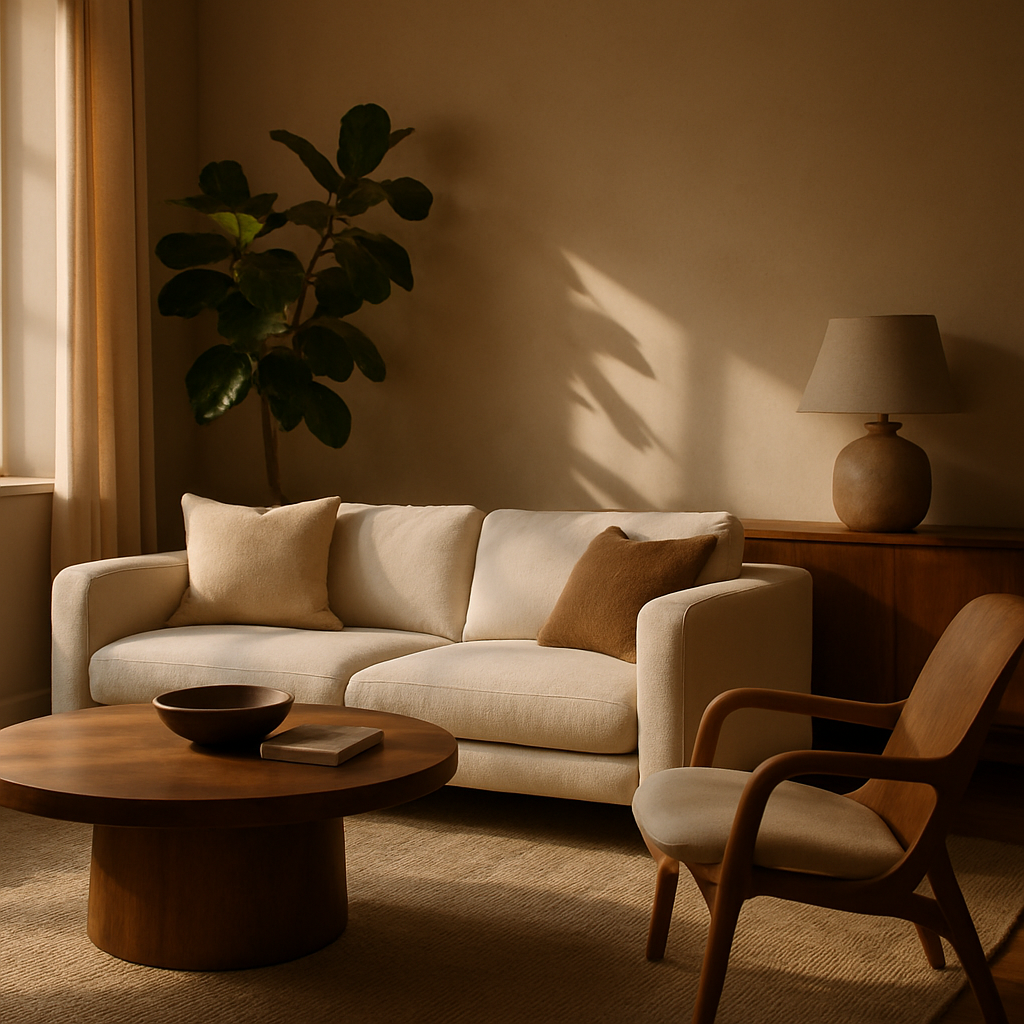
Living room design has undergone a fundamental recalibration, shifting away from the performance-oriented aesthetics of social media stagecraft and toward spaces that prioritize genuine comfort, emotional warmth, and long-term livability. The trends shaping living rooms today reflect broader cultural movements: a desire for sustainability, a rejection of disposable fast-furniture culture, and a renewed appreciation for craftsmanship and natural materials. The American Society of Interior Designers (ASID) noted in its annual outlook report that 73 percent of surveyed designers identified "comfort-first design" as the dominant client request, surpassing style, trend alignment, and resale value for the first time in the survey's history. This shift has produced a cohort of trends that are less about visual shock and more about creating rooms that feel as good as they look. What follows is a detailed examination of the movements reshaping living room interiors, with practical guidance on integrating each into your own home, whether you are undertaking a full renovation or refreshing a room with strategic updates.
Quiet Luxury and the Art of Understated Elegance
Quiet luxury has migrated from the fashion world into residential interior design with remarkable speed, redefining what "high-end" looks like in the living room. The concept rejects conspicuous branding and flashy materials in favor of exceptional quality that reveals itself through texture, proportion, and craftsmanship rather than logos or bright colors. In practical terms, a quiet luxury living room might feature a sofa upholstered in heavyweight Belgian linen rather than logo-patterned fabric, a coffee table milled from a single slab of walnut rather than a gilded reproduction, and drapery panels that puddle slightly on the floor in a gesture of deliberate ease. The materials cost more per yard or per square foot, but the visual effect is one of restraint and confidence, a room that does not need to announce its value because the quality speaks through direct experience.
Architectural Digest's AD PRO editorial team has identified quiet luxury as the trend with the most longevity potential because it aligns with sustainable consumption: investing in fewer, better pieces that endure rather than cycling through disposable trends every two years. The color palette associated with quiet luxury skews toward warm neutrals (cream, stone, camel, mushroom, and warm gray) applied in tonal layers where subtle value shifts replace bold color contrasts. Metallic accents, when present, favor unlacquered brass, aged bronze, or brushed nickel over polished chrome or gold plate. These metals develop a patina over time that enriches the room's character rather than degrading its appearance, reinforcing the principle that quiet luxury improves with age. The NCIDQ-certified designers driving this trend emphasize that material selection is the primary investment: allocating 60 to 70 percent of the furniture budget to the sofa and primary seating, where quality directly impacts daily comfort, and economizing on secondary pieces like side tables and accessories.
Adopting quiet luxury does not require a limitless budget. The principles can be applied at any price point by prioritizing solid construction over surface decoration, natural fibers over synthetics, and simple silhouettes over ornate profiles. A $1,200 linen-blend sofa from a direct-to-consumer brand embodies quiet luxury more convincingly than a $3,000 sofa wrapped in trendy printed fabric that will feel dated in three years. The key is editing: removing objects and furnishings that do not meet the standard of quality, comfort, or intentionality, and allowing the remaining pieces room to breathe. A living room with fewer, better objects feels both more luxurious and more comfortable than one crowded with items chosen for their Instagram appeal. How many objects in your living room would you select again if you were starting from an empty room today? That honest assessment is the first step toward a quieter, more elevated space. Quiet luxury sets the tonal foundation, and the next trend amplifies its warmth by reintroducing curves into a furniture landscape long dominated by sharp right angles.
Curved and Organic Furniture Forms
The straight-line modernism that dominated furniture design for the past decade is giving way to softer, rounder silhouettes that echo the organic shapes found in nature. Curved sofas, kidney-shaped coffee tables, arched bookcases, and rounded armchairs are appearing in designer showrooms and mass-market retailers alike, driven by a desire for forms that feel welcoming rather than austere. Houzz's 2024 furniture trend data shows that searches for "curved sofa" increased 142 percent year over year, making it the fastest-growing furniture search term on the platform. The appeal is both aesthetic and physiological: curved forms lack the sharp edges and rigid geometry that the human visual system associates with manufactured environments, and their flowing lines create a sense of movement and warmth that rectangular furniture cannot replicate.
From a spatial perspective, curved furniture softens room boundaries and improves traffic flow. A curved sofa in a large living room creates a gentle enclosure that defines the seating area without the visual wall that a straight-back sectional erects. In a smaller room, a round coffee table eliminates the protruding corners that a rectangular table presents, reducing bruised shins and making the space feel more open. The IIDA has noted that curved furniture performs particularly well in open-plan living areas where the kitchen, dining, and living zones flow together without walls, because the rounded forms create implied boundaries that guide movement and establish distinct functional zones. A crescent-shaped sofa facing the fireplace, for instance, separates the living area from the dining zone behind it without requiring a room divider or a change in flooring material.
Integrating curved pieces into an existing living room requires attention to balance. A single curved element, such as a round ottoman or an arched floor mirror, introduces the organic trend without overwhelming a room full of rectilinear furniture. For a more committed transformation, pairing a curved sofa with a rectangular rug and angular side tables creates tension between organic and geometric forms that keeps the eye engaged. The Japandi aesthetic embraces this interplay, combining the clean geometry of Scandinavian design with the flowing naturalism of Japanese craft. Budget considerations vary widely: a statement curved sofa from a mid-range manufacturer runs $2,000 to $5,000, while accent pieces like a round side table or an arched bookshelf start under $500. The investment in even one curved piece shifts the room's personality measurably toward warmth and approachability. Curved forms soften the physical environment, and the next major trend extends that softening to the relationship between interior spaces and the natural world.
Biophilic Design as a Living Room Standard
Biophilic design has evolved from a niche concept discussed primarily in commercial architecture to a mainstream residential practice that the ASID now includes in its standard design competencies. The approach is grounded in the biophilia hypothesis, which holds that humans possess an innate affinity for natural environments and that incorporating natural elements into built spaces measurably improves well-being. A 2023 meta-analysis published in the International Journal of Environmental Research and Public Health found that biophilic interior interventions reduced self-reported stress by an average of 18 percent and improved cognitive performance by 14 percent across 32 studies conducted in residential and office settings. These are not marginal effects; they represent a meaningful shift in daily quality of life achieved through design decisions rather than pharmaceutical or behavioral interventions.
In the living room, biophilic design manifests through multiple channels. Living plants are the most obvious expression, from a large fiddle-leaf fig anchoring a corner to trailing pothos cascading from a high shelf, but the approach extends well beyond greenery. Natural materials, including solid wood, stone, wool, cotton, linen, jute, and leather, bring the textures and color variations of the outdoor world indoors. Natural light, maximized through sheer window treatments and reflective surfaces, connects occupants to the daily rhythm of sunrise and sunset. Views of nature, even a modest garden or a single street tree visible through a window, provide the visual connection to living systems that biophilic theory identifies as essential. Pattern and form drawn from nature, such as branching light fixtures, leaf-print textiles, or fractal-patterned tile, engage the visual system in the same way that a walk through a forest does, activating the relaxation response without conscious effort.
Water elements, acoustic references to nature (such as a white-noise machine tuned to rainfall or forest sounds), and natural ventilation that brings fresh air and seasonal scents into the room complete the biophilic toolkit. The cost of implementing biophilic design varies from nearly free (opening curtains, rearranging furniture to face a window) to moderately expensive (installing a living plant wall at $100 to $300 per square foot), but the most impactful interventions tend to be the simplest. Adding three to five plants to a living room that previously had none, replacing synthetic cushion covers with linen or cotton, and rearranging seating to face a window collectively achieve most of the stress-reduction benefit documented in the research, at a total cost of a few hundred dollars. Have you evaluated how much natural light your living room actually receives throughout the day, and whether your furniture arrangement takes advantage of it or turns away from it? That assessment often reveals quick wins that dramatically increase the room's biophilic quotient. Nature brings vitality, and the next trend brings intelligence: the integration of smart home technology into the living room experience.
Smart Home Integration for Seamless Living
Smart home technology has matured beyond novelty gadgetry into a genuine design tool that enhances comfort, convenience, and energy efficiency in the living room. Voice-controlled lighting systems allow occupants to shift the room's mood without leaving the sofa, transitioning from bright task lighting during the afternoon to warm ambient glow in the evening with a single command. Smart thermostats learn usage patterns and adjust temperature proactively, maintaining the living room at an optimal comfort level while reducing energy consumption by an average of 10 to 15 percent, according to data from the U.S. Department of Energy. Motorized window treatments controlled by smartphone or schedule open automatically at sunrise and close at sunset, maximizing natural light during the day and insulating the room after dark. These systems operate invisibly, enhancing the living experience without adding visual clutter or requiring constant manual adjustment.
The ASID's 2024 technology integration survey found that 61 percent of designers now specify smart home components as standard elements in living room projects, up from 29 percent in 2020. The most commonly specified systems are smart lighting (89 percent of respondents), smart speakers with voice assistants (72 percent), and automated window treatments (48 percent). The design challenge with smart technology is concealment: wires, hubs, sensors, and speakers must be integrated into the room's architecture without disrupting the aesthetic. Built-in speakers that sit flush with the wall or ceiling, smart light switches that match the room's hardware finish, and sensor-equipped lamps that appear identical to their analog counterparts all preserve the design intent while delivering smart functionality. AR and VR tools used by contemporary designers allow clients to visualize the placement of technology components before installation, ensuring that every device has a home that is both functional and invisible.
For homeowners entering the smart home ecosystem for the first time, a phased approach minimizes complexity and cost. Phase one, typically under $500, covers smart bulbs for existing lamps, a voice assistant, and a smart plug for one or two devices. Phase two adds a smart thermostat ($200 to $400) and a set of automated window shades ($300 to $800 per window). Phase three integrates a whole-home system with centralized control and custom programming, typically requiring professional installation at $2,000 to $8,000 depending on scope. Each phase delivers immediate comfort improvements and prepares the infrastructure for the next, so there is no wasted investment. The key principle is that technology should serve the room's human occupants, not the other way around; if a smart feature requires more effort to operate than it saves, it belongs in a different product category. Technology manages the environment, but the surfaces and materials within the room determine its visual character, which brings the discussion to the resurgence of artisanal and handcrafted elements in living room design.
The Return of Artisanal Craft and Handmade Objects
As mass production and AI-generated design proliferate, a counter-movement celebrating human craftsmanship has gained significant momentum in living room interiors. Handmade ceramics, hand-woven textiles, hand-stitched leather, and hand-carved wood carry the irregularities and character that machine-made objects lack, and these imperfections are precisely what makes them compelling in a living room context. The Japanese concept of wabi-sabi, finding beauty in imperfection and transience, has crossed into mainstream Western design vocabulary, giving homeowners permission to value a slightly uneven glaze on a pottery vase or a visible knot in a hand-planed wooden shelf. The IIDA's 2024 Residential Trends report highlighted artisanal craft as a "defining counter-trend" to the algorithmic homogeneity of social media-driven design, noting that handmade objects create emotional attachment that factory products rarely achieve.
Sourcing artisanal pieces has become easier as online marketplaces connect consumers with independent makers worldwide. Platforms dedicated to handmade goods offer everything from hand-thrown ceramic lamp bases to hand-loomed wool throws, often at price points that compete with mid-range mass-market alternatives. Local craft fairs, artist cooperatives, and design-focused boutiques provide the additional benefit of a direct relationship with the maker, which enriches the story associated with each object. A hand-blown glass vase purchased from the artist who made it carries a narrative that no department-store equivalent can match, and that narrative contributes to the living room's emotional depth every time the object is noticed. Interior designers affiliated with ASID and IIDA increasingly maintain networks of artisan contacts and commission custom pieces for clients, an approach that produces truly one-of-a-kind rooms.
Integrating artisanal objects into a living room follows the same curatorial discipline discussed throughout this guide: select fewer pieces of higher quality and give each one enough space to be appreciated individually. A single handmade ceramic bowl on a coffee table communicates craftsmanship more effectively than a shelf crowded with ten factory-made decorative objects. A hand-knotted rug, while more expensive at $2,000 to $10,000 than a machine-made alternative, becomes the room's aesthetic anchor and improves with age as foot traffic softens its fibers and deepens its patina. Budget-conscious homeowners can begin with a single artisanal accent, a hand-poured candle, a block-printed cushion cover, or a small pottery piece, and build the collection over time as budget and discovery allow. The cumulative effect of these intentional additions transforms the living room from a space that looks designed into one that feels inhabited, which is the ultimate measure of successful interior design. Artisanal craft celebrates the human hand, and the final trend brings all of these threads together into a cohesive philosophy of sustainable, enduring design.
Sustainable Design and Long-Term Thinking
Sustainability has evolved from an optional add-on to a core design criterion that influences material selection, furniture sourcing, and renovation strategy in the contemporary living room. The Houzz 2024 sustainability report found that 64 percent of homeowners considered environmental impact when purchasing living room furniture, up from 38 percent in 2019. This shift reflects growing awareness that the furniture and home goods industry is a significant contributor to landfill waste and carbon emissions, and that individual purchasing decisions have collective consequences. Sustainable living room design operates on three principles: choose materials with lower environmental impact, invest in durability to reduce replacement frequency, and source from manufacturers with transparent and ethical production practices. These principles align naturally with the quiet luxury and artisanal craft trends already discussed, creating a coherent design philosophy rather than a collection of disconnected preferences.
Material choices drive the sustainability of a living room more than any other factor. FSC-certified wood ensures that timber products come from responsibly managed forests. OEKO-TEX-certified textiles guarantee freedom from harmful chemicals. Recycled-content metals and glass reduce the demand for virgin materials. Natural fibers like wool, linen, cotton, and jute biodegrade at end of life, unlike synthetic polyester and acrylic, which persist in landfills for centuries. The ASID has developed sustainability guidelines that NCIDQ-certified designers can reference when specifying materials for residential projects, providing a professional framework for choices that might otherwise feel overwhelming to homeowners navigating the market independently. Vintage and secondhand furniture represents the most sustainable option of all, since it extends the useful life of existing materials without any new manufacturing. A vintage mid-century credenza or a secondhand leather club chair brings character, quality, and environmental responsibility into the living room simultaneously.
Durability is the sustainability dimension most often overlooked because it operates over years rather than at the point of purchase. A sofa built with a kiln-dried hardwood frame, eight-way hand-tied springs, and high-density foam cushions will last 15 to 20 years with proper care, while a fast-furniture sofa with a particleboard frame and low-density foam may need replacement in three to five years. Over a 20-year period, the durable sofa, even at three times the initial cost, proves less expensive per year of service and generates a fraction of the landfill waste. This calculation applies to every major living room purchase: a quality rug, a solid wood coffee table, and a well-built bookshelf all amortize their higher upfront cost over decades of reliable use. Interior designers typically charging $150 to $500 per hour can guide these long-term investment decisions, helping clients distinguish between genuine durability indicators and marketing claims. The sustainable approach to living room design is not about sacrifice or deprivation; it is about redirecting spending toward objects and materials that deliver lasting value. A room designed with this mindset becomes more beautiful and more comfortable over time, the opposite trajectory from a room filled with disposable trend pieces that degrade within a few years of purchase.
Conclusion
The living room trends reshaping interior design today share a common thread: they prioritize depth over novelty, substance over spectacle, and longevity over disposability. Quiet luxury teaches restraint and material quality. Curved furniture softens the built environment toward human comfort. Biophilic design reconnects interior spaces with the natural world. Smart technology enhances daily convenience without visual compromise. Artisanal craft celebrates the human hand in an increasingly automated world. Sustainable design extends these values across time, ensuring that the choices made today continue to serve and satisfy for years to come. Organizations like ASID, IIDA, NCIDQ, and Houzz provide the professional resources and research that ground these trends in evidence rather than speculation. To begin elevating your own living room, select the single trend from this guide that most resonates with your current needs and lifestyle. Commit to one meaningful change this month, whether it is adding a plant, replacing a harsh overhead light with a warm table lamp, or swapping a synthetic throw for a wool one. Document the impact that single change has on how the room feels, and let that experience guide your next decision. Transformation is not a single event but a sequence of intentional steps, and the first one is always the most powerful.



Comments
Post a Comment