Budget-Friendly Interior Design Near Me: Tips for Stunning Makeovers
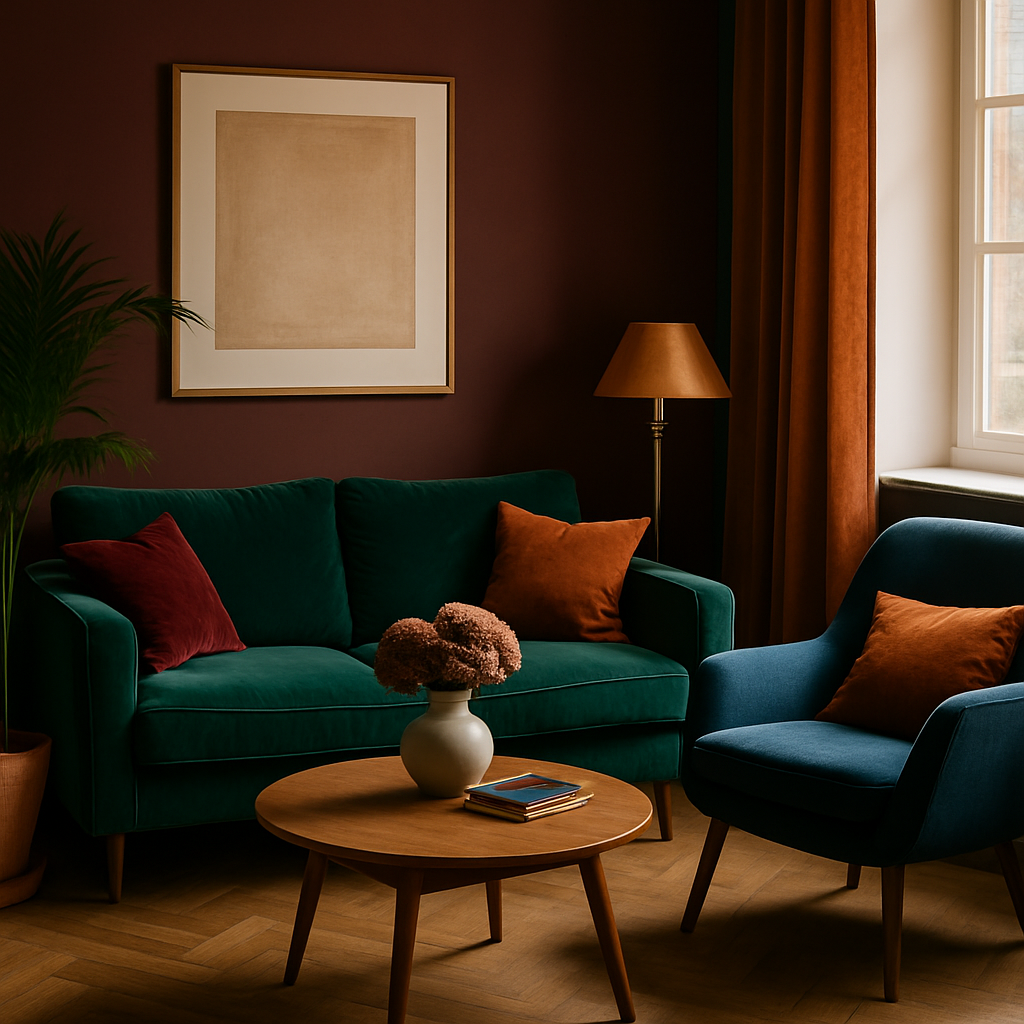
Have you ever wondered how to transform your home without spending a fortune? According to a recent Houzz survey, the average homeowner spends between $5,000 and $15,000 on a single room redesign. However, with the right strategies, you can achieve stunning makeovers on a budget. In this article, we'll explore how you can bring professional-level design into your home affordably. From foundational concepts to expert-level insights, discover actionable tips to help you make the most of your space without breaking the bank.
Understanding the Fundamentals of Budget-Friendly Design
A successful budget-friendly interior design begins with understanding the key principles of design. Start by focusing on the layout of your space. Consider how each room functions and identify its primary purpose. Do you entertain guests frequently, or is it more of a family sanctuary? Mapping out these uses can help you prioritize your design choices, ensuring that your makeover aligns with your lifestyle.
Next, consider the color palette. A fresh coat of paint can dramatically alter the mood of a room. Opt for neutral tones like whites, grays, or beiges, which provide a timeless backdrop and make spaces feel larger and more cohesive. Once you have your base colors, add pops of color through accessories and textiles to create visual interest without committing to expensive renovations.
Finally, lighting plays a crucial role in budget-friendly design. Maximize natural light by keeping window treatments minimal. For artificial lighting, layer different sources such as floor lamps, table lamps, and overhead fixtures. This approach not only enhances the ambiance but can also highlight key design elements, making your space feel more curated and intentional.
The next section delves into how these concepts translate into measurable results, drawing on industry data.
Analyzing Cost-Effective Design: Data and Insights
Budget-friendly design doesn't just save money; it can also increase your home's value. According to the National Association of Realtors, well-designed interiors can boost resale value by 5-15%. This statistic underscores the importance of making savvy design choices that not only fit your budget but also enhance your property's appeal in the long run.
In terms of cost management, the International Interior Design Association (IIDA) suggests that adopting a phased approach to redesigning can be beneficial. Instead of tackling a full-home renovation at once, focus on one room or area at a time. This method allows for better financial planning and the opportunity to adjust plans as needed based on your evolving preferences and budget constraints.
Experienced professionals often note that investing in quality over quantity can lead to greater satisfaction. For example, choosing a few high-quality pieces of furniture or decor that will stand the test of time can be more budget-friendly in the long run than frequently replacing cheaper items. This strategy not only aligns with sustainable practices but also creates a more cohesive and elegant aesthetic.
With these insights in mind, the next section will equip you with actionable strategies to implement these ideas effectively.
Actionable Strategies for Stunning Makeovers
One of the most effective strategies for budget-friendly design is to repurpose existing furniture. Before you discard an old piece, consider how it might be refurbished. A simple coat of paint or new upholstery can breathe new life into tired furniture, making it a centerpiece in your newly designed space.
Another tactic is to shop smart. Take advantage of sales, clearance events, and online marketplaces like Facebook Marketplace or Craigslist, where you can find high-quality items at a fraction of their original cost. Additionally, consider visiting local thrift stores or flea markets; these can be treasure troves for unique decor that adds character and style without the hefty price tag.
Finally, embrace the do-it-yourself (DIY) approach for smaller projects. Whether it's creating your own artwork, sewing custom cushion covers, or assembling flat-pack furniture, DIY projects allow you to personalize your space while keeping costs low. Not only does this save money, but it also infuses your home with a sense of personality and creativity.
As you implement these strategies, the following section will provide expert-level insights to further enhance your design process.
Expert-Level Insights for Budget-Friendly Interior Design
Certified interior designers, such as those holding the NCIDQ (National Council for Interior Design Qualification) certification, often emphasize the importance of planning. A detailed plan can prevent costly mistakes and ensure that all elements of your design work harmoniously. Start with a mood board or digital design tools, like those available on Houzz or Pinterest, to visualize your ideas before you begin purchasing or renovating.
Additionally, engaging with online platforms such as Houzz or Architectural Digest's AD PRO network can provide access to professional insights and emerging trends. These resources often feature expert advice, allowing you to tap into a wealth of knowledge that can inform your design choices and inspire creative solutions.
Moreover, consider incorporating sustainable and reclaimed materials into your design. Not only is this approach environmentally friendly, but it also offers an opportunity to include unique and character-rich elements into your home. For instance, reclaimed wood or vintage fixtures can add warmth and authenticity to your space, often at a lower cost than new materials.
With these expert insights, you're ready to explore additional depth and complexity in your design approach.
Diving Deeper: Enhancing Your Design with Additional Details
To further elevate your interior design, focus on the details that tie a room together. Consider updating hardware such as drawer pulls, cabinet handles, and light switches. These small changes can have a significant impact on the overall look and feel of a space without requiring a large investment.
Additionally, textiles play a vital role in creating a cohesive and inviting environment. Layering different textures, such as plush throws, woven rugs, and patterned cushions, adds depth and interest. This layering technique can transform a simple room into a cozy retreat, making it both functional and aesthetically pleasing.
Finally, don't underestimate the power of plants. Incorporating greenery not only enhances air quality but also adds a touch of nature that can make your home feel more vibrant and alive. Consider plants like succulents or ferns that are low-maintenance yet visually impactful. Placing these strategically can create focal points and soften the edges of a room.
As we wrap up the exploration of these design details, the next section will offer final perspectives on executing budget-friendly makeovers.
Final Perspectives on Budget-Friendly Makeovers
As you embark on your budget-friendly interior design journey, remember that patience and creativity are your best allies. Each space is unique, and the journey to transform it into a reflection of your personality and lifestyle is a rewarding endeavor. What small changes can you make today that will have a lasting impact on the feel of your home?
Incorporating the strategies and insights discussed-such as repurposing furniture, planning meticulously, and embracing sustainable materials-can significantly enhance your design process. These practices not only help you stay within budget but also foster a sense of accomplishment as you see your vision come to life.
Conclusion: Begin Your Transformation Today
In summary, budget-friendly interior design is not only attainable but also a deeply satisfying process that allows you to express your personal style. By understanding foundational concepts, employing cost-effective strategies, and leveraging expert insights, you can achieve stunning makeovers that transform your home into a space you'll love. Ready to start your design journey? Begin by exploring designer portfolios on platforms like Houzz this week-dedicate even 20 minutes to research, and you'll develop a sharper eye for what resonates with you.



Comments
Post a Comment