Mastering Minimalism: Essential Tips for a Chic Home Interior Design
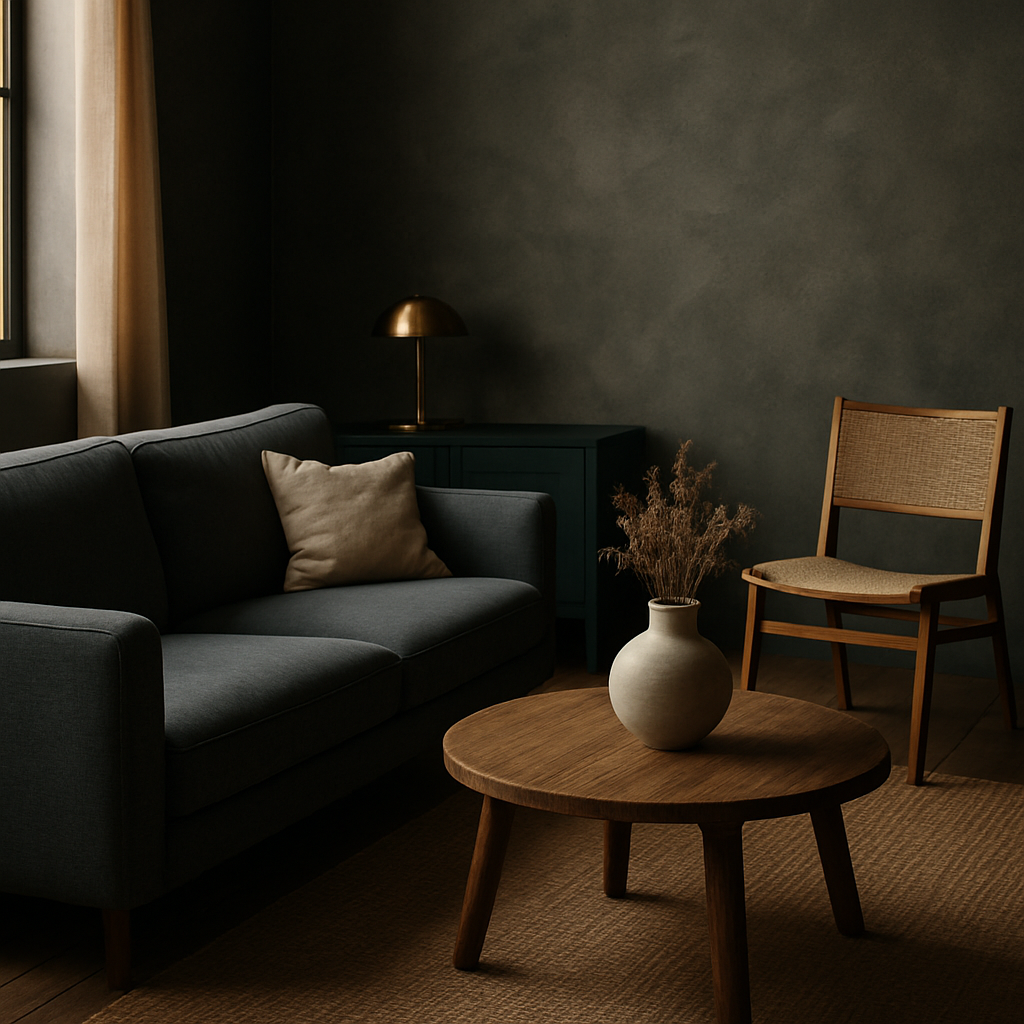
Minimalism is not just a design trend; it's a lifestyle shift gaining momentum. The notion of "less is more" resonates with many seeking to declutter their lives and create serene environments. According to the American Society of Interior Designers (ASID), simplicity and functionality are the driving forces behind the minimalist movement, which continues to influence modern interiors. This article will guide you through foundational concepts of minimalism, backed by data and expert insights, and provide actionable strategies to transform your home into a chic minimalist haven. From understanding the core principles to implementing expert-level details, you'll learn how to achieve a space that is both stylish and functional.
Understanding the Foundations of Minimalism
At its core, minimalism is about creating a space that emphasizes simplicity and functionality without sacrificing style. This design philosophy focuses on decluttering and using space efficiently. The idea is to strip down to the essentials and create a visually calming environment. Experienced professionals often note that minimalism is not about owning fewer things, but rather about choosing items that serve a purpose and bring joy. This intentional selection process helps eliminate unnecessary clutter and distractions.
One of the foundational concepts of minimalism is the use of a neutral color palette. Colors like whites, beiges, and grays dominate minimalist interiors, as they promote a sense of calm and openness. According to Architectural Digest's AD PRO, these colors also reflect light, making spaces appear larger and more inviting. Furthermore, minimalist designs often incorporate natural materials like wood and stone, which add warmth and texture without overwhelming the simplicity of the space.
Furniture in minimalist homes is typically sleek and functional. Multi-purpose furniture pieces are particularly popular, as they help maximize space without adding clutter. For instance, a stylish sofa bed can serve as both seating and a sleeping area in smaller apartments. When selecting furniture, consider how each piece contributes to the overall functionality and aesthetic of the room. This approach ensures that every item in your home has a purpose and enhances the minimalist design.
Deeper Analysis: Why Minimalism Appeals
The appeal of minimalism lies in its ability to create a serene and uncluttered environment, which can significantly improve mental well-being. According to a survey by Houzz, homeowners who embraced minimalism reported feeling less stressed and more focused in their daily lives. This reduction in mental clutter is often attributed to the clean lines and open spaces that are hallmarks of minimalist design. By eliminating excess, individuals can focus on what truly matters, both in their physical space and in their lives.
Moreover, minimalism is increasingly seen as a sustainable design choice. By focusing on quality over quantity, homeowners can reduce their environmental footprint. The use of sustainable and reclaimed materials is a growing trend within the minimalist movement. For example, incorporating items made from recycled wood or metal not only supports sustainability but also adds unique character to the design. Such choices reflect a conscious effort to align personal values with interior design practices.
The financial benefits of minimalism should not be overlooked either. While initial investments in high-quality furniture may seem steep, the long-term savings are significant. Fewer, better items mean less money spent on replacements and repairs. According to industry surveys, well-designed minimalist interiors can yield a 5-15% higher resale value, making them a wise investment. This economic advantage, coupled with the personal and environmental benefits, makes minimalism an attractive option for many.
Actionable Strategies for Achieving Minimalism
Ready to embrace minimalism in your home? Start by conducting a thorough declutter. Go through each room and assess every item for its utility and joy it brings. Ask yourself: "Does this item serve a purpose or bring happiness?" If the answer is no, it's time to let it go. This process can be challenging, but it's crucial for creating a minimalist environment. Consider donating or selling items that no longer serve you; this not only helps declutter but also supports a more sustainable lifestyle.
Next, focus on your color palette. Minimalist design thrives on simplicity, so choose colors that promote calmness and continuity throughout your home. Neutral tones such as white, beige, and gray should dominate, but don't be afraid to add a pop of color for contrast. For example, a single piece of artwork with vibrant hues can stand out beautifully against a neutral backdrop, adding personality without overwhelming the space.
When it comes to furniture, opt for pieces that are both stylish and functional. Multi-purpose furniture, such as ottomans with hidden storage or extendable dining tables, can optimize space and reduce clutter. Remember, the goal is to create a space that feels open and inviting, not cramped. As you select furniture, keep in mind how each piece will fit into the overall design and contribute to the minimalist aesthetic.
Expert-Level Details for Minimalist Design
For those ready to take their minimalist design to the next level, consider incorporating smart home technology. Automated lighting, climate control, and window treatments can enhance the functionality of a minimalist space. These technologies not only add convenience but also help maintain the clean lines and uncluttered look that minimalism demands. Imagine controlling your entire home environment with just a few taps on your smartphone - it's both practical and perfectly aligned with minimalist principles.
Another advanced strategy is integrating biophilic design elements. This involves bringing nature indoors, using natural materials, and creating an indoor-outdoor flow. Living walls, indoor plants, and large windows that frame outdoor vistas can all contribute to a serene and harmonious environment. According to the International Interior Design Association (IIDA), biophilic design is a key trend in minimalist interiors for 2026, as it enhances well-being and strengthens the connection to nature.
To achieve a truly cohesive minimalist design, consider using AR/VR room visualization tools. These technologies allow you to experiment with different layouts and designs before making any changes. Platforms like Houzz offer tools that can help you visualize how a new piece of furniture or a different color palette will look in your space. This forward-thinking approach ensures that every decision aligns with your minimalist vision, reducing costly mistakes and enhancing the overall aesthetic.
Additional Depth: The Role of Art in Minimalism
Art plays a unique role in minimalist design, offering both visual interest and personal expression. In a minimalist home, art should be chosen with care to maintain the balance and simplicity of the space. Large, bold pieces can serve as focal points in a room, drawing the eye and adding depth without cluttering the environment. According to experts, art in minimalist spaces should reflect the homeowner's personality while remaining consistent with the overall design theme.
When selecting art for a minimalist interior, consider pieces that complement the color palette and materials used in the space. Black and white photography, abstract paintings, and simple sculptures can all enhance a minimalist design. It's important to remember that in minimalism, less is often more. A single, well-placed artwork can have a far greater impact than multiple smaller pieces scattered throughout a room.
Additionally, the placement of art is crucial in minimalist spaces. Art should be positioned to create harmony and flow, guiding the viewer's eye naturally around the room. Consider the scale and proportion of each piece relative to the surrounding furniture and architecture. This thoughtful approach ensures that each piece of art enhances the minimalist aesthetic, rather than detracting from it.
Final Perspectives on Mastering Minimalism
As you embark on your journey to master minimalism, remember that this design philosophy is about more than just aesthetics; it's about creating an environment that supports a simpler, more intentional way of living. Minimalism encourages you to focus on what truly matters, both in your physical space and in your life. By carefully selecting each element and embracing simplicity, you can create a home that is both chic and functional.
Minimalism is a dynamic and evolving design style that allows for personal expression within its clean and uncluttered framework. Whether you're drawn to its aesthetic appeal, its focus on sustainability, or its potential to improve well-being, minimalism offers a versatile approach to home design. Are you ready to explore how minimalism can transform your home and your life?
Conclusion: Taking the First Step Toward Minimalism
Mastering minimalism in your home interior design requires a thoughtful approach and a commitment to simplicity. By understanding the foundational principles, utilizing actionable strategies, and incorporating expert-level details, you can transform your space into a chic, minimalist sanctuary. Begin by evaluating your current space and identifying areas where you can reduce clutter and enhance functionality. Start by browsing portfolios on Houzz this week - even 20 minutes of research will sharpen your eye for what you want. As you take these first steps, you'll find that minimalism not only enhances your home's aesthetic but also enriches your life.



Comments
Post a Comment