Budget-Friendly House Interior Design Ideas to Refresh Your Living Space
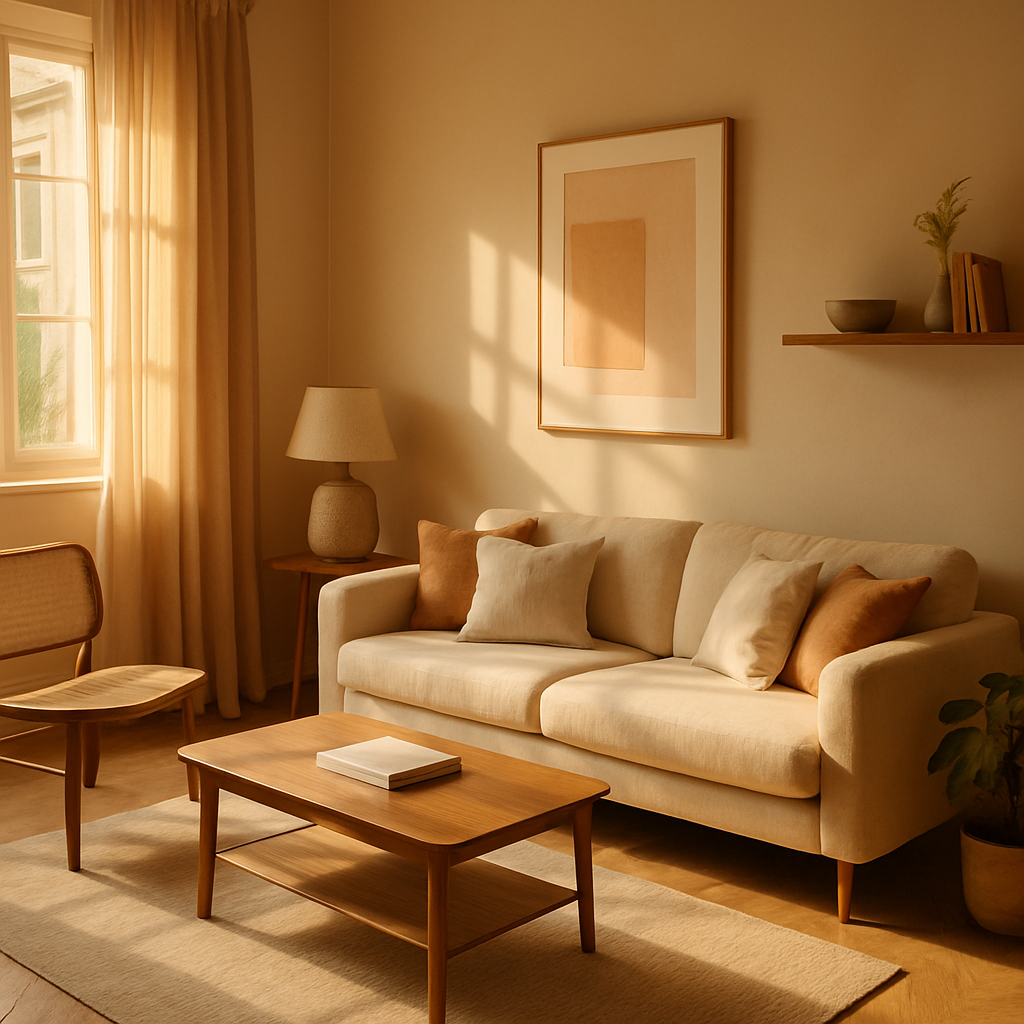
Imagine walking into your home and feeling an instant sense of tranquility and satisfaction. A space that reflects your style doesn't always require a hefty budget. According to a Houzz survey, many homeowners are now more interested in affordable design solutions that still yield a high satisfaction rate. This article will guide you through budget-friendly house interior design ideas to refresh your living space. We'll cover foundational concepts, explore deeper budget strategies, and provide actionable tips that even seasoned designers recommend. Let's delve into these innovative strategies that can transform your home.
Understanding Foundational Design Concepts
The first step in achieving a budget-friendly yet stylish home is understanding the foundational concepts of interior design. You don't need to be an NCIDQ-certified professional to grasp the basics. Start by evaluating the functionality of each room. This involves mapping out how you actually use your space-from where you drop your keys to where you enjoy your morning coffee. This practical approach allows you to prioritize changes that will have the most impact.
Next, consider the principle of balance, which is crucial in any design project. Balance can be achieved through symmetry, color schemes, and furniture arrangement. For instance, if you have a large sofa on one side of the room, counterbalance it with a large painting or a bookshelf on the opposite side. This creates harmony and can be achieved without purchasing new items.
Lastly, lighting plays a pivotal role in interior design. A well-lit room can make a modest space feel open and inviting. Opt for layered lighting by combining ambient, task, and accent lighting. This not only enhances the aesthetic appeal but also improves the functionality of the space. With these foundational concepts in place, you're ready to explore more specific strategies.
Exploring Cost-Effective Design Strategies
Designing on a budget doesn't mean compromising on style. According to the American Society of Interior Designers (ASID), even modest design investments can enhance a home's appeal significantly. For instance, repainting walls is one of the most cost-effective ways to refresh your space. Choose a neutral palette to create a timeless look or opt for bold colors to make a statement.
Furniture rearrangement is another powerful tool. By simply repositioning your existing furniture, you can achieve a new look. Consider creating conversation zones or a cozy reading nook. Experienced professionals often note that such rearrangements can make a room feel more spacious and cohesive.
Additionally, integrating multi-functional furniture can maximize small spaces. Look for pieces like ottomans with storage or extendable dining tables. These items offer practicality without sacrificing style. According to industry surveys, homeowners who invest in multi-functional furniture report higher satisfaction levels due to the added utility and flexibility.
Implementing Actionable Design Tips
Now that you have a solid foundation and strategy, it's time to implement some actionable design tips. One effective method is to incorporate DIY elements. Whether it's refurbishing old furniture or creating your own wall art, DIY projects add a personal touch to your home. Pinterest is a fantastic resource for finding step-by-step guides and inspiration for such projects.
Another tip is to invest in high-quality textiles. While these might seem like minor details, the right curtains or a plush rug can drastically alter the ambiance of a room. Look for sales or discounts at local stores or online platforms like Houzz to find quality materials at a fraction of the cost.
Don't forget about the power of plants. Biophilic design, which emphasizes the use of natural elements, is a growing trend. Indoor plants not only enhance the visual appeal of a space but also improve air quality. Succulents, for example, are low-maintenance and can be a budget-friendly way to introduce greenery into your home.
Leveraging Expert-Level Design Details
For those looking to delve deeper, consider incorporating expert-level design details that can elevate your space. One such detail is the use of texture. Mixing textures like wood, metal, and fabric can add depth and interest to a room. This technique is often used by designers to create a layered, sophisticated look without the need for expensive accessories.
Smart home integration is another area where a small investment can go a long way. Automated lighting and climate control not only add convenience but also enhance energy efficiency. Platforms like Architectural Digest's AD PRO network provide insights and resources on incorporating smart technology seamlessly into your home.
Lastly, consider the impact of sustainable materials. As sustainability becomes increasingly important, using reclaimed wood or eco-friendly paints can contribute positively to the environment while adding a unique charm to your space. This conscious choice can also resonate well with potential homebuyers, increasing your property's resale value.
Additional Depth: Budgeting and Planning
A critical aspect of budget-friendly design is effective budgeting and planning. Start by setting a realistic budget. The IIDA (International Interior Design Association) suggests allocating approximately 10-20% of your home's value for interior design projects. For a single room redesign, this might range from $5,000 to $15,000. However, it's crucial to prioritize your needs and allocate funds accordingly.
Once your budget is set, create a detailed plan. Break down the project into phases: concept development, design presentation, procurement, installation, and styling. This structured approach not only helps in managing costs but also ensures that the design process runs smoothly.
Consider using tools like AR/VR room visualization, which allows you to experiment with different layouts and styles without committing financially. Such technology is increasingly used by professionals and can help you make informed decisions that align with your budget and aesthetic goals.
Final Perspectives on Interior Design
As you embark on your budget-friendly design journey, remember that the key to success lies in creativity and resourcefulness. By understanding design fundamentals, exploring cost-effective strategies, and incorporating both DIY projects and expert insights, you can create a home that is both stylish and personal.
Are you ready to start transforming your space? Begin by assessing your current layout and identifying areas for improvement. With a clear plan, even small changes can make a significant impact. As you implement these ideas, maintain flexibility and adapt as needed to ensure that your home reflects your style and meets your needs.
Conclusion
In summary, refreshing your living space on a budget is not only achievable but also immensely rewarding. By applying the strategies and tips outlined in this article, you can enhance your home's aesthetic without overspending. From foundational concepts to expert-level details, each step is designed to guide you towards a more inviting and functional living space.
Take the first step today by exploring designer portfolios on platforms like Houzz. Even dedicating 20 minutes a week to research can sharpen your eye for design and inspire your next project. Your dream home is within reach, waiting to be realized through thoughtful planning and creative execution.
More Articles You May Like



Comments
Post a Comment