Linen Slipcovers vs Upholstered Sofas: Which Wears Better
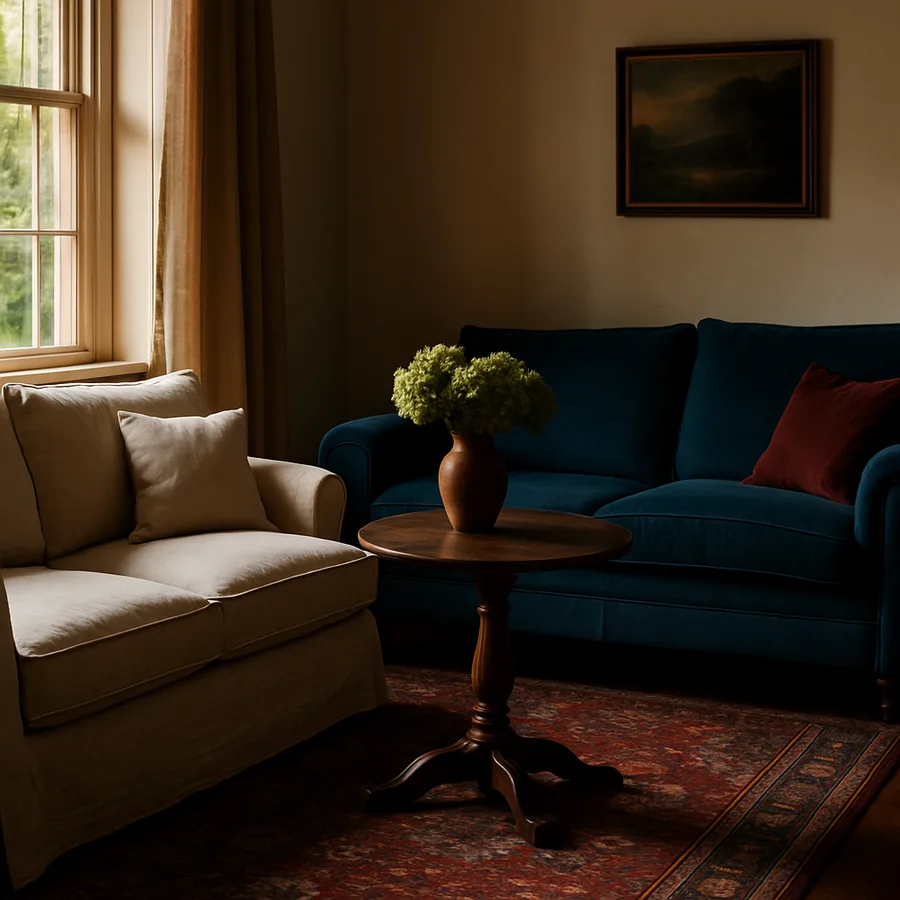
Understanding the Core Difference Between Slipcovers and Upholstery
The choice between a linen slipcover and traditional upholstery is one of the most consequential decisions you will make when purchasing a sofa. Both approaches have passionate advocates, and both come with genuine advantages and trade-offs. A slipcover is a removable fabric covering that fits over a sofa frame and cushion structure, while upholstery refers to fabric that is permanently attached to the furniture using tacks, staples, and adhesives. This fundamental difference in construction drives virtually every practical consideration that follows.
Linen, a fabric woven from flax fibers, is one of the oldest textiles in human history and has been prized for its breathability and natural luster. When used as a slipcover, linen drapes over the sofa frame with a relaxed, slightly rumpled quality that many homeowners find enormously appealing. Traditional upholstery, by contrast, stretches the fabric taut over the frame, creating clean lines and a more structured silhouette. Neither approach is inherently superior, but each creates a distinctly different visual and tactile experience.
The American Home Furnishings Alliance (AHFA) estimates that the average American household replaces its primary sofa every seven to fifteen years. That wide range reflects the enormous variation in construction quality, fabric durability, and household conditions. Understanding how linen slipcovers and upholstered options perform over this lifespan is essential for making a choice you will be happy with for years rather than months. The wrong decision can mean premature replacement costs that far exceed the initial savings.
Before examining specific performance categories, it is worth acknowledging that the question of which wears better depends heavily on your household circumstances. A family with young children and pets faces different challenges than a couple with a formal living room used primarily for entertaining. The honest answer is that both options can perform admirably or fail miserably depending on fabric quality, construction methods, and how well you maintain them. The sections that follow will help you match the right option to your specific situation.
Durability and Fabric Longevity
When it comes to raw fabric durability, the comparison requires some nuance. Linen fibers are among the strongest natural textile fibers available, approximately two to three times stronger than cotton. This inherent strength means that linen fabric resists tearing and abrasion well. However, linen slipcovers face a unique durability challenge: the repeated process of removing, washing, and refitting the cover introduces mechanical stress that permanently upholstered fabric never encounters.
Upholstered sofas benefit from the stability of their fixed installation. Because the fabric remains stretched over the frame without being repeatedly handled, it does not experience the pulling, bunching, and friction that come with slipcover removal. The Association for Contract Textiles (ACT) uses a Wyzenbeek abrasion test to rate fabric durability, and most residential upholstery fabrics are rated for 15,000 or more double rubs. High-quality linen typically scores between 12,000 and 20,000 double rubs, placing it comfortably in the residential durability range.
The critical variable for slipcover longevity is fabric weight. Lightweight dress linen at five to six ounces per yard will wear thin and develop holes at stress points within two to three years of regular use. Upholstery-weight linen at ten to fourteen ounces per yard is substantially more durable and appropriate for slipcover applications. Manufacturers like Cisco Brothers and Restoration Hardware specify upholstery-grade linen for their slipcovered pieces precisely because lighter weights cannot withstand the demands of daily seating.
Have you considered how your sitting habits affect fabric wear? The spots where you sit most frequently, the arm areas where you rest your hands, and the cushion edges where friction occurs during sitting and standing are the primary wear zones on any sofa. Slipcovers have an advantage here because you can rotate and flip the cover to distribute wear more evenly over time. With fixed upholstery, the same spots bear the brunt of use consistently, which can lead to localized thinning and fabric breakdown.
Maintenance, Cleaning, and Stain Management
This category is where linen slipcovers hold their most significant advantage over traditional upholstery. A removable slipcover can be machine washed, which means spills, pet hair, body oils, and everyday grime can be addressed with a standard laundry cycle rather than professional cleaning. For households with children, pets, or anyone who actually uses their sofa regularly, this practical benefit is difficult to overstate. The ability to strip the cover and wash it on a Sunday afternoon provides a level of cleanliness that upholstered sofas rarely achieve.
According to the Institute of Inspection, Cleaning, and Restoration Certification (IICRC), professional upholstery cleaning costs between $150 and $350 per sofa depending on size and fabric type. Most experts recommend professional cleaning once or twice per year for upholstered sofas in active households. Over a ten-year sofa lifespan, that represents $1,500 to $7,000 in cleaning costs alone. Slipcover washing, by comparison, costs essentially nothing beyond detergent and water, representing meaningful savings over the life of the furniture.
Stain response is another area where slipcovers excel. When red wine hits an upholstered sofa, you are in a race against time to blot and treat the stain before it sets into fibers that you cannot remove for washing. When the same spill hits a linen slipcover, you can remove the cover immediately and treat it with appropriate stain removers before laundering. This difference in response capability often determines whether a stain becomes permanent or disappears entirely. For families who entertain frequently, this flexibility provides genuine peace of mind.
There is an important caveat about washing linen slipcovers: shrinkage. Linen can shrink by three to five percent during its first few washes if it was not pre-washed during manufacturing. Reputable slipcover makers pre-wash or pre-shrink their linen before cutting and sewing, but some manufacturers skip this step to save costs. Always confirm whether the linen has been pre-shrunk before purchasing, and follow the manufacturer's washing instructions precisely. Using hot water on non-pre-shrunk linen slipcovers will result in a cover that no longer fits your sofa frame, which is an expensive and frustrating problem to solve.
Aesthetic Character and Room Atmosphere
The visual difference between a slipcovered sofa and an upholstered one sets the tone for an entire room. A linen slipcovered sofa communicates casualness, comfort, and a lived-in quality that formal upholstery simply cannot replicate. The natural drape of the fabric creates soft shadows and gentle folds that change throughout the day as light shifts. This relaxed aesthetic is central to design styles like French country, California casual, and modern farmhouse, where an overly pristine sofa would feel out of place.
Upholstered sofas, particularly those with tight backs and welted seams, project a more polished and intentional appearance. In formal living rooms, libraries, and spaces designed for entertaining, this structured look is often preferable. The American Society of Interior Designers notes that the choice between slipcovered and upholstered seating is frequently the single decision that establishes whether a room reads as casual or formal, making it one of the most impactful selections in the design process.
Linen's distinctive wrinkling tendency is either its greatest charm or its most frustrating characteristic, depending on your perspective. Linen wrinkles are not a defect but an inherent property of flax fibers, which lack the elasticity to bounce back after compression. Some homeowners love this natural rumpled quality, finding it warm and inviting. Others find it sloppy and are constantly smoothing and adjusting their slipcovers. Being honest with yourself about which camp you fall into before purchasing will prevent long-term dissatisfaction.
Color behavior differs between the two approaches as well. Linen develops a beautiful softened patina over time, with colors mellowing gently through washing and use. Fixed upholstery fabrics may fade unevenly, particularly in areas exposed to direct sunlight, creating patches of color variation that can look tired rather than charming. If your sofa sits near windows with significant sun exposure, a slipcover that can be rotated or replaced may actually maintain a more consistent appearance over the long term than permanently installed fabric.
Cost Analysis Over the Furniture Lifecycle
Initial purchase price tells only part of the cost story. A high-quality slipcovered sofa typically costs between $2,500 and $6,000 from reputable manufacturers, while a comparable upholstered sofa from the same makers falls in a similar range. The real cost difference emerges over time through maintenance, replacement covers, and professional services. Evaluating the total cost of ownership over a ten-year period provides a much more accurate comparison than sticker price alone.
One of the most compelling financial arguments for slipcovers is the ability to purchase replacement covers rather than replacing the entire sofa. A new slipcover typically costs between $500 and $1,500, compared to $2,500 or more for a complete sofa replacement. If your sofa frame remains structurally sound but the fabric has worn out or your taste has changed, a new slipcover effectively gives you a new sofa at a fraction of the cost. This option is simply not available with traditional upholstery without hiring a professional reupholsterer.
Reupholstering an existing sofa is the traditional alternative to replacement, but the costs have risen significantly. The Better Homes & Gardens cost guide estimates professional reupholstery for a standard three-seat sofa at $1,200 to $3,500 depending on fabric choice and local labor rates. This approaches or exceeds the cost of many new sofas, which is why many homeowners choose replacement over reupholstery. Slipcovers effectively eliminate this dilemma by building renewability into the furniture's design from the start.
Are replacement slipcovers always available when you need them? This is a legitimate concern. If you purchase a slipcovered sofa from a manufacturer that discontinues the model or goes out of business, finding a replacement cover becomes difficult. Custom slipcover fabrication from a local upholsterer is possible but expensive, often costing more than a stock replacement cover from the original manufacturer. Choosing a slipcovered sofa from an established, stable brand with a long track record reduces this risk significantly.
Making the Right Choice for Your Household
Households with children under ten will almost always benefit more from linen slipcovers. The spill frequency, the sticky hands, the crayon incidents, and the general chaos of family life with young children make washability not a luxury but a necessity. Trying to keep a light-colored upholstered sofa pristine with toddlers in the house is an exercise in futility that generates stress rather than comfort. A slipcover you can strip and wash weekly transforms the sofa from a source of anxiety into furniture you can actually relax on.
For pet owners, the calculation is similar but with additional considerations. Pet hair embeds deeply in the weave of both slipcovers and upholstery, but a slipcover can be run through a dryer cycle to loosen hair before washing. Pet claws, however, can snag and pull linen fibers, creating runs in the fabric. If your pets have a habit of kneading or scratching furniture, a tightly woven upholstery fabric with a high abrasion rating may actually hold up better than a slipcover. Understanding your specific pet's behavior patterns should guide this decision.
What if you want the best of both worlds? Some homeowners purchase a tightly upholstered sofa and then add a custom-fitted slipcover for daily use, removing the slipcover when entertaining or when they want the sofa to look its most polished. This approach is more expensive upfront but provides maximum flexibility. The underlying upholstery stays protected and pristine while the slipcover absorbs the wear and tear of daily life. Several high-end manufacturers now offer this as a standard configuration.
Climate also plays a role in this decision. Linen is exceptionally breathable and wicks moisture away from the body, making it ideal for warm and humid environments. In these conditions, sitting on a linen-covered sofa feels noticeably cooler and more comfortable than sitting on tightly stretched upholstery, which can trap heat. If you live in a warm climate or keep your home on the warmer side, the breathability of a linen slipcover contributes to physical comfort beyond what any upholstery fabric can match.
Conclusion: Choosing the Option That Serves Your Life
The question of which wears better does not have a universal answer, but it does have a personal one. Linen slipcovers wear better for active households that prioritize washability, flexibility, and a relaxed aesthetic. Traditional upholstery wears better for lower-traffic rooms where a structured appearance and fixed tailoring are more important than easy cleaning. Both can last a decade or more when constructed well and maintained properly, so the deciding factors are lifestyle fit and aesthetic preference rather than absolute durability.
If you find yourself drawn to the casual, lived-in beauty of linen but worried about durability, invest in the heaviest upholstery-weight linen you can find and buy from a manufacturer that pre-washes their fabric. These two steps eliminate the most common complaints about linen slipcovers and set you up for years of comfortable, attractive use. If you prefer the tailored look of upholstery but worry about maintenance, choose a performance fabric with stain-resistant treatment and budget for annual professional cleaning.
The sofa is typically the most-used piece of furniture in any home, which means this decision affects your daily comfort more than almost any other design choice. Take the time to sit on both slipcovered and upholstered options in a showroom, ask manufacturers about their specific linen weights and pre-shrinking processes, and think honestly about how your household actually lives rather than how you wish it lived. The right choice will feel obvious once you match the product to your reality.
Visit our sofa buying guide for detailed comparisons of slipcovered and upholstered models from the brands our editors trust most, and find the piece that will wear beautifully in your home for years to come.
More Articles You May Like



Comments
Post a Comment