RoomGPT vs Traditional Design: Which Will Shape Your Home's Future?
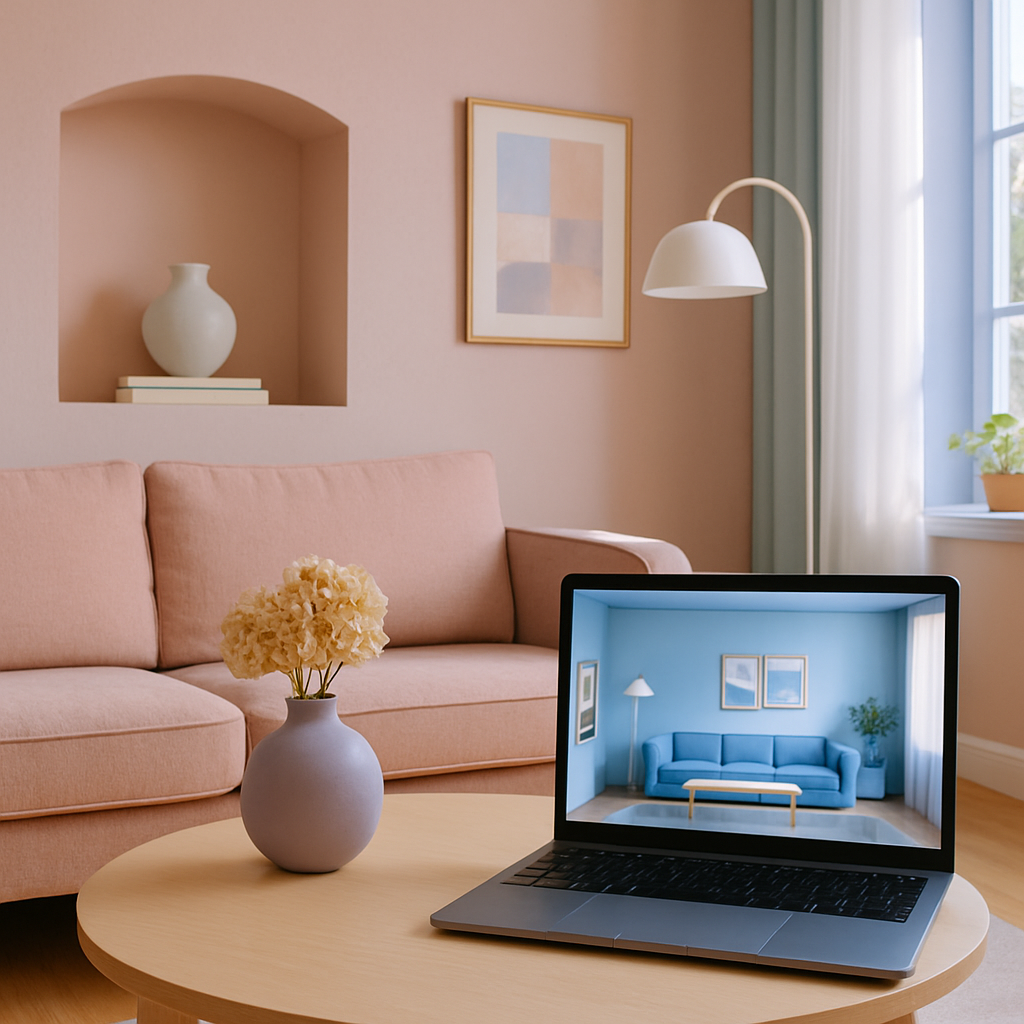
Imagine transforming your living space with just a few clicks. With the advent of AI-powered tools like RoomGPT, this is becoming a reality. But does this mean the demise of traditional interior design? According to a Houzz survey, 36% of homeowners are eager to integrate technology into their renovation projects. This raises an important question - is RoomGPT the future of home design, or does traditional design still hold its ground? In this article, we will explore the foundational concepts of RoomGPT and traditional design, delve into data and expert insights, discuss actionable strategies for both approaches, and examine the future of these methodologies. By the end, you'll have a clearer picture of which path might best suit your home redesign needs.
Understanding RoomGPT and Traditional Design
RoomGPT is an AI-driven design tool that allows users to visualize different interior layouts and styles without the need for extensive design knowledge. It leverages machine learning algorithms to offer recommendations based on user inputs. This platform provides a digital canvas where users can experiment with various design elements, such as color schemes and furniture arrangements. In contrast, traditional design relies heavily on the expertise of certified professionals, such as those with NCIDQ (National Council for Interior Design Qualification) certification, who guide clients through a structured design process.
Traditional design emphasizes a personalized approach. Designers often begin with an in-depth consultation to understand the client's lifestyle, preferences, and functional needs. They employ a methodical process that includes concept development, design presentation, and procurement. This approach allows for a highly customized and cohesive end result, often reflecting a deep understanding of spatial dynamics and aesthetic coherence.
So, should you rely on RoomGPT's algorithms or the seasoned intuition of a traditional designer? While RoomGPT offers convenience and cost-effectiveness, it may lack the nuanced touch that experienced designers provide. On the other hand, traditional design can be more costly, with fees ranging from a flat fee or hourly rate of $150-$500, but it often results in a more tailored and polished space. As we explore further, consider which approach aligns with your vision for your home.
Analyzing the Impact: Data and Design
According to industry surveys, AI tools like RoomGPT are gaining traction, with 25% of new homeowners considering them for interior planning. This trend is driven by the accessibility and ease of use these tools offer. For instance, RoomGPT allows users to simulate different room layouts and styles in real-time, enabling quicker decision-making. Additionally, it provides users with the ability to visualize potential changes without the commitment of physical alterations.
In contrast, data from the American Society of Interior Designers (ASID) shows that traditional design projects often see a higher satisfaction rate. This could be attributed to the personalized service and detailed attention that certified professionals provide. With traditional design, clients often benefit from the designer's network of trusted vendors and craftsmen, leading to higher-quality finishes and a more cohesive overall look.
While RoomGPT offers a technological edge, traditional design brings human creativity and expertise to the table. Are you more inclined towards a tech-driven, DIY approach, or do you value the bespoke experience that comes with hiring a professional designer? As we move forward, we'll discuss how you can leverage each method to your advantage.
Actionable Strategies for Choosing Your Design Path
If you're leaning towards RoomGPT, start by experimenting with its virtual tools. Map out your space using the platform's visualization capabilities, and try different color palettes and furniture arrangements. This is a great way to discover your style preferences without the pressure of immediate commitment. Remember, RoomGPT is an excellent starting point for those who enjoy hands-on involvement in their home design process.
For those considering traditional design, begin by researching designers in your area through platforms like Houzz or the ASID directory. Look for professionals with NCIDQ certification to ensure they have met the industry's rigorous standards. Schedule consultations to discuss your vision and inquire about their design process, fee structures, and past projects. This will give you a sense of their style and approach, helping you determine if they are the right fit for your project.
Whether you choose RoomGPT or a traditional designer, setting a realistic budget is crucial. For a full-home redesign, expect to invest $50,000-$150,000, depending on the scope and scale. Whichever route you take, ensure that it aligns with your financial and aesthetic goals. In the next section, we'll explore the expertise that traditional designers bring to the table.
The Expertise of Traditional Design Professionals
Experienced professionals often note that the value of traditional design lies in the expertise and creativity that certified designers bring. These professionals have a deep understanding of spatial planning, color theory, and material selection. They are adept at creating spaces that are not only visually appealing but also functional and comfortable for everyday living.
Traditional designers offer more than just aesthetic guidance; they manage the entire project lifecycle. This includes concept development, procurement, and installation, ensuring that every detail aligns with the client's vision. Their expertise extends to project management, coordinating with contractors and vendors to keep the project on track and within budget.
Furthermore, traditional designers are often at the forefront of industry trends. They incorporate elements such as biophilic design and sustainable materials, creating interiors that are both modern and timeless. As we delve deeper, we'll look at how these trends are shaping the future of interior design.
Exploring Future Design Trends
The future of interior design is being shaped by a blend of technology and traditional expertise. Trends such as biophilic design, which integrates natural elements and promotes indoor-outdoor flow, are becoming increasingly popular. This design philosophy not only enhances aesthetic appeal but also contributes to well-being by connecting inhabitants with nature.
Quiet luxury and understated elegance are also gaining traction, emphasizing high-quality materials and craftsmanship over ostentation. Designers are creating spaces that exude sophistication through simplicity, focusing on subtle details and textures. This approach aligns with the growing demand for sustainable and eco-friendly materials.
Smart home integration is another trend revolutionizing interior spaces. Automated lighting, climate control, and window treatments are now common in modern homes, offering both convenience and energy efficiency. As these trends continue to evolve, how might they influence your design choices? In the final section, we'll consider the broader implications of these trends.
Final Perspectives on RoomGPT and Traditional Design
As we look to the future, the choice between RoomGPT and traditional design will likely depend on individual preferences and priorities. RoomGPT offers a tech-savvy approach for those who value speed and cost-efficiency, making it an attractive option for smaller-scale projects or initial brainstorming.
Meanwhile, traditional design remains a compelling choice for those who seek a bespoke experience and expert guidance. The tactile involvement of selecting materials and customizing details can be deeply rewarding, especially for larger projects where cohesion and quality are paramount.
Ultimately, the integration of AI advancements with traditional design expertise could offer the best of both worlds. As you consider your next design project, think about which aspects are most important to you - efficiency or personalization, innovation or tradition? In the conclusion, we'll offer a practical next step to help you start your design journey.
Conclusion: Choosing Your Path Forward
In today's dynamic design landscape, both RoomGPT and traditional interior design have their unique merits. RoomGPT provides a modern, technology-driven approach that can simplify the design process and make it more accessible. On the other hand, traditional interior design offers a level of personalization and expert oversight that technology cannot fully replicate. Which approach will you choose to shape your home's future?
To start, consider spending 20 minutes exploring designer portfolios on platforms like Houzz this week. This small step will help refine your taste and identify what truly resonates with you. Whether you lean towards the innovative capabilities of RoomGPT or the timeless expertise of traditional designers, embarking on this journey with clear intentions will lead to a home that truly reflects your style and needs.



Comments
Post a Comment