Minimalist vs. Maximalist: Which Interior Design Style Is Right for You?
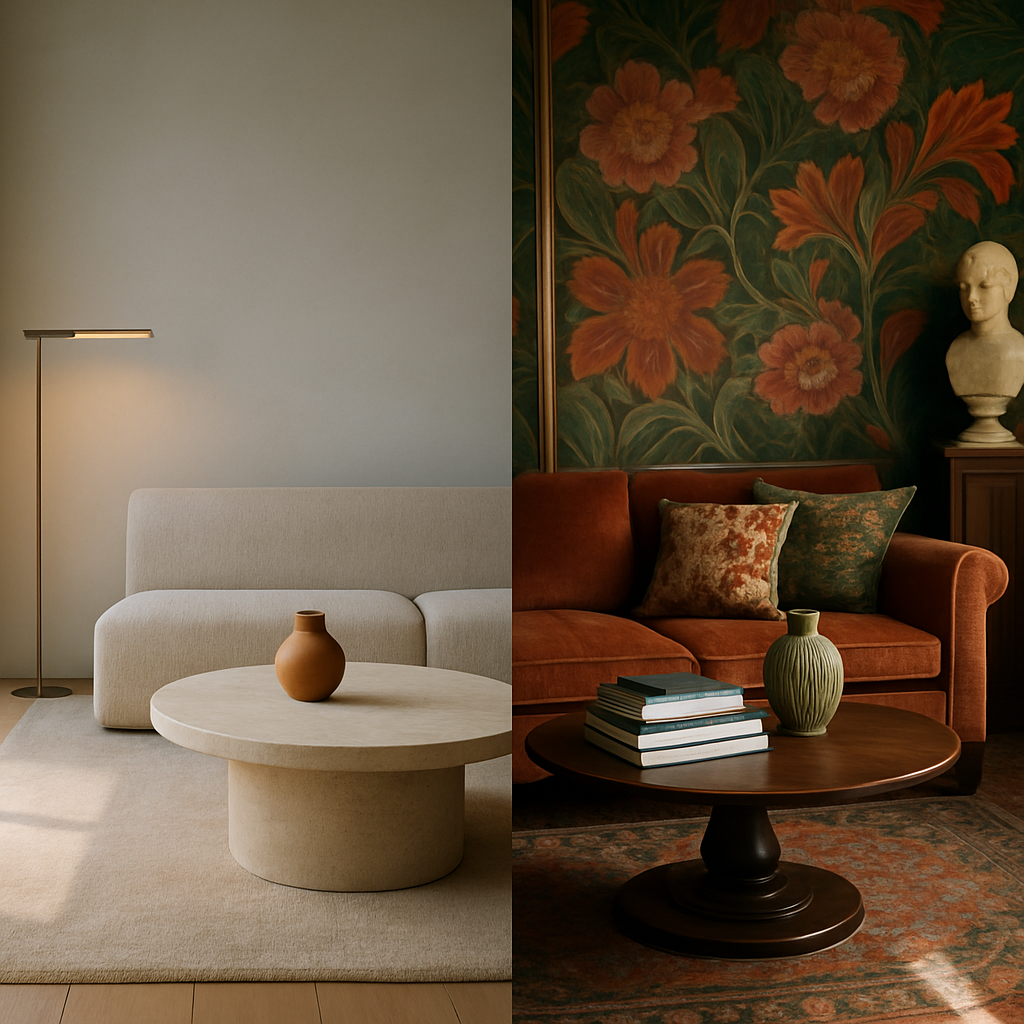
Imagine stepping into a room that instantly calms you, with just a few select pieces perfectly arranged. Contrast that with entering a space bursting with colors and textures, each corner a testament to your personality and experiences. These scenarios depict the essence of minimalist and maximalist interior design styles, each offering a unique approach to crafting your home environment. How do you choose which style aligns with your lifestyle and preferences? This article will delve into the foundational principles of both styles, analyze key differences, provide actionable strategies for implementation, and offer expert insights to help you decide which path to take.
Understanding Minimalism and Maximalism
At its core, minimalism emphasizes simplicity and functionality. The idea is to strip away excess and focus on the essentials, creating a serene and uncluttered environment. Minimalist spaces typically feature neutral color palettes, clean lines, and open spaces. This style often resonates with those who seek tranquility and order in their daily lives. According to Houzz, a significant number of homeowners are increasingly drawn to minimalist designs to reduce stress and enhance focus.
In contrast, maximalism celebrates abundance and self-expression. This style encourages the use of bold colors, eclectic furnishings, and a mix of patterns and textures. Maximalist interiors are often described as curated chaos, where every item tells a story or sparks joy. Architectural Digest notes that maximalism is gaining popularity among those who view their homes as extensions of their personalities, allowing them to showcase collections and heirlooms.
The decision between minimalism and maximalism often hinges on how you perceive your living space. Do you prefer a home that feels like a blank canvas or one that serves as a vibrant gallery? Understanding these foundational concepts is crucial as it sets the stage for deeper exploration of each style's nuances.
Key Differences and Considerations
When comparing the two styles, one of the most notable differences is their approach to space utilization. Minimalist design prioritizes space efficiency, often using multifunctional furniture to maintain an uncluttered look. This approach can be particularly beneficial in smaller homes or urban apartments where space is limited. Industry surveys suggest that homeowners who adopt minimalist principles often experience improved mental clarity and reduced anxiety.
Maximalist interiors, on the other hand, thrive on filling space with visually stimulating elements. These designs can transform large, open areas into cozy, inviting environments by layering textures and incorporating a variety of decor pieces. According to the American Society of Interior Designers (ASID), maximalist spaces often foster creativity and inspire conversation, making them ideal for social gatherings and artistic expression.
Another critical factor to consider is maintenance. Minimalist spaces are generally easier to maintain due to their lack of clutter and straightforward design. Conversely, maximalist homes require more upkeep to ensure that each piece remains in harmony with the overall aesthetic. As you weigh these considerations, reflect on how much time and effort you're willing to invest in maintaining your space. This reflection will guide you toward the style that suits your lifestyle best.
Implementing Minimalist and Maximalist Designs
Once you've decided on a style, the next step is implementation. For those leaning towards minimalism, start by decluttering your home. Remove items that don't serve a purpose or bring joy. Focus on quality over quantity by investing in a few high-quality pieces that anchor the space. Consider using neutral colors and simple textures to create a calming atmosphere. Experienced professionals often note that a minimalist approach can make small spaces feel larger and more open.
If maximalism speaks to you, begin by identifying key pieces that reflect your taste and personality. Whether it's a vintage lamp or a bold piece of art, let these items guide the rest of your design choices. Don't shy away from mixing patterns and textures; maximalism thrives on eclecticism. However, to avoid chaos, select a unifying element, such as a color or theme, to tie the room together. This approach ensures that your space remains cohesive despite its diversity.
Both styles benefit from thoughtful planning and intentionality. As you incorporate elements of your chosen style, regularly step back and assess the overall effect. Is your space achieving the desired impact? This practice allows you to make adjustments and ensure that your home is a true reflection of your style preferences.
Expert Insights on Choosing Your Style
Interior design is not just about aesthetics; it's also about how a space makes you feel. Certified interior designers, such as those holding NCIDQ (National Council for Interior Design Qualification) credentials, often emphasize the importance of aligning design choices with lifestyle needs. For instance, a minimalist design might be more suitable for individuals who value calmness and simplicity, while maximalism may appeal to those who thrive in vibrant and dynamic environments.
Budget is another critical consideration. Minimalist designs can often be achieved with a modest budget, focusing on quality over quantity. In contrast, maximalism might require a higher investment due to the variety of items and decor pieces involved. ASID research indicates that well-designed interiors, regardless of style, can increase a home's resale value by 5-15%, making the investment worthwhile.
As you explore these styles, engage with online communities and platforms like Houzz and Pinterest for inspiration and ideas. These resources offer a wealth of images and case studies that can help you visualize how different elements might work in your space. By leveraging these expert insights, you can make informed decisions that align with both your aesthetic preferences and practical needs.
Additional Considerations and Final Thoughts
Beyond personal preference and budget, consider how each design style might impact your daily life. A minimalist approach can simplify your routine by reducing distractions and promoting a sense of order. Conversely, a maximalist space might energize you and stimulate creativity with its dynamic elements. Ask yourself: How do you want to feel when you walk into your home at the end of the day?
Another angle to consider is how your chosen style might evolve over time. Minimalist designs are timeless, often requiring minimal updates to remain relevant. Maximalism, while more trend-sensitive, offers flexibility through its eclectic nature, allowing you to gradually introduce new elements without a complete overhaul. This adaptability can be appealing if you enjoy experimenting with different aesthetics.
Ultimately, the choice between minimalist and maximalist design is deeply personal. Reflect on your lifestyle, preferences, and how each style might enhance your home environment. This introspection will guide you toward a design that not only looks great but also feels right for you and your family.
Conclusion: Making Your Choice
Choosing between minimalist and maximalist interior design styles involves more than just aesthetic preferences. It's about how you want to live and feel in your space. Minimalism offers tranquility and simplicity, while maximalism provides vibrancy and expression. Both styles have their merits and challenges, and the right choice depends on your personal needs and lifestyle.
Before making a decision, consider spending some time exploring design portfolios on platforms like Houzz or Instagram. Even a brief 20-minute session can sharpen your eye for what you truly desire in a home. As you navigate this journey, remember that your space should ultimately reflect who you are and how you live. Start by evaluating your current environment and identifying what changes could enhance your daily life.
More Articles You May Like



Comments
Post a Comment