Japandi Living Room Essentials: Merging Japanese and Nordic Calm
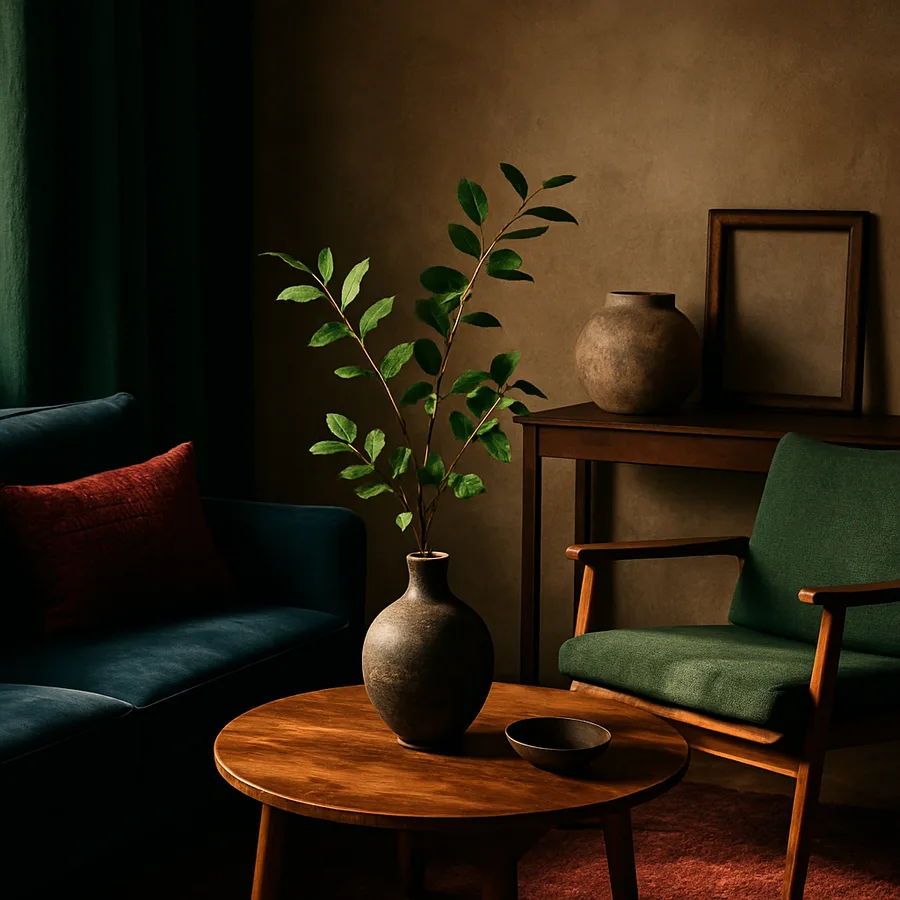
How to Understand the Japandi Foundation
Before you purchase a single piece of furniture, it is essential to understand what Japandi actually means and why the fusion of Japanese and Scandinavian design philosophies works so seamlessly. Both traditions share a deep respect for natural materials, a commitment to functional simplicity, and a belief that empty space is not wasted space but an active design element. Japanese interiors draw from the concept of wabi-sabi, finding beauty in imperfection and impermanence, while Scandinavian interiors are guided by hygge, the pursuit of warmth, coziness, and emotional well-being. Where these two philosophies overlap, Japandi emerges.
The practical result is a living room that feels both spare and warm, disciplined and inviting. Unlike pure minimalism, which can feel cold and impersonal, Japandi retains a human quality through its emphasis on tactile materials and organic forms. According to the Architectural Digest trend reports, Japandi has grown from a niche design interest into a widely adopted residential style, with search interest increasing by over 150 percent on major home design platforms since its emergence as a named category. This growth reflects a genuine consumer desire for calmer, more intentional living spaces.
One common misunderstanding is that Japandi rooms must be stark or empty. In practice, a successful Japandi living room contains everything you need and nothing you do not. Every object present has earned its place through function or genuine beauty, and the spaces between objects are as carefully considered as the objects themselves. The Japan Institute of Design Promotion describes this principle as ma, the conscious use of negative space to create balance and rhythm in a room. Scandinavian design shares this sensibility through the concept of lagom, meaning "just the right amount."
How would your living room feel if you removed everything that does not serve a clear purpose or bring you genuine pleasure? That question is the starting point for any Japandi transformation, and answering it honestly will guide every decision that follows. The process of editing is as important as the process of selecting, and this guide will walk you through both in practical, room-specific detail.
How to Choose the Right Furniture
Furniture selection in a Japandi living room begins with a single guiding principle: low, clean, and crafted. Both Japanese and Scandinavian traditions favor furniture with low profiles and horizontal emphasis, which creates a sense of groundedness and makes rooms feel more spacious. Your primary seating, whether a sofa, a platform daybed, or a collection of floor cushions, should sit closer to the ground than conventional Western furniture. A sofa with a seat height of 30 to 35 centimeters, paired with short tapered legs in light oak or walnut, strikes the right balance between Japanese floor-sitting culture and Nordic comfort expectations.
The coffee table is the centerpiece of the Japandi living room and should reflect the same low-profile aesthetic. Look for pieces in solid wood with visible joinery, rounded edges, and a simple rectangular or organic shape. Japanese woodworking traditions, particularly the art of sashimono (interlocking joinery without nails or screws), produce furniture of extraordinary durability and beauty. If budget allows, a handcrafted table from a maker working in this tradition will serve as the room's defining piece for decades. The American Craft Council maintains a directory of furniture artisans that includes makers working in both Japanese and Scandinavian woodworking traditions.
Storage furniture should be minimal and enclosed. Open shelving cluttered with objects contradicts the Japandi emphasis on visual calm. Instead, choose closed cabinets or sideboards in simple geometric forms with flush doors and concealed hardware. A single media console or credenza in light ash or pale oak, running along one wall, can house electronics, books, and miscellaneous items behind clean, uninterrupted surfaces. The NKBA has noted that concealed storage solutions consistently rank among the top priorities for homeowners seeking a calmer visual environment in their homes.
Accent seating deserves careful consideration. A single accent chair in woven paper cord or natural leather, positioned beside a window or reading lamp, provides both function and sculptural interest. Iconic Scandinavian designs like Hans Wegner's CH25 lounge chair or Japanese-inspired pieces with slatted backs and minimal frames work beautifully in this context. Resist the urge to add more seating than your household genuinely uses; empty floor space is a feature of the style, not a gap to be filled.
How to Build the Material Palette
Materials are where Japandi design communicates most powerfully, and the palette should emphasize natural, honest substances with minimal processing. Wood is the dominant material, and the species you choose sets the room's entire tonal character. Light-toned woods like white oak, ash, and birch align with the Scandinavian side of the equation, while darker, richer woods like walnut and black-stained cedar reflect the Japanese influence. Many successful Japandi rooms combine both, using light wood for large surfaces like floors and shelving and darker wood for accent pieces like a side table or a picture frame.
Beyond wood, introduce natural stone, ceramic, and handmade textiles to build sensory depth. A single ceramic vase with an unglazed exterior, a stone tray on the coffee table holding a candle and a small plant, or a hand-thrown tea bowl displayed on a shelf all bring the tactile quality of handcraft into the room. The American Society of Interior Designers reported in their annual outlook that 68 percent of designers identified handcrafted and artisan-made objects as a top client request, underscoring the market-wide movement toward materials with human touch and visible process.
Textiles in a Japandi living room should be simple, natural, and restrained in color. Linen is the fabric of choice for curtains, cushion covers, and throws, valued for its subtle texture and the way it softens with each wash. Wool in undyed or muted tones provides warmth without visual noise. Japanese indigo-dyed cotton, known as aizome, offers a traditional accent that bridges both cultures beautifully, as the deep blue pairs naturally with light wood tones. Avoid synthetic fabrics, bold prints, and high-contrast patterns, which disrupt the quiet harmony the style seeks to achieve.
Metal should appear sparingly and in muted, warm finishes. Brushed brass, blackened iron, and oxidized copper all work within the Japandi framework, primarily in lighting fixtures, small hardware, and decorative accents. Chrome and polished nickel feel too industrial for this context, while gold-plated finishes feel too ornate. The principle is that every material should look as though it has been shaped by human hands and aged by time, even if it is newly made.
How to Plan the Layout for Calm
The spatial arrangement of a Japandi living room is as important as the objects within it. Begin by identifying the room's focal point, which should be a single element of quiet beauty: a large window with a garden view, a simple fireplace with a stone or plaster surround, or a carefully hung piece of art. Everything else in the room should orient toward this focal point, creating a clear visual hierarchy that allows the eye to rest rather than dart between competing elements.
Arrange seating in a symmetrical or gently asymmetrical grouping that encourages both conversation and contemplation. A sofa facing the focal point with a single accent chair angled slightly toward it creates a balanced composition that feels intentional without being rigid. Leave generous space between furniture pieces; crowding destroys the sense of openness that is fundamental to both Japanese and Scandinavian spatial philosophy. A clear pathway through the room should be at least 90 centimeters wide, and the space between the sofa and coffee table should allow comfortable movement.
Floor treatment establishes the room's spatial character. Light-toned wide-plank hardwood running in the direction of the room's longest dimension creates a sense of expansiveness and calm. Layer a single area rug in a natural material, such as flat-woven wool, jute, or tatami-style rush matting, to define the seating area and add warmth underfoot. The rug should be large enough to anchor the sofa and coffee table but should leave a generous border of bare floor visible around the room's edges, reinforcing the sense of spaciousness.
Lighting in a Japandi room prioritizes warm, diffused illumination over bright task lighting. Paper lanterns, rice-paper pendants, and linen-shaded floor lamps produce the soft, even glow that both traditions favor. Avoid overhead spotlights or recessed cans that create harsh pools of light and shadow. Instead, distribute multiple low-wattage light sources throughout the room so that the illumination feels ambient and enveloping. The color temperature should be warm, in the range of 2700 to 3000 Kelvin, to complement the natural materials palette.
How to Accessorize with Intentional Restraint
Accessories in a Japandi living room follow the principle of ichigo ichie, a Japanese concept meaning "one time, one meeting," which encourages full presence with and appreciation for each individual object. Rather than displaying a collection of items, select a very small number of objects and give each one room to breathe. A single branch of flowering quince in a handmade ceramic vase, placed on an otherwise empty console table, creates a moment of beauty that would be diluted if surrounded by competing objects.
Plants serve an essential role, connecting the interior to the natural world, but they should be chosen and placed with the same restraint applied to everything else. A single large-scale plant, such as a fiddle-leaf fig, a Japanese maple bonsai, or a tall dracaena, can anchor a corner of the room and provide living sculptural interest. Smaller plants, like a pothos cutting in a glass vessel or a small fern in a stone planter, can be placed on a shelf or side table. The Better Homes and Gardens indoor plant guide recommends limiting living room plants to two or three specimens, choosing varieties that complement the room's light conditions rather than forcing tropical species into north-facing spaces.
Wall art should be minimal and meaningful. A single large-format piece, whether a monochrome photograph, an abstract ink painting, or a textile wall hanging, is preferable to a gallery wall of many frames. Japanese calligraphy, Nordic landscape photography, and abstract ceramic wall sculptures all work within the aesthetic. Frame choices should be simple: thin black wood, natural oak, or no frame at all for pieces mounted directly to the wall. The art should invite contemplation rather than immediate comprehension, giving the viewer something to return to each day.
Books, candles, and functional objects round out the accessory palette. Stack a small number of books, no more than three or four, on the coffee table, choosing volumes with restrained cover designs that harmonize with the room's palette. A single high-quality scented candle in a ceramic or glass vessel provides both ambient light and fragrance; choose scents that echo the natural world, such as hinoki cypress, cedarwood, sandalwood, or white tea. Have you noticed how the scent of a room can change your mood as instantly as its visual appearance? This overlooked dimension of interior design is central to both Japanese and Scandinavian home culture.
How to Avoid Common Japandi Mistakes
The most frequent error in Japandi living rooms is confusing minimalism with emptiness. A room with bare white walls, a single gray sofa, and nothing else is not Japandi; it is under-furnished. The style requires warmth, which comes from the richness of materials, the quality of craftsmanship, and the presence of carefully chosen organic elements. If your room feels cold or unwelcoming, the solution is not to add more objects but to upgrade the materials of what is already there: replace a polyester throw with a wool one, swap a laminate shelf for solid wood, or add a handmade ceramic piece that introduces textural interest.
Another common mistake is over-matching. When every piece of wood in the room is the same species, every textile the same shade of beige, and every metal the same brushed brass, the result is monotonous rather than harmonious. Japandi rooms thrive on subtle contrast: pair light oak with dark walnut, set rough linen against smooth ceramic, place a matte surface next to a slight sheen. The ASID has noted that rooms with controlled material contrast score higher in both visual interest and perceived comfort than rooms with uniform material selection.
Scale errors can also undermine a Japandi room. Furniture that is too large overwhelms the space and eliminates the negative space that the style depends on. Furniture that is too small makes the room feel disconnected and tentative. Take careful measurements before purchasing, and use painter's tape on the floor to visualize furniture footprints before committing. The Scandinavian Design Council recommends that furniture occupy no more than 60 percent of a room's floor area to maintain the sense of openness and calm that characterizes Nordic interiors.
Finally, resist the temptation to theme the room too literally. A Japandi living room should not contain shoji screens, bonsai trees, Danish flags, and Viking-motif textiles all at once. The fusion is philosophical, not decorative. It is about shared values of simplicity, nature, craft, and calm rather than about combining national symbols or stereotypical cultural objects. The best Japandi rooms feel like they belong to no particular country but to a universal human desire for peace and beauty in daily life.
Conclusion: Your Path to Japandi Calm
Creating a Japandi living room is less about buying specific products and more about cultivating a specific mindset. It asks you to slow down, to choose carefully, to value quality over quantity, and to find beauty in simplicity and natural imperfection. The process itself, the editing, the selecting, the patient search for the right piece, is an expression of the values that both Japanese and Scandinavian cultures hold dear.
Begin with a thorough edit of your current living room. Remove everything that does not serve a clear functional purpose or bring you genuine aesthetic pleasure, and live with the resulting emptiness for at least a week before adding anything new. You may discover that the room already feels calmer and more spacious, and that the items you eventually choose to add are more intentional and meaningful than what they replaced.
When you are ready to furnish, prioritize the three elements that will have the greatest impact: a quality sofa in a low profile with natural upholstery, a solid wood coffee table with visible craftsmanship, and a natural fiber rug that anchors the seating area. With those three pieces in place, the room will have a strong Japandi foundation that you can develop gradually over months and years, adding one carefully chosen element at a time.
Consider working with an interior designer who specializes in Japanese, Scandinavian, or Japandi aesthetics to help you source authentic materials and artisan-made pieces. The ASID professional directory allows you to search by specialization and location, connecting you with experts who can guide your transformation from concept to completion.
More Articles You May Like



Comments
Post a Comment