Color Psychology in Interior Design: Ideas to Energize Your Living Room
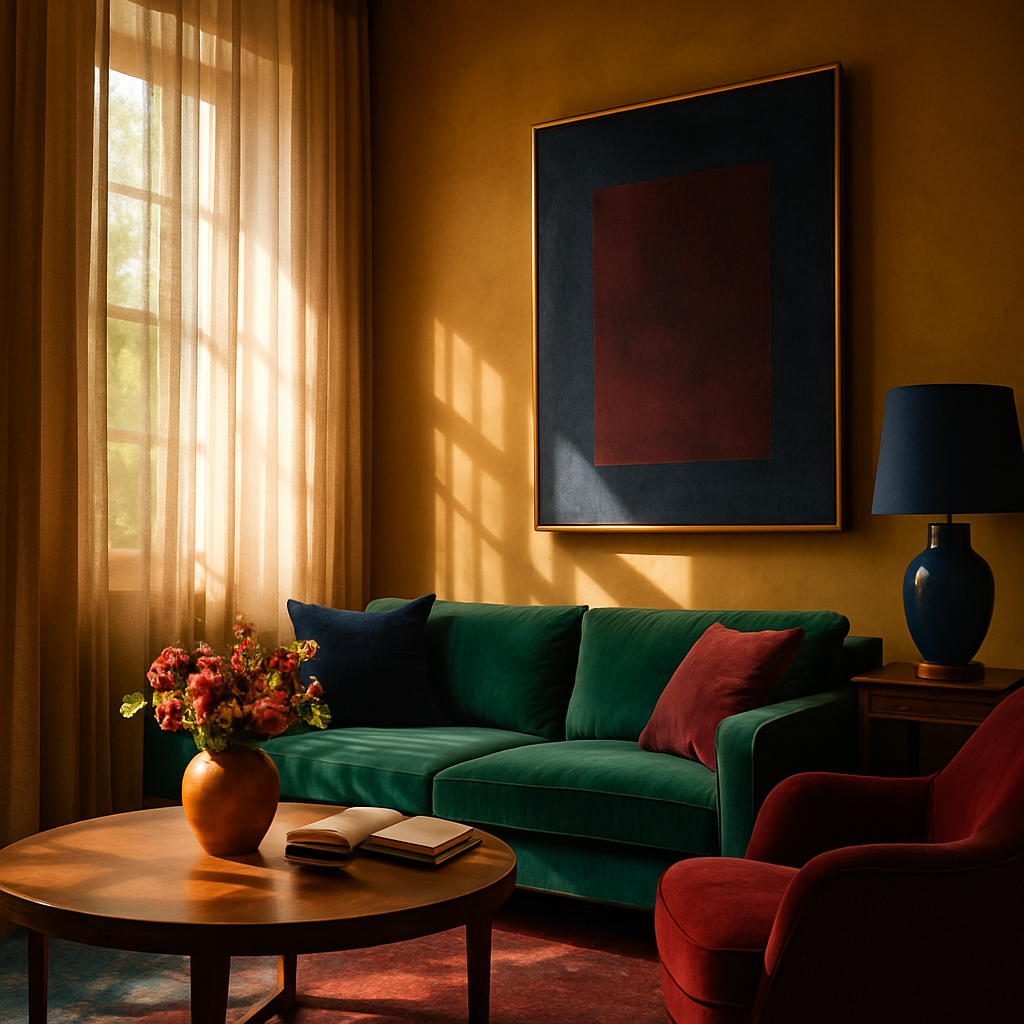
Have you ever walked into a room and felt an instant surge of energy or a calming wave of relaxation? This is the power of color psychology at work. According to a report by the American Society of Interior Designers (ASID), color can significantly impact mood and behavior, making it a crucial element in interior design. In this article, we'll explore how you can harness color psychology to energize your living room, delve into the science behind colors, and provide expert strategies for practical application. Whether you're redesigning your space or just looking to refresh your walls, understanding color psychology can transform how you feel in your home.
Understanding the Basics of Color Psychology
Color psychology is the study of how hues can affect human behavior and emotions. While this field is complex, its principles are increasingly used in interior design to evoke specific feelings. For instance, warm tones like red, orange, and yellow are known to boost energy and stimulate conversation. These colors are often used in social spaces where you want to encourage interaction and vibrancy. Red, in particular, is associated with passion and excitement, a perfect choice for a living room meant for lively gatherings.
On the other hand, cool colors such as blue and green tend to have a calming effect. These hues are often used in spaces intended for relaxation or concentration, such as bedrooms or offices. However, when used sparingly in a living room, cool colors can provide a soothing backdrop that balances more vibrant accents. According to Houzz, a leading platform for home remodeling and design, incorporating balanced color schemes can result in higher homeowner satisfaction with their living spaces.
Neutral colors like grey, white, and beige also play a critical role in color psychology. These shades offer versatility and can serve as a calming canvas for more vibrant colors. Experienced professionals often note that using a neutral base allows homeowners to easily switch out accent pieces as trends and preferences change. As you consider the colors for your living room, think about the emotions you want to evoke and how different hues can contribute to that atmosphere.
The Science Behind Color Influence
The impact of color on mood and behavior is supported by various studies and surveys. According to a survey by Houzz, 45% of homeowners reported feeling more comfortable and happier in rooms painted with their preferred colors. This suggests that personal color preference is just as important as general color psychology principles. After all, you are the one who will spend the most time in your living room, so the colors should resonate with you personally.
Research has shown that colors can directly influence physiological reactions. For instance, red can increase heart rate and stimulate appetite and conversation, making it a popular choice for dining and living areas. Conversely, blue has been found to lower heart rate and slow respiration, encouraging relaxation and tranquility. These physiological effects underline why color selection is crucial in interior design.
Moreover, seasonal and cultural factors can also play a role in how colors are perceived. For example, white is often associated with purity and cleanliness in Western cultures but can symbolize mourning in others. Understanding these nuances can help you choose colors that not only energize your living room but also align with your personal and cultural sensibilities. As you plan your design, consider how these elements might influence your color choices.
Actionable Strategies for Applying Color Psychology
Now that you have a foundational understanding of color psychology, it's time to apply these principles to your living room. Begin by mapping out your space and determining where you want to use color to create energy. Consider using an accent wall to add a pop of vibrant color. A bold orange or lively green can become the focal point of the room, drawing attention and setting the mood.
Incorporate colorful accessories to create a dynamic atmosphere without overwhelming the space. Throw pillows, artwork, and rugs in energetic colors can add layers of interest and warmth. The International Interior Design Association (IIDA) suggests that accessories are an excellent way to experiment with color trends, such as the 2026 trend of Japandi, which combines Japanese minimalism with Scandinavian warmth.
Additionally, lighting plays a crucial role in how colors are perceived. Use smart home integration to adjust lighting tones and intensities, enhancing the color effects in your living room. Automated window treatments can also help control natural light, ensuring your colors look vibrant throughout the day. As you implement these strategies, pay attention to how different elements interact and adjust as necessary to achieve your desired effect.
Expert Insights on Color and Design
Experienced professionals often emphasize the importance of balance and harmony in color design. While it's tempting to follow trends, your living room should reflect your personal style and preferences. According to the National Council for Interior Design Qualification (NCIDQ), a gold-standard credential in interior design, achieving a cohesive look involves more than just matching colors. It requires an understanding of how different elements work together to create a unified space.
One approach is to use a color wheel to find complementary and analogous colors that can create harmony in your living room. Complementary colors are opposite each other on the wheel and can create a vibrant contrast, while analogous colors are next to each other and offer a more harmonious look. These tools can guide you in selecting color combinations that energize your space without overwhelming it.
Furthermore, consider how texture and material can affect color perception. A matte finish can tone down a bold color, while a glossy texture can make it pop. Sustainable materials, a growing trend in interior design, can also add depth and interest. By incorporating these elements, you can create a living room that is not only energizing but also sophisticated and stylish.
Exploring Additional Color Techniques
Beyond the basics, there are advanced techniques that can bring your color design to the next level. One such technique is the use of AR/VR room visualization tools, which allow you to experiment with different color schemes before making any permanent changes. Platforms like Pinterest and Instagram offer a wealth of inspiration and examples of successful color use in living rooms.
Another technique is layering colors to create depth and dimension. Start with a base color, then add layers of complementary shades through furniture, textiles, and decor. This approach not only energizes the space but also creates a more visually engaging environment. Consider the principle of biophilic design, which incorporates natural elements and colors to promote well-being and connection to nature.
Finally, don't overlook the impact of seasonal changes on your color choices. As the light shifts throughout the year, so too will the appearance of your colors. By selecting adaptable shades and utilizing seasonal decor, you can keep your living room feeling fresh and energized year-round. As you explore these techniques, keep in mind the overall atmosphere you wish to create and how each element contributes to that vision.
Final Thoughts on Energizing Your Living Room
As you venture into the world of color psychology in interior design, remember that the ultimate goal is to create a living room that energizes and inspires you. The colors you choose should not only reflect your personal style but also enhance the mood and functionality of the space. By applying the principles and strategies discussed, you can transform your living room into a vibrant and inviting area.
Consider how your current color choices make you feel. Are they invigorating or do they leave something to be desired? As you make changes, be mindful of how different combinations and elements interact. This process can be as simple or as complex as you make it, depending on your goals and preferences.
With so many options and strategies available, the possibilities for energizing your living room through color are nearly endless. As you experiment, remember that the best interiors are those that reflect the personality and values of their inhabitants. Let your space tell your story, one color at a time.
Conclusion
Incorporating color psychology into your living room can significantly enhance the atmosphere and energy of your space. By understanding the emotional and physiological impacts of different hues, you can make informed decisions that align with your style and goals. As you embark on this creative journey, consider starting by browsing designer portfolios on Houzz for inspiration. Even 20 minutes of research can sharpen your eye for what you want. Ready to transform your living room into an energizing haven? Begin experimenting with color today, and watch as your space comes to life in vibrant new ways.



Comments
Post a Comment