Transform Your Living Space: 10 Trending Room Interior Design Ideas for 2023
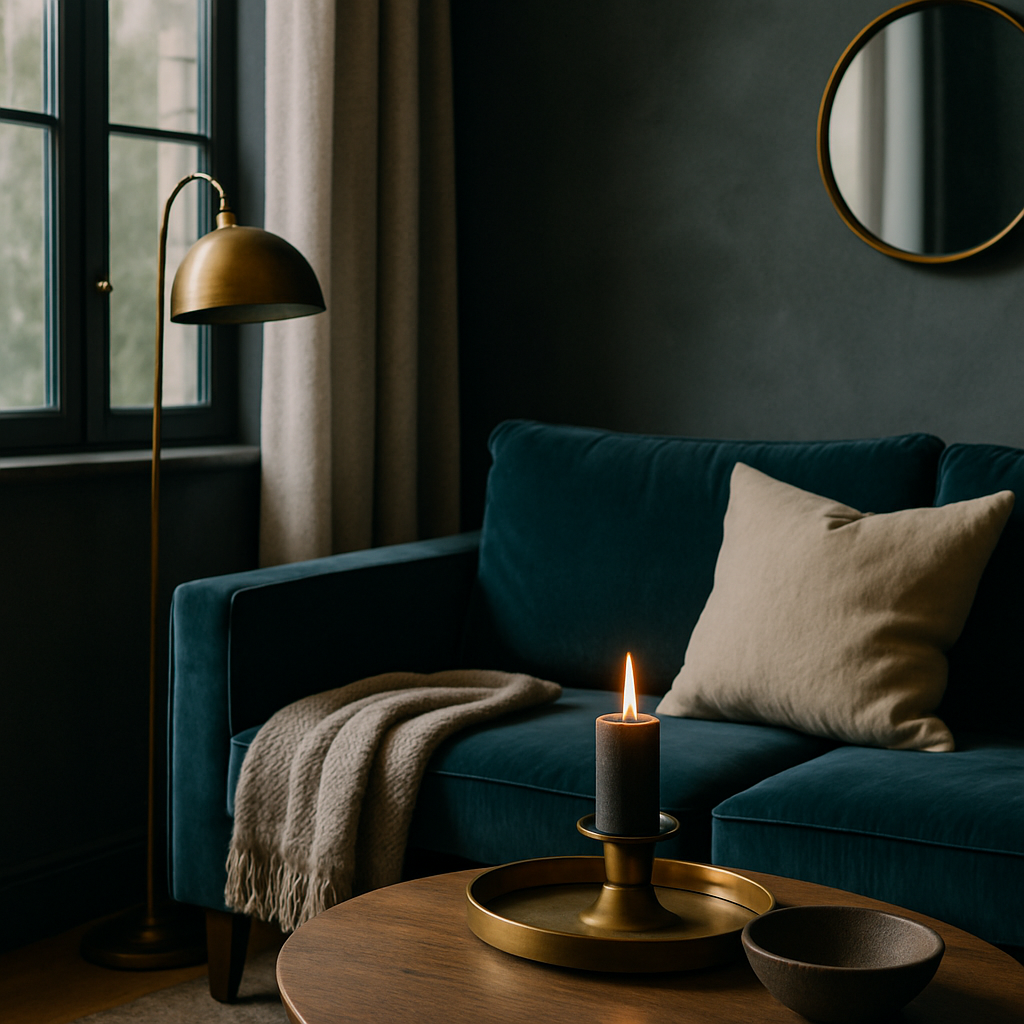
Imagine walking into a room that radiates both comfort and style, each piece harmoniously blending to tell a story of modern elegance. This isn't just a dream; it's achievable with the right design insights. According to Houzz's latest survey, 73% of homeowners are investing in redesign projects to enhance not only their living spaces but also their quality of life. With interior design trends continually evolving, the challenge becomes identifying which ones will have enduring appeal and practical functionality. This article will explore ten trending interior design ideas that can transform any room, offering foundational concepts, deeper insights, actionable strategies, and expert advice to guide you toward creating a space that reflects your personality and needs.
Foundational Interior Design Concepts
At the heart of any successful design project lies a strong understanding of foundational interior design concepts. These principles guide the overall aesthetic and functionality of a room, ensuring that the space is both beautiful and practical. One of the key concepts is balance, which can be achieved through symmetrical, asymmetrical, or radial arrangements. Each type of balance brings a different energy to a room-symmetrical balance, for instance, is often calming and orderly, while asymmetrical balance can introduce dynamic interest.
Another essential concept is scale and proportion. A room's furnishings must be appropriately sized for the space to avoid a cramped or sparse appearance. Experienced professionals often note that a common mistake is choosing furniture that is too large or too small, disrupting the room's harmony. A well-proportioned room feels comfortable and inviting, drawing the eye naturally around the space.
Finally, consider the principle of rhythm, which guides the flow of a room through patterns and repetition. This could involve repeating elements such as color, texture, or shapes. For example, using a consistent color palette throughout the room or repeating patterns in textiles and artwork can unify the space. Understanding these foundational concepts provides a solid groundwork from which to explore and implement trending design ideas.
Exploring Design Trends with Data
To truly transform your living space, it's important to delve into current design trends backed by data. According to the American Society of Interior Designers (ASID), biophilic design continues to gain traction, with 60% of designers incorporating natural elements into their projects. This trend aligns with a growing desire for spaces that promote well-being by integrating natural light, plants, and organic materials.
Quiet luxury, characterized by understated elegance and high-quality materials, is another trend taking center stage. This design direction focuses on simplicity, with a preference for timeless pieces that offer both comfort and functionality. The International Interior Design Association (IIDA) notes that this trend is particularly popular among urban dwellers looking to create serene sanctuaries away from the hustle and bustle of city life.
Additionally, technological integration in the form of smart home features is revolutionizing how we interact with our spaces. Automated lighting, climate control, and window treatments are becoming standard, with 45% of homeowners implementing these technologies, according to a recent Houzz survey. These advancements not only enhance convenience but also contribute to energy efficiency-a factor increasingly valued in modern design.
Actionable Strategies for Your Space
Armed with an understanding of foundational concepts and current trends, you're ready to take actionable steps toward transforming your living space. Start by mapping out how you actually use each room-where you drop your keys, where the kids do homework, and where you unwind after a long day. This practical assessment will guide your design decisions, ensuring that changes enhance your daily life.
Consider incorporating biophilic elements to bring nature indoors. This could mean adding potted plants or a living wall, using materials like wood and stone, or maximizing natural light with large windows or skylights. Not only do these elements create a calming environment, but they also improve air quality and increase the room's aesthetic appeal.
When it comes to quiet luxury, focus on quality over quantity. Invest in key pieces that will stand the test of time, such as a well-made sofa or a handcrafted dining table. These items become the foundation of your design, around which other elements can be arranged. Remember, a well-curated space is both stylish and functional, reflecting your personal taste and lifestyle needs.
Expert-Level Insights for Design Success
For those seeking expert-level design, consider consulting a certified interior designer. Designers with credentials like the NCIDQ (National Council for Interior Design Qualification) bring a wealth of knowledge and experience, ensuring your project is executed to the highest standard. They can provide valuable insights into material selection, space planning, and the integration of cutting-edge design technologies.
One area where expert advice is particularly beneficial is in the use of augmented reality (AR) and virtual reality (VR) tools. These technologies allow you to visualize changes before they are made, offering a risk-free way to experiment with different layouts and color schemes. Designers often use these tools during the concept development phase to ensure client satisfaction before moving into procurement and installation.
Experts also emphasize the importance of sustainability in design. Choosing reclaimed or sustainably sourced materials not only reduces environmental impact but also adds unique character to your space. As consumers become more eco-conscious, integrating sustainable practices into your design can elevate the overall impact and appeal of your project.
Additional Depth: Budgeting and Planning
Effectively transforming your living space requires careful budgeting and planning. Understanding the typical cost structures can help you allocate resources wisely. Interior design fees can vary significantly, ranging from a flat fee to an hourly rate of $150-$500, or a percentage of the total project cost, usually between 10-25%. Being clear about your budget from the outset ensures that the project stays on track financially.
For a single room redesign, expect to invest between $5,000 and $15,000, while a full-home project could range from $50,000 to $150,000 or more. These figures are guidelines; the actual cost will depend on the scope of your project and the materials you choose. Remember that investing in quality design can yield a 5-15% higher resale value, a fact supported by industry surveys.
Planning also involves setting realistic timelines. The design process typically unfolds over several phases: concept development, design presentation, procurement, installation, and styling. Each phase requires careful coordination and attention to detail to ensure a successful outcome. By understanding the financial and logistical aspects of your project, you can better navigate the complexities of interior design.
Final Perspectives on Transforming Your Space
As you embark on your interior design journey, remember that the ultimate goal is to create a space that feels authentically yours. Whether you're drawn to the natural allure of biophilic design or the sleek elegance of quiet luxury, the choices you make should reflect your personal style and the way you live. Consider the long-term value of your design decisions, both in terms of personal satisfaction and potential resale benefits.
Reflect on the question: How does your current space make you feel, and how do you want it to change? Use this reflection as a guiding principle throughout your design process. By focusing on what truly matters to you, your project will result in a living space that supports and enhances your lifestyle.
As trends continue to evolve, staying informed and open to new ideas will ensure your space remains fresh and inspiring. With the right balance of foundational concepts, current trends, and expert advice, you can transform any room into a stylish and functional haven.
Conclusion: Your Next Steps in Interior Design
In summary, transforming your living space through interior design is an art that combines foundational principles with current trends and expert insights. By understanding and applying these elements, you can create a room that not only meets your aesthetic goals but also enhances your everyday life. Do you feel ready to take the first step? Start by browsing designer portfolios on platforms like Houzz or Instagram this week. Even 20 minutes of research will sharpen your eye for what resonates with you.
As you plan your project, consider consulting a certified interior designer to bring your vision to life with precision and flair. Remember, the space you create is a reflection of you-embrace this opportunity to express your unique style and transform your living space into a place of comfort and inspiration.



Comments
Post a Comment