10 Innovative Home Interior Design Trends to Transform Your Space
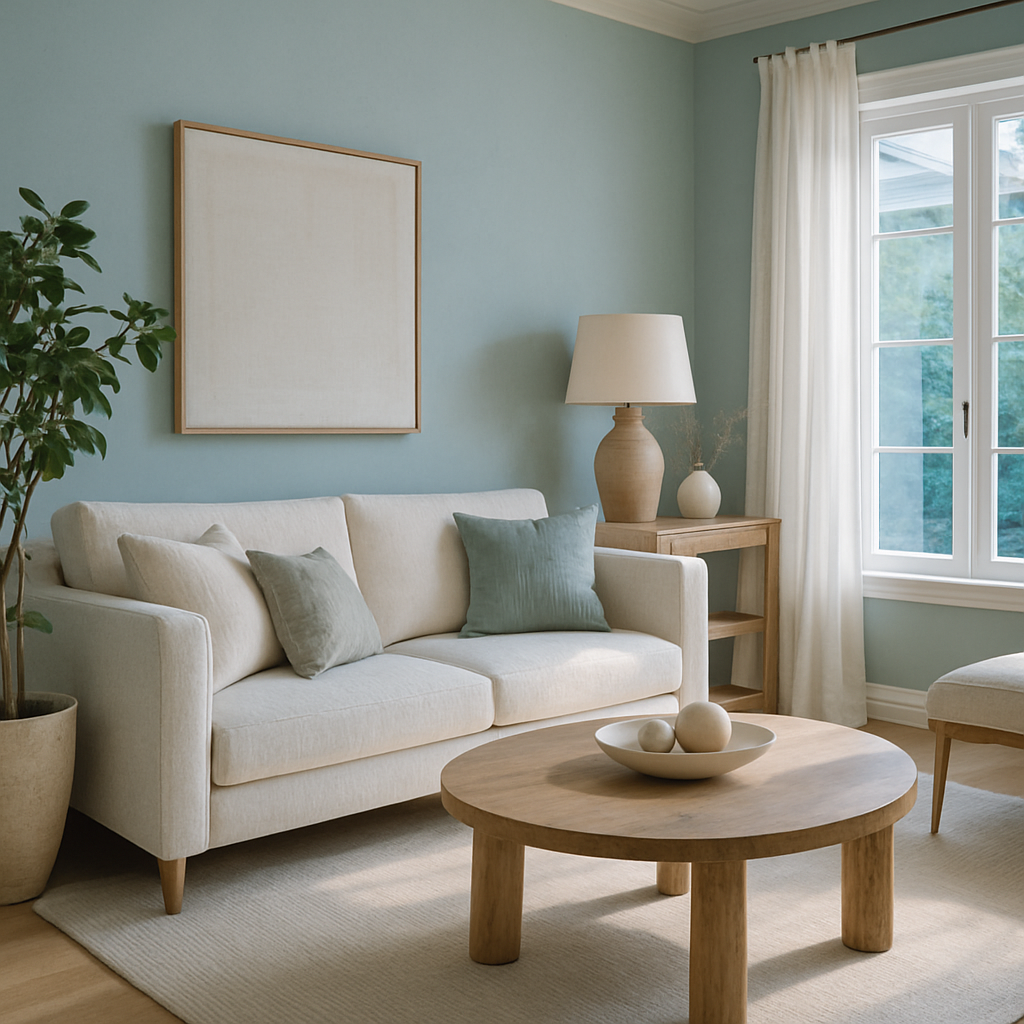
The interior design landscape shifts constantly, driven by advances in technology, evolving lifestyle needs, and a growing awareness of sustainability. Keeping pace with these changes can feel overwhelming, but understanding the core trends allows you to make choices that will age well rather than feel dated within a season. Organizations like the American Society of Interior Designers (ASID) and the International Interior Design Association (IIDA) track these movements rigorously, publishing annual reports that separate genuine shifts from passing fads. What follows is a curated selection of ten trends that professionals certified through the National Council for Interior Design Qualification (NCIDQ) consider transformative--not because they are new for the sake of novelty, but because they solve real problems in how people live. Whether you are planning a full renovation budgeted at ,000 to ,000 per room or simply refreshing a single space, these ideas will give you a framework for making decisions that are both current and enduring.
Biophilic Design Moves Beyond Houseplants
Biophilic design--the integration of natural elements into built environments--has matured far beyond placing a potted fern on a windowsill. Current applications include living walls that span entire feature surfaces, water elements like tabletop fountains that introduce ambient sound, and natural material palettes that bring stone, wood, and clay into direct tactile contact with occupants. Research published by ASID demonstrates that biophilic environments reduce cortisol levels by up to fifteen percent and improve cognitive performance, making them not merely attractive but measurably beneficial. Designers on Houzz report that biophilic projects now account for a significant portion of residential consultations.
The practical execution of biophilic design requires attention to maintenance. Living walls need irrigation systems and adequate light; natural stone surfaces require sealing to resist staining; and indoor trees demand containers large enough to sustain healthy root systems. Professional designers charging to per hour can help you select biophilic elements that match your maintenance tolerance. A low-maintenance version might include preserved moss panels, which require no watering and retain their color for years, paired with wooden accent walls made from reclaimed barn board. A higher-commitment version might feature a built-in aquarium or a courtyard garden visible through interior glass walls.
The key insight is that biophilic design is not a single element but a layered system. Combining natural light with organic materials, living greenery, and nature-inspired color palettes creates a cumulative effect that no single plant or wooden shelf can achieve alone. When planning your approach, think in terms of the five senses: visual texture from natural grain patterns, tactile warmth from wood and stone, auditory calm from water features, olfactory freshness from live plants, and even the subtle taste dimension of a kitchen herb garden within arm's reach while cooking. This sensory richness distinguishes biophilic spaces from conventionally decorated ones and leads naturally into the next trend, which concerns how materials themselves are sourced.
Sustainable Materials Become the Standard
Sustainability in interior design has shifted from a niche preference to a baseline expectation. Clients increasingly ask about the provenance of materials before discussing aesthetics, and designers who cannot answer those questions risk losing business. FSC-certified wood, recycled metal fixtures, low-VOC paints, and textiles made from organic or regenerated fibers are now readily available at price points competitive with conventional alternatives. The NCIDQ examination includes sustainability competencies, signaling that the profession considers environmental literacy a core skill rather than an optional specialization.
Reclaimed and upcycled materials carry a double advantage: they reduce waste and introduce character that new materials cannot replicate. A dining table made from salvaged factory flooring tells a story that a mass-produced piece never will. Similarly, vintage brass hardware, antique door pulls, and repurposed architectural elements add layers of history to a room. AD PRO regularly features designers who build entire projects around a single salvaged element--a reclaimed fireplace mantel, a set of industrial windows, or a run of vintage subway tile--letting that piece anchor the aesthetic direction of the space.
When budgeting for sustainable materials, expect a modest premium on certain items--perhaps ten to twenty percent above conventional equivalents--but recognize that durability often offsets the initial cost. Solid reclaimed wood lasts generations, while particleboard furniture typically needs replacing within a decade. IIDA sustainability guidelines recommend a lifecycle cost analysis when comparing options, factoring in replacement frequency, disposal costs, and the health benefits of low-emission materials. Sustainable sourcing pairs naturally with the next trend: a design philosophy that prizes restraint and quality over abundance.
Quiet Luxury Replaces Conspicuous Display
The quiet luxury movement represents a fundamental shift in how affluence expresses itself through interior design. Gone are the gilded mirrors, logo-emblazoned cushions, and crystal chandeliers that once signaled wealth. In their place, designers are specifying cashmere throws without visible branding, hand-plastered walls with subtle textural depth, and furniture whose craftsmanship is evident only upon close inspection. ASID trend reports describe this as a move from "showing" to "knowing"--spaces that communicate quality through material integrity rather than visual spectacle.
Executing quiet luxury requires an understanding of material hierarchy. The difference between a mass-produced linen and a Belgian-woven flax is invisible at a distance but immediately apparent to touch. Similarly, a bespoke walnut credenza with hand-cut dovetail joints looks similar to a factory version in photographs but feels entirely different in person. Designers working within this aesthetic often allocate a larger percentage of the budget--sometimes as high as 25 percent of total project cost--to fewer, higher-quality pieces rather than spreading funds across many decorative items. Does the surface invite you to run your hand across it? That tactile test is the quiet luxury litmus.
This trend aligns well with small-space living because it inherently favors fewer possessions of greater quality. A single statement armchair in a perfectly proportioned room communicates more than a cluttered space full of mid-range pieces. The color palette tends toward warm neutrals--oatmeal, taupe, greige, soft clay--with interest created through texture variation rather than color contrast. Houzz surveys indicate that homeowners who invest in quiet luxury report higher long-term satisfaction with their spaces, partly because the aesthetic ages gracefully and requires less frequent updating. From the understated, the next trend swings toward the culturally blended.
Japandi Aesthetic Bridges East and West
Japandi--the fusion of Japanese minimalism with Scandinavian functionalism--continues to gain momentum because it solves a problem that pure minimalism cannot: warmth. Stark white rooms with bare surfaces can feel clinical, but the Japandi approach introduces warmth through natural wood tones, handcrafted ceramics, and woven textiles while maintaining the breathing room that minimalism provides. The IIDA has highlighted Japandi as one of the most durable cross-cultural design movements because its underlying principles--craftsmanship, restraint, and respect for natural materials--transcend seasonal trend cycles.
Key Japandi elements include low-profile furniture that emphasizes horizontal lines, a palette of warm neutrals accented by muted earth tones, and a deliberate embrace of imperfection known as wabi-sabi. A hand-thrown ceramic vase with an uneven rim, a linen napkin with visible weave irregularities, or a wooden stool showing tool marks are not flaws in the Japandi framework but evidence of human craft. Designers featured on AD PRO recommend sourcing from artisan makers rather than mass retailers to capture this authenticity. The budget impact is moderate: artisan pieces cost more individually, but the overall piece count is lower, often resulting in comparable total spend.
Functionality is non-negotiable in Japandi spaces. Every object must justify its presence through utility, beauty, or ideally both. Storage is concealed behind clean-lined cabinetry rather than displayed on open shelves, and decorative objects are rotated seasonally rather than accumulated permanently. This curatorial approach requires discipline but rewards its practitioners with spaces that feel intentional and calm. What would your room look like if you removed everything that did not serve a clear purpose? That thought experiment is the starting point for Japandi design, and it connects directly to the next trend: the integration of technology into these clean, purposeful spaces.
Smart Home Integration Becomes Invisible
The best smart home technology is the kind you never see. Early smart homes were defined by visible gadgets--bulky hubs, tangled charging stations, screens mounted on every surface. Current smart home integration hides technology behind walls, inside furniture, and within the architectural envelope itself. Wireless charging surfaces built into nightstands, speakers embedded in ceilings, and motorized shading systems concealed within crown molding allow technology to serve without intruding. ASID practice guidelines now include smart home specification as a standard service, with designers coordinating between clients, electricians, and technology integrators to plan infrastructure during the construction phase rather than retrofitting after move-in.
The cost of invisible integration has dropped substantially. A basic smart lighting system covering a three-bedroom home can be installed for under ,000, while a comprehensive system including climate control, security, automated shading, and integrated audio typically ranges from ,000 to ,000. Designers who charge a 10 to 25 percent project management fee on renovation budgets often include technology coordination within that scope. AR and VR visualization tools play a growing role in this process, allowing homeowners to experience smart home scenarios virtually before committing to wiring runs and switch placements.
Privacy and security deserve careful consideration as smart systems proliferate. Devices with microphones and cameras should be positioned thoughtfully, and network security should be addressed during installation rather than treated as an afterthought. IIDA technology guidelines recommend working with certified integrators who can segment smart home devices onto a dedicated network, isolating them from personal computers and phones. When executed well, smart home integration simplifies daily routines, reduces energy consumption, and enhances comfort without adding visual complexity. This invisible approach to technology dovetails with the next trend, which concerns how we use color to influence mood.
Earthy, Complex Color Palettes Replace Gray
The decade-long dominance of cool gray in residential interiors is over. Designers across ASID, IIDA, and independent practice report a decisive shift toward warmer, more complex palettes inspired by natural landscapes. Terracotta, sage green, warm ochre, deep olive, and burnt sienna are appearing on walls, cabinetry, and upholstery where cool gray once ruled. These colors carry emotional weight that neutral gray cannot: terracotta evokes warmth and groundedness, sage suggests calm and renewal, and ochre introduces optimism without the intensity of pure yellow. Houzz color trend data confirms that warm-toned rooms receive significantly more saves and engagement than their cool-toned counterparts.
Applying these colors effectively requires understanding undertone relationships. A sage green wall paired with a warm oak floor creates harmony because both carry yellow undertones, whereas the same green against a cool ash floor can feel discordant. Professional color consultations--typically to for a whole-home palette--can prevent costly mismatches. Designers recommend testing paint colors with large samples applied directly to the wall and observed across multiple lighting conditions before committing. The interaction between paint color and light temperature is so significant that a color chosen under warm incandescent light may look entirely different under cool daylight from a north-facing window.
The trend toward complex color also extends to cabinetry and trim. Painted kitchen cabinets in deep green or navy, window frames in black or bronze, and interior doors in contrasting tones all reflect a willingness to move beyond the all-white-everything aesthetic that dominated the previous era. These choices require more design confidence but yield spaces with greater personality and visual richness. What emotion do you want to feel when you walk into your living room? Identifying that target feeling is the most reliable guide to choosing your palette, and it leads naturally into the final section on how all these trends come together in practice.
Curated Maximalism Challenges Minimalist Orthodoxy
While Japandi and quiet luxury emphasize restraint, a counter-movement is gaining traction: curated maximalism, which embraces abundance but insists on intentionality. Unlike the haphazard accumulation that gives maximalism a bad reputation, the curated version treats a room as a gallery where every object has been chosen for a reason--a travel memory, an artistic reference, a personal milestone. ASID practitioners describe this approach as "minimalism of intent with maximalism of expression," and it resonates strongly with homeowners who find stark spaces emotionally cold.
The practical challenge of curated maximalism is preventing visual chaos. Designers solve this by establishing a unifying thread--a consistent color temperature, a shared material family, or a recurring motif--that ties diverse objects into a coherent composition. A collection of blue-and-white ceramics from five different countries, for example, reads as curated rather than cluttered because the color palette provides cohesion. Shelving arrangements that combine books, objects, and negative space in roughly equal proportions create rhythm that the eye can follow without fatigue. AD PRO profiles of maximalist interiors consistently reveal this underlying structure beneath the surface abundance.
Curated maximalism can coexist with sustainability and biophilic design when collections emphasize vintage, handmade, or natural objects over mass-produced decor. A wall of framed botanical prints, a shelf of hand-thrown pottery, and a stack of antique leather-bound books introduce visual richness while supporting artisan economies and keeping items out of landfills. The budget for curated maximalism is flexible: it can be achieved inexpensively through thrift shopping and estate sales or lavishly through gallery-sourced art and designer collectibles. The determining factor is not money but editorial discipline--the willingness to say no to the merely pretty in favor of the genuinely meaningful.
Conclusion
These ten trends share a common thread: they prioritize human experience over superficial aesthetics. Biophilic design improves wellbeing, sustainable materials protect health and environment, quiet luxury rewards touch over display, Japandi encourages intentionality, smart integration simplifies daily life, complex color palettes influence mood, and curated maximalism honors personal narrative. The NCIDQ-certified professionals who implement these ideas daily understand that a well-designed home is not a showroom--it is a tool for living better. Whether you engage a designer through ASID or IIDA referral networks at rates from to per hour, or tackle projects independently using AR visualization tools available through Houzz, the goal remains the same: spaces that serve your life as it actually is.
Choose one or two trends that resonate with your current frustrations and start there. If your home feels sterile, introduce biophilic elements and warmer color tones. If it feels chaotic, explore Japandi principles and smart home consolidation. If it feels generic, curate a collection that tells your story. The transformation does not require a single dramatic overhaul; it thrives on thoughtful, incremental changes that compound over time. What is the one quality your home is missing right now--warmth, calm, personality, function? Name it, and let that single word guide every design decision you make from this point forward.
More Articles You May Like



Comments
Post a Comment