The Future of Interior Design Services: Trends That Will Shape Your Space
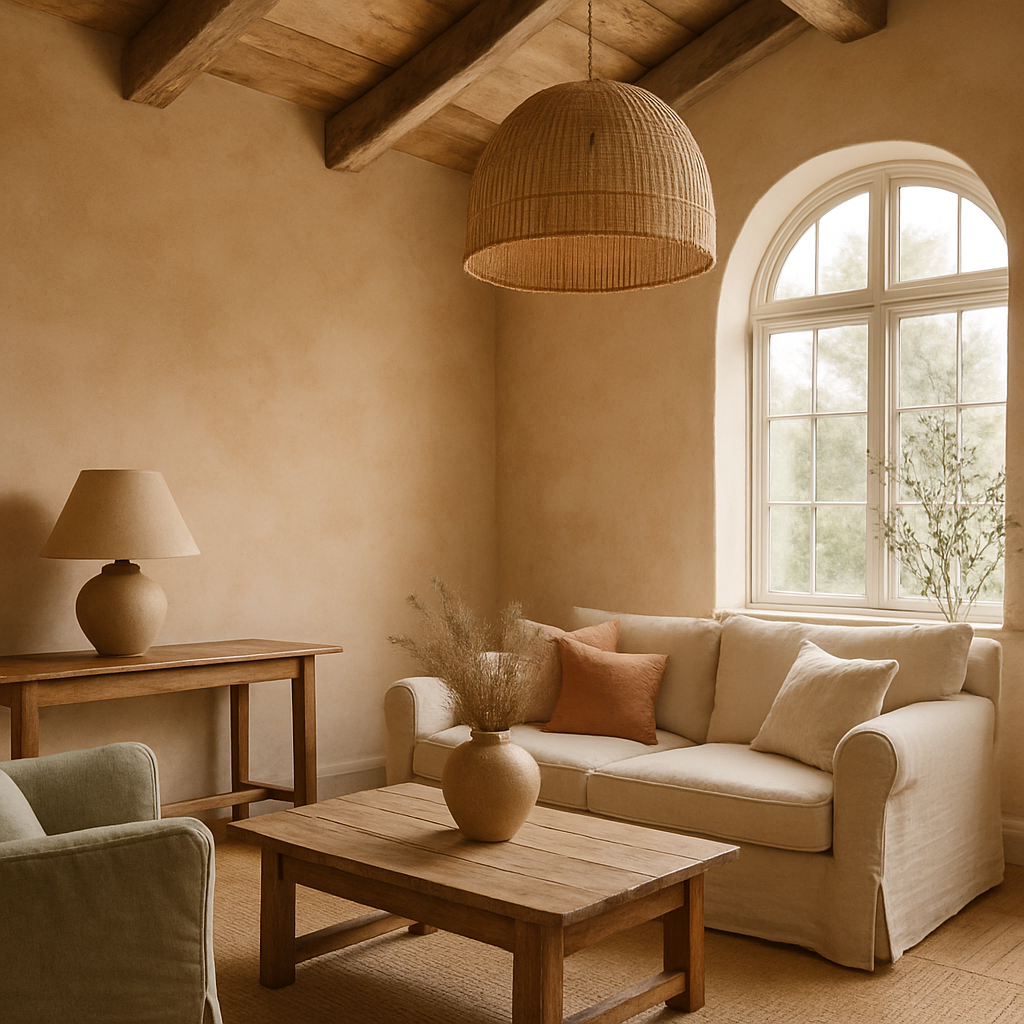
Imagine walking into a home where the walls seem to breathe with life, the lighting adjusts to your mood effortlessly, and every element of décor tells a story of sustainability and elegance. This is not a scene from a futuristic novel, but a glimpse into the evolving world of interior design services. According to Houzz's annual survey, over 70% of homeowners are now prioritizing designs that incorporate smart technology and sustainable materials. This article will explore the trends that will redefine interior design, offering insights into foundational concepts, in-depth analyses, actionable strategies, and expert perspectives to help you transform your space.
Understanding the Foundations of Modern Interior Design
At the core of the future of interior design services lies a blend of technology, sustainability, and personalized aesthetics. The shift towards biophilic design, which emphasizes natural materials and indoor-outdoor harmony, has become a cornerstone in the industry. This trend is not just about aesthetics; it's about enhancing well-being. Studies have shown that environments enriched with natural elements can reduce stress and increase productivity by up to 15%. As designers increasingly incorporate live plants, natural light, and organic textures, the spaces they create become more than just visually appealing-they foster a healthier lifestyle.
Another key foundation is the rise of quiet luxury, characterized by understated elegance and high-quality materials that speak for themselves. This trend moves away from ostentation, focusing instead on craftsmanship and timeless design elements. The International Interior Design Association (IIDA) emphasizes that this approach caters to the growing desire for spaces that provide a sense of calm and understated opulence. Quiet luxury is about making a statement through subtlety, where the beauty lies in the details rather than overt extravagance.
Smart home integration is also reshaping the foundational landscape of interior design. With advancements in technology, integrating smart lighting, climate control, and automated window treatments has become integral to modern design projects. The American Society of Interior Designers (ASID) highlights that smart home features not only enhance convenience but also contribute to energy efficiency, which is a significant consideration for environmentally conscious homeowners. By weaving these elements into the design fabric, spaces become more intuitive and responsive to the inhabitants' needs.
As we delve deeper into these foundational concepts, it becomes clear that the future of interior design is not just about following trends but about creating environments that resonate with personal values and lifestyle needs.
Analyzing Trends with Data and Real-World Examples
To truly understand the impact of these trends, it's essential to look at them through the lens of data and real-world examples. According to a survey by Architectural Digest, 65% of designers report that clients are increasingly requesting designs that incorporate sustainable and reclaimed materials. This shift is driven by a broader awareness of environmental issues and a desire to reduce carbon footprints. A prime example of this trend in action is the use of reclaimed wood for flooring and furniture, which not only adds character to a space but also supports eco-friendly practices.
The concept of Japandi-a fusion of Japanese minimalism and Scandinavian warmth-has also gained traction. This design philosophy emphasizes simplicity, functionality, and natural elements, creating spaces that are both serene and inviting. Houzz reports a 30% increase in projects featuring Japandi elements, reflecting a growing preference for minimalist yet cozy environments. By blending these two distinct styles, designers can offer clients the best of both worlds: clean lines and cozy textures.
Another significant trend reshaping the industry is the use of augmented reality (AR) and virtual reality (VR) tools in the design process. These technologies allow clients to visualize their spaces before any physical changes occur, reducing uncertainty and enhancing satisfaction. Experienced professionals often note that clients who use AR/VR tools are 40% more likely to express satisfaction with the final design outcome. This technological integration not only enhances the client experience but also streamlines the design process, making it more efficient and collaborative.
Understanding these trends through data and examples underscores the transformative potential of modern interior design, setting the stage for actionable strategies that can be implemented in your own space.
Actionable Strategies for Embracing Design Trends
Armed with an understanding of current trends, how can you integrate these elements into your own home? Start with a biophilic approach by assessing your current space for opportunities to incorporate natural elements. Consider adding a living wall or integrating more natural light through strategic window placements. Not only do these changes enhance aesthetic appeal, but they also promote well-being. A simple step like introducing a variety of houseplants can significantly improve air quality and create a serene environment.
For those intrigued by the quiet luxury trend, focus on upgrading materials and finishes to ones that exude quality and timelessness. This might mean investing in a few high-quality pieces rather than numerous lower-cost items. Think about how a piece of handcrafted furniture or a luxurious wool rug could transform a room. By prioritizing quality over quantity, your space will naturally exude an air of sophistication and elegance.
When it comes to smart home integration, start small with smart bulbs or a programmable thermostat. These simple upgrades can make your home more energy-efficient and convenient. As you become more comfortable with smart technology, you can explore more integrated systems, such as automated window treatments or a comprehensive home automation system. Not only do these technologies offer convenience, but they can also contribute to significant energy savings over time.
These strategies not only make embracing trends manageable but also ensure that your home remains a reflection of personal style and functionality. Transitioning into the next section, we explore expert-level insights that further illuminate these strategies.
Expert Insights into Future Design Practices
Experienced professionals in the field of interior design often emphasize the importance of a personalized approach when adopting new design trends. According to the National Council for Interior Design Qualification (NCIDQ), certified designers take into account both aesthetic preferences and functional needs to create tailored environments. This level of personalization ensures that spaces not only meet but exceed client expectations. By working with certified professionals, you can leverage their expertise to navigate the complexities of design trends effectively.
Another critical insight is the role of collaboration in the design process. The American Institute of Architects (AIA) often highlights the benefits of collaborative projects, where designers work closely with architects, builders, and clients from the outset. This integrated approach ensures that all aspects of the design align seamlessly, from structural elements to decorative finishes. By fostering open communication among all parties, the final result is a cohesive and harmonious space.
Additionally, professional designers frequently utilize platforms like Houzz and Instagram for inspiration and project management. These platforms offer vast repositories of design ideas, allowing both designers and clients to explore styles, materials, and configurations that might not have been previously considered. By staying informed through these resources, you can ensure that your design decisions are both innovative and informed.
Armed with these expert insights, you can approach interior design with confidence and clarity, transitioning smoothly into the intricacies of additional design strategies.
Exploring Additional Depth in Design Strategies
As you delve deeper into the world of interior design, consider the potential of layering textures and patterns to add depth and interest to your space. This technique involves combining various materials, such as metals, woods, and fabrics, to create a rich and dynamic environment. According to the IIDA, incorporating a mix of textures can enhance the tactile experience of a room, making it more inviting and engaging. Experimenting with different patterns and materials can also reflect your personal style while adding visual intrigue.
The integration of sustainable practices is another area where you can expand your design strategy. Consider sourcing local and sustainable materials for your next project. Not only does this support local economies, but it also reduces the carbon footprint associated with transportation. Designers who prioritize sustainability often find that these choices resonate with clients who are environmentally conscious, creating spaces that are both beautiful and responsible.
Finally, consider the role of color in your design strategy. Color psychology plays a significant role in how we perceive and interact with spaces. Warm colors can create a sense of coziness and energy, while cool tones may evoke calm and tranquility. Understanding the psychological effects of color can guide your decisions in creating the desired atmosphere in each room. By carefully selecting colors that align with the intended use of a space, you can enhance both its functionality and aesthetic appeal.
These strategies provide additional layers of depth to your design approach, leading seamlessly into the final perspectives on the future of interior design services.
Final Perspectives on the Future of Interior Design
As we look to the future of interior design services, it's evident that the industry is moving towards more personalized, sustainable, and technologically integrated spaces. The trends discussed-from biophilic design to smart home integration-are not just fleeting fads but are reflective of deeper shifts in consumer values and technological advancements. These changes are paving the way for design services that are not only more responsive to individual needs but also more aligned with global sustainability goals.
For those considering a redesign, now is the time to think critically about what these trends mean for your space and how they align with your lifestyle. Are you ready to embrace a more sustainable approach in your home design? How can technology enhance your daily living experience while reducing your environmental impact? These questions are crucial as you navigate the evolving landscape of interior design.
With these final perspectives, the stage is set for you to take informed action in reshaping your environment to reflect the latest trends and your personal values.
Conclusion: Taking the Next Step in Your Interior Design Journey
In conclusion, the future of interior design services is rich with opportunities for innovation and personalization. By staying informed about emerging trends and leveraging expert insights, you can create spaces that are both beautiful and functional. Whether you're drawn to the calming effects of biophilic design, the understated elegance of quiet luxury, or the convenience of smart home technology, each trend offers a unique way to enhance your living environment.
Ready to transform your space? Start by browsing designer portfolios on platforms like Houzz and Instagram this week. Even 20 minutes of research can sharpen your eye for what resonates with your style and needs. As you explore, consider reaching out to certified interior designers who can guide you through the process and ensure that your vision becomes a reality. Your journey towards a more inspired living space begins with informed decisions and expert guidance.



Comments
Post a Comment