Top 10 Interior Design Studios That Will Transform Your Space
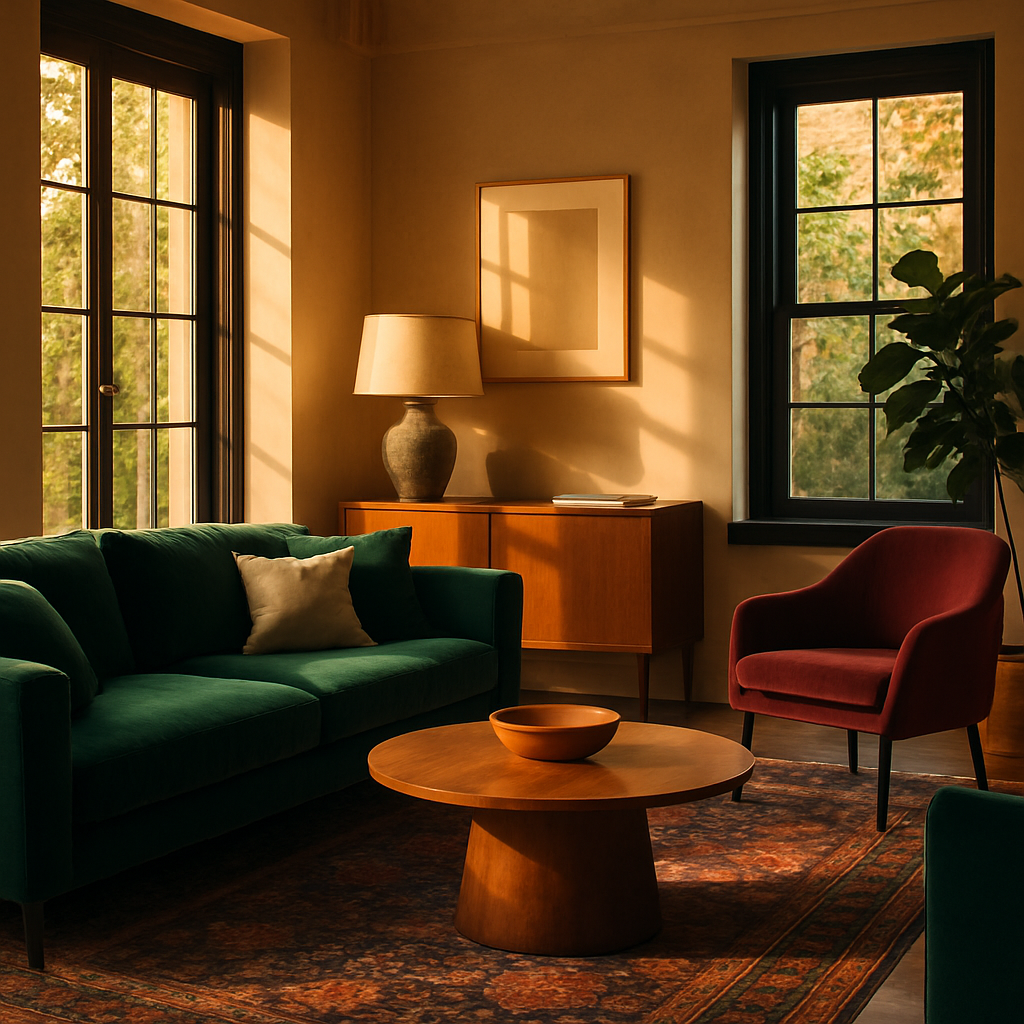
Finding the right interior design studio is one of the most consequential decisions you will make during any renovation or build, because the studio you choose shapes not just the aesthetic outcome but the entire experience of the project - the communication style, the budget management, the timeline reliability, and the emotional journey from initial concept to final reveal. The difference between a mediocre studio and a great one often comes down to factors that have nothing to do with taste: project management discipline, vendor relationships, contractor coordination, and the ability to translate a client's half-formed vision into a coherent design language. The studios highlighted in this guide represent a range of styles, scales, and specializations, from intimate residential practices to large commercial firms, each chosen because they demonstrate excellence in both creative output and professional execution. How do you determine which type of studio matches your project needs and personal working style? Understanding what distinguishes these leading practices will help you ask the right questions when evaluating any design firm, whether or not it appears on this particular list.
What Makes a Design Studio Truly Exceptional
Before examining specific studios, it helps to establish the criteria that separate exceptional practices from competent but unremarkable ones. The American Society of Interior Designers (ASID) evaluates firms across multiple dimensions including design innovation, client satisfaction, technical execution, and contribution to the broader profession, and these criteria provide a useful framework for any client assessing potential design partners. A truly exceptional studio maintains a recognizable design point of view without imposing it rigidly on every project - they have a voice, but they listen more than they speak during the initial client discovery process. Their portfolios show range within a coherent aesthetic framework, demonstrating the ability to adapt their sensibility to different client personalities, architectural contexts, and functional requirements.
Process transparency is another hallmark of top studios, and it manifests in detailed proposals, clear fee structures, and proactive communication throughout the project lifecycle. Studios that charge to per hour or ,000 to ,000 per room should be able to articulate exactly what that investment buys at each phase, from concept development through procurement and installation. The NCIDQ certification of principal designers and key staff members signals a baseline of professional competence, but the best studios go beyond minimum certification to invest in ongoing education, mentorship programs, and research that keeps their practice at the leading edge of materials, technology, and design thinking. Houzz consistently recognizes firms that combine design excellence with service quality in their annual awards, and these recognitions, while not definitive, provide useful data points when building a shortlist.
The studio's relationship network often matters as much as their design talent, because interior design is fundamentally a collaborative discipline that depends on skilled contractors, reliable vendors, and specialized tradespeople to translate drawings into reality. Top studios have cultivated relationships with craftspeople, manufacturers, and installers over years of repeated collaboration, and these relationships translate into better pricing, priority scheduling, and higher-quality execution than a less-connected firm can deliver. When evaluating a studio, ask not just about their design portfolio but about the team of implementers they work with regularly, because the most brilliant design concept fails if the people building and installing it lack the skill or motivation to execute it properly.
Studios Defining Residential Design Excellence
The residential design sector is dominated by studios that understand how to create spaces reflecting the lives actually lived within them, not just spaces that photograph well for social media. Studios like Studio McGee, which grew from a blog into a nationally recognized practice, demonstrate how a clear point of view - in their case, a refined transitional style that balances warmth with sophistication - can attract clients who feel an immediate affinity with the work before ever speaking to a designer. Their approach to quiet luxury, emphasizing natural materials, considered proportions, and subtle textural contrast over overt displays of expense, resonates with a broad client base seeking homes that feel elevated without being showy. Residential studios at this level typically structure fees as a flat design fee ranging from ,000 to ,000 depending on project scope, plus a procurement markup of 20 to 35 percent on furnishings and materials.
On the other end of the residential spectrum, studios like Clements Design and Brigette Romanek's namesake practice work with budgets that can reach seven or eight figures on a single home, creating environments where every element is custom-designed or sourced from the world's most exclusive artisan workshops. These ultra-high-end studios operate less as decorating services and more as creative directors for comprehensive lifestyle experiences, coordinating with architects, landscape designers, art consultants, and technology integrators to produce homes that function as total works of art. The Japandi aesthetic has influenced even these rarefied studios, manifesting as a preference for handcrafted details, wabi-sabi imperfection, and a restraint that allows exceptional individual pieces to command attention within calm, uncluttered compositions. AD PRO profiles these studios regularly, providing behind-the-scenes insight into their processes and philosophies that can inform your expectations when engaging any high-end residential firm.
Mid-market residential studios serve the largest client segment and arguably face the most complex creative challenge: delivering distinctive, personalized design within budgets that require strategic prioritization rather than unlimited spending. Studios like Amber Interiors, Jeremiah Brent Design, and Nate Berkus Associates have built national reputations while maintaining the approachability and responsiveness that mid-market clients expect from their designer relationship. These practices typically bill between and per hour or charge flat fees of ,000 to ,000 per room, and their success depends on their ability to identify the two or three elements in each room that deserve investment-level spending while finding creative, budget-friendly solutions for everything else. The ability to mix high and low, custom and off-the-shelf, splurge and save within a single coherent design is a skill that separates these studios from both the ultra-luxury practices above them and the volume-driven decorating services below them.
Commercial and Hospitality Design Leaders
The commercial design sector operates on different economics, timelines, and success metrics than residential work, and the studios that excel in this space bring specialized knowledge that residential-focused firms typically lack. Gensler, the world's largest architecture and design firm, maintains dedicated interior design studios that handle everything from corporate headquarters to airports to retail flagships, applying research-driven design methodologies to spaces that must perform measurably against business objectives. Commercial design fees typically run 10 to 25 percent of total project cost, and for major projects with construction budgets in the tens of millions, this percentage translates into design fees that support large, specialized teams working over multi-year timelines. The IIDA recognizes commercial design excellence through its annual awards program, which provides a curated view of the firms producing the most innovative and impactful commercial interiors.
Hospitality design - hotels, restaurants, bars, spas, and experiential retail - represents perhaps the most creatively ambitious segment of commercial interior design, because these spaces must create emotional responses that translate into customer loyalty and premium pricing. Studios like AvroKO, Rockwell Group, and Meyer Davis have built international reputations for creating hospitality environments that function as destinations in their own right, where the design is as much a draw as the food or the accommodations. Biophilic design principles feature prominently in current hospitality work, with living walls, natural material palettes, water features, and daylight harvesting creating environments that reduce stress and encourage guests to linger - and spend - longer than they might in a conventionally designed space. These studios often work with budgets of to ,500 per square foot for build-out, reflecting the intensity of custom fabrication, specialty finishes, and theatrical lighting that distinguish memorable hospitality spaces from generic ones.
The growing wellness and healthcare design sector has produced specialized studios that combine interior design with evidence-based research on how built environments affect human health, recovery, and cognitive performance. Firms like HKS Interiors and Perkins&Will dedicate substantial resources to post-occupancy research, measuring how their design decisions actually affect the people who use the spaces months and years after installation. This data-driven approach to design - specifying materials and layouts based on documented health outcomes rather than aesthetic preference alone - represents a meaningful evolution in how the profession defines success. For clients in healthcare, education, and corporate wellness, choosing a studio with demonstrated research capabilities and published outcomes data provides a level of confidence that portfolio photos alone cannot deliver.
Boutique Studios and Emerging Voices
The most exciting developments in interior design often emerge from small studios where principals maintain direct creative involvement in every project, unfiltered by the management layers that large firms necessarily introduce. Studios like Athena Calderone's EyeSwoon, Nicole Hollis Studio, and Jake Arnold's practice operate with small teams that allow the lead designer's vision to permeate every detail, from the initial concept sketch to the final styling of shelves and surfaces. These boutique practices typically take on fewer than 15 to 20 projects per year, which means longer lead times for new clients but also a level of personal attention and creative intensity that volume-driven firms cannot match. Working with a boutique studio feels fundamentally different from engaging a large firm - the relationship is closer, the communication more direct, and the design outcome more likely to reflect a singular creative vision rather than a committee-approved compromise.
Emerging designers from underrepresented backgrounds are bringing perspectives to the profession that challenge established norms about what constitutes good design and whom design serves. Studios led by designers like Brigette Romanek, Corey Damen Jenkins, and Young Huh bring cultural references, material sensibilities, and spatial concepts that expand the vocabulary of American interior design beyond its historically Eurocentric foundations. ASID and IIDA have both intensified their support for emerging designers through mentorship programs, grant funding, and featured platform opportunities, recognizing that the profession's relevance depends on its ability to reflect the full diversity of the people who inhabit designed spaces. Supporting emerging studios by hiring them for projects - not just following them on social media - is how clients can contribute to a more expansive and representative design culture.
The sustainability-focused boutique studio represents a growing segment that serves clients who prioritize environmental responsibility as a core design value rather than a secondary consideration. Studios like Atelier AM, with their emphasis on reclaimed and vintage materials, and firms specializing in zero-waste design methodologies are attracting clients willing to accept longer timelines and higher upfront costs in exchange for spaces built with minimal environmental impact. Sustainable materials have reached a quality threshold where choosing them no longer requires aesthetic compromise, and the studios leading this movement demonstrate that environmental responsibility and visual sophistication are complementary rather than competing goals. For clients evaluating studios in this category, ask to see lifecycle assessments and material sourcing documentation rather than just finished photographs, because the environmental story behind the design is as important as the visual one.
How to Evaluate and Choose the Right Studio for Your Project
Selecting a design studio should begin with an honest assessment of your project's scope, budget, and your own personality as a client, because the best studio for your neighbor's renovation may be entirely wrong for yours. Start by defining your budget range realistically, including not just the design fee but the full implementation cost of furnishings, materials, construction, and contingency. If your total project budget is ,000, a studio that charges ,000 for design alone leaves too little for execution, regardless of how much you admire their portfolio. Request detailed fee breakdowns during initial consultations - reputable studios expect this question and answer it transparently - and compare not just the total numbers but the specific deliverables included at each fee level. Do you need full-service design including procurement and installation management, or are you looking for a concept package that you will implement independently with your own contractor?
The consultation interview should flow in both directions: the studio evaluates whether your project is a good fit for their practice, and you evaluate whether their communication style, design process, and professional values align with your expectations. Ask to speak with recent clients, not just see portfolio photos, because the experience of working with a studio over months of decisions, delays, and compromises reveals qualities that polished project images cannot convey. Pay attention to how the studio handles questions about budget constraints, timeline concerns, and design preferences that differ from their usual aesthetic - flexibility and active listening during the consultation process predict flexibility and active listening during the project itself. Studios that seem dismissive of your budget or resistant to your input during the courtship phase will only become more so once a contract is signed and the power dynamic shifts.
Red flags during the evaluation process include studios that cannot provide references from projects similar in scope and budget to yours, those that pressure you to sign contracts before presenting detailed proposals, and firms where the principal designer appears in the consultation but delegates all actual design work to junior staff without disclosing this arrangement. Conversely, green flags include transparent fee structures, a clearly defined design process with named milestones and client approval points, and enthusiasm for your project that feels genuine rather than performative. The ASID and IIDA directories allow you to verify that studios are in good standing with the profession's leading organizations, and Houzz reviews, while imperfect, provide unfiltered client feedback that supplements the curated testimonials on a studio's own website. Trust your instincts during the evaluation process, because the designer-client relationship is intimate and consequential enough that personal chemistry matters alongside professional credentials.
Getting the Most from Your Studio Partnership
Once you have selected a studio, the quality of the outcome depends significantly on how you participate in the process as a client. The best results emerge from clients who invest time in the discovery phase - articulating how they live, what they value, which spaces in their current home work and which ones frustrate them - and then trust the designer to translate those insights into spatial solutions. Providing a folder of inspiration images is useful, but explaining why each image resonates with you is far more valuable than the images themselves. A client who says this kitchen appeals to me because the island faces the yard so I can watch my kids while cooking gives a designer dramatically more useful information than one who simply shares a photo of a white kitchen. Smart home integration discussions should happen early in the process rather than being added as an afterthought, because technology infrastructure affects electrical planning, wall construction, and ceiling design in ways that are expensive to retrofit.
Budget management is a shared responsibility between client and studio, and the most successful projects are those where both parties approach financial decisions with transparency and discipline. Expect your studio to present options at multiple price points for key elements, showing you both the dream version and a more economical alternative that achieves a similar effect. AR and VR visualization tools that many studios now employ can help you make material and furniture decisions with greater confidence, reducing the costly change orders that arise when clients cannot fully envision a design from drawings and samples alone. Establish a clear change order process at the project's outset so that both parties understand the cost and timeline implications of mid-project revisions, because uncontrolled scope creep is the most common source of budget overruns and client-designer friction in residential projects.
The relationship with your design studio should not end on installation day. The best studios conduct a post-project walkthrough several weeks after completion, addressing any punch-list items and ensuring that everything functions as intended after a period of actual use. Some studios offer maintenance guidance for specialty materials and finishes, seasonal styling updates, and priority access for future projects - benefits that reward long-term loyalty and keep your home evolving gracefully over time rather than becoming a static snapshot of a single moment's taste. Refer your studio generously if the experience warrants it, because personal recommendations remain the primary growth engine for design practices at every level, and your endorsement carries more weight with your network than any advertisement or award. Start your search today by identifying three studios from this guide whose work resonates with your sensibility, scheduling consultations with each, and approaching those conversations with the clarity and openness that great design partnerships require.
More Articles You May Like



Comments
Post a Comment