How to Create a Cozy and Functional House Interior Design on a Budget
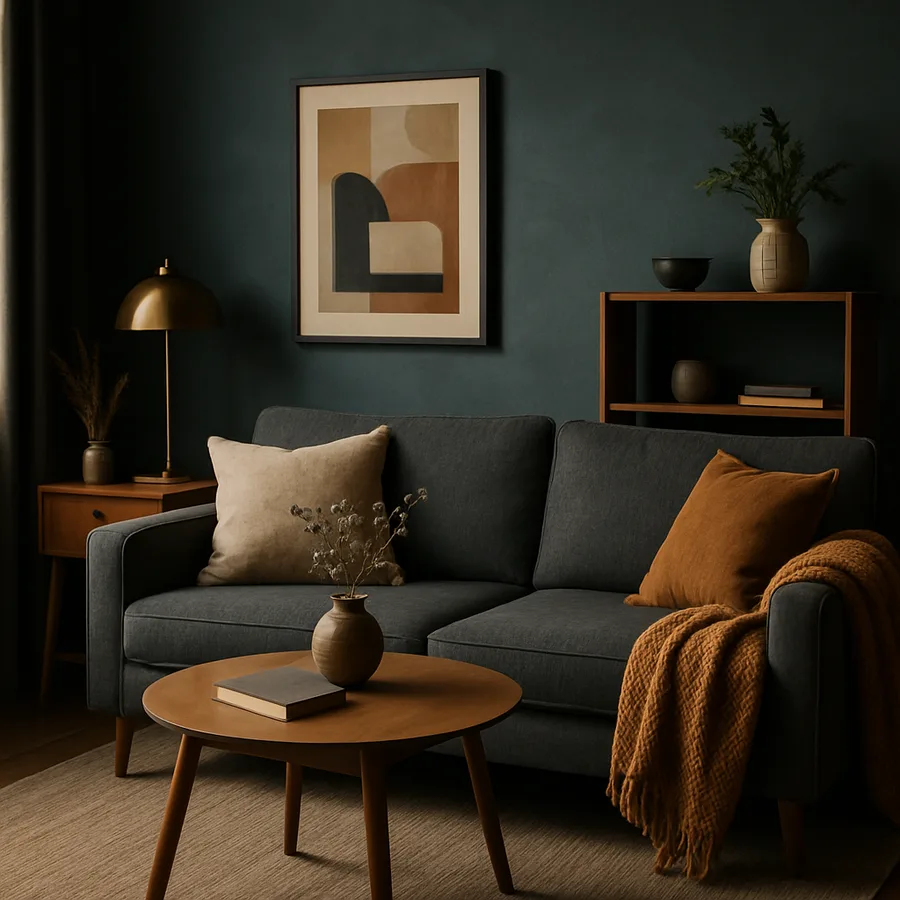
Creating a home that feels both warm and practical does not require a six-figure renovation budget. According to the American Society of Interior Designers (ASID), nearly 68% of homeowners believe that professional-quality interior design is out of their financial reach, yet countless budget-friendly strategies exist that can elevate any living space. The secret lies in understanding the principles of design rather than relying solely on expensive materials and furnishings. With thoughtful planning, creative sourcing, and a willingness to prioritize, you can build a house interior that radiates comfort while serving every functional need your household demands.
Budget interior design has evolved dramatically as more resources, tutorials, and affordable product lines have become available to everyday consumers. Organizations like the International Interior Design Association (IIDA) have long advocated for accessible design education, emphasizing that good design should not be a luxury reserved for the wealthy. The democratization of design knowledge means that anyone with an internet connection and a modest budget can learn the fundamentals of space planning, color theory, and material selection. This shift has empowered millions of homeowners to take control of their living environments without hiring expensive consultants.
Throughout this guide, you will discover actionable techniques for transforming your home on a budget. From strategic furniture placement to affordable lighting solutions, each section addresses a specific aspect of interior design that contributes to the overall warmth and functionality of your space. Have you ever walked into a room and immediately felt at ease, even though nothing about it seemed particularly extravagant? That feeling is achievable in your own home, and the following strategies will show you exactly how to get there.
Understanding the Foundations of Budget-Friendly Interior Design
The first step in any successful budget interior design project is understanding what makes a space feel cozy and functional simultaneously. Coziness comes from sensory elements -- soft textures, warm lighting, familiar colors, and personal touches that make a room feel lived-in and loved. Functionality, on the other hand, stems from practical considerations like traffic flow, storage solutions, adequate work surfaces, and furniture that serves multiple purposes. The National Council for Interior Design Qualification (NCIDQ) emphasizes that these two qualities are not mutually exclusive; in fact, the best-designed spaces seamlessly integrate both comfort and utility into every square foot.
Before purchasing a single item, take time to assess your existing space with fresh eyes. Measure every room, note the natural light patterns throughout the day, and identify the primary activities that will occur in each area. A 2023 survey by Houzz found that homeowners who created detailed room plans before shopping spent an average of 31% less on their projects compared to those who bought items impulsively. This planning phase is where budget-conscious design truly begins -- understanding what you have, what you need, and what you can realistically afford prevents costly mistakes and unnecessary purchases. Consider photographing each room from multiple angles to gain perspective you might miss when standing inside the space.
Establishing a clear budget with categories for each room or design element keeps spending organized and intentional. Allocate the largest portion of your budget to the items you will interact with most frequently -- your sofa, your mattress, your dining chairs -- as these pieces directly impact daily comfort and longevity. Decorative accents, wall art, and accessories can be sourced more affordably without sacrificing visual impact. Think of your budget as a pyramid: invest at the base with quality essentials, and economize at the top with creative, cost-effective finishing touches.
Strategic Furniture Selection and Placement
Furniture represents the largest investment in most interior design projects, making strategic selection absolutely critical when working within a budget. Multi-functional pieces have become a cornerstone of affordable interior design, with items like storage ottomans, expandable dining tables, and sofa beds offering two or more uses from a single purchase. The IIDA reports that multi-functional furniture sales have increased by over 40% in the past five years, reflecting a broader shift toward smaller living spaces and more intentional consumption habits. When evaluating any furniture purchase, ask yourself whether the piece can serve at least two purposes in your home.
Placement matters just as much as the furniture itself when creating a cozy, functional environment. Pulling furniture away from walls and arranging pieces in conversational groupings creates intimacy and visual interest, even in larger rooms. The common mistake of pushing every piece of furniture against the perimeter of a room creates a cold, waiting-room atmosphere that undermines coziness. Instead, consider floating your sofa in the center of the living room with a console table behind it, or angling an armchair to create a distinct reading nook within a larger space. These arrangement strategies cost nothing but dramatically change how a room feels and functions.
Second-hand and vintage furniture markets offer extraordinary value for budget-conscious designers. Estate sales, online marketplaces, and consignment shops frequently carry solid-wood furniture from previous decades that far exceeds the quality of new flat-pack alternatives at comparable or lower price points. A well-made vintage dresser or mid-century dining table brings character and craftsmanship that mass-produced furniture simply cannot replicate. With minimal effort -- a fresh coat of paint, new hardware, or updated upholstery -- these pieces can be customized to complement any design aesthetic while saving hundreds or even thousands of dollars compared to buying new.
Mastering Affordable Lighting for Warmth and Ambiance
Lighting is arguably the single most impactful element in creating a cozy atmosphere, yet it remains one of the most overlooked aspects of budget interior design. The three-layer lighting approach -- combining ambient, task, and accent lighting -- creates depth and warmth that no amount of furniture or decor can achieve on its own. ASID design guidelines recommend that every room have at least three light sources at varying heights to create a balanced, inviting glow. A floor lamp in one corner, a table lamp on a side table, and a strand of warm-toned fairy lights along a bookshelf can transform a sterile room into a sanctuary for under fifty dollars.
Color temperature plays a crucial role in how warm or cool a space feels under artificial light. Bulbs rated between 2700K and 3000K emit a warm, golden glow that mimics candlelight and promotes relaxation, while bulbs above 4000K produce a harsh, clinical brightness better suited to offices and hospitals. Swapping out cool-toned bulbs for warm alternatives costs only a few dollars per bulb but completely changes the emotional character of a room. Dimmer switches, available at most hardware stores for under twenty dollars, add another layer of control by allowing you to adjust brightness throughout the day to match your mood and activities.
Natural light should be maximized wherever possible, as it is both the most flattering and the most cost-effective illumination available. Sheer curtains allow daylight to filter through while maintaining privacy, creating a soft, diffused glow that makes rooms feel larger and more welcoming. Strategically placed mirrors opposite windows can effectively double the amount of natural light in a room by reflecting it deeper into the space. Have you considered how the direction your windows face affects the quality of light throughout the day? North-facing rooms benefit from warm-toned decor to compensate for cooler light, while south-facing rooms can handle cooler accents without feeling cold.
Textiles and Layering on a Shoestring Budget
Textiles are the secret weapon of budget-friendly coziness, offering tactile warmth, visual richness, and acoustic softening all at minimal cost. Layering different textures -- a chunky knit throw over a linen sofa, a faux fur pillow atop a cotton cushion, a woven jute rug over hardwood floors -- creates the kind of sensory depth that makes expensive interiors feel so inviting. According to research published by the IIDA, rooms with multiple textile layers are consistently rated as more comfortable and appealing by occupants compared to rooms with hard surfaces alone. The beauty of textiles is that they can be swapped seasonally or as tastes evolve, making them a low-risk, high-reward investment.
Throw pillows and blankets represent perhaps the most affordable way to dramatically change the look and feel of a room in minutes. A set of new pillow covers in coordinating patterns and textures can refresh a tired sofa for under thirty dollars, while a quality throw blanket draped over an armchair invites anyone who sees it to sit down and stay awhile. When selecting textiles, vary the scale of patterns -- pair a large geometric print with a smaller floral or textured solid to create visual interest without overwhelming the eye. Stick to a cohesive color palette of three to four colors to maintain harmony across all your textile choices.
Rugs deserve special attention as they anchor furniture groupings, define zones within open-plan spaces, and add crucial warmth underfoot. A well-chosen area rug can make a sparse room feel complete and intentional. Budget-friendly options abound in natural fibers like jute and sisal, which offer earthy texture and durability at a fraction of the cost of wool or silk alternatives. Layering a smaller patterned rug over a larger neutral one creates a designer look without the designer price tag. The key is selecting a rug large enough that at least the front legs of your furniture rest on it, preventing the common mistake of a rug that looks like it is floating in the middle of the room.
Color and Paint as Transformative Tools
Paint remains the single most cost-effective transformation tool available to any homeowner, with the ability to completely reinvent a room for under a hundred dollars in materials. Warm neutrals like greige, soft taupe, terracotta, and warm white create a universally cozy backdrop that complements virtually any furniture style or accent color. ASID color consultants consistently recommend starting with warm base tones and adding personality through accent walls, colorful accessories, and artwork rather than committing to bold wall colors that may feel overwhelming over time. A gallon of quality paint covers approximately 350 to 400 square feet, meaning most rooms can be painted for the cost of a modest dinner out.
Accent walls offer a budget-friendly way to add drama and focal points without painting an entire room in a bold color. Choose the wall that naturally draws the eye -- typically the one behind your bed, sofa, or fireplace -- and apply a deeper or more saturated version of your room's base color. This technique adds architectural interest and depth to an otherwise flat space. Beyond traditional paint, removable wallpaper has emerged as a renter-friendly and budget-conscious option for creating texture and pattern on accent walls without permanent commitment. The removable adhesive means you can experiment freely and change your mind without damaging walls or forfeiting a security deposit.
Do not underestimate the power of painting existing furniture and fixtures to refresh your space without replacement costs. Kitchen cabinets, bathroom vanities, bookshelves, and even light switch plates can be transformed with a fresh coat of paint in an updated color. The key is proper preparation -- cleaning, sanding, and priming surfaces before painting ensures a professional-quality finish that lasts. This approach is particularly effective for dated wood furniture with good bones but an outdated finish; a coat of matte black, sage green, or warm navy can catapult a piece from the thrift store aesthetic into contemporary design territory.
Personal Touches and Curated Decor That Tell Your Story
The most cozy and memorable interiors are those that reflect the personalities and histories of the people who live in them. Gallery walls of family photographs, travel souvenirs displayed on open shelving, collections of books arranged by color or subject -- these personal elements transform a house from a generic showroom into a true home. The NCIDQ emphasizes that personalization is a fundamental principle of residential interior design, as spaces that lack personal meaning feel cold and disconnected regardless of how much money was spent on furnishings. Budget-friendly personalization might include framing children's artwork, displaying inherited ceramics, or arranging collected seashells in a glass vessel.
Plants bring life, color, and air-purifying benefits to any interior at minimal cost. A single pothos vine in a hanging planter, a cluster of succulents on a windowsill, or a tall fiddle leaf fig in a corner can energize a room that feels flat or lifeless. Studies from organizations like the IIDA have shown that incorporating natural elements into interior spaces reduces stress and increases occupant satisfaction. For those without a green thumb, high-quality faux plants have improved dramatically and can provide the same visual warmth without the maintenance requirements. Group plants at varying heights and in different containers to create the most natural, curated appearance.
Scent is the often-forgotten dimension of coziness that can anchor an entire home atmosphere. Candles, essential oil diffusers, linen sprays, and fresh herbs on the kitchen counter all contribute to a multi-sensory experience of comfort. Choose scents that evoke warmth and familiarity -- vanilla, cinnamon, cedar, lavender, or fresh linen -- and use them consistently so that your home develops a signature fragrance. This invisible layer of design costs very little but has an outsized impact on how welcoming a space feels to both residents and guests. What scent immediately makes you think of comfort and home?
Conclusion
Creating a cozy and functional house interior design on a budget is not about finding cheap substitutes for expensive items -- it is about understanding the principles that make spaces feel warm, purposeful, and personal. By investing in strategic furniture placement, layered lighting, rich textiles, warm paint colors, and meaningful personal touches, you can build a home that rivals any designer showcase at a fraction of the cost. The organizations and research cited throughout this guide -- from ASID to Houzz to the IIDA -- consistently demonstrate that thoughtful design decisions matter far more than the dollar amount attached to them.
Begin your budget design journey today by choosing just one room and applying the strategies outlined above. Measure the space, establish your budget, and start with the changes that will have the greatest impact for the least investment -- typically lighting and textiles. As you gain confidence, expand to other rooms and more ambitious projects like painting or furniture refinishing. Share your progress with friends, family, or online design communities, and remember that the best interior design is the kind that makes you feel genuinely happy every time you walk through your front door. Start now -- your cozy, functional, budget-friendly home is waiting to be created.
More Articles You May Like



Comments
Post a Comment