The Ultimate Guide to Creating a Cozy Home Interior Design on a Budget
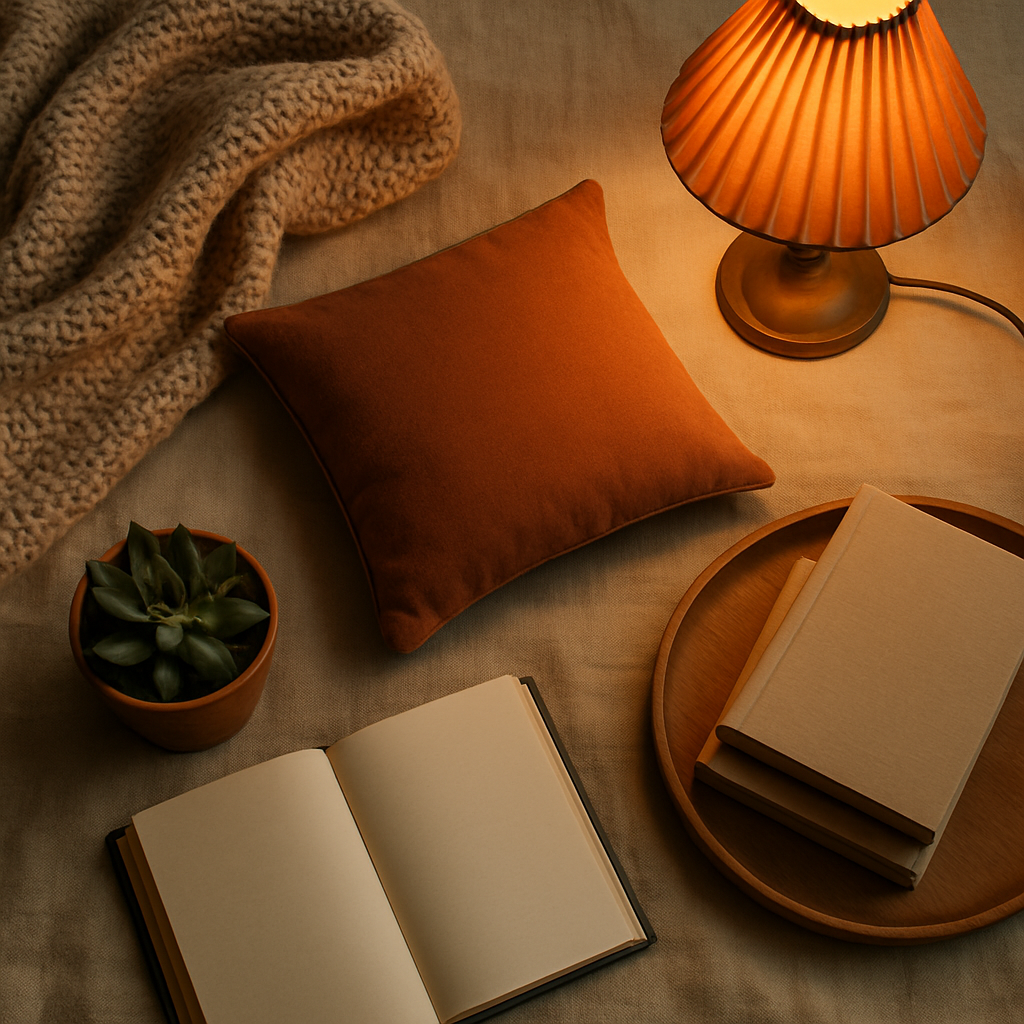
Coziness in interior design is not a product of expensive purchases but of thoughtful decisions about texture, light, scale, and arrangement. Some of the warmest, most inviting homes were created on modest budgets by people who understood that atmosphere comes from layering sensory experiences rather than accumulating premium brand names. The American Society of Interior Designers (ASID) has consistently found that client satisfaction with completed interiors correlates more strongly with spatial planning and material selection than with total expenditure. A room filled with carefully chosen secondhand finds, DIY textile projects, and strategic lighting can feel substantially more welcoming than a showroom full of expensive furniture arranged without intention or personality.
Professional design assistance remains accessible even for budget-conscious homeowners. Many NCIDQ-certified designers offer single-session consultations at their hourly rate of to , during which they can review your existing space, identify high-impact changes, and provide a prioritized action plan that you then implement yourself over time. This approach delivers professional insight without the commitment of a full-service engagement that might involve per-room fees of ,000 to ,000. Have you ever noticed how certain hotel lobbies or coffee shops make you want to curl up and stay for hours, while others feel sterile despite obvious investment? That magnetic quality is achievable at home, and the techniques are more affordable than you might expect.
The Science of Coziness and Why It Matters
Coziness is not a vague feeling but a measurable environmental condition that researchers have studied extensively. The Danish concept of hygge, which has influenced interior design globally, describes the specific combination of warmth, soft lighting, tactile comfort, and social intimacy that produces feelings of contentment and safety. Neurological research has shown that environments perceived as cozy activate the parasympathetic nervous system, lowering heart rate and cortisol levels while increasing feelings of trust and relaxation. This is why people instinctively gravitate toward spaces with warm lighting, soft textures, and enclosed proportions, and why the same room can feel dramatically different based on bulb color temperature alone.
The International Interior Design Association (IIDA) has published research linking environmental coziness to improved sleep quality, stronger family bonds, and reduced household conflict. When a home's shared spaces feel genuinely inviting, family members spend more time together in them rather than retreating to separate rooms with personal screens. This social dimension of coziness has practical implications for how rooms are arranged: seating that faces inward rather than toward a television, dining surfaces at comfortable heights with proper lighting, and gathering areas with enough variety to accommodate both conversation and parallel quiet activities. These arrangements cost nothing beyond thought and physical effort, yet they transform how a home feels and functions.
Understanding the science of coziness helps budget-conscious homeowners prioritize their spending effectively. Rather than investing in a statement sofa that looks impressive but sits uncomfortably, allocate those funds toward a deeply cushioned, moderately priced alternative and spend the savings on quality throws, ambient lighting, and a good rug. The cozy response is triggered by texture, warmth, and soft light far more reliably than by brand recognition or visual impressiveness. A room that looks magazine-worthy but feels hard, cold, and overlit will never feel cozy regardless of its price tag. Conversely, a room with humble furnishings that nails the sensory fundamentals of warmth, softness, and gentle illumination will feel like a refuge every time you walk through the door. This knowledge shifts the budget equation decisively in favor of homeowners who cannot spend freely but can spend wisely.
Lighting as the Single Highest-Impact Budget Investment
If you could change only one thing about your home to increase coziness, lighting would deliver the greatest return on the smallest investment. Overhead ceiling fixtures, particularly fluorescent or cool-white LED panels, are the enemy of coziness because they produce flat, shadowless illumination that resembles an office or retail environment. Replacing this single-source overhead lighting with multiple layered light sources at different heights transforms a room's atmosphere within minutes. Table lamps, floor lamps, wall sconces, and candles create pools of warm light and areas of gentle shadow that give a room depth, intimacy, and visual interest. Smart home integration makes this even more effective: programmable smart bulbs allow you to set warm color temperatures that automatically shift throughout the evening, deepening the amber tone as bedtime approaches.
The budget-friendly approach to layered lighting starts with auditing what you already own. Move existing table lamps to new locations, add inexpensive clip-on book lights to shelving, and place battery-operated LED candles in fireplace mantels or windowsills. String lights, when used sparingly and in warm white rather than multicolored, add a soft glow to bookshelves or headboard walls. The single most impactful purchase is often a set of warm-toned LED bulbs (2700K or lower) to replace the cool-white bulbs that come standard in most fixtures. This swap costs under twenty dollars for a typical room and immediately shifts the space from clinical to warm. Houzz editors consistently identify lighting as the most transformative budget upgrade, noting that professionally designed rooms and amateur rooms differ most dramatically in their approach to illumination.
Dimmer switches represent another high-impact, low-cost improvement. A standard dimmer switch costs ten to fifteen dollars and takes fifteen minutes to install, yet it gives you complete control over a room's brightness throughout the day and evening. Bright task lighting for cooking or reading can transition to soft ambient glow for relaxation or entertaining with a single slide of a switch. For renters who cannot modify electrical fixtures, plug-in dimmer adapters achieve the same effect without any wiring changes. The psychological difference between a room at full brightness and the same room dimmed to 40 percent is enormous, converting a functional space into an intimate one with zero furniture changes. This understanding of lighting's disproportionate impact on atmosphere is what separates designers who create genuinely cozy rooms from those who simply specify expensive furniture.
Textile Layering on a Realistic Budget
Textiles are the primary carriers of physical coziness in any interior because they are the surfaces your body actually touches. A leather sofa feels cozy when draped with a wool throw and scattered with linen-covered cushions, but cold and uninviting when left bare. A hardwood floor feels warm and grounding under a thick wool or cotton rug, but hard and echoing without one. Layering textiles is one of the most affordable ways to increase coziness because the textile market offers enormous variety at every price point, from luxury cashmere to budget-friendly flannel and fleece. The Japandi approach to textiles emphasizes natural fibers and neutral tones, creating a cohesive warmth that makes even simple rooms feel intentional and refined.
Strategic secondhand shopping dramatically extends textile budgets. Thrift stores, estate sales, and online resale platforms regularly offer wool blankets, linen curtains, and cotton throws at a fraction of retail prices. Vintage textiles often feature higher-quality materials and construction than their modern mass-produced equivalents, as they were manufactured during periods when natural fiber content and durability were standard expectations. A worn vintage Persian rug with faded colors and soft pile often feels cozier and looks more sophisticated than a new synthetic alternative at the same price. Similarly, mismatched vintage cushion covers in complementary tones create a collected-over-time aesthetic that reads as personal and warm rather than decorated and staged.
Window treatments deserve special attention in the budget coziness equation because they affect both visual warmth and thermal comfort. Heavy curtains in natural linen, cotton canvas, or even affordable cotton-polyester blends soften hard window surfaces, dampen room echoes, and provide insulation that reduces heating costs during cold months. Floor-length curtains hung close to the ceiling make rooms feel taller and more enveloping than short curtains hung at the window frame. For maximum budget efficiency, choose curtain panels in a warm neutral tone that coordinates with multiple rooms, allowing you to purchase in bulk and redeploy panels as your layout evolves. The quiet luxury sensibility applies here: simple, well-hung curtains in a solid, warm-toned fabric look far more expensive and feel far cozier than printed or patterned curtains that announce their origin from a budget retailer. Textiles set the physical foundation for coziness, but the way you arrange your furniture determines whether people actually use and enjoy the space.
Furniture Arrangement and Scale for Maximum Comfort
The arrangement of existing furniture can transform a room's comfort level more dramatically than replacing any single piece. The most common arrangement mistake in living rooms is pushing all furniture against the walls, which creates a vast empty center and forces conversation partners to shout across the room. Pulling seating away from walls and arranging it in a tighter grouping, with no more than eight feet between facing seats, creates the intimate scale that makes conversation natural and comfortable. This simple rearrangement costs nothing and can be accomplished in an afternoon, yet many homeowners never try it because the pushed-back arrangement feels like it maximizes square footage even though it minimizes usability.
Scale matters enormously for coziness. A room with furniture that is too small for the space feels sparse and impersonal regardless of how much you spend on it. Conversely, a room where furniture fills a slightly higher proportion of the floor area, around 60 to 70 percent including rugs, feels embracing and complete. This does not mean cramming a room with oversized pieces but rather choosing furniture scaled appropriately to the room's dimensions and then arranging it to create defined zones rather than open expanses. A reading corner with a deep armchair, a side table, and a floor lamp positioned near a bookshelf creates a room-within-a-room that feels cozy even within a large open-plan space. Designers working on project percentages of 10 to 25 percent understand these proportional relationships intuitively, but any homeowner can develop the same instinct through experimentation.
Height variation in furniture and accessories adds visual coziness by creating a layered, sheltering effect. Tall bookcases flanking a fireplace, a floor lamp arching over a reading chair, and hanging plants at eye level all reduce the perceived volume of a room in ways that increase intimacy. Low ceilings, often considered a design liability, are actually an advantage for coziness when embraced rather than fought. Painting a low ceiling in a warm tone slightly darker than the walls enhances the enclosed feeling, while adding crown molding or a picture rail at the wall-ceiling junction creates a visual frame that makes the room feel finished and intentional. These are techniques that professional designers from ASID use routinely, and none of them requires significant financial investment, only an understanding of how spatial proportion affects psychological comfort.
Color, Scent, and Sound as Budget-Friendly Atmosphere Tools
Color profoundly influences perceived warmth independent of actual temperature. Rooms painted in warm tones, from creamy whites and soft taupes to terracotta and deep forest green, consistently register as cozier than identical rooms in cool grays or bright whites. A single weekend painting project using a gallon or two of warm-toned paint can shift a room's entire emotional register for under fifty dollars in materials. The biophilic design connection here is direct: the warm earth tones that feel coziest are the same colors found in natural landscapes, clay, bark, lichen, dried grass, and twilight sky. AD PRO color trend reports consistently show warm neutrals outperforming cool neutrals in residential applications, reflecting the enduring human preference for environments that recall natural shelter.
Scent is the most overlooked dimension of home atmosphere and the most affordable to address. A single high-quality candle or essential oil diffuser can make a room feel distinctly more inviting within minutes. Natural scents like cedar, sandalwood, vanilla, beeswax, and dried herbs create warmth associations that synthetic air fresheners cannot replicate. The cost of a quality soy candle ranges from ten to thirty dollars, making scent one of the most accessible atmospheric tools available. Fresh-baked bread, brewed coffee, and simmering soup accomplish the same atmospheric work through everyday cooking rather than purchased products. For homeowners who are sensitive to fragrances, simply ensuring that a room smells clean and neutral rather than stuffy or chemically treated provides an immediate improvement in perceived comfort.
Sound design completes the sensory coziness equation. Hard surfaces, bare floors, uncovered windows, and empty walls create echo and reverb that make rooms feel cavernous and institutional. Soft surfaces absorb sound, reducing reverberation time and creating the muffled acoustic quality that signals coziness. Rugs, curtains, upholstered furniture, cushions, and even books on shelves all contribute to acoustic softening. Beyond absorption, intentional background sound can enhance coziness dramatically: a small tabletop fountain producing gentle water sounds, a speaker playing ambient music at low volume, or simply an open window admitting birdsong and breeze. These acoustic layers create the sound environment of coziness that works in concert with visual warmth, tactile softness, and inviting scent. When all four sensory channels are addressed, even the most modest space can feel profoundly welcoming. The final piece of the puzzle is sourcing materials wisely so your budget stretches as far as possible.
Smart Sourcing Strategies to Maximize Your Design Budget
The single most powerful budget strategy in interior design is patience. Impulse purchases at full retail price are the fastest way to deplete a design budget without achieving a cohesive result. Instead, create a detailed room plan with specific measurements and style parameters, then hunt for each piece through multiple channels over weeks or months. Estate sales, moving sales, and end-of-season clearances at quality retailers offer genuine bargains on well-made pieces that would cost three to five times more at regular retail. The AR/VR visualization tools now available through several design platforms allow you to photograph your room and virtually place prospective purchases before committing, reducing the expensive trial-and-error cycle that historically plagued budget decorators.
Online resale platforms have democratized access to quality furniture that previously circulated only through professional dealers and affluent social networks. Solid wood dining tables, upholstered armchairs with hardwood frames, and vintage lighting fixtures regularly appear at prices that would buy only their mass-produced synthetic equivalents at new retail. The key to successful secondhand sourcing is knowing what to buy used and what to buy new. Upholstered seating with removable, washable covers, wood furniture in good structural condition, and decorative objects in any material are excellent secondhand candidates. Mattresses, items with irreparable structural damage, and anything with strong persistent odors should generally be purchased new regardless of the apparent bargain.
DIY upgrades offer some of the highest returns in budget interior design when applied strategically. Painting an outdated wooden dresser in a warm matte tone, replacing generic hardware with vintage brass pulls, sewing simple cushion covers from fabric remnants, and building floating shelves from reclaimed lumber all fall within basic skill levels and deliver visual results disproportionate to their cost. What would your favorite room look like if you spent the next three months gradually introducing warmth through lighting, textiles, and arrangement rather than trying to transform it overnight with a single large purchase? The most authentically cozy homes are built incrementally, reflecting real life rather than a single decorating moment, and that gradual approach happens to be the most budget-friendly method available.
Creating a cozy home is fundamentally an act of attention rather than expenditure. It requires noticing what your senses respond to, understanding why certain spaces make you feel safe and content, and then systematically recreating those conditions within your own walls. The techniques outlined here, from layered lighting and textile abundance to thoughtful arrangement and sensory completeness, are accessible at virtually any budget level. Start this weekend with the zero-cost changes: rearrange your living room furniture into a tighter grouping, swap your overhead lights for warm-toned lamps, and drape a soft blanket over your most-used seat. Notice how these simple shifts change the way the room feels. Then, over the following weeks, layer in affordable textiles, warm paint, and carefully sourced secondhand finds. Consult an ASID or IIDA designer for a single strategy session if you want professional guidance without a full-service commitment. The coziest homes are not designed in a day; they are cultivated over time with care, patience, and the knowledge that warmth is a choice available at every budget.
More Articles You May Like



Comments
Post a Comment