How to Create a Cozy Yet Professional Office Interior Design
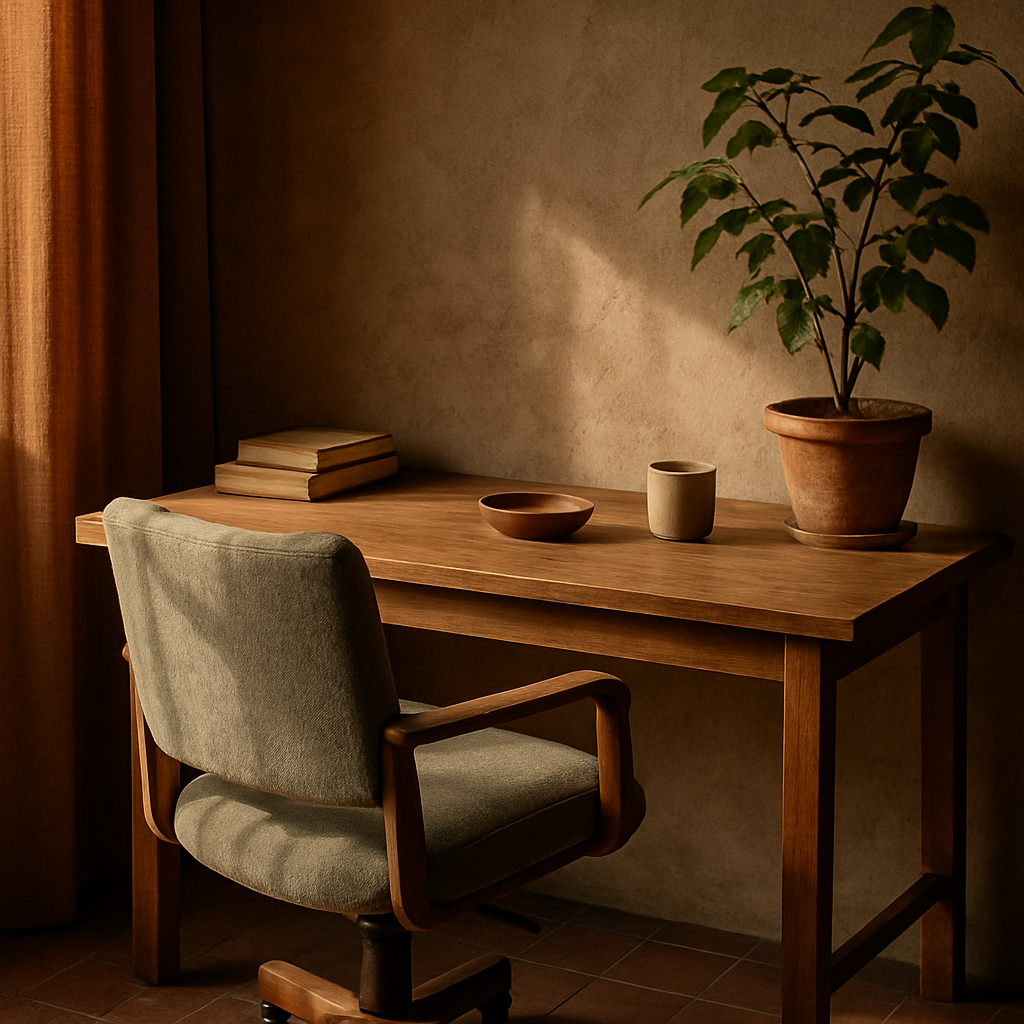
There is a persistent myth in the business world that professional workspaces must feel cold, sterile, and impersonal to convey competence and seriousness. Walk into many corporate offices and you will find the evidence of this belief in their gray cubicle walls, harsh fluorescent lighting, and institutional furniture devoid of warmth or character. But a growing body of research and a wave of forward-thinking companies are proving that coziness and professionalism are not mutually exclusive. In fact, they are complementary qualities that, when combined skillfully, create workspaces where people feel both comfortable and motivated to do their best work. The American Society of Interior Designers (ASID) reports that workplaces designed with warmth and comfort in mind see measurable improvements in employee retention, with turnover dropping by as much as twelve percent compared to traditionally designed offices. Creating a cozy yet professional office requires balancing inviting textures and personal touches with clean lines and functional organization. This guide provides a comprehensive framework for achieving that balance, whether you are designing a home office, a startup headquarters, or a corner of a corporate floor.
Establishing the Foundation with a Warm Neutral Palette
The color palette forms the emotional foundation of any interior space, and the choice between cold and warm neutrals can mean the difference between an office that feels clinical and one that feels welcoming. Warm neutrals like creamy whites, soft taupes, warm grays, and gentle beiges create a professional backdrop that envelops occupants in comfort without crossing into casualness. These tones provide the visual equivalent of a firm handshake accompanied by a genuine smile, conveying both competence and approachability. The quiet luxury movement in contemporary design has elevated warm neutrals from basic backgrounds to sophisticated design statements, demonstrating that restraint and warmth can coexist elegantly.
Layering warm neutrals at slightly different tones creates depth and visual interest that prevents monochromatic palettes from feeling flat or boring. A warm white wall paired with a slightly darker greige floor and a medium taupe accent creates subtle tonal variation that the eye perceives as richness even without bold color contrasts. Natural wood tones in oak, walnut, or ash add additional warmth while introducing the organic irregularity that makes spaces feel alive and handcrafted rather than mass-produced. The key is maintaining consistency within the warm tonal family while allowing enough variation to prevent visual monotony. Professional designers working in this aesthetic, commanding fees of $150 to $500 per hour, understand that the skill lies not in choosing one perfect color but in orchestrating a family of related tones that work together harmoniously.
Accent colors should be introduced sparingly and purposefully within the warm neutral framework. A deep forest green in a single upholstered chair, a terracotta vase on a bookshelf, or dusty blue throw pillows on a reception sofa can provide moments of visual interest without disrupting the overall sense of calm professionalism. These accents work best when they reference natural materials and landscapes, reinforcing the organic warmth of the neutral foundation. Avoid the temptation to introduce too many accent colors, as restraint is what maintains the professional atmosphere. Ask yourself whether each color addition supports or distracts from the feeling of composed warmth you are trying to create. Does the space feel like somewhere you would feel comfortable having a serious business conversation while also genuinely enjoying the environment?
Selecting Textiles and Textures That Invite Touch
Texture is the secret weapon of cozy professional design. While color establishes mood and furniture defines function, texture engages the sense of touch and adds a tactile dimension that transforms spaces from merely attractive to genuinely inviting. Offices that feel clinical typically suffer from a preponderance of smooth, hard surfaces, including glass, metal, laminate, and polished stone, that reflect light harshly and feel cold to the touch. Introducing soft, textured materials counterbalances this hardness without compromising the clean aesthetic that professional spaces require. Bouclé upholstery on desk chairs, linen curtains filtering window light, and wool area rugs defining seating zones all contribute layers of warmth that make people feel welcome and relaxed.
The selection of textiles for a professional environment requires attention to both aesthetics and practicality. Materials must look beautiful while withstanding the demands of daily commercial use, including frequent cleaning, heavy traffic, and potential spills. Performance fabrics have advanced dramatically, offering the visual warmth of natural materials with enhanced durability and stain resistance. Crypton fabrics, for instance, provide the soft hand of premium upholstery while repelling moisture and resisting microbial growth. High-quality commercial-grade wool rugs maintain their appearance for decades in high-traffic areas. The International Interior Design Association (IIDA) recommends specifying contract-grade textiles in professional environments, ensuring that the cozy aesthetic endures rather than deteriorating under daily use.
Texture mixing adds sophistication and visual richness to professional spaces. Combining smooth leather with nubby wool, polished metal with rough-hewn wood, and glossy ceramics with matte textiles creates contrast that keeps the eye engaged and prevents the space from feeling one-dimensional. The Japandi design philosophy excels at this kind of texture play, pairing the smooth minimalism of Japanese aesthetics with the cozy warmth of Scandinavian hygge traditions. A sleek walnut desk paired with a chunky knit throw on the nearby reading chair, or a smooth concrete planter housing a trailing plant next to a woven basket of design magazines, demonstrates how contrasting textures can coexist within a cohesive, professional environment. The result is a space that feels curated rather than decorated, sophisticated rather than fussy, and warm without sacrificing a single degree of professionalism.
Lighting Strategies That Balance Warmth and Task Performance
Lighting is perhaps the single most influential factor in determining whether an office feels cozy or clinical, and it is frequently the element most responsible for the cold, unwelcoming atmosphere of traditional workplaces. The standard office approach of uniform overhead fluorescent panels produces flat, shadowless illumination that washes out texture, flattens color, and creates an atmosphere more reminiscent of a hospital than a place where creative and strategic thinking should flourish. Replacing this approach with layered lighting that combines ambient warmth with targeted task illumination transforms the sensory experience of working in the space while actually improving visual comfort and reducing eye strain.
The foundation of cozy professional lighting begins with warm color temperature. Lights rated between 2700 and 3000 Kelvin produce a warm white glow that complements natural skin tones and enhances warm material palettes. This is significantly warmer than the 4000 to 5000 Kelvin range typical of standard office lighting, which produces a cool, blue-tinged light that many people find harsh and fatiguing. Smart lighting systems allow color temperature to be adjusted throughout the day, providing slightly cooler, more energizing light during morning hours and gradually transitioning to warmer tones as the afternoon progresses. This circadian approach supports natural energy patterns and helps employees wind down appropriately as the workday concludes.
Table lamps, floor lamps, and wall sconces introduce the kind of domestic warmth that overhead fixtures alone cannot provide. Placing a quality desk lamp on each workstation gives individuals control over their immediate lighting environment while adding a personal, residential quality to the workspace. Floor lamps in lounge areas and reading nooks create pools of warm light that define intimate zones within larger open spaces. Pendant lights over conference tables and collaborative work areas provide focused illumination while serving as decorative elements that add character and visual interest. The combination of these varied light sources creates the complex, layered illumination found in well-designed homes, bringing that same sense of comfort and welcome into the professional environment. According to Architectural Digest PRO, offices that implement layered lighting strategies report employee satisfaction improvements of up to thirty percent compared to those using standard uniform overhead systems.
Furniture Choices That Merge Comfort with Credibility
The furniture in a cozy professional office must perform a dual role, providing genuine physical comfort while projecting the competence and quality that business environments demand. This means moving beyond the typical office furniture catalog of task chairs and laminate desks to curate a collection that includes residential-inspired pieces alongside professional staples. A high-quality leather sofa in a meeting area, a solid wood bookcase filled with industry publications and personal objects, or upholstered visitor chairs with gentle curves and inviting proportions all communicate that this is a place where serious work happens in comfortable surroundings.
Ergonomic quality remains non-negotiable in professional seating, but the best contemporary options prove that ergonomic chairs need not look like medical equipment. Manufacturers like Herman Miller, Steelcase, and Humanscale offer task chairs that combine advanced postural support with clean, elegant design. For lounge and meeting areas, residential furniture lines increasingly offer commercial-grade construction in designs that would be equally at home in a living room. The key selection criteria are quality of materials, integrity of construction, and appropriateness of scale. Furniture that looks and feels substantial communicates that the organization values quality and invests in the comfort of its people, a message that resonates with both employees and visiting clients.
Arrangement matters as much as selection in creating a cozy professional atmosphere. Positioning furniture to create distinct zones for different activities, including a focused work area, a casual meeting corner, and a quiet reading nook, gives the space the layered, lived-in quality of a well-designed home. Avoiding rigid, symmetrical layouts in favor of more organic arrangements makes rooms feel natural and welcoming rather than institutional. Angling a sofa slightly rather than pushing it against a wall, placing a round side table between two armchairs to create a conversation grouping, or positioning a desk to face a window rather than a blank wall are small decisions that collectively transform the character of a space. How would rearranging the furniture in your current office change the way the room feels and functions?
Personal Touches and Curated Objects That Tell a Story
The final layer in creating a cozy yet professional office is the inclusion of personal and curated objects that give the space character, history, and humanity. Completely impersonal offices feel like temporary spaces that nobody truly inhabits, while overly personal spaces can appear unprofessional and cluttered. The balance lies in selecting meaningful objects that reflect professional identity and values rather than purely personal memorabilia. Framed photographs from industry events, awards and credentials displayed with understated elegance, design books relevant to your field, and art that reflects your aesthetic sensibility all contribute personality without compromising professionalism.
Art selection deserves particular attention in cozy professional environments. Original artwork or high-quality prints communicate taste, investment, and cultural awareness that generic motivational posters simply cannot match. Abstract pieces in warm tones complement neutral palettes while providing visual stimulation without distraction. Photography featuring landscapes, architecture, or textural studies adds interest while maintaining a professional tone. The NCIDQ curriculum includes instruction in art selection and placement, recognizing that artwork is an integral component of interior design rather than an afterthought. Properly scaled, framed, and lit artwork elevates a room from functional to memorable, creating the kind of environment that clients remember and employees take pride in.
Living elements bring irreplaceable warmth and vitality to professional spaces. A well-maintained indoor tree in a handsome planter, trailing plants on a high shelf, or a small arrangement of fresh flowers on a reception desk introduce the organic imperfection and life force that completely curated environments sometimes lack. These biophilic elements connect office occupants to the natural world, reducing stress and improving air quality while adding the cozy, domestic quality that distinguishes exceptional offices from merely adequate ones. The ongoing care these living elements require also communicates investment and attention to detail, qualities that clients and employees alike associate with organizational excellence. Maintaining plants well signals that if an organization pays this much attention to its environment, it likely brings the same care to its work.
Integrating Technology Without Disrupting the Aesthetic
Modern professional work requires constant interaction with technology, and the visible presence of cables, monitors, routers, and peripherals can quickly undermine the warm, curated atmosphere a cozy office design aims to create. Thoughtful technology integration conceals the utilitarian aspects of digital tools while keeping them fully accessible. Cable management systems, wireless charging pads built into furniture surfaces, and monitor arms that allow screens to be positioned precisely eliminate the visual clutter that makes workspaces feel chaotic and industrial. Smart home systems that control lighting, temperature, and audio through discrete interfaces or voice commands remove the need for visible control panels and switches that interrupt clean wall surfaces.
The aesthetic integration of necessary technology extends to the devices themselves. A sleek, high-quality monitor on a minimal arm looks intentional and designed, while a bulky screen perched on a stack of books looks improvised. Wireless speakers that double as sculptural objects on shelves combine function with form. A high-quality desk lamp with an integrated USB charging port serves dual purposes without visual compromise. When technology must be visible, choosing devices with consistent design language and complementary finishes creates the impression of intentional curation rather than haphazard accumulation. Matte black, brushed silver, or warm metallic finishes integrate more naturally into cozy neutral palettes than glossy plastics in random colors.
Acoustic technology presents a particular opportunity to enhance coziness while maintaining professionalism. Sound masking systems that generate gentle ambient sound similar to soft air movement make open spaces feel more private and enclosed without physical barriers. High-quality speakers playing ambient background music at low volume add warmth and personality that silence cannot provide. Video conferencing equipment that integrates discretely into meeting room furniture keeps the technology ready when needed and invisible when not. The organizations that master technology integration create spaces where advanced tools serve human needs without dominating the visual or sensory experience, and this mastery is increasingly what distinguishes truly exceptional offices from those that merely function adequately.
Conclusion
Creating a cozy yet professional office is an exercise in thoughtful balance rather than radical reinvention. The strategies outlined in this guide, from warm neutral palettes and layered textures to considered lighting and curated personal touches, work together to create environments that welcome people in while supporting their best professional performance. The key insight underlying every recommendation is that human beings perform better in spaces that acknowledge their need for comfort, beauty, and connection to nature and to each other. Rejecting the false choice between warmth and professionalism allows designers and office occupants to create workspaces that are both genuinely inviting and unmistakably serious about the work they house. Start with the element that would make the biggest difference in your current space, whether that is replacing harsh lighting, introducing textured textiles, or adding living plants, and experience how a single thoughtful change can shift the entire character of a room. Your office should be a place you look forward to entering each morning, and with the principles explored here, achieving that feeling alongside unwavering professionalism is entirely within reach.
More Articles You May Like



Comments
Post a Comment