Interior Design Explained: How to Create Functional and Beautiful Living Spaces
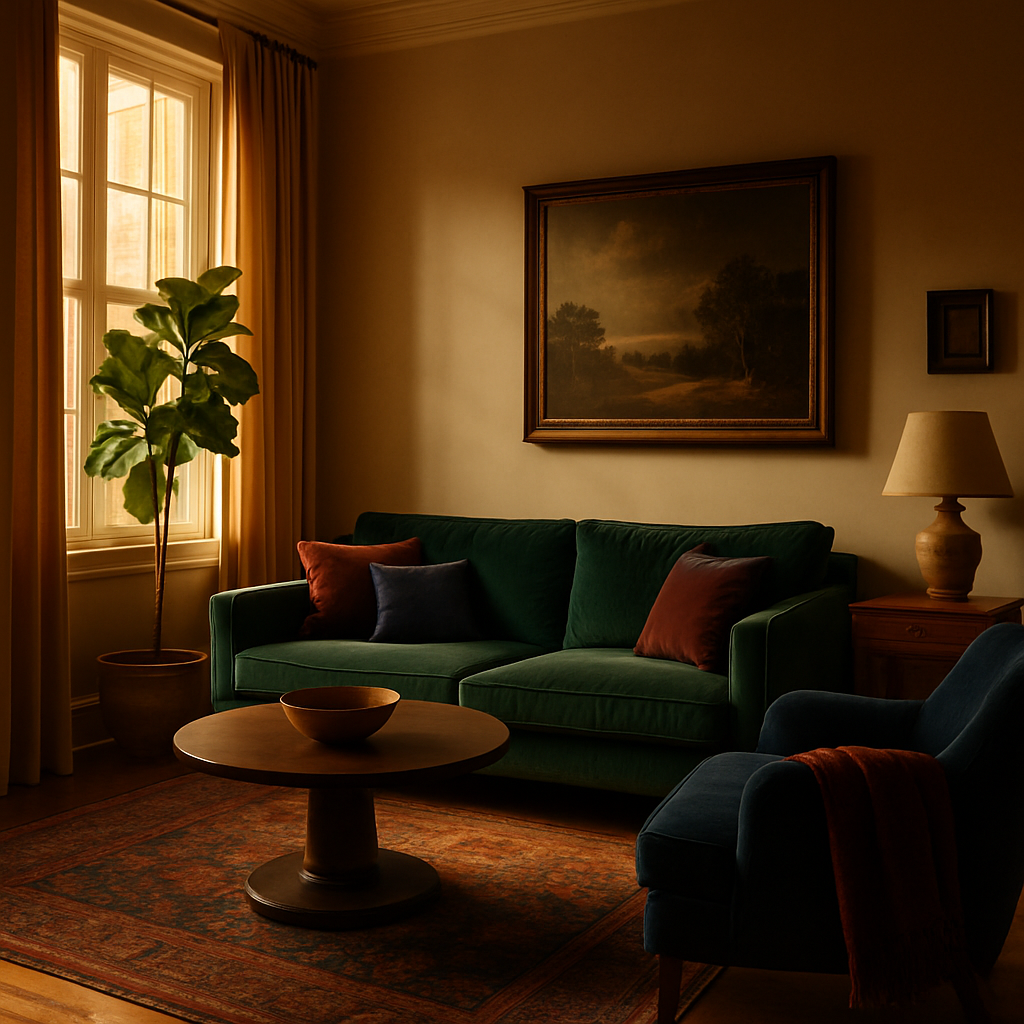
Have you ever walked into a room and felt an immediate sense of harmony, where every piece seems to belong, yet nothing feels overcrowded? According to a Houzz survey, nearly 87% of homeowners feel a well-designed space positively impacts their overall happiness. This perception underscores the transformative power of interior design. In this article, we'll explore the essential elements that make a space both functional and beautiful. From foundational principles to expert-level strategies, you'll gain a comprehensive understanding of how to design spaces that are not only aesthetically pleasing but also practically efficient.
Understanding the Fundamentals of Interior Design
At its core, interior design is about creating spaces that serve both form and function. A well-designed room should facilitate easy movement and support the activities that occur within it. For example, an open-plan kitchen and living area should allow for seamless cooking and entertaining. The National Council for Interior Design Qualification (NCIDQ) emphasizes the importance of balancing aesthetic appeal with practical utility. Certified designers are trained to consider factors like traffic flow, ergonomics, and spatial relationships, which are crucial for creating functional environments.
Color schemes play a pivotal role in setting the mood of a space. Warm colors, like reds and oranges, can create a cozy, inviting atmosphere, while cool colors, such as blues and greens, are known to evoke calm and relaxation. Professionals often start by determining the purpose of a space and selecting colors that align with that intention. According to the American Society of Interior Designers (ASID), color psychology is a powerful tool in influencing how we feel in a space, with 62% of people reporting a noticeable emotional response to color changes in their homes.
Lighting is another fundamental aspect that can dramatically alter a room's ambiance. Natural light is highly prized for its ability to make spaces feel larger and more open. However, artificial lighting must be strategically planned, with layers of light sources to ensure the room remains functional at all hours. Experienced designers suggest using a mix of task, ambient, and accent lighting to create depth and highlight architectural features. Understanding these foundational elements is crucial before delving into more complex design considerations.
Diving Deeper into Design with Data
Data-driven design is becoming increasingly popular in the interior design industry. According to a recent report by Architectural Digest's AD PRO, over 70% of designers use client data and trends to inform their design choices. This approach helps designers create spaces that are not only tailored to client preferences but also aligned with broader market trends. For instance, the rise of biophilic design, which emphasizes natural materials and indoor-outdoor flow, has been supported by studies showing its benefits on well-being and productivity.
Home automation is another trend that's backed by data. Smart home technologies, such as automated lighting and climate control, are not only convenient but also energy-efficient. A study by the International Interior Design Association (IIDA) found that homes with integrated smart technology can reduce energy consumption by up to 30%. This makes smart design choices both environmentally friendly and cost-effective, appealing to the growing number of eco-conscious consumers.
Furthermore, the integration of sustainable and reclaimed materials reflects a significant shift in consumer priorities. The use of recycled wood, bamboo, and other eco-friendly materials has been shown to reduce a home's carbon footprint significantly. Designers are increasingly sourcing materials from local producers to minimize transportation emissions, aligning with the industry's push towards sustainability. As you consider your design choices, how important is sustainability in your decision-making process?
Actionable Strategies for Designing Your Space
Creating a functional and beautiful living space involves more than just selecting the right furniture and decor; it requires a strategic approach to planning and execution. Start by mapping out how each room in your home is used. Identify high-traffic areas and consider how furniture placement can facilitate easy movement. For instance, in a living room, arrange seating to encourage conversation while ensuring there's enough space for people to pass through comfortably.
Next, consider the scale and proportion of your furniture. Oversized pieces can overwhelm a small room, while too-small items may get lost in a larger space. To achieve balance, mix furniture of different sizes and shapes, and don't be afraid to experiment with layout options. According to experienced professionals, a well-proportioned room contributes significantly to both its functionality and visual appeal. What changes can you make to improve the flow and balance of your space?
Finally, incorporate personal touches that reflect your style and personality. This could include artwork, family photos, or unique decor items that tell your story. Personalization not only makes a space feel more welcoming but also transforms it into a true reflection of who you are. Remember, the goal is to create a space that feels uniquely yours while maintaining a cohesive design.
Expert-Level Insights for Advanced Design
For those looking to elevate their design game, collaboration with certified interior designers can be invaluable. Professionals with NCIDQ or ASID credentials bring a wealth of knowledge and experience to the table, often seeing possibilities that might not be immediately apparent to the untrained eye. They can provide insights on everything from space planning to material selection, ensuring that your space is both beautiful and functional.
One advanced technique gaining traction is the use of AR/VR technology in design. These tools allow designers to create virtual mock-ups of a space, enabling clients to visualize changes before they're made. This technology not only aids in decision-making but also helps avoid costly mistakes. If you're considering a major redesign, exploring these digital options could provide clarity and confidence in your choices.
Additionally, understanding the cost structure of interior design services can help set realistic expectations. Interior designers typically offer various fee structures, including flat fees, hourly rates, or a percentage of the total project cost. It's important to discuss these details upfront to avoid surprises later on. By engaging with professionals and utilizing cutting-edge tools, you can achieve a truly sophisticated and tailored design.
Exploring Additional Depth in Design
Embracing current trends can add a fresh and contemporary feel to your living spaces. The Japandi style, which combines Japanese minimalism with Scandinavian warmth, is a perfect example of a trend that focuses on simplicity and functionality. This style's emphasis on clean lines, neutral colors, and natural materials can create a serene and uncluttered environment, perfect for those seeking a calm retreat.
Moreover, the concept of quiet luxury, characterized by understated elegance and high-quality materials, is gaining popularity. This trend focuses on the subtle yet powerful impact of premium materials and craftsmanship. When selecting items for your home, consider investing in fewer but higher-quality pieces that will stand the test of time. How do you balance trendiness with timelessness in your design choices?
Biophilic design continues to be a major influence, encouraging the incorporation of nature into interiors. This can be achieved through living walls, indoor plants, or natural materials like wood and stone. The benefits of biophilic design extend beyond aesthetics, promoting mental well-being and a connection to nature, which is especially valuable in urban environments. The integration of these trends can enhance the beauty and functionality of your space, making it a true reflection of modern living.
Final Perspectives on Designing Living Spaces
As you delve deeper into the world of interior design, remember that the ultimate goal is to create spaces that feel authentic to you. Whether you're working on a single room or an entire home, the principles of functionality and beauty should guide every decision. While trends provide inspiration, it's essential to prioritize personal comfort and practicality.
Combining foundational knowledge with advanced strategies can yield stunning results. By leveraging expert insights, embracing technology, and staying informed about industry trends, you can transform your living spaces into functional and beautiful sanctuaries. Are you ready to take the first step towards redesigning your home?
In our final section, we'll summarize the key takeaways and provide a clear call to action to help you embark on your interior design journey.
Conclusion: Your Next Steps in Interior Design
In summary, creating functional and beautiful living spaces requires a blend of foundational understanding, strategic planning, and creative execution. From mastering the basics of color, lighting, and layout to exploring advanced technologies and trends, there are numerous avenues to enhance your home's design. By considering both aesthetic and practical elements, you can craft spaces that truly resonate with your lifestyle.
To start your interior design journey, explore designer portfolios on platforms like Houzz and Pinterest. Even a brief 20-minute session can provide valuable inspiration and help sharpen your eye for design. As you gather ideas, remember to consider how each element will contribute to the overall functionality and beauty of your space. What steps will you take today to begin transforming your living environment?
With the right approach and resources, you can create a home that is not only visually appealing but also perfectly suited to your needs. Embrace the process and let your creativity guide you towards a space that feels uniquely yours.



Comments
Post a Comment