The Art of Space: Understanding What Interior Design Really Means
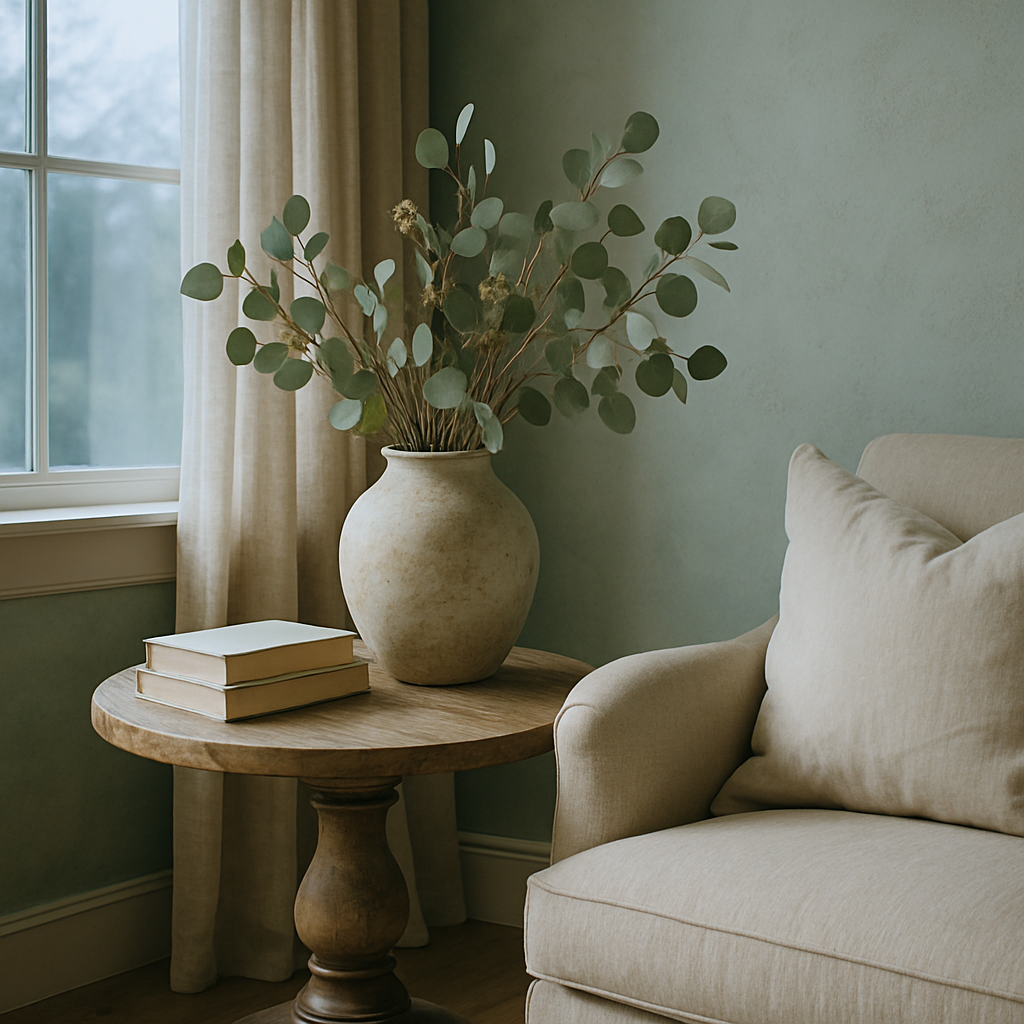
Imagine stepping into a room that instantly feels like home, where every element is perfectly in place, and the atmosphere reflects your personality. This is the magic of interior design-a discipline that extends beyond mere decoration to create functional, beautiful spaces. But what does interior design really mean, and how can you harness its power to transform your environment? This article delves into the foundational concepts of interior design, explores deeper analyses backed by data, and provides actionable strategies to enhance your home. We'll also gain insights from industry experts and uncover the latest trends shaping today's interiors. Prepare to embark on a journey that will redefine your understanding of space and style.
The Foundations of Interior Design
At its core, interior design is about creating environments that are not only aesthetically pleasing but also functional and reflective of the inhabitants' lifestyles. It involves a careful balance of space, light, color, and materials to produce a cohesive look. According to the National Council for Interior Design Qualification (NCIDQ), a certified interior designer is equipped with the education and expertise to manage this complex process from concept to completion. This distinguishes them from decorators who may lack formal training but excel in enhancing spaces with stylish elements.
One of the fundamental principles of interior design is understanding the use and flow of space. This involves mapping out how different areas of a home are utilized, identifying high-traffic zones, and ensuring that furniture placement facilitates easy movement. Experienced professionals often emphasize the importance of integrating personal touches that tell a story, whether through family heirlooms or art pieces that evoke memories. This personal connection transforms a house into a home.
Color theory is another critical aspect of interior design, as colors have the power to influence mood and perception. Designers use color palettes strategically to evoke specific emotions and create the desired atmosphere. For instance, warm hues like reds and oranges may stimulate activity and conversation, while cool tones like blues and greens are often used to promote relaxation. Understanding these basics allows you to make informed decisions about your space.
Analyzing Interior Design Through Data
Data-driven insights have become increasingly important in the field of interior design. According to the American Society of Interior Designers (ASID), well-designed interiors can increase a home's resale value by 5-15%. This statistic highlights the tangible benefits of investing in professional design services. Furthermore, Houzz's annual survey data reveals that homeowners who engage with designers report higher satisfaction levels with their renovations, underscoring the value of expert guidance.
Trends within the industry are also informed by consumer preferences and spending. The rise of biophilic design, which incorporates natural elements like plants and wood, reflects a growing desire for indoor spaces that mimic the outdoors. This trend aligns with the increasing consumer demand for sustainable and environmentally-friendly materials, as noted by ASID research. By integrating these elements, designers create spaces that promote wellness and environmental stewardship.
Moreover, technology is revolutionizing the way designers envision and present their concepts. Tools like Augmented Reality (AR) and Virtual Reality (VR) allow clients to visualize designs before implementation, reducing uncertainty and enhancing collaboration. This technological advancement has broadened the scope of possibilities in interior design, offering both designers and clients new ways to realize their visions.
Actionable Strategies for Your Home
Wondering how to apply interior design principles to your own home? Start by assessing your needs and lifestyle. Consider how each room functions in your daily routine and identify areas that could be improved. For instance, if your kitchen serves as a gathering spot for friends and family, focus on optimizing seating and lighting to encourage interaction. If your home office lacks inspiration, experiment with color and layout to boost productivity.
Budgeting is another crucial step in the design process. Establishing a realistic budget helps prioritize expenditures and ensures that funds are allocated effectively across different aspects of the project. Typical costs for a single-room redesign range from $5,000 to $15,000, while full-home projects can escalate to $50,000-$150,000 or more. Knowing these figures can guide your planning and help manage expectations.
Finally, don't underestimate the power of professional help. Hiring a certified interior designer can make a significant difference, bringing expertise and an eye for detail that transforms your vision into reality. Look for professionals with credentials such as NCIDQ or affiliations with the International Interior Design Association (IIDA) to ensure quality and professionalism. The investment in a designer often pays off in the form of a well-executed, cohesive home.
Expert-Level Insights into Interior Design
Experienced professionals often note that the most successful projects start with clear communication between the client and designer. This relationship is pivotal in understanding the client's desires and translating them into a tangible design. Regular consultations and feedback loops are essential to ensure that the project aligns with the client's vision and budget throughout each phase.
Interior designers also emphasize the importance of staying informed about industry trends and innovations. Platforms like Architectural Digest's AD PRO offer valuable resources and networking opportunities for professionals seeking to enhance their skills and knowledge. By engaging with such platforms, designers can access the latest design trends, materials, and technologies, which they can then apply to their projects.
Moreover, professional designers are adept at problem-solving and can anticipate potential challenges before they arise. Their experience allows them to navigate complex projects efficiently, ensuring that timelines and budgets are adhered to. This proactive approach not only saves time and money but also minimizes stress for the client, resulting in a smoother, more enjoyable renovation experience.
Delving Deeper into Design Details
Beyond aesthetics, interior design involves a deep understanding of materials and their applications. For instance, choosing the right flooring involves considering factors such as durability, maintenance, and compatibility with the overall design scheme. Designers often recommend sustainable options like bamboo or reclaimed wood, which offer both environmental benefits and unique visual appeal.
Lighting is another critical component that can dramatically alter the mood and functionality of a space. Designers employ various lighting techniques, such as task lighting for workspaces and ambient lighting for relaxation areas, to enhance the overall experience. The integration of smart home technology, such as automated lighting systems, allows for greater control and customization, adapting to different activities and times of the day.
Additionally, furniture selection is a key aspect of interior design that requires careful consideration of scale, proportion, and style. Selecting pieces that complement the architecture and layout of the space can enhance flow and functionality. Designers often source furniture and decor from various suppliers, balancing high-end investments with cost-effective finds to achieve a curated look that reflects the client's personal taste.
Final Perspectives on Interior Design
Interior design is an evolving field that blends creativity with practicality, resulting in spaces that are both beautiful and functional. As you consider your own design projects, reflect on how the principles and insights shared in this article can be applied to your unique situation. Are there areas in your home that could benefit from a more thoughtful design approach?
Remember that successful interior design is not just about following trends but creating environments that enhance your quality of life. Whether through the integration of sustainable materials, the application of cutting-edge technology, or the personal touches that make a house a home, the possibilities are endless. Let your imagination and personal style guide you as you explore the art of space.
Conclusion
In summary, understanding what interior design truly means involves recognizing its multifaceted nature-balancing aesthetics, functionality, and personal expression. By leveraging foundational concepts, analyzing data-driven insights, and applying expert strategies, you can transform your living spaces into reflections of your identity and lifestyle. Ready to take the next step? Start by browsing designer portfolios on Houzz or Architectural Digest's AD PRO this week-even 20 minutes of research will sharpen your eye for what you want. The journey to crafting your ideal space begins with a single, informed decision.



Comments
Post a Comment