How to Choose the Best Interior Design Style for Your Space
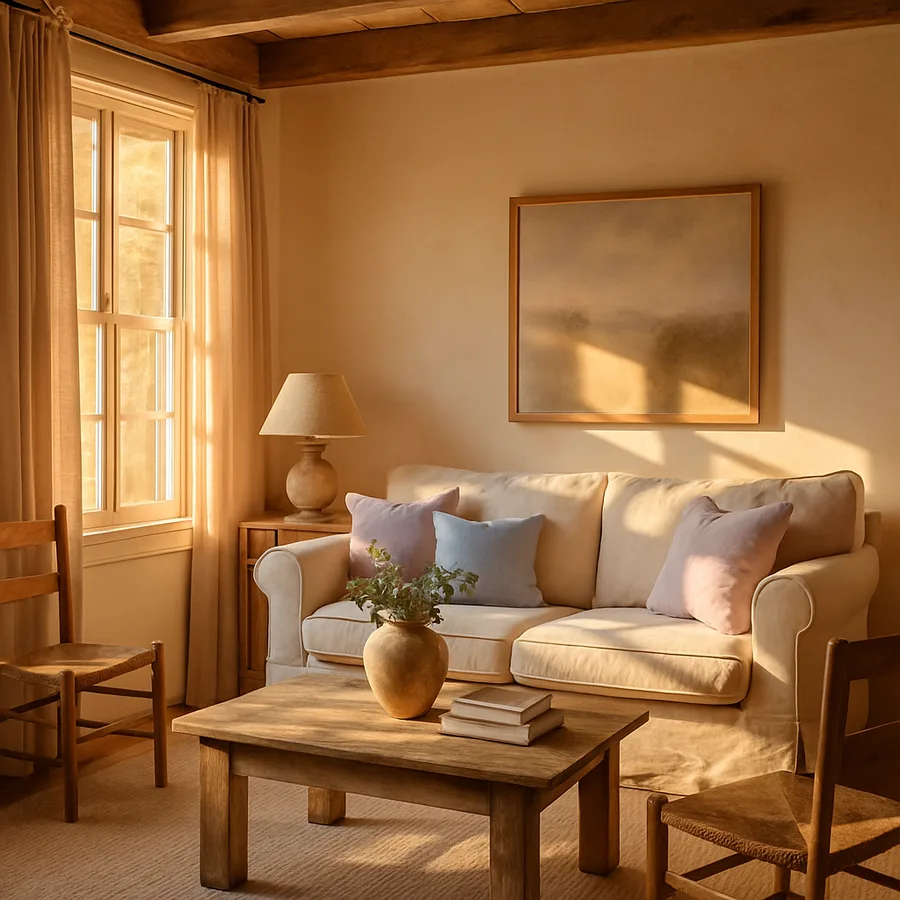
Choosing the right interior design style for your space can be daunting. Many homeowners find themselves overwhelmed by the plethora of choices, from modern minimalism to rustic farmhouse. Yet, selecting a design style is crucial as it sets the tone for your home's personality and functionality. Not only does the right style reflect your personal taste, but it also enhances everyday living by creating a cohesive and comfortable environment. This article will guide you through the essentials of choosing an interior design style that fits your space, helping you create a harmonious home that speaks to your lifestyle and preferences.
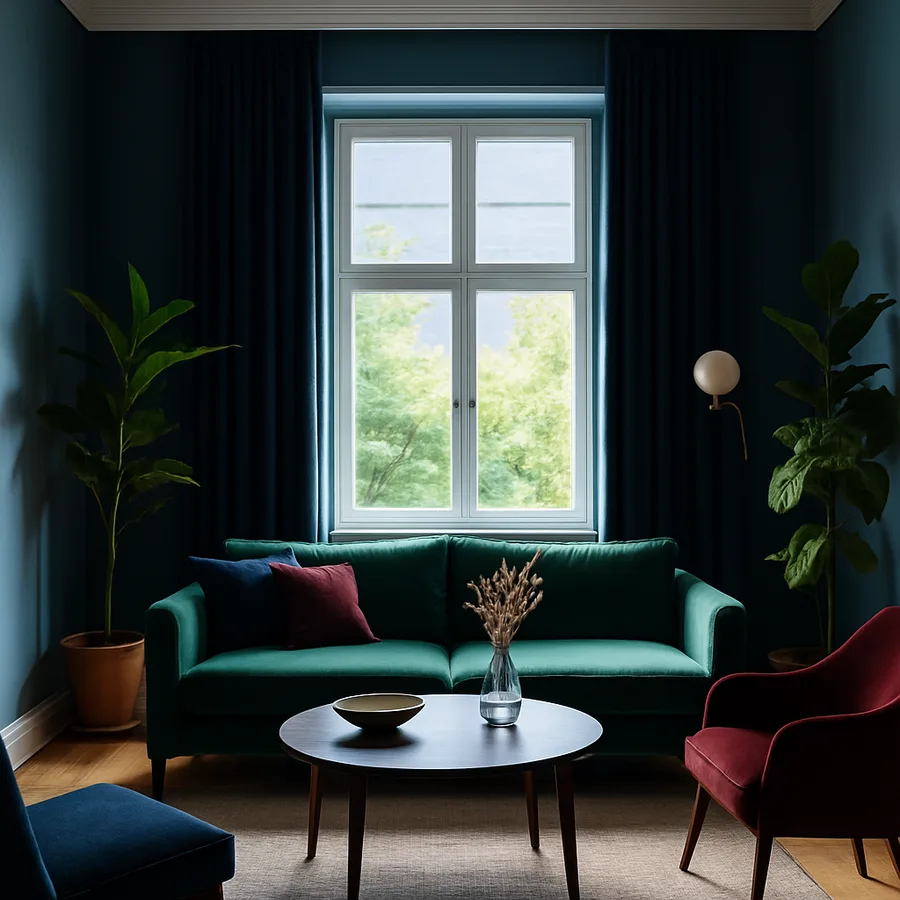
What You Need to Know First
Before diving into specific styles, it's essential to understand the overall purpose of your space. Ask yourself questions like: What activities will take place here? How many people will use it regularly? By answering these questions, you can better align your design choices with your practical needs. For instance, a family room might prioritize comfort and durability, while a home office could focus on functionality and organization.
It's also important to familiarize yourself with the core principles of popular design styles. For example, Japandi blends Japanese minimalism with Scandinavian warmth, emphasizing simplicity and natural materials. On the other hand, biophilic design incorporates elements of nature to create a calming environment. Understanding these styles' foundations will help you narrow down your choices effectively.
Moreover, consider your home's architectural style. A modern loft might naturally lend itself to industrial design elements, while a Victorian house could be an excellent canvas for traditional or eclectic styles. By aligning your interior design with the architectural style, you ensure a seamless transition between the exterior and interior, enhancing the overall aesthetic.
With this foundational knowledge, you're ready to embark on the step-by-step process of selecting your ideal design style.
Step-by-Step Process
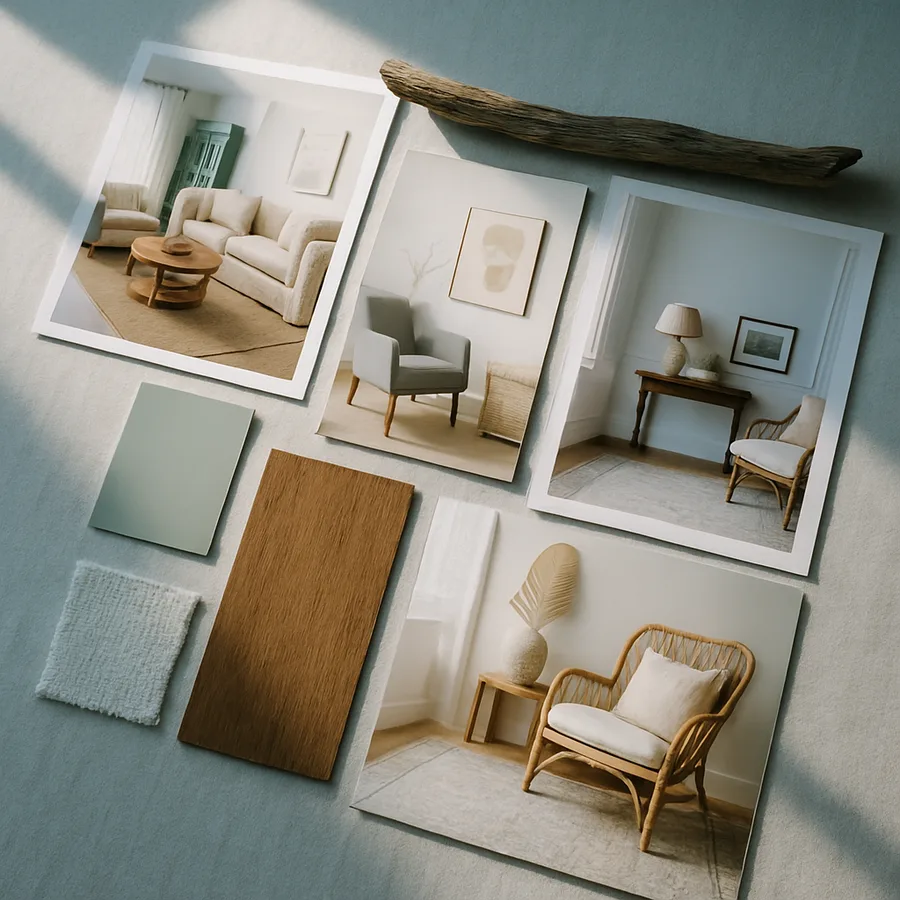
The first step in choosing your interior design style is gathering inspiration. Use platforms like Houzz and Pinterest to explore different styles. Create a vision board capturing elements, colors, and textures that resonate with you. While doing so, take note of recurring themes and patterns, as these will guide your final selection.
Once you have a broad sense of what appeals to you, define your budget. According to the American Society of Interior Designers (ASID), single-room redesigns can range from $5,000 to $15,000, while full-home projects can exceed $50,000. Your budget will influence your choices, including materials and furnishings.
Next, test out your chosen style in a small area before committing to larger spaces. This could be a corner of a room or a small guest bathroom. By experimenting with paint, fabrics, and accessories, you can see how the style feels in your home without making a full commitment. Experienced professionals often note that this step is crucial for avoiding costly mistakes later on.
Finally, refine your approach by seeking feedback from friends, family, or an interior designer. They can provide valuable insights and suggestions you might not have considered. With their input, finalize your design choices and start implementing them across your space.
Common Mistakes to Avoid
A frequent mistake homeowners make is attempting to incorporate all their favorite elements into one space, leading to a cluttered and disjointed look. To avoid this, focus on a few key pieces that embody your chosen style, and build around them. Remember, less is often more in design.
Another pitfall is neglecting the functionality of the space. For instance, while a white sofa might look stunning in a minimalist living room, it may not be practical for a household with young children or pets. Prioritize durability and ease of maintenance alongside aesthetics to ensure your space remains as functional as it is beautiful.
Lastly, many homeowners overlook the importance of lighting in their design. Adequate lighting can dramatically enhance the ambiance of a room and highlight design features. Incorporate a mix of ambient, task, and accent lighting to create a balanced and inviting atmosphere. As you consider these potential pitfalls, you're better prepared to make thoughtful design choices.
Pro Tips from Industry Experts
Experienced designers often emphasize the importance of integrating smart home technology into your design. This can range from automated lighting systems to smart climate control, all of which enhance both convenience and energy efficiency. By planning for these integrations early, you ensure they complement your design style seamlessly.
Another advanced strategy is to focus on sustainability. Incorporate sustainable and reclaimed materials to create an eco-friendly space. Not only does this approach contribute to environmental conservation, but it also adds unique character to your home. The International Interior Design Association (IIDA) notes that sustainable design is increasingly popular among conscientious homeowners.
Finally, consider using Augmented Reality (AR) and Virtual Reality (VR) tools for room visualization. These cutting-edge technologies allow you to see potential design changes in real-time, offering a clear picture before any physical alterations are made. This can significantly reduce uncertainty and enhance decision-making confidence. With these expert tips, you can elevate your design process to a professional level.
Budget and Timeline Considerations
When planning your project, it's essential to establish a realistic budget and timeline. Start by listing all potential expenses, including materials, labor, and unforeseen costs. According to industry surveys, a well-planned budget will typically include a 10-20% buffer for unexpected expenses that may arise during the design process.
Timeline is another critical factor. Be aware that shipping delays, especially for custom pieces, can extend your project timeline. Consult with suppliers and contractors to develop a realistic schedule, and build in extra time for any potential setbacks. This proactive approach minimizes stress and keeps your project on track.
Remember, quality often comes with a higher price tag. However, investing in durable materials and skilled craftsmanship can save money in the long run by reducing the need for frequent replacements or repairs. As you consider these practical aspects, you can make informed decisions that align with your financial and temporal constraints.
Real-World Examples and Case Studies
Consider the case of a couple who transformed their dated suburban house into a serene retreat using the Japandi style. They focused on a neutral color palette and natural materials, such as bamboo and wool, to create a calming environment. Their investment in quality pieces, like a handcrafted dining table, not only enhanced the aesthetic but also increased their home's resale value by an estimated 10%.
Another example is a young family who prioritized biophilic design in their urban apartment. By incorporating a vertical garden and large windows to maximize natural light, they created a space that felt connected to nature, despite being in a city center. Their strategic use of space and light transformed a compact area into a functional and inviting home.
These examples illustrate how thoughtful design choices can significantly impact both the look and functionality of a home. They demonstrate the value of aligning design decisions with personal lifestyle and environmental context, resulting in spaces that are both beautiful and practical. As you consider these real-world scenarios, think about how similar strategies might be applied to your own space.
Conclusion
Choosing the best interior design style for your space is a journey that combines personal preference, practicality, and professional insight. By understanding foundational principles, following a structured process, and avoiding common pitfalls, you can create a home that truly reflects your taste and lifestyle. Remember, the key is to balance aesthetics with functionality, ensuring that your space is both beautiful and livable.
Ready to start your design journey? Begin by exploring designer portfolios on Houzz this week. Even dedicating just 20 minutes to research can sharpen your eye for what you want. With the right approach and resources, you'll soon transform your space into a harmonious reflection of you.
More Articles You May Like



Comments
Post a Comment