The Ultimate Guide to Collaborating with an Interior Designer for Stunning Results
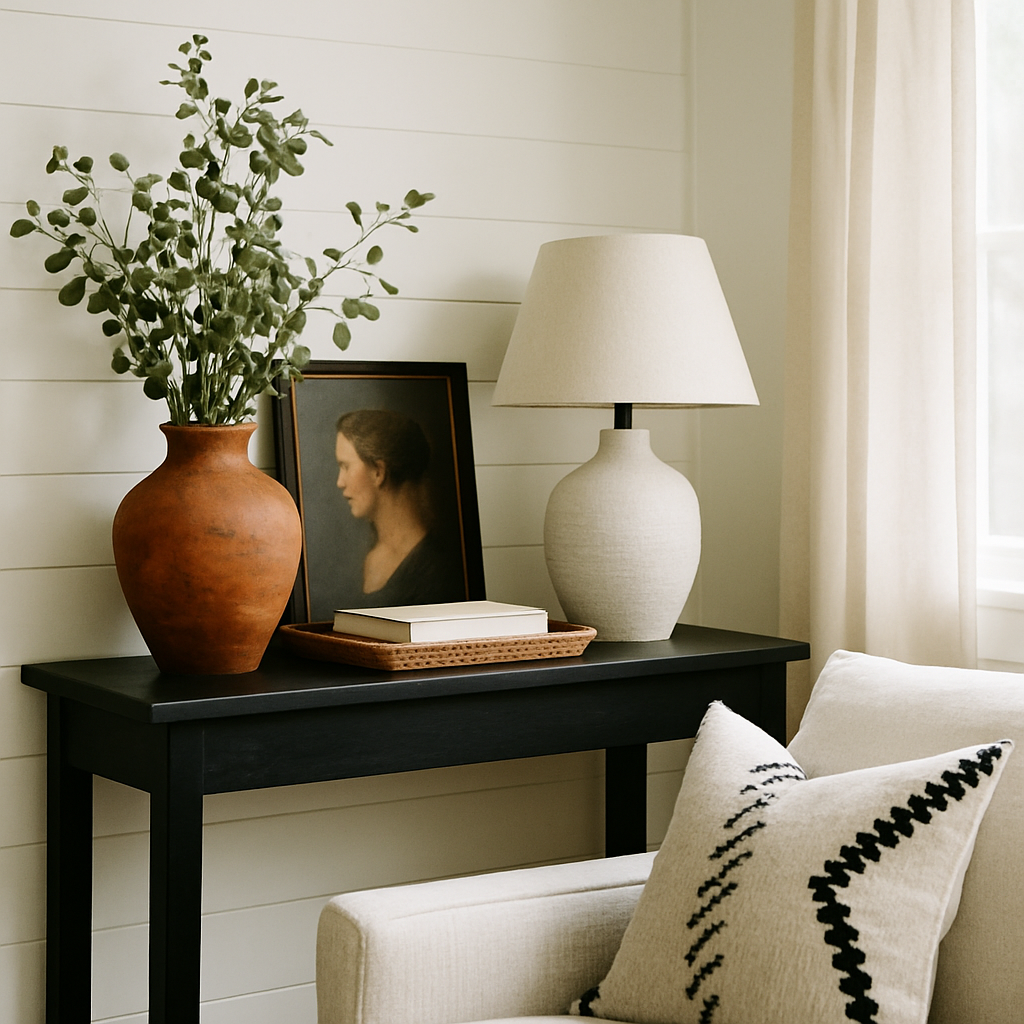
Imagine walking into a room that feels tailor-made for you-every detail meticulously curated to reflect your taste and lifestyle. This is the magic of working with an interior designer. According to the American Society of Interior Designers (ASID), a well-designed space can enhance your quality of life and even increase your home's resale value by 5-15%. But how do you ensure that your collaboration with a designer leads to such transformative results? This guide will take you through the entire process, from understanding the foundational concepts to implementing expert-level strategies. You'll learn how to communicate effectively, set realistic budgets, and ultimately, achieve the interior of your dreams.
Understanding the Role of an Interior Designer
Before embarking on your design journey, it's essential to understand the role of an interior designer fully. Interior designers are not just decorators; they are trained professionals who bring a wealth of knowledge to the table. Certified designers often hold credentials like the NCIDQ (National Council for Interior Design Qualification), which ensures a high standard of expertise in both aesthetics and functionality. They are adept at navigating building codes, spatial planning, and project management, which are crucial elements in any renovation or redesign.
One of the first steps in collaborating with a designer is to clearly define your needs and expectations. Whether you're redesigning a single room or your entire home, clarity from the outset can prevent misunderstandings and align your visions. Are you looking to create a space that offers quiet luxury, or do you lean towards the clean lines of Japandi style? These initial conversations help set the tone for your project and ensure that the designer's vision aligns with yours.
Finally, a crucial component of the designer's role is to provide you with a comprehensive concept development plan. This plan should outline the proposed design direction, including mood boards, color palettes, and material suggestions. By laying a solid foundation, you and your designer can move forward with a clear roadmap in mind. This clarity will be essential as you delve deeper into the project.
Analyzing the Financial Aspects of Interior Design
Collaborating with an interior designer involves financial considerations that can significantly impact your project. Understanding fee structures is vital. Designers typically charge a flat fee, an hourly rate ranging from $150 to $500, or a percentage of the total project cost, often between 10-25%. According to Houzz's annual survey, homeowners report an average spending of $5,000-$15,000 for a single room redesign. Larger projects can easily extend to $50,000-$150,000 or more, depending on scope and materials.
Budgeting is an area where many homeowners find themselves uncertain. Experienced professionals often note the importance of setting a realistic budget before the project begins. This includes not just the designer's fees but also furniture, materials, and potential unforeseen expenses. Allocating a contingency fund-typically around 10-20% of your total budget-can provide a buffer for unexpected costs that may arise during the project.
Furthermore, it's essential to have transparent discussions with your designer about procurement markups. Designers often receive trade discounts on furniture and décor, which can offset their markups. However, clear communication about these costs will ensure there are no surprises later on. By understanding these financial dynamics, you can make informed decisions that maximize the value of your investment.
Effective Communication and Collaboration Strategies
Effective communication is the cornerstone of a successful collaboration with your interior designer. Start by establishing a preferred method of communication, whether it's regular meetings, emails, or phone calls. Consistent updates can keep the project on track and ensure that both parties are aligned. A popular strategy among seasoned designers is the use of project management platforms like Asana or Trello, which provide a centralized space for sharing updates and tracking progress.
Do you have a clear vision for your space? Sharing visual inspirations can be incredibly helpful. Platforms like Houzz and Pinterest are excellent for creating idea boards that convey your preferences. These visual aids offer concrete examples of styles, colors, and layouts that resonate with you, making it easier for your designer to understand your tastes and incorporate them into the design.
Another critical aspect is feedback. Be honest but constructive when discussing your likes and dislikes. Remember, your designer is there to bring your vision to life, but they also have expertise in what works well functionally and aesthetically. By offering clear and timely feedback, you can work together to refine designs and ensure the final outcome is something you love.
Leveraging Industry Expertise for Advanced Design Solutions
To achieve stunning results, it's beneficial to leverage the advanced skills and tools that designers bring to the table. Today's designers are increasingly incorporating AR/VR technology to create virtual room visualizations. This technology allows you to experience and adjust your space before any physical changes are made, reducing the risk of costly mistakes and ensuring satisfaction with the final layout.
Furthermore, consider the growing trend of biophilic design, which incorporates natural materials and elements into interior spaces. Designers often draw on their knowledge of sustainable and reclaimed materials to create environments that are not only aesthetically pleasing but also environmentally responsible. This approach can enhance well-being and create a serene atmosphere in your home.
Experienced interior designers, especially those affiliated with professional organizations like the IIDA (International Interior Design Association), bring a wealth of industry connections. These networks provide access to exclusive resources and vendors, which can be invaluable for sourcing unique pieces and materials. This access, combined with their creative expertise, can elevate your project to a new level of sophistication.
Additional Insights for a Seamless Design Experience
As you collaborate with your designer, there are several additional insights to keep in mind to ensure a seamless experience. One crucial consideration is the project timeline. Professional designers often outline a timeline that includes all phases: concept development, design presentation, procurement, installation, and styling. Understanding this timeline will help you manage expectations and ensure that the project progresses smoothly.
Another expert tip is to maintain flexibility throughout the design process. While it's essential to have a clear vision, being open to your designer's suggestions can lead to unexpected but delightful results. Designers have a knack for seeing possibilities that you might not have considered, and their insights can enhance the overall outcome.
Finally, remember the value of patience. Interior design projects, particularly those involving significant changes, can take time. However, the wait is often worth it when you see the transformation of your space. By staying engaged and communicative throughout the process, you can enjoy a rewarding experience that culminates in a space that truly reflects your style and needs.
Final Thoughts on Collaborating with an Interior Designer
Collaborating with an interior designer can be a transformative experience that results in a space that is both beautiful and functional. By understanding the role and expertise of a designer, analyzing the financial aspects, and employing effective communication strategies, you lay the groundwork for a successful project. Leveraging advanced technologies and industry insights can further enhance the design process, leading to results that exceed your expectations.
Are you ready to take the next step in your interior design journey? Consider starting by researching designers who hold credentials like NCIDQ and are part of professional networks such as ASID or IIDA. These affiliations are indicative of a commitment to excellence and adherence to industry standards. Your collaboration with a skilled designer can transform your home into a space that not only meets your needs but also inspires and delights.
Conclusion: Taking Action Towards Your Dream Space
In conclusion, collaborating with an interior designer is a strategic move towards creating a home that reflects your personality and lifestyle. By following the steps outlined in this guide, you can navigate the complexities of design projects with confidence. From understanding the financial landscape to leveraging cutting-edge technologies, every aspect of the process is an opportunity to enhance your living environment.
Now is the time to act. Start by browsing designer portfolios on platforms like Houzz or Instagram this week-even 20 minutes of research will sharpen your eye for what you want. With the right designer by your side, you'll be well on your way to achieving stunning results that transform your house into a home you love.



Comments
Post a Comment