Glass Tile Backsplash Designs for a Bright and Reflective Kitchen
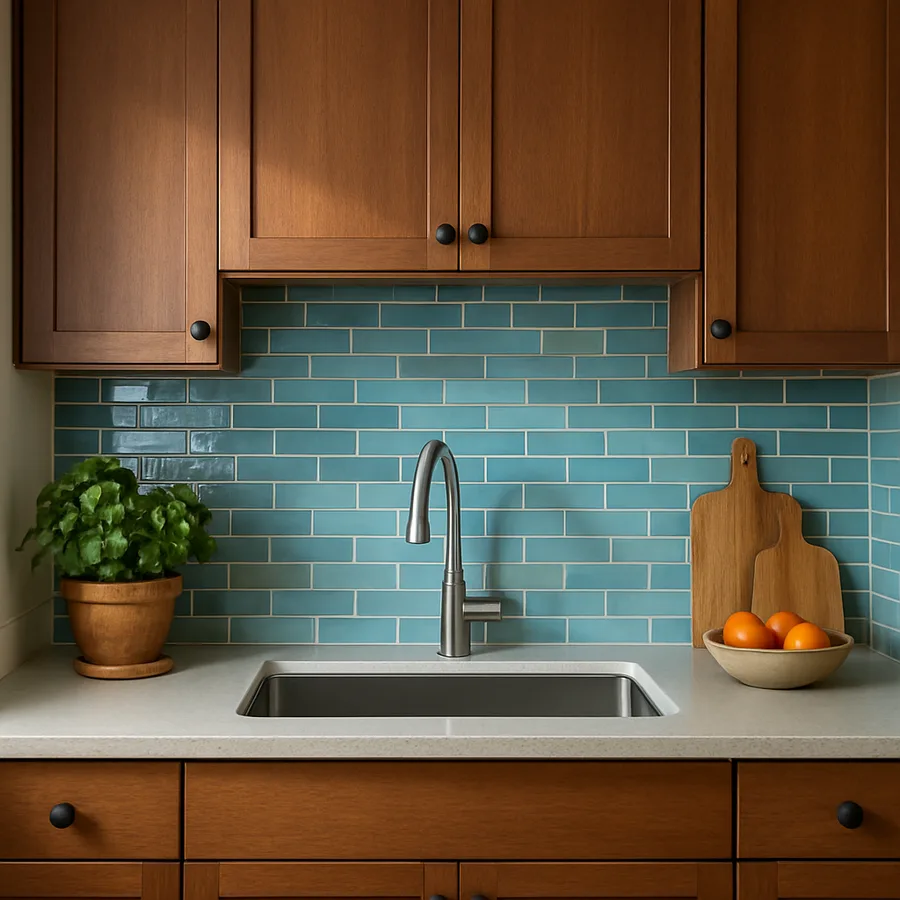
Some kitchens feel instantly luminous the moment you walk in. Light seems to travel further, colors feel cleaner, and the overall atmosphere is somehow more cheerful than the square footage would suggest. Dig into the materials used in those spaces, and you will almost always find one quiet workhorse: a glass tile backsplash. Glass has been used as a decorative surface since Roman antiquity, but its modern incarnation in kitchens takes full advantage of twentieth-century manufacturing to deliver consistent color, precision edges, and a reflectivity no other tile material can match.
This guide explores glass tile backsplash designs in depth, from color and pattern selection to installation realities and long-term care. Whether you are working with a compact galley kitchen that needs more perceived space or a bright open-plan great room where the backsplash becomes a visual accent at every angle, glass has something to offer.
Why Glass Tile Amplifies Light So Effectively
Ordinary ceramic tile reflects light in a diffuse way, scattering it softly across the room. Glass tile behaves differently. Its polished surface produces specular reflection, bouncing light in controlled directions similar to a mirror. The result is a brighter overall room and a livelier visual play across the day as sunlight angles shift.
This is especially useful in kitchens with limited natural light. According to research summarized by the Illuminating Engineering Society (IES), reflective surfaces can effectively raise the perceived brightness of a space by 10 to 25 percent without any change in actual lumen output. That is a measurable improvement achieved through surface choice alone, without adding a single new fixture.
Reader question: when you cook in the late afternoon, does your current kitchen feel dim and shadowy? If yes, a glass backsplash could address that problem more elegantly than an aggressive overhead lighting upgrade, and usually at lower cost.
Color, Opacity, and Backing Choices
Glass tile comes in three main opacity categories, each with distinct design effects. Transparent glass shows the adhesive behind it, which means the wall color beneath influences the final appearance. Translucent glass glows softly, especially under backlighting, and is popular for accent strips and bar areas. Opaque glass, sometimes called "back-painted," features a pigment layer fused to the reverse of the tile, producing rich, consistent color that never shifts based on wall color.
For a glass tile backsplash behind a stove, opaque or translucent tiles are usually the safer choice. Transparent glass can reveal adhesive inconsistencies and looks dated more quickly than back-painted versions. The Tile Council of North America (TCNA) publishes the TCNA Handbook, which includes specific installation recommendations for translucent and transparent tiles, including the use of white thinset rather than gray to preserve color clarity.
Color choice tends to follow one of two strategies. The monochrome approach uses a single color in varied tones, creating a calming, unified look that works well in kitchens where the cabinets or countertops already provide visual interest. The mosaic approach blends multiple complementary colors in small squares or linear strips, producing more animated visual energy. Either approach performs well as long as the base wall color and grout color are chosen intentionally.
Popular Patterns and Their Effects
Glass tile is available in nearly every pattern format. The classic subway layout, which stacks rectangular tiles in an offset brick pattern, remains the most requested option in kitchen design surveys published by Houzz, appearing in roughly a third of submitted kitchen projects. Its horizontal orientation visually widens a space, making it particularly useful in narrow kitchens.
The herringbone pattern rotates rectangular tiles at 45-degree angles, producing a directional zigzag that draws the eye across the wall. This pattern energizes a kitchen and works beautifully in transitional and contemporary designs. The vertical stack, meanwhile, mounts rectangular tiles in perfect columns, emphasizing ceiling height in kitchens with short upper cabinets.
Mosaic sheets, typically 12 inches square with dozens of tiny tiles on a mesh backing, offer the most detailed visual effect. These sheets are particularly popular as accent bands between upper and lower cabinets or behind a single focal range. For dramatic statements, custom-cut mixed-material mosaics combining glass with stone or metal deliver texture and reflectivity in one surface.
Durability, Cleaning, and Kitchen Performance
Glass is surprisingly durable in the kitchen environment. It is nonporous, meaning it does not absorb oil, wine, or sauce. It is heat-resistant to temperatures well above anything a residential range will produce. It is scratch-resistant enough to survive decades of cleaning, and its glazed surface makes it one of the easiest materials to wipe down.
The Tile Council of North America (TCNA) classifies glass tile for wall installations as Type GL, with specific durability and installation standards. Homeowners should note that while the glass itself is durable, grout lines still require the same care as any tile installation. An epoxy grout in kitchens is worth the modest upcharge because it resists staining, cleaning chemicals, and mold in ways traditional cement grout cannot.
Cleaning is refreshingly simple. Warm water, a drop of dish soap, and a microfiber cloth handle daily grime. For heavier buildup, a diluted white vinegar solution removes grease without harming glass or grout. Avoid abrasive pads, which can scratch the glaze over time.
Installation Realities and Common Pitfalls
Installing glass tile is more demanding than installing ceramic. Because glass is translucent to varying degrees, any inconsistency in the thinset mortar behind it will show through. Professional installers use white polymer-modified thinset, apply it with a fine-notched trowel, and work in smaller sections to prevent premature skinning. For DIY installation, this learning curve is worth respecting.
Cutting glass tile also requires different tools. A standard tile wet saw with a ceramic blade will chip glass. A dedicated glass-cutting diamond blade, combined with slow feed rates and steady water cooling, produces clean cuts without stress fractures. The National Kitchen & Bath Association (NKBA) routinely lists improper cutting as the most common DIY failure in glass backsplash projects, and it is one of the main reasons many homeowners hire professional installers for this material.
Second reader question: have you ever tackled a tile project before? If not, glass is probably not the best entry-level material. Ceramic subway tile is far more forgiving and allows you to build skills before graduating to glass on your next project.
Pairing Glass with Cabinets, Counters, and Fixtures
Design integration matters. A glass tile backsplash is a statement surface, and surrounding materials should either support or deliberately contrast with it. White shaker cabinetry with pale aqua glass evokes coastal and Scandinavian aesthetics. Flat-panel walnut cabinets with smoke-gray glass deliver a sophisticated mid-century modern effect. High-gloss lacquer cabinets with bold jewel-tone glass produce vibrant, energetic contemporary kitchens.
Countertop pairing is critical. Busy, highly-veined stone countertops can compete with patterned glass mosaics and create visual noise. A simpler quartz or solid-surface countertop usually supports a glass backsplash better than a dramatic marble slab. The American Society of Interior Designers (ASID) often recommends deciding upfront which element will carry the visual weight in a kitchen, then letting the others support it.
Hardware and fixtures deserve attention too. Brushed brass pulls against cool blue glass produce a warm-cool tension that reads as intentional. Polished chrome or stainless pulls reinforce the reflectivity of the glass without adding color. Black matte hardware provides sharp definition, especially with lighter glass colors.
Faucet selection is a frequently overlooked variable. A tall arched faucet positioned against a glass tile backsplash becomes part of the composition whether the designer intends it or not. A professional-style spring faucet reads industrial and pairs best with metallic or gray glass. A simpler gooseneck faucet recedes into the background and lets the backsplash remain the hero. Walking through a showroom with a sample of your chosen tile in hand is the fastest way to test these combinations in real light.
Accessories also deserve thought. Open shelves floating against a glass backsplash create beautiful reflections but demand constant tidiness. Closed upper cabinets with minimal exposed glass read cleaner and work better in homes where daily visual discipline is not guaranteed. Designers often recommend that first-time glass tile buyers limit open shelving to a single decorative niche rather than a full wall, until they know how their household actually lives with the material.
Conclusion
Glass tile offers a rare combination of beauty, brightness, and practicality. It lifts the perceived light level of a room, introduces color without overwhelming the space, and resists the moisture and grease challenges that kitchens inevitably produce. For homeowners seeking a surface that is both highly decorative and genuinely functional, few materials match its versatility.
The trade-offs are real but manageable. Installation is less forgiving than ceramic, the right grout matters more than it does elsewhere, and the wrong opacity choice can undercut the entire design. These hurdles are not deal-breakers. They are simply reasons to plan carefully, hire experienced installers for larger projects, and invest the extra time in selecting the right product for your specific kitchen.
Whether you choose a classic white subway layout for a timeless cottage feel, a dramatic herringbone in jewel tones for a contemporary statement, or a soft mosaic that layers three shades of blue for coastal charm, the right glass tile backsplash can define the character of the kitchen for years. Pair it with thoughtful lighting and complementary cabinetry, and it becomes one of the most rewarding investments in the room.
Take the first step today. Order sample boards in three of your top color options, tape them to your existing backsplash wall, and observe how they read at morning, midday, and evening light. That thirty-minute evaluation will eliminate at least two candidates and reveal which glass belongs in your kitchen.
For deeper technical reading:
Sustainability, Recycled Options, and Environmental Considerations
Glass tile deserves special mention in any conversation about sustainable kitchen materials. A significant portion of modern glass tile is produced from recycled post-consumer glass, reducing landfill volume and cutting the energy required for raw material extraction. Manufacturers participating in programs overseen by organizations like the U.S. Green Building Council (USGBC) publish percent-recycled-content figures on their product data sheets, and some lines exceed 80 percent recycled content by weight.
The environmental profile extends beyond recycled content. Glass tile is inherently nontoxic, contains no volatile organic compounds in its finished state, and does not off-gas into the indoor air. For homeowners with asthma, chemical sensitivities, or simply a strong preference for clean indoor environments, glass offers meaningful advantages over painted surfaces or certain plastic-laminate alternatives. The Environmental Protection Agency (EPA) has published general guidance on low-emission interior materials that supports glass as a preferred surface in sensitive homes.
End-of-life considerations also favor glass. When a kitchen is remodeled decades from now, properly removed glass tile can be crushed and recycled through municipal glass streams in many markets. While the mesh backing of mosaic sheets complicates this process somewhat, the core glass material itself remains one of the most circular kitchen surface choices available. For buyers building a home with sustainability in mind, these lifecycle attributes often make glass the clearest conscience-friendly option among reflective backsplash materials.
Budget Planning and Getting the Most Value
Glass tile projects vary enormously in cost, and understanding the drivers helps you plan effectively. Mass-produced glass subway tiles from mainstream suppliers typically run 8 to 15 dollars per square foot for material alone. Hand-poured or custom-colored glass tile from specialty studios can climb to 50 dollars per square foot or more. Installation labor, which averages 10 to 20 dollars per square foot in most markets according to data tracked by the National Association of Home Builders (NAHB), is consistent regardless of tile price.
A smart budget strategy concentrates investment where it counts most. A simple monochrome glass field tile combined with a single accent strip of premium handmade glass delivers strong visual impact without spending at custom-tile rates across the full wall. Similarly, choosing an epoxy grout only in the zones that will see heavy kitchen use, rather than across the entire installation, can trim cost without sacrificing performance where it matters.
Many homeowners underestimate the cost of outlets, edges, and niches. Each outlet cut requires precision work that adds 20 to 40 minutes of labor. Finished edges at windows or open cabinetry require Schluter-style metal trim or a mitered glass return, both of which add material and labor. Asking your installer for an itemized bid that breaks out these details prevents surprise charges and makes it easier to trim scope if necessary.
More Articles You May Like



Comments
Post a Comment