Scandinavian Kitchen Design: Light Wood and White Done Right
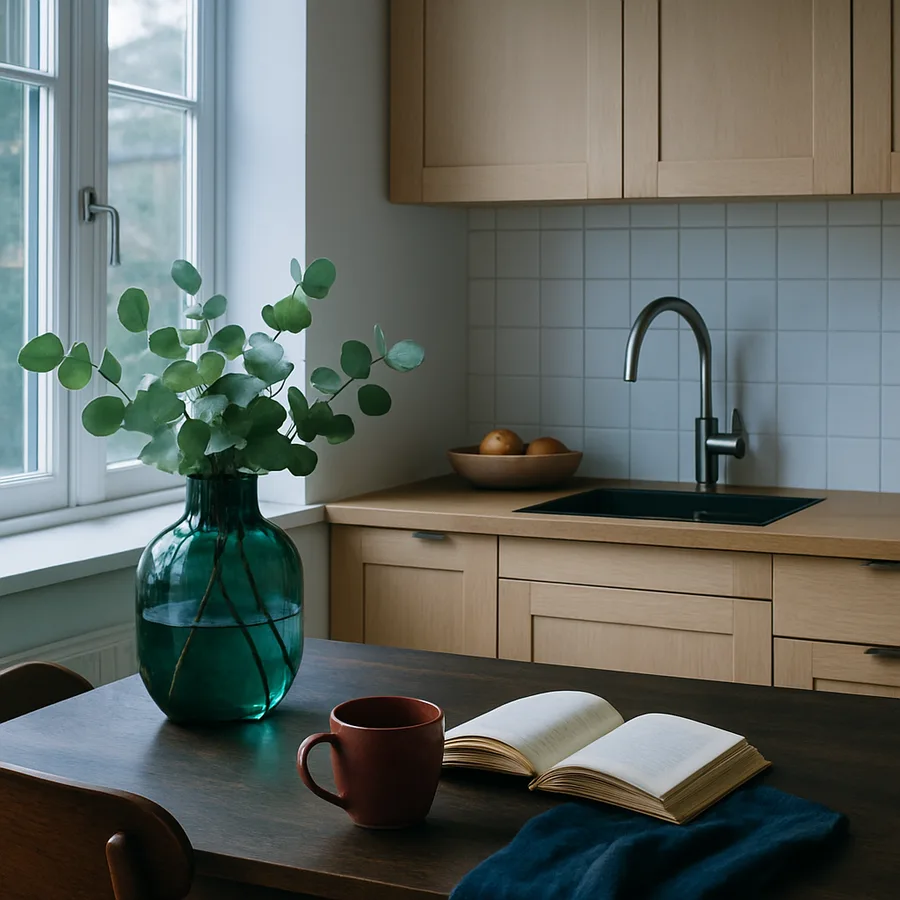
Six Principles That Define the Scandinavian Kitchen
The Scandinavian kitchen is one of the most frequently imitated styles in residential design, yet many interpretations miss the underlying philosophy that makes genuine Nordic kitchens so effective. It is not enough to paint cabinets white and add a butcher-block countertop; the style is governed by a set of functional principles developed over decades of design refinement in countries where long, dark winters demand that interior spaces work exceptionally hard to provide light, warmth, and comfort. Understanding these principles before making material selections is the difference between a kitchen that looks Scandinavian and one that truly functions in the Nordic tradition.
The first principle is light maximization. In Denmark, Sweden, Norway, and Finland, winter daylight hours can shrink to as few as six, which means every design decision is evaluated for its impact on the room's brightness. White or very pale surfaces reflect available light rather than absorbing it, which is why the Scandinavian palette leans so heavily toward whites and creams. The second principle is functional efficiency: every element earns its place through daily utility. Decorative flourishes that serve no practical purpose are edited out, not because Nordic designers lack creativity but because they believe beauty should emerge from well-solved functional problems.
The remaining principles include material honesty (letting wood look like wood, stone like stone, and metal like metal without artificial treatments), accessible storage (keeping frequently used items within arm's reach and everything else concealed), democratic design (creating spaces that feel welcoming to everyone regardless of cooking skill or social status), and connection to nature (incorporating natural materials and living plants to bridge the indoor-outdoor divide). The Swedish Institute has published extensively on how these principles emerged from the Nordic social-democratic tradition, which values equality, practicality, and collective well-being.
According to the National Kitchen and Bath Association (NKBA), Scandinavian-inspired kitchens have ranked among the top five most-requested styles in North American renovations for several consecutive years, with approximately 27 percent of kitchen remodel projects incorporating at least three identifiable Nordic elements. The style's staying power reflects its fundamental soundness: kitchens designed on these principles do not merely look good in photographs but perform exceptionally well in daily use.
The Right White: Choosing Cabinet Colors and Finishes
The "all white kitchen" label oversimplifies what is actually a nuanced range of whites and near-whites in Scandinavian design. Pure, bright whites are less common than you might expect; Nordic designers typically favor whites with subtle warm undertones, soft gray tones, or the faintest hint of green or blue. These modulated whites feel luminous without the clinical starkness that a pure white can produce under artificial lighting. If you are selecting cabinet paint, test samples like Benjamin Moore's Chantilly Lace (a clean, balanced white), Simply White (warm and creamy), or Farrow and Ball's All White alongside your specific lighting to find the right match.
Cabinet door profiles in Scandinavian kitchens are overwhelmingly flat-panel or slab-style, with no raised panels, ornate moldings, or decorative routing. The clean, unadorned surface reinforces the modernist heritage of Nordic design while also making cabinets easier to clean and maintain. Hardware is typically minimal: a slim, straight pull in brushed stainless steel or matte black, or, in the most streamlined versions, integrated finger pulls or push-to-open mechanisms that eliminate visible hardware entirely. The goal is a cabinet wall that reads as a continuous, calm surface rather than a busy composition of frames and decorations.
Finish quality matters enormously in a kitchen where white surfaces dominate. Matte or semi-matte finishes are preferred over high gloss, as they hide fingerprints and minor scratches while producing a softer visual effect. If you opt for painted wood cabinets, specify a durable lacquer or water-based enamel designed for kitchen use; inexpensive latex paint will yellow and chip within a few years. For an alternative to paint, consider white-stained wood that allows the grain to show through, adding subtle organic texture to the otherwise uniform surface.
Mixing white cabinets with natural wood is perhaps the most defining characteristic of the Scandinavian kitchen and where many imitations fall short. Rather than applying wood as an accent on a single island or a decorative shelf, authentic Nordic kitchens often dedicate entire cabinet runs to light oak, birch, or ash, typically using wood for upper cabinets or full-height pantry units while keeping base cabinets white, or vice versa. This creates a dialogue between warmth and brightness that neither material could achieve alone.
Light Wood Selection: Species, Tones, and Grain Patterns
The wood species you select determines the warmth, texture, and longevity of your Scandinavian kitchen. White oak is the most versatile choice, offering a visible grain pattern, excellent durability, and a naturally golden tone that pairs beautifully with white surfaces. European white oak, which grows slowly in cold climates and develops a tighter grain as a result, is particularly prized for kitchen applications. The Forest Stewardship Council (FSC) certifies sustainably harvested wood, and specifying FSC-certified oak ensures your material choice aligns with the environmental consciousness that is central to Scandinavian design values.
Beyond oak, several other species work within the palette. Birch is lighter and more uniform in grain than oak, producing a cleaner, more contemporary look that suits smaller kitchens where visual simplicity is paramount. Ash offers a pale, almost white tone with a pronounced grain that adds character without darkening the space. Pine, though historically common in Scandinavian homes, requires careful finishing in kitchen environments due to its softness and susceptibility to dents and scratches. If you love pine's warm, knotty character, consider using it for open shelving or decorative panels rather than high-traffic work surfaces.
The finish applied to wood surfaces has a significant impact on the kitchen's overall character. Nordic designers overwhelmingly prefer matte or soap-finished wood that preserves the natural look and feel of the material. Soap finishing, a traditional Scandinavian technique using natural soap rubbed into raw wood, produces a silky, matte surface that resists stains while allowing the wood to age naturally. Oil finishes in clear or whitewash tones are another popular option. Avoid high-gloss polyurethane finishes, which seal the wood behind a plastic-like barrier that contradicts the material-honesty principle.
Have you considered how the wood in your kitchen will look five or ten years from now? One of the most appealing qualities of light wood in Scandinavian design is the way it develops a richer, warmer patina over time as it absorbs ambient light and kitchen oils. This gradual aging is viewed as a positive feature in Nordic culture, reflecting the Japanese concept of wabi-sabi that Nordic designers have long admired. Choosing quality wood and finishing it to allow natural aging produces a kitchen that becomes more beautiful with use rather than degrading.
Seven Essential Elements for Your Scandi Kitchen
With the color and material foundation established, here are the seven specific elements that will bring your Scandinavian kitchen together. First, open shelving in light wood: one or two runs of floating shelves in the same species as your wood cabinets, positioned where you can display frequently used items like stoneware mugs, glass storage jars, and a few cookbooks. Open shelving introduces visual breathing room between closed cabinet runs and encourages you to keep only the most beautiful and functional items on display. According to Houzz survey data, 41 percent of homeowners who installed open shelving during kitchen renovations reported being more selective about the items they kept, suggesting that the design choice reinforces tidier habits.
Second, a single-basin undermount sink in white ceramic or stainless steel, large enough to accommodate baking sheets and stockpots without the divider that splits double-basin models. Third, a high-arc mixer faucet in brushed stainless or matte black with a pullout spray head for maximum functionality. Fourth, integrated appliances wherever budget allows: a panel-ready dishwasher, a built-in refrigerator with custom fronts, and a flush-mounted induction cooktop that sits nearly level with the countertop, all contributing to the seamless, uncluttered surface aesthetic.
Fifth, pendant lighting over the kitchen island or dining counter, chosen in simple geometric forms with matte white, brushed brass, or natural wood finishes. Danish lighting brands have set the global standard for kitchen pendant design, producing fixtures that distribute warm, even light without glare. Sixth, a functional kitchen island that serves as both workspace and casual dining area, with a solid wood or white composite countertop and concealed storage beneath. Seventh, a curated collection of functional objects left on the countertop: a wooden cutting board, a ceramic crock holding cooking utensils, a small herb planter, and a simple tea kettle. These are not decorations; they are the tools of daily cooking, and their presence signals that the kitchen is a working room meant to be used.
The NKBA recommends that kitchen work surfaces maintain at least 60 percent clear space for practical food preparation, a guideline that aligns perfectly with the Scandinavian approach to countertop discipline. If your counters are perpetually cluttered, the problem is usually insufficient concealed storage rather than an excess of possessions, and the solution is adding interior cabinet organizers, drawer dividers, and pull-out systems rather than eliminating items you actually use.
Countertops, Backsplashes, and Flooring
The horizontal surfaces in a Scandinavian kitchen, specifically countertops, backsplashes, and floors, form the stage on which everything else performs. For countertops, the most authentically Nordic options are solid wood (typically oiled oak or beech), white composite stone (engineered quartz in a matte or honed finish), and natural marble or soapstone. Each carries trade-offs: wood is warm and repairable but requires regular oiling and is susceptible to water damage near the sink; composite stone is durable and low-maintenance but can feel less characterful; natural stone brings unique veining and patina but demands careful sealing.
A popular Nordic approach is to mix countertop materials within the same kitchen, using wood for the island where food preparation and casual dining occur, and white composite or stone along the perimeter where sinks and cooktops generate more moisture and heat. This combination reinforces the warm-cool dialogue between wood and white that defines the style. Architectural Digest has featured numerous Scandinavian kitchen projects that employ this dual-material strategy, noting that it adds visual rhythm to long runs of cabinetry.
Backsplashes in Scandinavian kitchens tend toward simplicity. White subway tile in a standard brick pattern remains a reliable choice, though more contemporary Nordic kitchens often opt for large-format rectangular tiles, thin marble slabs, or even full-height extensions of the countertop material up the wall. The key is to maintain visual continuity with the rest of the room rather than introducing a competing pattern or color. If you desire some texture, consider handmade tiles with slight surface irregularities that catch light and add subtle dimension without disrupting the palette.
For flooring, light-toned hardwood planks in oak or ash are the definitive Scandinavian choice. Wide planks (180mm or broader) with a matte or soap finish create a warm, expansive base that grounds the room. If hardwood is impractical due to moisture concerns, large-format porcelain tiles in a pale wood-look or light concrete tone provide a durable alternative that maintains the aesthetic. Avoid small-format tiles, dark grout lines, or busy patterns on the floor, as these fragment the visual field and counteract the calm, continuous surface the style requires.
Storage Solutions That Keep Surfaces Clean
The secret to maintaining the serene, uncluttered appearance of a Scandinavian kitchen is a robust concealed storage system that gives every item a home. Start with full-extension drawer slides in base cabinets, which allow you to access items at the back without reaching or rummaging. Deep drawers are preferable to shelved cabinets for pots, pans, and small appliances, as they eliminate the stacking and nesting that makes lower cabinets frustrating to use. The NKBA's storage planning guidelines recommend a minimum of 400 centimeters of linear drawer storage for a kitchen serving a household of two to four people.
Vertical storage deserves special attention. Pull-out pantry systems, tall narrow cabinets fitted with sliding shelves or wire baskets, make efficient use of slim spaces beside refrigerators or at the ends of cabinet runs. Interior door-mounted racks for spices, oils, and wraps keep frequently used items accessible without consuming shelf space. Upper cabinets should extend to the ceiling whenever possible, eliminating the dust-collecting gap that shorter cabinets leave and providing overhead storage for infrequently used items like holiday serving pieces and specialty appliances.
Within drawers and cabinets, modular organizers in wood or bamboo maintain order and prevent the gradual entropy that turns organized kitchens into chaotic ones. Cutlery inserts, knife blocks built into drawers, spice jar racks, and plate pegs all serve this function. The Swedish kitchen manufacturer IKEA, whose designs are rooted in Scandinavian functional tradition, has made many of these interior organizer systems widely available and affordable, democratizing the smart-storage principles that were once exclusive to custom cabinetry.
Do you find yourself stacking items on the counter because your cabinets feel full? This is a signal that your storage system needs reorganization rather than expansion. Before investing in new cabinetry, conduct a thorough kitchen audit: remove everything from your cabinets, discard or donate items you have not used in the past year, and reorganize what remains using the principles of frequency-based placement (daily items at eye and waist level, occasional items above and below). This exercise alone can reclaim 20 to 30 percent of usable cabinet space and bring your kitchen significantly closer to the Scandinavian ideal of visible calm and hidden order.
Conclusion: A Kitchen That Works as Well as It Looks
The Scandinavian kitchen endures as a design benchmark because it resolves a tension that many other styles ignore: the tension between beauty and utility. By treating functional excellence as the primary source of aesthetic appeal, Nordic design produces kitchens that improve with daily use rather than degrading, that reward tidiness without demanding perfection, and that feel equally welcoming at seven in the morning and eleven at night. The combination of light wood and white is not a decorative choice but a functional one, engineered to maximize brightness, warmth, and visual calm in the room where families spend the most time together.
As you plan your Scandinavian kitchen, resist the urge to shortcut the material selections that matter most. Invest in genuine hardwood rather than laminate, quality paint or lacquer finishes rather than bargain alternatives, and solid countertop materials rather than thin veneers. These are the surfaces you will touch, see, and use every day for years or decades, and their quality will compound over time in a way that no amount of accessorizing can compensate for.
Start your planning process by visiting a kitchen showroom that carries Scandinavian-designed cabinetry and handling the materials in person. Touch the wood grain, open the drawers, feel the weight of the hardware, and assess the finish quality in natural light. Then consult with a kitchen designer certified by the NKBA to translate your material preferences into a layout optimized for your specific space, cooking habits, and household needs.
Your kitchen should be the most functional room in your home and, by extension, the most beautiful. When you get the fundamentals right, that beauty takes care of itself.
More Articles You May Like



Comments
Post a Comment