Floating Bathroom Vanity Pros and Cons Worth Knowing
The Appeal of a Wall-Mounted Vanity
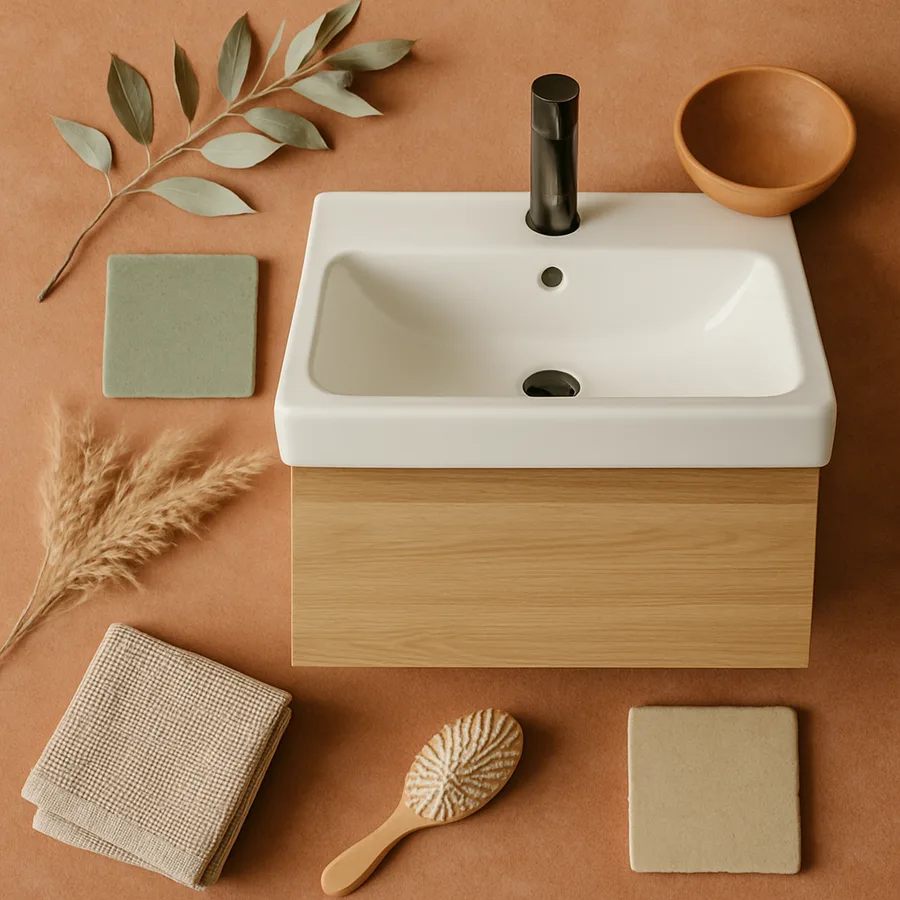
A floating bathroom vanity is mounted directly to the wall with concealed brackets, leaving a visible gap of six to twelve inches between the bottom of the cabinet and the floor. This seemingly simple design choice has far-reaching implications for how a bathroom looks, functions, and is maintained. The open space beneath the vanity creates a sense of lightness and visual expansion that traditional floor-standing cabinets cannot replicate, which is why floating vanities have become a signature element of contemporary bathroom design.
The popularity of wall-mounted vanities has grown steadily over the past decade. The National Kitchen and Bath Association (NKBA) reported in its design trends survey that floating vanities appeared in over 40 percent of designer-specified bathroom projects, up from roughly 20 percent five years earlier. This growth reflects a broader shift toward minimalist aesthetics in residential interiors, where reducing visual weight and exposing more floor surface are consistent design priorities.
Part of the floating vanity's appeal is its adjustable mounting height. Unlike a floor-standing cabinet locked into a standard 30- to 32-inch height by its legs, a wall-mounted unit can be installed at whatever height best serves the primary user. Taller homeowners can mount it at 36 inches, matching standard kitchen counter height, while shorter users or children's bathrooms can position it lower. This customization is impossible with most freestanding vanities without modifying the cabinet itself.
Interior designers frequently recommend floating vanities for bathrooms where the floor tile or material is a design feature worth showcasing. When the floor runs uninterrupted beneath the vanity and is visible from the doorway, it extends the visual footprint of the room. A herringbone pattern, a bold encaustic cement tile, or a polished concrete floor all benefit from the added exposure that a floating vanity provides. What type of flooring do you have, and would revealing more of it improve your bathroom's overall design?
Advantages That Make Floating Vanities Stand Out
Easier floor cleaning is the most universally appreciated practical advantage of a floating vanity. The open space beneath the cabinet allows a mop, vacuum, or Swiffer to reach the entire floor surface without awkward maneuvering around cabinet legs or the toekick recess of a floor-standing unit. In a room where water, hair, and dust collect constantly, being able to clean the full floor in uninterrupted passes is a genuine quality-of-life improvement that homeowners consistently mention in satisfaction surveys.
The visual expansion effect is measurable, not just perceived. Design researchers at the Royal College of Art in London have documented that exposing floor surface beneath furniture increases the perceived size of a room by 10 to 15 percent compared to the same room with floor-standing furniture occupying identical dimensions. In a small bathroom where every square foot matters, that perceived expansion can shift the room from feeling cramped to feeling adequate, a significant change driven by a single design decision.
Floating vanities excel at accommodating non-standard plumbing configurations. Because the cabinet does not rest on the floor, the drain and supply lines can enter from the wall at any height within the cabinet's footprint, and the visible space below makes it easier for a plumber to access connections for maintenance or repair. In renovation projects where moving existing plumbing is prohibitively expensive, a floating vanity's flexible positioning can work around pipes that would conflict with a floor-standing cabinet's fixed internal layout.
The aesthetic versatility of floating vanities spans the full design spectrum. A simple white lacquered box with integrated handles reads as ultra-modern. A reclaimed wood slab with visible grain and live edges reads as organic and artisanal. A traditional Shaker-style cabinet mounted on concealed brackets blends the floating concept with classic detailing. This range means the floating installation method is not tied to any single style, and designers at firms featured in Architectural Digest use it across the full spectrum from rustic to futuristic.
Disadvantages and Limitations to Consider
The most significant drawback of a floating vanity is the wall reinforcement required for installation. A wall-mounted vanity with a stone countertop, a ceramic sink, and stored toiletries can weigh 150 to 300 pounds, and that load must transfer entirely through the mounting brackets into the wall structure. Standard drywall over wood studs can support a floating vanity if the brackets are secured into the studs with lag bolts, but walls with metal studs, plaster over lath, or masonry may require additional blocking, toggle bolts, or a structural ledger board.
Storage capacity is generally lower in floating vanities compared to floor-standing cabinets of the same width. The wall-mounted design limits the cabinet depth to what the mounting system can safely support, which typically maxes out at 20 to 22 inches. Floor-standing vanities can extend to 24 inches deep and include a toekick drawer or a full base shelf that a floating unit lacks. For bathrooms that must store a significant volume of linens, cleaning supplies, and toiletries, the reduced storage of a floating vanity may create organizational challenges that require supplemental solutions like a linen tower or wall-mounted shelving.
Installation complexity and cost exceed those of a freestanding vanity by a meaningful margin. A floor-standing vanity can be placed by a handy homeowner in an afternoon with basic tools. A floating vanity requires locating studs, installing a structural support cleat or French cleat system, leveling precisely, and often patching drywall around the mounting area. Most floating vanity manufacturers recommend professional installation, and the labor cost typically adds $200 to $500 to the project, according to estimates compiled by the NKBA.
The exposed plumbing beneath a floating vanity is both a pro and a con. While access for maintenance is easier, the visible pipes and drain assembly must look presentable since they are on full display. Chrome or brushed nickel P-traps and supply lines are available specifically for this purpose and add $50 to $150 to the plumbing cost. Leaving standard white PVC drain fittings visible beneath an otherwise polished vanity creates a jarring aesthetic mismatch that undermines the design. Budget for decorative plumbing hardware as part of the overall vanity cost.
Choosing the Right Size and Configuration
Floating vanities are available in standard widths from 24 inches for powder rooms to 72 inches for double-sink primary bathrooms, with 36- and 48-inch single-sink models being the most common for guest and secondary bathrooms. The width should leave at least 4 inches of clearance on each side to the nearest wall or obstruction, and the NKBA planning guidelines recommend a minimum of 30 inches of clear floor space in front of the vanity for comfortable use.
Single-drawer configurations provide the cleanest look and are sufficient for minimalist households that keep countertop items to a bare minimum. Double-drawer units double the storage while maintaining a streamlined facade. Cabinet-door models with interior shelving maximize storage volume but introduce visible hinges or handle hardware that adds visual detail. The choice between drawers and doors depends on what you store: drawers organize small items like cosmetics and grooming tools more effectively, while shelved cabinets accommodate taller items like spray bottles and stacked towels.
Countertop material interacts with the floating installation in important ways. A heavy natural stone countertop like granite or quartzite adds significant weight to the wall-mounted assembly and may require upgraded mounting hardware. Lighter alternatives including engineered quartz, solid surface, and concrete-look porcelain reduce the structural demand on the brackets while providing comparable durability and aesthetic appeal. If your heart is set on a thick marble slab, discuss the weight specifications with both the vanity manufacturer and your installer before committing.
Sink style also factors into the decision. Undermount sinks integrate seamlessly with stone and quartz countertops and keep the vanity profile low. Vessel sinks sitting atop the counter add height and sculptural presence but raise the overall working surface, which may require lowering the vanity mounting height to keep the rim at a comfortable hand-washing level. Integrated sinks, where the basin and counter are formed from a single piece of material, offer the easiest cleaning surface and work particularly well with the minimalist ethos that draws most people to floating vanities in the first place.
Pairing a Floating Vanity with Complementary Design Elements
The space beneath a floating vanity provides an opportunity for accent lighting that enhances the room's ambiance. LED strip lights mounted to the underside of the cabinet wash the floor with a soft glow that makes the vanity appear to hover and provides useful nighttime navigation light without the harsh glare of an overhead fixture. Warm-white LEDs in the 2700K to 3000K range create the most inviting effect. This simple addition costs under $30 in materials and transforms the vanity from a utilitarian fixture into an atmospheric design feature.
The wall behind and beneath a floating vanity is fully visible and becomes part of the overall composition. Continuing the shower or accent tile onto this wall creates a cohesive backdrop that frames the vanity. Alternatively, painting or wallpapering the vanity wall in a contrasting color or pattern adds depth and visual interest. Whatever treatment you choose for this wall, ensure it is moisture-resistant, as splashing from the sink and humidity from the shower will reach it regularly. A tile backer board or moisture-resistant drywall behind the vanity wall protects against long-term damage.
Baskets or decorative boxes placed on the floor beneath the vanity offer supplemental storage while maintaining the open visual aesthetic. Woven seagrass baskets, leather bins, or linen-lined wire frames can hold rolled towels, toilet paper reserves, or cleaning supplies. This approach recovers some of the storage capacity lost by choosing a floating design over a floor-standing cabinet while keeping the items accessible and the arrangement visually intentional. The key is selecting containers that complement the vanity's material and the bathroom's overall palette.
A wall-mounted faucet pairs naturally with a floating vanity because both elements share the same design philosophy of keeping the countertop clear and the lines minimal. Wall-mounted faucets require in-wall rough-in plumbing that must be planned before the wall finish is installed, so this is a decision to make early in a renovation rather than as an afterthought. The combination of a floating vanity, a wall-mounted faucet, and an undermount or integrated sink produces the cleanest possible vanity area, with no deck-mounted hardware cluttering the countertop surface, as regularly showcased in projects published by Houzz.
Who Should and Should Not Choose a Floating Vanity
Floating vanities are an excellent choice for homeowners who prioritize clean aesthetics, easy floor maintenance, and a sense of spaciousness in their bathrooms. They are particularly well suited to small bathrooms where visual expansion matters most, to contemporary and transitional design schemes that value minimalism, and to households where the primary users are adults who do not need extensive below-counter storage for bath toys, large towel stacks, or bulky cleaning equipment.
They are less ideal for households with very young children who may hang on the vanity edge, adding dynamic loads that wall mounts are not designed to handle. While a properly installed floating vanity is structurally secure, it does not have the same resistance to lateral pulling forces that a cabinet resting on the floor provides through its own weight and friction. Families with toddlers may want to delay a floating vanity until the children are old enough to understand it is not a climbing apparatus, or install additional safety brackets rated for lateral loads.
Renters and homeowners in older buildings with questionable wall structure should approach floating vanities with caution. If the wall is plaster over wood lath with no accessible studs, or if the wall is a non-bearing partition with lightweight metal framing, the reinforcement required to support a floating vanity may be extensive and expensive enough to erode the cost advantage over simply choosing a high-quality freestanding alternative. Have a contractor assess the wall structure before committing to a wall-mounted installation.
The American Institute of Architects (AIA) notes in its residential design guidelines that wall-mounted fixtures, including vanities, should be specified with awareness of the building's structural system and the expected user demographics. A floating vanity in a well-built single-family home with standard 2x6 stud walls is a straightforward installation. The same vanity in a high-rise condominium with concrete block walls and furring strips requires a fundamentally different mounting strategy that may involve a structural engineer's input.
Conclusion
Floating bathroom vanities deliver a combination of visual lightness, flexible mounting height, and floor-cleaning convenience that makes them one of the most compelling options in contemporary bathroom design. Their limitations, primarily the need for wall reinforcement, reduced storage depth, and higher installation complexity, are real but manageable with proper planning. The trade-off favors the floating design in most situations where aesthetics and spatial perception are priorities.
The decision ultimately comes down to whether the practical advantages and the visual impact justify the additional installation requirements for your specific bathroom, wall structure, and household needs. In a well-framed home with standard stud walls, the answer is almost always yes. In buildings with unusual wall construction, the answer depends on what the structural assessment reveals.
Before purchasing a floating vanity, take two preparatory steps: first, use a stud finder to confirm that the mounting wall has accessible wood studs at 16-inch centers, and second, measure the available wall width and compare it to the vanity's mounting cleat dimensions. With those two data points confirmed, you can shop with confidence knowing that the vanity you choose will install securely and perform as intended for years to come.
More Articles You May Like



Comments
Post a Comment