Is Interior Design a Good Career? Unveiling the Pros and Cons
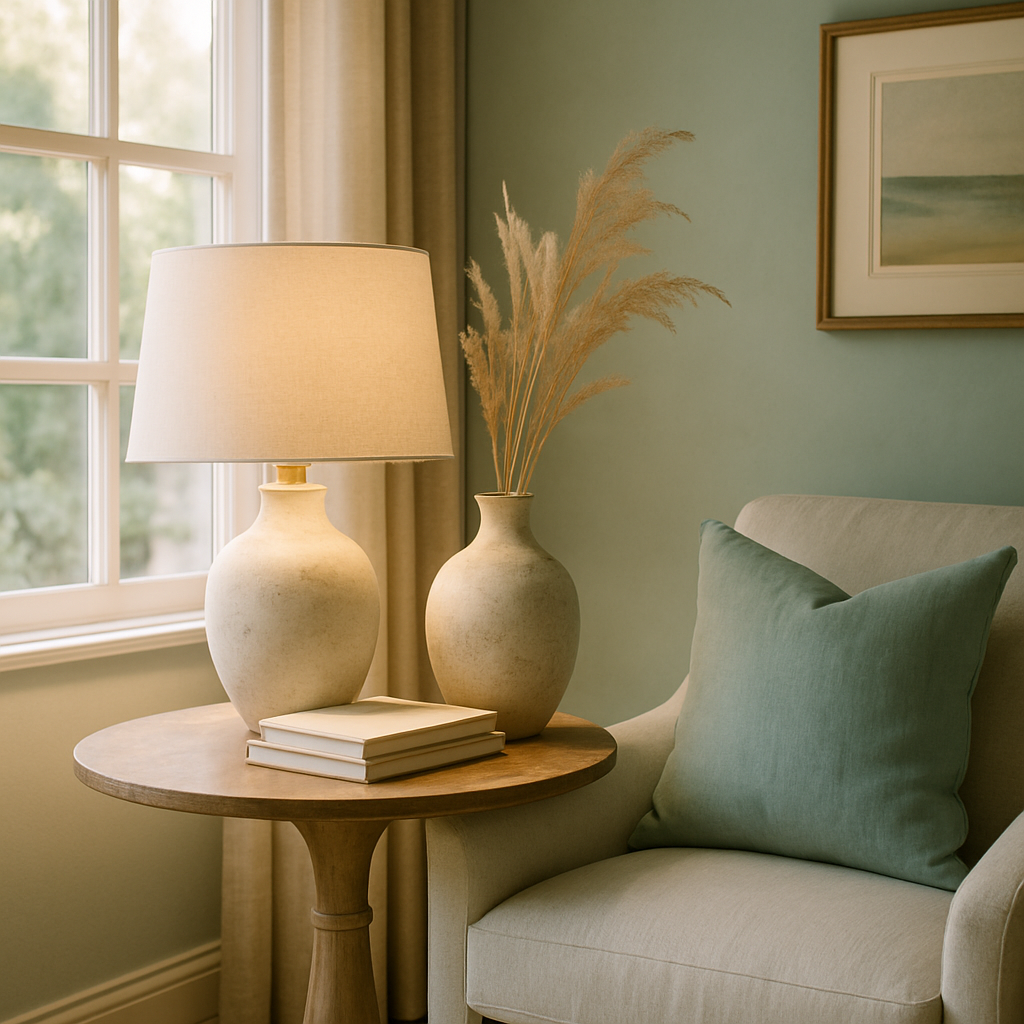
Picture this: you're standing in a gorgeously transformed room where natural light dances across custom furnishings, and every detail perfectly aligns with the client's vision. Could you imagine orchestrating such a transformation as a career? If so, interior design might be calling your name. However, this path isn't all about aesthetics; it involves real challenges and strategic planning. Is interior design a good career? This question has sparked debate among aspiring designers and seasoned professionals alike. In this article, we'll explore the foundational concepts of the industry, delve into the data on career prospects, and provide actionable strategies to navigate this creative yet competitive field.
The Foundations of a Career in Interior Design
Before diving into the pros and cons, it's crucial to understand what the role of an interior designer entails. An interior designer is not merely someone who decorates spaces; they are professionals who combine technical skills with artistic vision to create functional and aesthetically pleasing environments. This includes everything from conceptual development and space planning to site inspections and design execution. Certified interior designers often hold credentials such as the NCIDQ (National Council for Interior Design Qualification), which signifies a standard of excellence recognized by the ASID (American Society of Interior Designers) and the IIDA (International Interior Design Association).
The journey to becoming a certified interior designer usually involves formal education, like a bachelor's degree in interior design, followed by hands-on experience through internships or apprenticeships. Many aspiring designers enroll in programs accredited by the CIDA (Council for Interior Design Accreditation) to ensure their education meets industry standards. Aspiring professionals should also be prepared for the NCIDQ exam, a comprehensive test covering all aspects of interior design practice.
Understanding these foundational elements is crucial because they set the stage for the real-world application of your skills. But how do these translate into a viable career? Let's consider the complexities of the job market and the demand for skilled designers as we move forward. This understanding will help you weigh the advantages and potential pitfalls of pursuing interior design as a career.
Analyzing the Interior Design Job Market
The interior design industry offers a range of opportunities but also presents notable challenges. According to the U.S. Bureau of Labor Statistics, employment of interior designers is projected to grow 4 percent from 2022 to 2032, which is about as fast as the average for all occupations. While this growth suggests steady demand, it also highlights the competition within the field. Aspiring designers should be aware that breaking into this industry requires not only talent but also determination and strategic networking.
In terms of financial prospects, the median annual wage for interior designers was $61,210 in May 2022. However, earnings can vary widely based on factors such as location, experience, and the designer's specialization. For instance, designers in metropolitan areas or those specialized in high-demand sectors like sustainable design or smart home integration often command higher fees. Fee structures can also differ, with some designers charging flat fees, others by the hour (ranging from $150 to $500), or a percentage of the project cost, typically 10-25%.
Despite these statistics, many within the industry argue that success in interior design is not solely defined by salary. Experienced professionals often note that job satisfaction, creative fulfillment, and the ability to impact clients' lives positively weigh heavily on the perceived value of the career. As we explore further, consider what aspects of the job market align with your personal and professional goals.
Strategies for Navigating the Interior Design Career Path
So, what actionable steps can you take to thrive in the interior design industry? First, honing your skills is paramount. This means not only mastering design principles but also staying updated on emerging trends. For instance, the 2026 design trends emphasize biophilic design, which incorporates natural elements, and the integration of smart home technologies. Familiarizing yourself with these trends can give you a competitive edge in client presentations and project proposals.
Networking is another critical strategy. Joining professional organizations like the ASID or IIDA can provide access to valuable resources and industry connections. Attending networking events, design expos, and workshops can also introduce you to potential mentors and collaborators. Furthermore, platforms like Houzz and Instagram allow designers to showcase their portfolios and connect with a broader audience.
Finally, consider gaining experience through internships or part-time roles in design firms. These opportunities not only provide practical experience but also enhance your resume and credibility. As you gain experience, you can also think about specializing in niche markets, such as hospitality design or residential design, which can further distinguish you in the field. As you reflect on these strategies, think about which areas of the industry excite you the most. How can you leverage your unique skills and interests to carve out a successful career?
Expert Insights into the Interior Design Industry
Experienced designers often share insights that can illuminate potential paths and pitfalls in the industry. For instance, many highlight the importance of flexibility and adaptability in a rapidly changing market. With trends like Japandi style, a blend of Japanese and Scandinavian aesthetics, and the increasing focus on sustainable and reclaimed materials, staying versatile can be a significant asset.
Moreover, the integration of technology in design processes is becoming more prevalent. Tools like AR/VR for room visualization are revolutionizing how designers present ideas to clients. These technologies not only enhance client satisfaction but can also streamline the design process, making it more efficient. Thus, gaining proficiency in these tools can be a worthwhile investment in your career.
Financial management is another area where expert advice proves invaluable. Understanding the business side of design, including budgeting, procurement, and client negotiations, is as critical as creativity. Some successful designers advocate for a balanced approach, where creative vision is supported by solid business acumen. As we delve into additional career considerations, keep these expert insights in mind. How might they influence your approach to building a career in this industry?
Additional Considerations for Aspiring Interior Designers
Beyond the technical skills and industry insights, aspiring interior designers should also consider the lifestyle and personal satisfaction that come with the career. The job often involves long hours, tight deadlines, and the need to manage multiple projects simultaneously. While this can be demanding, it also offers a dynamic work environment that is never stagnant.
Designers often express a deep sense of satisfaction from seeing their creative visions come to life and positively impacting clients' lives. A well-designed space can enhance a client's quality of life, increase property value, and even support environmental sustainability. According to Houzz survey data, homeowners who invest in professional design services often report higher satisfaction with their living spaces.
Ultimately, the decision to pursue a career in interior design should align with your personal values and career aspirations. Are you passionate about creating beautiful, functional spaces that enhance people's lives? Do you thrive in environments that challenge you to think creatively and strategically? As you consider these questions, you'll be better positioned to decide if interior design is the right path for you.
Final Perspectives on Pursuing a Career in Interior Design
As we wrap up this exploration of the interior design career landscape, it's clear that the field offers both exciting opportunities and notable challenges. The ability to blend creativity with functionality, along with the satisfaction of transforming spaces, attracts many to this profession. However, it also requires a significant investment in education, skill development, and continuous learning.
Ultimately, deciding whether interior design is a good career depends on your personal motivations and professional goals. The industry's dynamic nature means that those who are adaptable, resourceful, and passionate about design will likely find fulfillment and success. As you weigh the pros and cons, consider how you can leverage your strengths to make a meaningful impact in this field.
In conclusion, are you ready to take the next step in your interior design journey? Start by browsing portfolios on platforms like Houzz this week-spending even 20 minutes can sharpen your eye for what inspires you. Whether you're drawn by the aesthetics, the challenge, or the potential impact, your path in interior design awaits your unique imprint.



Comments
Post a Comment