Exploring Bauhaus Interior Design: How to Create Minimalist Elegance at Home
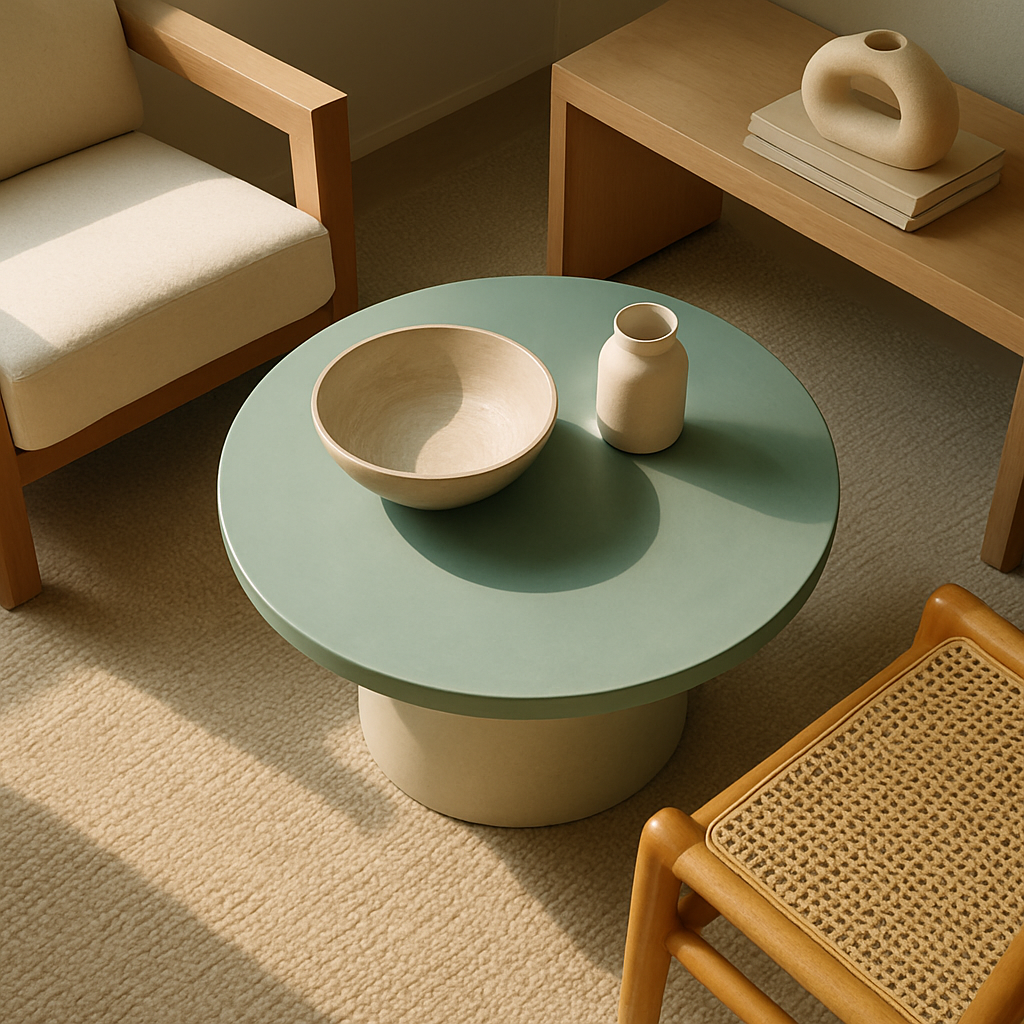
The Bauhaus movement, which revolutionized design in the early 20th century, continues to shape our interiors with its focus on functional minimalism. Imagine transforming your living space into a sanctuary where simplicity meets elegance, a place that embodies both form and function. But how does one achieve this in a modern home? This article will delve into the foundational concepts of Bauhaus interior design, analyze its impact, and provide actionable strategies to bring minimalist elegance into your home. We'll explore expert insights, discuss budget considerations, and highlight the enduring appeal of this influential design ethos.
Understanding the Bauhaus Movement
The Bauhaus movement, founded by Walter Gropius in 1919, sought to merge art, craft, and technology into a cohesive design philosophy. Central to this approach is the belief that design should serve the needs of society by creating functional, beautiful spaces. This concept was radical for its time, emphasizing the idea that everyday objects could be both practical and aesthetically pleasing. The movement's influence extended beyond architecture, impacting furniture, textiles, and even graphic design.
A key principle of Bauhaus interior design is the use of simple geometric shapes and a limited color palette to create harmonious environments. This approach contrasts sharply with the ornate styles that preceded it, favoring clean lines and an uncluttered aesthetic. By focusing on the essentials, Bauhaus design aims to enhance the user's experience of the space, allowing the functionality of each element to shine through.
The mantra of "form follows function" is at the heart of Bauhaus philosophy. This means that the design of an object is dictated by its intended use, ensuring that beauty and utility coexist seamlessly. Does your current space prioritize aesthetics over function? Consider how integrating these principles could transform your home into a more efficient and visually pleasing environment.
The Impact of Bauhaus Design: Data and Analysis
According to a survey by the American Society of Interior Designers (ASID), homeowners who incorporate minimalist design principles, such as those from the Bauhaus movement, report increased satisfaction with their spaces. This is not surprising, as minimalist environments are linked to reduced stress and greater clarity of mind. The simplicity of Bauhaus design can create a calming atmosphere, which is particularly valuable in today's fast-paced world.
Moreover, research from Houzz indicates that homes designed with Bauhaus elements can see a 5-15% increase in resale value. This underscores the enduring appeal of minimalist design, which is often associated with timeless elegance and sophistication. Incorporating Bauhaus principles can be a wise investment, both in terms of personal enjoyment and financial return.
Experienced professionals often note that the appeal of Bauhaus design lies in its adaptability. Whether you're working with a spacious loft or a compact apartment, the principles of simplicity and functionality can be tailored to fit any space. Have you considered how these design elements could enhance the versatility of your living spaces? As we move forward, we'll explore strategies for implementing Bauhaus design in your home.
Actionable Strategies for Implementing Bauhaus Design
To bring Bauhaus-inspired minimalist elegance into your home, start with decluttering. Evaluate each room and identify items that are neither functional nor beautiful. Consider the mantra of "less is more" as you decide what to keep and what to discard. This process will help you create a blank canvas that highlights the essential elements of your space.
Next, focus on selecting furniture that embodies the Bauhaus principles of simplicity and functionality. Look for pieces with clean lines and neutral colors, such as a sleek black leather sofa or a minimalist glass coffee table. Brands like Vitra and Knoll offer iconic Bauhaus-inspired furniture that can serve as the focal point of your room. How can you reimagine your current furniture arrangement to align with these principles?
Lighting also plays a crucial role in achieving Bauhaus elegance. Opt for fixtures that are both functional and sculptural, such as a geometric pendant light or a streamlined floor lamp. These elements can enhance the architectural features of your home while providing practical illumination. In the next section, we'll delve into expert-level tips for achieving a cohesive Bauhaus-inspired interior.
Expert Tips for Achieving Bauhaus Cohesion
For a truly cohesive Bauhaus interior, consider the integration of materials such as steel, glass, and concrete. These materials align with the movement's industrial roots and offer a modern aesthetic that complements minimalist design. For example, a stainless steel kitchen countertop can provide both durability and a sleek appearance that aligns with Bauhaus principles.
Color plays a subtle but important role in Bauhaus interiors. A limited color palette, typically consisting of primary colors and neutrals, can create a unified look. This approach allows the form and function of your furniture and decor to stand out without overwhelming the senses. Have you explored how a restrained color scheme can enhance the architectural features of your space?
Lastly, don't overlook the importance of art and decor in a Bauhaus-inspired home. Choose pieces that echo the movement's focus on geometry and abstraction. Consider incorporating works by artists like Wassily Kandinsky or Paul Klee, whose art exemplifies the Bauhaus ethos. These elements can serve as conversation starters, adding depth and interest to your minimalist interior. Now, let's explore additional insights to deepen your understanding of Bauhaus design.
Additional Insights into Bauhaus Design
One of the most intriguing aspects of Bauhaus design is its focus on interdisciplinary collaboration. The movement encouraged architects, artists, and designers to work together to create environments that enhance the human experience. This holistic approach is reflected in today's integrated smart home technologies, which align with Bauhaus principles by merging form with function seamlessly.
Furthermore, the Bauhaus movement's emphasis on sustainability remains relevant today. By choosing furniture and materials that are durable and timeless, you not only create an elegant interior but also make an environmentally conscious choice. Consider how incorporating reclaimed wood or recycled materials can contribute to a sustainable Bauhaus-inspired home.
As we have seen, the Bauhaus movement offers a wealth of inspiration for creating minimalist elegance at home. But how can you ensure that your design choices are both practical and stylish? The final section will provide key takeaways and guide you on your design journey.
Final Perspectives on Bauhaus Interior Design
Embracing Bauhaus design is about more than just aesthetics; it's a philosophy that prioritizes simplicity, functionality, and elegance. By focusing on these core principles, you can transform your home into a space that reflects both your personal style and the timeless appeal of the Bauhaus movement. Remember, the goal is to create a harmonious environment that enhances your daily life.
As you embark on your Bauhaus design journey, consider how each element in your space serves a purpose. Are there areas where you can simplify or improve functionality? By continuously refining your interior, you can achieve a balance between beauty and utility that is the hallmark of Bauhaus design. Ready to explore this minimalist elegance in your home?
Conclusion: Start Your Bauhaus Journey Today
The principles of Bauhaus interior design provide a roadmap for creating minimalist elegance in your home. By embracing simplicity and functionality, you can craft a space that is both beautiful and practical. Whether you're starting with a single room or reimagining your entire home, the strategies outlined in this article offer a starting point for your journey.
Begin by browsing Bauhaus-inspired furniture collections on platforms like Vitra or visiting local design showrooms to see pieces firsthand. Even dedicating a weekend to research can help you sharpen your vision for a minimalist, elegant home. Remember, the journey to a Bauhaus-inspired interior is not just about the end result, but about enjoying the process of creating a space that truly reflects your style and needs.
More Articles You May Like



Comments
Post a Comment