How to Choose the Best AI for Interior Design: A Comprehensive Guide
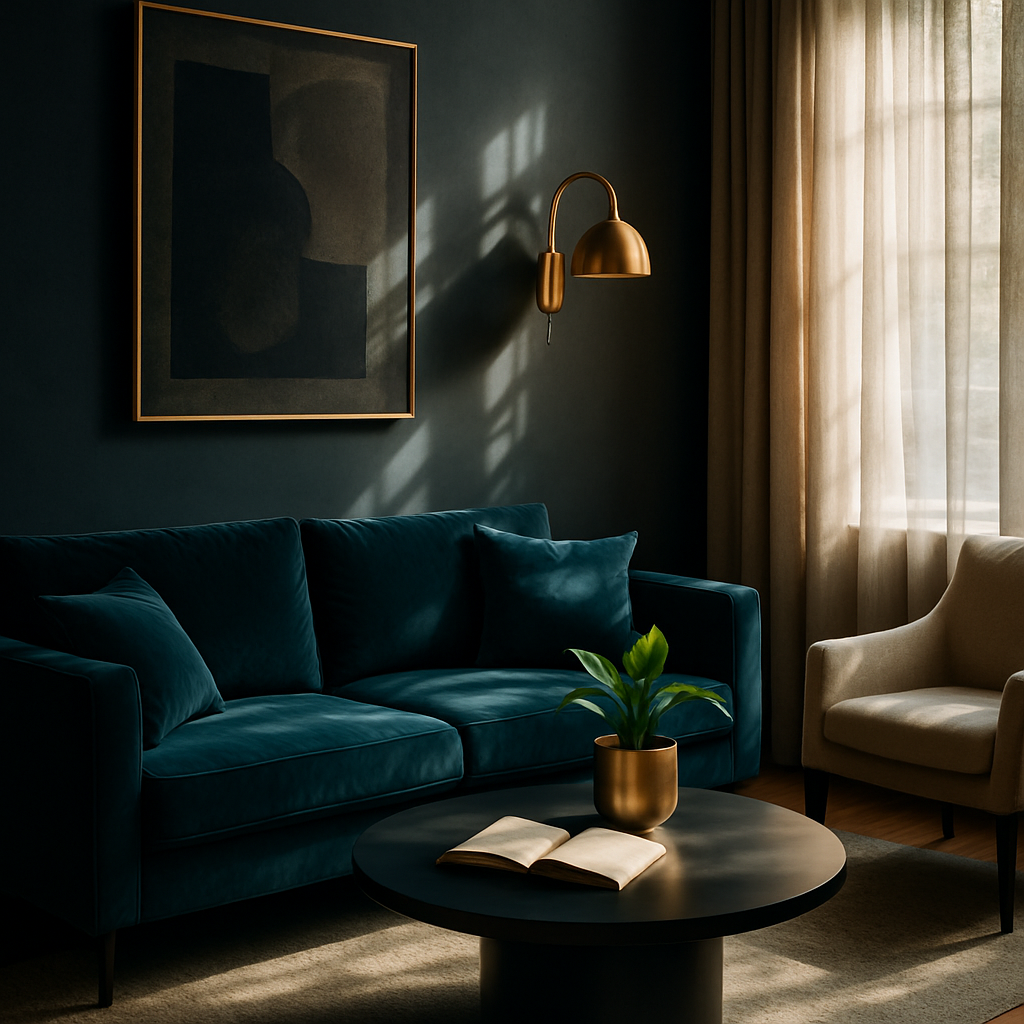
In an era where technology touches every facet of our lives, the field of interior design is no exception. According to a recent survey by Houzz, over 30% of designers are now integrating AI tools into their projects to enhance creativity and efficiency. But how do you navigate the sprawling landscape of AI options to find the best fit for your design needs? This guide aims to demystify AI in interior design, providing a roadmap to help you make informed choices that elevate your spaces.
Understanding AI in Interior Design
AI technology in interior design is transforming how professionals conceptualize and execute projects. At its core, AI leverages algorithms to analyze design preferences, optimize layouts, and even suggest color palettes. But what does this mean for you as a homeowner or designer? It means having access to tools that can streamline the creative process, ultimately saving time and reducing costs.
One of the foundational concepts of AI in design is its ability to process vast amounts of data quickly. This capability allows AI to predict trends, such as the growing popularity of biophilic design, which integrates natural materials and indoor-outdoor flow. According to data from the American Society of Interior Designers (ASID), incorporating these elements can increase a property's resale value by up to 15%. Are you ready to leverage such insights in your next project?
As you explore AI tools, it's crucial to differentiate between those that offer genuine value and those that are merely trendy. Tools like Planner 5D or SketchUp use AI to create realistic 3D visualizations, helping clients visualize spaces before committing to a design. These platforms not only enhance creativity but also allow for experimentation without the physical cost. As we delve deeper, consider how these solutions might fit into your design process.
Navigating the AI Landscape: Tools and Platforms
The AI landscape in interior design is vast, with numerous tools offering unique benefits. For instance, Houzz Pro's AI-driven project management features streamline communication and scheduling, allowing designers to focus more on creative aspects. But how do you choose the right tool for your specific needs? Start by identifying the primary areas where AI can enhance your workflow, such as visualization, planning, or project management.
According to industry surveys, more than 60% of designers use AI tools like Autodesk's Revit for creating detailed architectural plans. Revit's AI capabilities include automated layout suggestions and real-time rendering, which can significantly reduce project timelines. This efficiency not only benefits designers but also translates into faster project completion for clients. Can you imagine the impact of cutting your project timeline in half?
When evaluating AI tools, consider factors such as ease of use, integration capabilities, and cost. Many platforms offer tiered pricing, allowing you to select a package that aligns with your budget. For instance, SketchUp offers a free version with basic features, while its Pro version provides advanced tools for $299 annually. Balancing cost with functionality is key to maximizing the value of AI in your design projects.
Implementing AI Strategies in Your Design Process
Once you've chosen the right AI tools, the next step is implementation. Begin by mapping out your design workflow and identifying where AI can add the most value. For example, if you're frequently revising design plans, AI tools that offer predictive analysis and layout optimization might be your best investment. By automating these tasks, you can focus more on the creative elements of design.
Experienced professionals often note that incorporating AI into the design process requires a mindset shift. Embrace AI as a collaborative partner rather than a replacement for human creativity. This approach fosters innovation and can lead to more dynamic and personalized design outcomes. Are you prepared to reframe your perspective and harness the full potential of AI in your projects?
To ensure seamless integration, invest time in training and familiarization with your chosen AI tools. Platforms like Autodesk provide extensive online resources and tutorials to help users acclimate to their software. By fully understanding the capabilities of your AI tools, you can leverage them to their fullest potential, ultimately enhancing your design projects.
Expert Insights: AI's Role in Future Design Trends
As AI continues to evolve, its role in interior design is poised to expand even further. Experts predict that AI will increasingly influence future design trends, such as Japandi-a blend of Japanese minimalism and Scandinavian warmth. AI tools can analyze and predict these trends, providing designers with valuable foresight into consumer preferences.
Moreover, AI is facilitating sustainable design practices by optimizing resource use and identifying eco-friendly materials. With the growing demand for sustainable interiors, AI tools that suggest reclaimed or recycled materials are becoming indispensable. The International Interior Design Association (IIDA) emphasizes the importance of sustainability, noting that eco-conscious designs are not only environmentally beneficial but also meet the rising consumer demand for green living.
Are you ready to align your projects with these emerging trends? By staying informed and adaptable, you can ensure that your designs remain relevant and appealing in a rapidly changing market. The ability to anticipate and incorporate future trends is a significant advantage that AI offers to forward-thinking designers.
Additional Considerations: Ethical Use of AI in Design
While AI offers numerous benefits, it also presents ethical considerations that designers must navigate. Issues such as data privacy and the potential for AI to perpetuate design biases are important to address. Ensuring that AI tools are used responsibly is crucial for maintaining integrity in the design industry.
Organizations like the National Council for Interior Design Qualification (NCIDQ) provide guidelines to help designers ethically implement AI. The NCIDQ emphasizes that while AI can enhance design, it should not replace the nuanced understanding that comes from human creativity and experience. Balancing AI's capabilities with ethical considerations ensures that designs are both innovative and responsible.
As we progress through the AI era, it's essential to remain mindful of these ethical dimensions. By doing so, you can harness AI's power to enhance your designs while upholding the standards of the interior design profession. This balance is key to advancing the field responsibly and sustainably.
Final Perspectives on AI and Interior Design
Reflecting on the intersection of AI and interior design, it's clear that this technology offers transformative potential. From enhancing creativity to optimizing efficiency, AI tools are reshaping the design landscape. However, the successful integration of AI depends on thoughtful implementation and a willingness to adapt.
Looking ahead, the role of AI in design will likely expand, influencing everything from material selection to spatial planning. By staying informed about new developments and remaining open to innovation, you can position yourself at the forefront of design technology. How will you incorporate these insights into your future projects?
As you consider the possibilities, remember that AI is a tool to enhance your vision, not define it. By combining AI's capabilities with your unique perspective, you can create designs that are both cutting-edge and deeply personal. This synergy is where the true potential of AI in interior design lies.
Conclusion
In navigating the dynamic world of AI for interior design, the key is to remain informed and intentional. By understanding foundational concepts, exploring available tools, and considering ethical implications, you can make informed decisions that elevate your design practice. As you embark on this journey, consider starting by exploring portfolios on Houzz or Instagram for inspiration. Even dedicating 20 minutes to research can enhance your understanding of AI's potential.
Ready to transform your design process? Embrace AI as a collaborative partner, and take the next step by integrating these tools into your workflow. Your innovative and efficient design future awaits.



Comments
Post a Comment