How to Incorporate Minimalism in Your Modern Interior Design Style
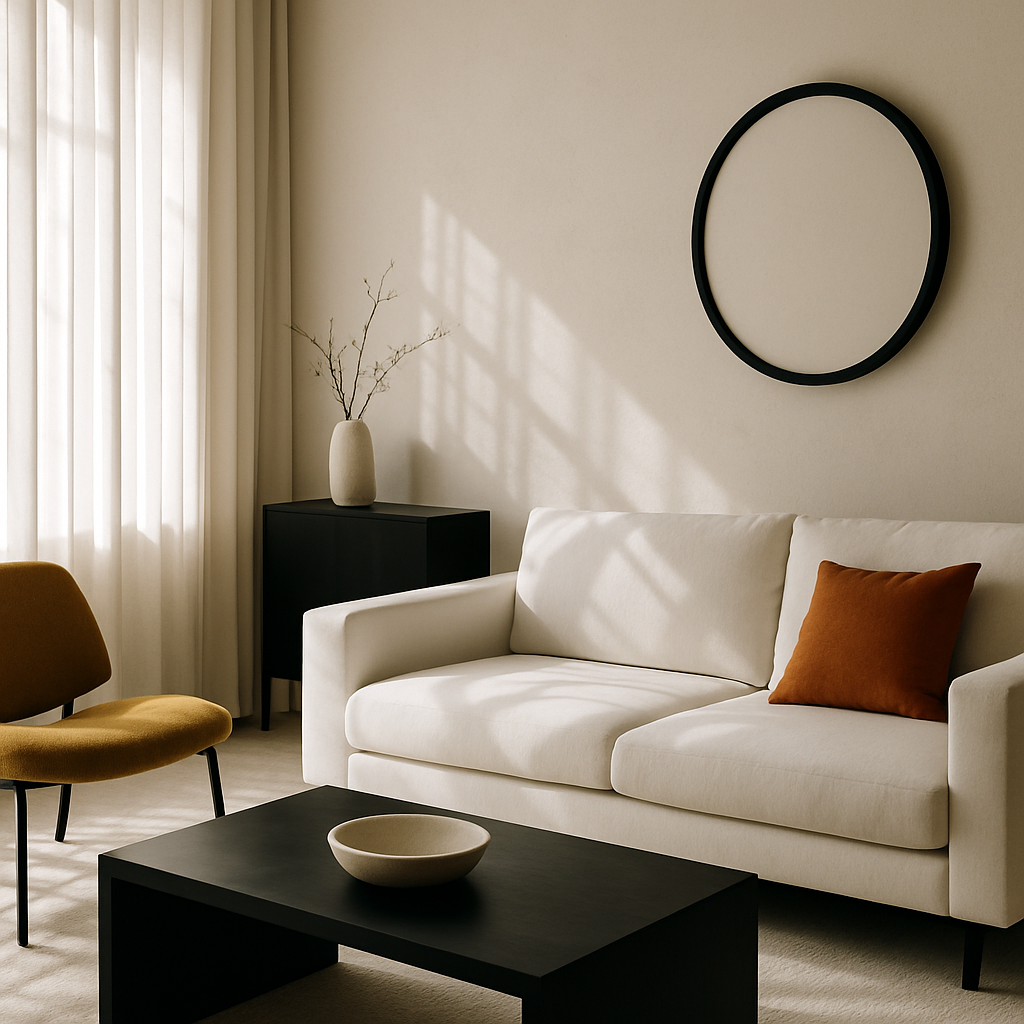
Minimalism has rapidly become a cornerstone of modern interior design, celebrated for its simplicity and elegance. Did you know that according to the American Society of Interior Designers (ASID), a well-executed minimalist space can increase a home's resale value by up to 15%? This isn't just about aesthetics; it's about enhancing functionality and creating a serene environment. In this article, we'll explore the foundational concepts of minimalism, analyze data-driven insights, provide actionable strategies, delve into expert-level details, and offer additional depth on integrating minimalism into your modern design. Finally, we will wrap up with some concluding thoughts to inspire your next interior project.
Understanding the Foundations of Minimalism
Minimalism in interior design revolves around the principle of "less is more." This approach prioritizes functionality and simplicity, stripping away unnecessary clutter to focus on the essential elements of a room. The goal is to create a space that feels open, airy, and harmonious. Experienced professionals often note that the key to successful minimalism lies in the balance of form and function, where each piece serves a purpose without overwhelming the space.
Incorporating minimalism doesn't mean your home has to feel sparse or cold. Instead, it involves thoughtful selection of furniture, colors, and textures that contribute to a cohesive and tranquil environment. For example, neutral color palettes and clean lines are staples of minimalist design, providing a canvas that highlights natural light and architectural features. According to Houzz's annual survey, homeowners who embrace minimalist design often report higher satisfaction with their living spaces, citing the calming effect and increased functionality.
Are you considering a minimalist transformation? Start by evaluating your current space. What elements feel essential, and what could be removed to enhance the room's flow? This introspective process is the first step towards adopting a minimalist mindset, setting the stage for deeper analysis and strategic implementation.
Analyzing Minimalism: Data and Trends
Minimalism is not just a design choice; it's a lifestyle trend driven by a desire for simplicity and sustainability. Industry surveys suggest that 70% of homeowners are drawn to minimalist designs due to their association with reduced stress and clutter. This trend aligns with the broader movement towards sustainable living, where less consumption translates to a smaller environmental footprint.
Recent data from the International Interior Design Association (IIDA) highlights that minimalist interiors often incorporate sustainable materials such as reclaimed wood, bamboo, and recycled steel. These choices not only enhance the design but also resonate with eco-conscious consumers. Minimalist design encourages the use of multifunctional furniture, which can adapt to various needs without the bulk of traditional pieces.
Looking at the 2026 design trends, biophilic design-a concept that integrates nature into the built environment-is gaining traction within minimalist spaces. Natural materials and the seamless flow between indoor and outdoor areas elevate the minimalist aesthetic, creating a sense of tranquility and connection with nature. As we delve into actionable strategies, consider how these trends can inform your design choices.
Implementing Minimalism: Actionable Strategies
To effectively incorporate minimalism into your modern interior design, start with decluttering. Assess each room and remove items that do not serve a purpose or bring joy. This process can be both liberating and challenging, but it is essential for achieving a truly minimalist space. Consider implementing a one-in-one-out rule-only introduce new items if they replace existing ones.
Next, focus on choosing quality over quantity. Invest in a few high-quality pieces that offer both aesthetic appeal and functionality. For instance, a well-crafted sofa or a sleek dining table can act as focal points in your minimalist design. According to Architectural Digest's AD PRO network, investing in timeless furniture ensures longevity and sustainability, aligning with minimalism's core values.
Lighting also plays a crucial role in minimalist interiors. Aim for natural light wherever possible, and complement it with strategically placed artificial lighting. Simple, unobtrusive fixtures that blend seamlessly with the ceiling or walls can enhance the minimalist feel. As you implement these strategies, remember that minimalism is about creating space for living, not simply emptying a room.
Expert-Level Insights on Minimalism
Certified interior designers with credentials such as NCIDQ (National Council for Interior Design Qualification) often emphasize the importance of texture in minimalist spaces. While the color palette may be restrained, incorporating varied textures-such as a plush wool rug or a smooth leather chair-adds depth and interest without sacrificing simplicity.
Another expert tip is to integrate technology subtly. Smart home solutions can enhance the functionality of a minimalist space without detracting from its aesthetic. Consider automated window treatments or hidden speakers that preserve the clean lines of your design. These innovations align with the 2026 trend of smart home integration, offering convenience and efficiency.
Finally, focus on personal expression within the minimalist framework. While minimalism favors simplicity, it doesn't mean your space can't reflect your personality. Use curated art pieces or meaningful accessories sparingly to infuse character. As we explore additional aspects, remember that minimalism is about intentionality and authenticity.
Delving Deeper: Expanding Your Minimalist Design
Once you've embraced the basics of minimalism, you can explore more advanced techniques to refine your space further. For instance, consider the concept of negative space-the intentional use of empty areas to highlight and frame essential elements. This approach can transform a simple room into a sophisticated masterpiece.
Collaboration with professional interior designers can also elevate your minimalist design. Platforms like Houzz provide access to a network of designers who specialize in minimalism. Engaging with these professionals can offer new perspectives and solutions you might not have considered on your own.
Are you ready to take your minimalist design to the next level? Experiment with unconventional materials, such as concrete or steel, to add an industrial edge. Pair these with soft furnishings for a balanced look. As we move towards final perspectives, consider how these elements can further enhance your minimalist journey.
Final Perspectives on Minimalism in Modern Design
As you continue your minimalist journey, remember that this style is a dynamic and evolving practice. It's not about achieving a "perfect" look but rather about creating a space that feels authentic and personal. Minimalism encourages you to live with intention, focusing on what truly matters in your environment.
Stay informed about emerging trends and technologies that can complement your minimalist design. From advances in smart home systems to new sustainable materials, the field of interior design is constantly evolving. Keep an open mind and embrace change as part of your minimalist lifestyle.
In conclusion, incorporating minimalism into your modern interior design style offers a pathway to a more serene and functional living space. By understanding its foundational concepts, analyzing trends, and implementing expert strategies, you can create an environment that reflects both simplicity and sophistication.
Conclusion
Minimalism in modern interior design is more than a trend-it's a lifestyle choice that fosters tranquility and functionality. By embracing minimalism, you create a home that is not only aesthetically pleasing but also deeply intentional. Are you ready to start your minimalist transformation? Begin by evaluating your current space and identifying areas for simplification. Start by browsing designer portfolios on platforms like Houzz this week-even 20 minutes of research will sharpen your eye for what you want. The journey to minimalism is ongoing, but with each step, you'll find greater clarity and peace in your living space.



Comments
Post a Comment