Explore the Best Interior Design Styles for Every Room in Your House
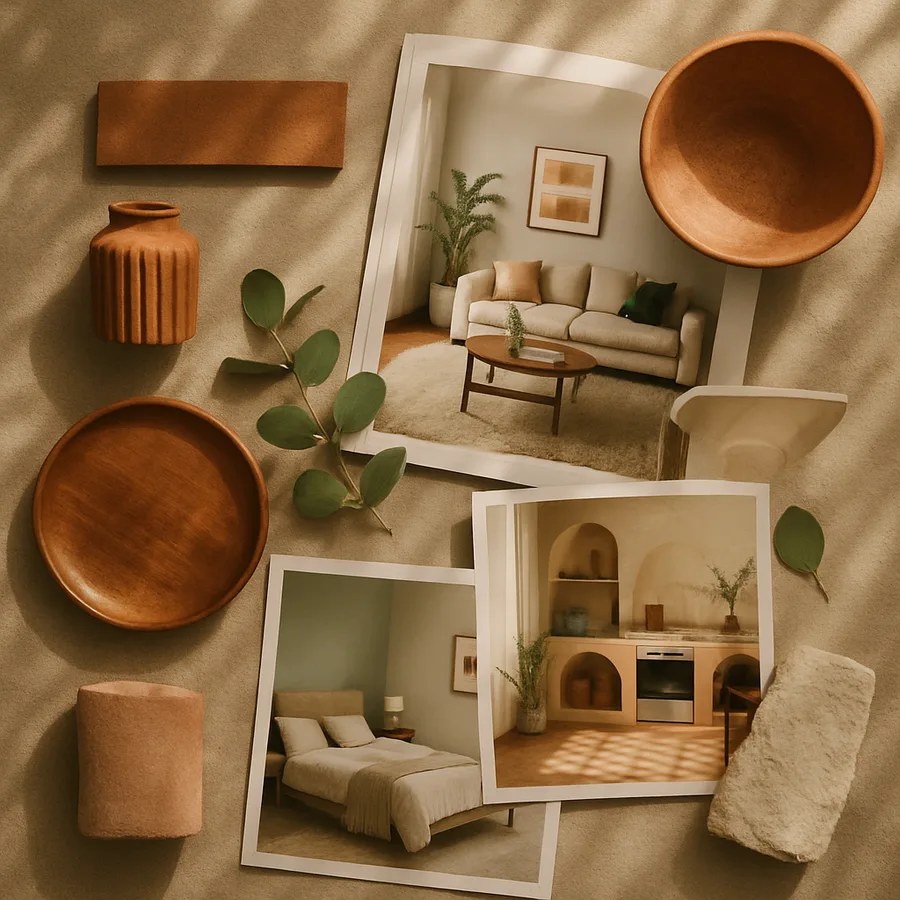
Every room in your home serves a different purpose, supports different activities, and evokes different emotions, so it stands to reason that no single design style will serve every space equally well. A kitchen that needs to be efficient and easy to clean may benefit from a different aesthetic approach than a bedroom designed primarily for rest and intimacy. A living room intended for entertaining calls for different considerations than a home office where focus and productivity are paramount. Understanding the strengths and characteristics of various interior design styles, and knowing how to match them to specific rooms and functions, is one of the most valuable skills a homeowner can develop. The American Society of Interior Designers (ASID) reports that homeowners who take a room-by-room approach to design, rather than imposing a single style throughout their homes, express 40% higher satisfaction with their completed spaces.
This does not mean your home should feel like a disconnected patchwork of competing aesthetics. The most successful interiors maintain a cohesive thread, whether through a consistent color palette, shared material language, or unifying design principle, while allowing individual rooms to express distinct personalities appropriate to their functions. Professional designers certified through the National Council for Interior Design Qualification (NCIDQ) excel at this balancing act, creating homes that feel both unified and varied, where moving from room to room provides a journey of visual interest rather than jarring stylistic whiplash. The key lies in understanding which elements create continuity and which can be varied without sacrificing coherence.
Have you ever felt that certain rooms in your home just work while others never quite feel right, despite multiple attempts at decoration and rearrangement? The issue may be a mismatch between the design style you have applied and the room's fundamental purpose and character. In this comprehensive guide, we explore the design styles best suited to each major room in the home, offering both inspiration and practical guidance for creating spaces that feel intentional, beautiful, and perfectly calibrated to their intended use.
The Living Room: Where Transitional Style Excels
The living room is the social heart of most homes, the space where family gathers, guests are entertained, and daily life unfolds in all its variety. This multifunctional nature makes transitional style, the balanced marriage of traditional warmth and contemporary clean lines, an ideal choice for this central room. Transitional design draws from both classical and modern vocabularies, combining the comfort and richness of traditional furnishings with the simplicity and openness of contemporary aesthetics. The result is a living room that feels sophisticated but not stuffy, relaxed but not casual, and welcoming to inhabitants and visitors across generational and stylistic preferences. The International Interior Design Association (IIDA) identifies transitional style as the most broadly appealing residential aesthetic, citing its versatility and timelessness as key strengths.
In practice, transitional living room design features comfortable, generously proportioned seating in neutral upholstery, clean-lined furniture silhouettes with subtle traditional details like gentle curves or nailhead trim, and a restrained decorative approach that favors quality over quantity. Neutral color palettes form the foundation, with warmth introduced through natural wood tones, layered textiles, and metallic accents in mixed finishes like brass, nickel, and black iron. Area rugs in classic patterns executed in contemporary color ways anchor seating groupings and add softness underfoot. Window treatments tend toward simple, tailored panels in natural fabrics rather than elaborate drapery treatments. According to Houzz, transitional style consistently ranks among the top three most popular design approaches for living rooms across all age groups and home sizes.
The beauty of transitional design lies in its flexibility and longevity. A transitional living room accommodates new accessories, seasonal updates, and evolving tastes without requiring wholesale redesign. Traditional elements like a classic rolled-arm sofa or a timeless Persian rug provide enduring anchors, while contemporary accent pieces, current artwork, and updated textiles keep the space feeling fresh and relevant. This adaptability makes transitional style a particularly wise investment for homeowners who want their living rooms to remain attractive and comfortable over many years without the need for frequent, costly renovations. The style works equally well in formal entertaining spaces and casual family rooms, adapting to whatever role the living room needs to play in your specific household.
The Kitchen: Mediterranean Warmth and Functionality
The kitchen demands a design style that can withstand the rigors of daily cooking while maintaining aesthetic appeal, and Mediterranean design meets this challenge with particular grace. Characterized by natural materials, warm earth tones, textural surfaces, and a connection to artisanal craftsmanship, Mediterranean kitchen design creates environments that feel simultaneously efficient and soulful. Terra cotta floor tiles, hand-painted ceramic backsplashes, open wooden shelving, wrought iron hardware, and natural stone countertops are hallmarks of this style, each material chosen for its durability, beauty, and ability to improve with age rather than deteriorate. The ASID notes that Mediterranean-influenced kitchen designs have seen a significant resurgence, driven by homeowners seeking warmth and character as alternatives to the all-white, ultra-modern kitchens that dominated for the past decade.
Functionality in a Mediterranean-style kitchen is enhanced rather than compromised by its aesthetic choices. Open shelving keeps frequently used dishes, glasses, and cooking vessels within easy reach while contributing to the warm, lived-in character of the space. Large farmhouse sinks accommodate the generous cookware typical of Mediterranean cuisine, while sturdy butcher-block islands provide ample workspace and serve as gathering spots for family and friends. Pot racks, whether ceiling-mounted or wall-hung, display beautiful cookware as decorative elements while keeping them accessible. The style naturally integrates the kitchen into the social life of the home, rejecting the clinical, closed-off kitchen model in favor of warm, welcoming spaces that invite participation and conversation.
What makes Mediterranean kitchen design particularly effective is its tolerance for imperfection and the patina of use. Unlike ultra-modern kitchens where every scratch, stain, and wear mark reads as damage, Mediterranean materials, hand-glazed tiles, natural stone, aged wood, and hammered metal, actually improve with use, developing character and depth that enhance their beauty over time. This quality makes the style both practical and psychologically liberating: you can actually cook, eat, and live in a Mediterranean kitchen without anxiety about maintaining a pristine appearance. For families with children, avid home cooks, and anyone who wants their kitchen to feel like the warm center of the home rather than a showpiece to be admired from a distance, this style offers an irresistible combination of beauty, functionality, and resilience.
The Bedroom: Japandi Serenity for Rest
The bedroom's primary purpose is sleep and restoration, which makes design styles that prioritize calm, simplicity, and sensory comfort the most appropriate choices for this essential space. Japandi, the thoughtful fusion of Japanese minimalism and Scandinavian warmth, has emerged as an exceptionally well-suited style for bedrooms. This hybrid approach combines the Japanese reverence for negative space, natural materials, and mindful simplicity with the Scandinavian emphasis on warmth, coziness, and functional beauty. The result is a bedroom environment that feels both spacious and enveloping, disciplined and comfortable, a sanctuary designed specifically for the deep rest and quiet reflection that this room should provide. Research highlighted by the IIDA indicates that bedrooms designed with principles of visual simplicity and natural material use correlate with measurably improved sleep quality among occupants.
A Japandi bedroom features a low-profile bed, often a platform design in natural wood, dressed in high-quality bedding in muted, organic tones such as undyed linen, soft gray cotton, or warm ivory. Furniture is limited to essentials: a simple nightstand, perhaps a low dresser, and minimal additional pieces. Each item is chosen for its craftsmanship, functionality, and material quality rather than decorative elaboration. Storage is concealed behind clean-fronted closet doors or within the bed frame itself, keeping the visual field uncluttered. The color palette stays within the range of warm neutrals, muted greens, and soft earth tones that promote relaxation and reflect the natural world. Artwork, if present, tends toward single, contemplative pieces rather than gallery walls, reinforcing the sense of focused calm.
The sensory experience of a Japandi bedroom extends beyond the visual. Natural fiber rugs, typically wool or cotton, provide softness underfoot without the visual busyness of patterned floor coverings. Window treatments in lightweight linen filter natural light softly during the day while maintaining privacy. The absence of extraneous objects reduces visual stimulation and promotes the mental quieting necessary for quality sleep. Plants, particularly low-maintenance varieties like a single bonsai, a peace lily, or a snake plant, introduce a living element that connects the space to nature without cluttering surfaces. Every design decision in a Japandi bedroom serves the ultimate goal of creating an environment where the mind can truly rest, making it perhaps the most function-driven design style of all.
The Bathroom: Modern Elegance and Clean Lines
The bathroom occupies a unique position in the home as a space devoted entirely to personal care, cleanliness, and physical comfort. Modern design, with its emphasis on clean lines, high-quality materials, geometric precision, and uncluttered surfaces, aligns perfectly with the bathroom's functional requirements while elevating the experience from merely utilitarian to genuinely luxurious. Modern bathroom design favors floating vanities, frameless glass shower enclosures, wall-mounted fixtures, and large-format tiles that create seamless, easy-to-clean surfaces. The NCIDQ training program identifies the bathroom as the room where modern design principles deliver the greatest functional and aesthetic impact, precisely because the style's emphasis on hygiene, efficiency, and material quality maps so directly onto the room's purpose.
Material selection in a modern bathroom prioritizes durability, water resistance, and visual sophistication. Natural stone, porcelain, and engineered quartz for countertops and surfaces provide the necessary performance while delivering a refined, elegant appearance. Large-format tiles, whether on floors, walls, or both, minimize grout lines for a cleaner look and easier maintenance. Fixtures in matte black, brushed nickel, or brushed gold add sculptural interest and define the design personality of the space. Frameless mirrors, whether rectangular with clean edges or circular for softer contrast, maximize the sense of space while serving their essential function. A Houzz analysis found that modern-style bathroom renovations consistently achieve the highest homeowner satisfaction scores, with 89% of respondents reporting that they exceeded expectations.
How do you prevent a modern bathroom from feeling sterile or cold? The answer lies in strategic warmth-adding elements that complement rather than contradict the modern framework. A wooden vanity top or shelf introduces organic warmth alongside stone and tile surfaces. Heated floors, available in both electric and hydronic systems, provide physical warmth that transforms the bathroom experience, particularly in cooler climates. Plush, high-quality towels in neutral or earthy tones add softness and color, while a carefully chosen plant, such as an orchid or air plant suited to humid environments, brings life and organic form into the geometric precision. These touches humanize the modern bathroom without compromising its essential character of clarity, efficiency, and refined materiality.
The Home Office: Mid-Century Modern Focus
As remote and hybrid work become permanent fixtures of professional life, the home office has evolved from an afterthought to an essential room deserving thoughtful design attention. Mid-century modern style, with its emphasis on clean functionality, warm wood tones, and timeless aesthetics, provides an ideal framework for creating a workspace that supports concentration, inspires creativity, and integrates gracefully into a residential setting. This style's hallmark pieces, sculptural desk chairs, walnut or teak desks with tapered legs, and streamlined storage units, were originally designed with function as the primary driver, making them as ergonomically relevant today as they were at their inception. The ASID has documented growing interest in mid-century modern home office designs, particularly among professionals who spend significant portions of their work week in residential settings.
The visual vocabulary of mid-century modern design, characterized by organic shapes, warm wood tones, pops of color against neutral backgrounds, and an emphasis on bringing nature indoors, creates work environments that feel stimulating without being distracting. A well-chosen mid-century desk in warm walnut or teak provides a beautiful work surface with clean lines that keep the visual field organized. Open and closed storage in coordinating wood tones, such as a low credenza or a wall-mounted shelving unit, keeps work materials accessible but tidy. Task lighting from iconic mid-century designs, or contemporary interpretations thereof, combines functional illumination with sculptural beauty. The style's preference for natural light and indoor plants further enhances the work environment, with studies showing that exposure to natural elements during the workday improves focus, reduces fatigue, and enhances creative output.
One of mid-century modern design's greatest advantages for home offices is its ability to blend seamlessly with adjacent residential spaces. Unlike industrial or ultra-modern office furniture that can feel jarring in a home context, mid-century pieces share the warm, organic qualities of residential furnishings while maintaining the clean professionalism appropriate for a workspace. A mid-century modern home office can share an open floor plan with a living or dining area without visual conflict, and it remains a beautiful room even during non-working hours. This dual-purpose friendliness makes mid-century modern an especially practical choice for homeowners who need their office to function as a workspace during the day and a living space in the evenings and on weekends.
The Entryway: Setting the Tone with Eclectic Warmth
The entryway is the first interior space visitors encounter, and its design sets expectations for the rest of the home. An eclectic approach, combining elements from multiple styles, eras, and cultures within a cohesive framework, makes the entryway an ideal space for making a bold first impression while hinting at the personality of the home and its inhabitants. Eclectic design in the entryway might pair a vintage console table with a contemporary mirror, set a handwoven runner from a foreign market beneath a modern pendant light, or display a curated collection of objects that tells a story about the people who live there. The IIDA recognizes eclectic design as one of the most creatively demanding but rewarding approaches, requiring a skilled eye for balance, proportion, and the invisible threads that connect disparate elements into a harmonious whole.
Functional considerations in the entryway are paramount regardless of aesthetic approach. A well-designed entryway provides a place to set down keys, hang coats, store shoes, and check one's appearance before leaving the house. Eclectic design accommodates these needs through creative, characterful solutions: a vintage wooden bench with woven baskets beneath for shoe storage, a collection of mismatched hooks or a salvaged coat rack for outerwear, a decorative bowl or tray on a console table for keys and small items, and a statement mirror that serves both practical and aesthetic purposes. The entryway also benefits from good lighting, both for practical purposes and to create a warm, welcoming atmosphere that greets you and your guests at the door.
Why does eclectic design work so well in the entryway specifically? Because this transitional space between the outside world and the private interior of your home is the perfect place to make a statement about who you are. It is typically small enough that bold choices feel courageous rather than overwhelming, and it is separate enough from the main living spaces that it can push the stylistic boundaries further than rooms where you spend extended time. An eclectic entryway telegraphs creativity, confidence, and worldliness, qualities that color a visitor's perception of the entire home even before they move beyond the threshold. It also provides a satisfying daily experience for the inhabitants, who are greeted each time they return home by a space that feels distinctly, unmistakably theirs.
Conclusion
Designing your home room by room, matching each space to the design style that best serves its function and enhances its character, creates a living environment that is far more nuanced, interesting, and satisfying than a single-style approach can achieve. The transitional warmth of a living room flows naturally into the Mediterranean richness of a kitchen, the Japandi serenity of a bedroom, the modern precision of a bathroom, the mid-century focus of a home office, and the eclectic personality of an entryway. When connected by shared color temperatures, material families, or design principles, these varied styles create a home that offers a different but equally compelling experience in every room. The insights from ASID, IIDA, NCIDQ, and Houzz consistently support this approach, confirming that room-specific design attention produces the most satisfying residential outcomes.
The styles explored in this guide are starting points, not prescriptions. Your home should ultimately reflect your own tastes, experiences, and lifestyle, and the best way to develop your personal approach is to explore, experiment, and remain open to inspiration from unexpected sources. Visit showrooms, browse design resources, tour open houses in your area, and pay attention to the spaces that make you feel most alive and at ease. Over time, you will develop an intuitive sense of which styles, materials, and design elements speak most authentically to you, and this self-knowledge will guide your decisions with far more reliability than any trend report or style guide.
Start your room-by-room design journey by selecting the space in your home that feels most in need of attention and applying the principles from the corresponding section of this guide. Sketch a layout, collect material samples, and begin making the intentional design decisions that will transform that room from a space you tolerate into one you genuinely love. Then move to the next room, and the next, building a home that offers beauty, comfort, and inspiration in every corner. The result will be a living environment as multifaceted, layered, and richly individual as the life you live within it.
More Articles You May Like



Comments
Post a Comment