Clawfoot Tub in a Small Bathroom: Layout Ideas That Fit
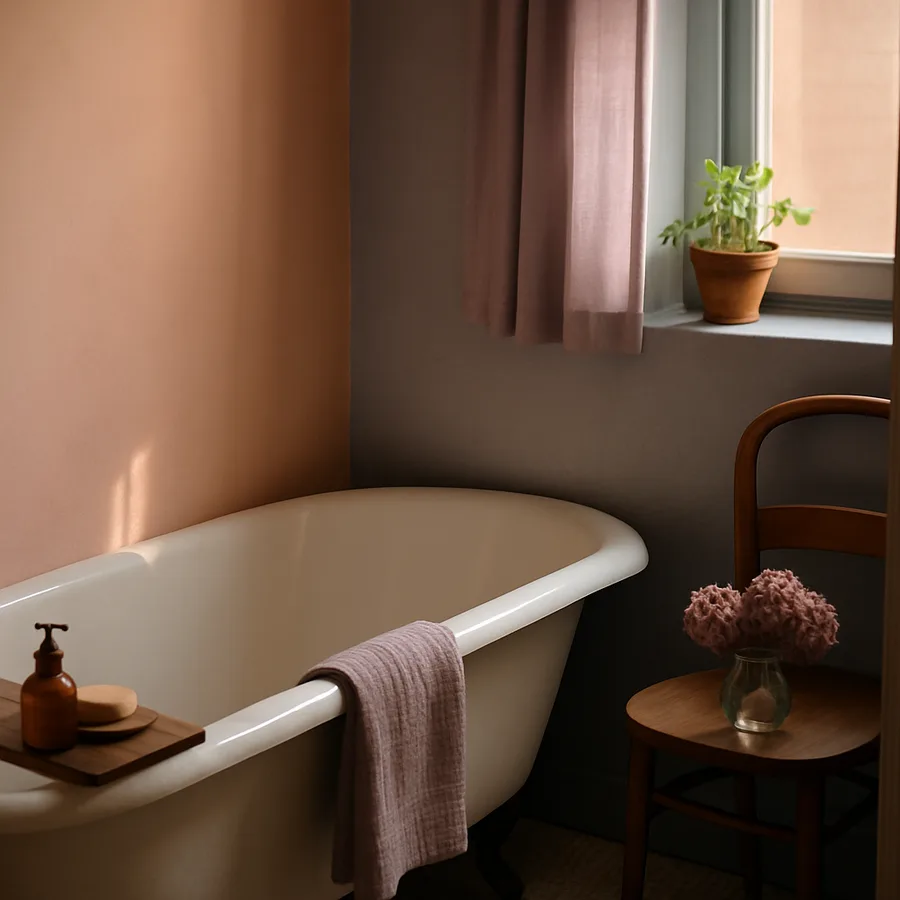
The Problem: You Want a Clawfoot Tub but Your Bathroom Is Tiny
There is a particular frustration that comes with falling in love with a clawfoot tub only to measure your bathroom and realize it seems impossibly small. The standard American bathroom hovers around 40 square feet, and many older homes offer even less -- cramped rectangles of 5 by 7 feet or narrow galley layouts that barely accommodate a toilet and sink. A full-size clawfoot tub, typically 60 to 67 inches long and 30 inches wide, appears to demand more space than you have. But here is the truth that experienced bathroom designers understand: a clawfoot tub can actually work better in a small bathroom than a built-in alcove tub, if you plan the layout with precision.
The key insight is that clawfoot tubs are freestanding and exposed on all sides, which means they do not require the bulky framing, surround walls, or tile decking that built-in tubs demand. That construction envelope can consume six to ten inches of usable space on three sides. A clawfoot tub sits directly on the floor with its plumbing exposed or minimally concealed, reclaiming that lost perimeter space. The visible floor beneath and around the tub also creates the visual illusion of more room, a psychological effect that makes the bathroom feel larger than its square footage suggests.
According to the National Kitchen and Bath Association (NKBA), the minimum recommended clearance around a freestanding bathtub is six inches on sides adjacent to walls and 15 inches on the entry side. These clearances are tighter than what most people assume, and they open the door to fitting a clawfoot tub in bathrooms as small as 35 square feet. The question is not whether it can fit, but how to arrange the other fixtures -- toilet, sink, and potentially a shower -- to share the space efficiently. That is a solvable problem, and the solutions are often more elegant than you might expect.
This guide walks through specific layout configurations, sizing options, and design strategies for making a clawfoot tub work in a small bathroom. Whether you are renovating a century-old bungalow with original 5-by-7 proportions or fitting a statement tub into a compact guest bath, these approaches will help you find the arrangement that fits your space and your vision. Have you already measured your bathroom, or are you still in the dreaming phase?
Layout One: The Long Wall Placement
The most straightforward configuration places the clawfoot tub along the longest wall of the bathroom, mirroring the position of a standard alcove tub but without the built-in surround. In a typical 5-by-8 bathroom, the tub runs along the 8-foot wall, leaving the 5-foot dimension for the remaining fixtures. This arrangement works particularly well with a 54-inch or 57-inch clawfoot tub -- shorter than the standard 60-inch model but still generous enough for a comfortable soak. Several manufacturers, including Randolph Morris and Kingston Brass, produce these compact clawfoot sizes specifically for smaller bathrooms.
With the tub against the long wall, the toilet typically occupies the opposite wall or the far end of the same wall, with the sink centered between. A pedestal sink or wall-mounted sink is essential in this layout, as a vanity cabinet would consume too much floor area. The open space beneath a pedestal or wall-hung sink keeps the sightlines clear and reinforces the visual openness that the clawfoot tub's exposed legs already establish. Plan for at least 15 inches of clear space from the center of the toilet to any adjacent wall or fixture, which is the minimum code requirement in most jurisdictions.
One advantage of this layout is that it places the tub's plumbing supply and drain against the wall, simplifying the rough-in work. A wall-mounted faucet or a freestanding tub filler positioned at the head end of the tub provides water supply without the complexity of floor-mounted plumbing. The drain connects through the floor directly below the tub, following standard plumbing runs. This simplicity reduces both installation cost and the risk of future leaks, which is particularly important in small bathrooms where water damage affects a proportionally larger area.
The visual effect of a clawfoot tub along a long wall is one of graceful proportion. The curved ends of the tub soften the rectangular room, and the visible floor on either side of the tub creates breathing room that makes the layout feel intentional rather than cramped. Painting the exterior of the tub in the same color as the walls further integrates the piece into the space, while a contrasting color -- matte black, deep navy, or sage green -- turns it into a sculptural focal point. The Better Homes and Gardens design team recommends this painted-exterior approach as one of the most effective ways to give a small bathroom personality without adding visual clutter.
Layout Two: The Corner Angle
When a straight wall placement does not leave enough room for the remaining fixtures, angling the clawfoot tub into a corner can unlock space that a parallel arrangement cannot. This configuration positions the tub diagonally, with its head end tucked into a corner and its foot end angling toward the center of the room. The triangular spaces created on either side of the tub accommodate the toilet on one side and the sink on the other, each tucked into its own zone with clear access paths between them.
The diagonal placement works especially well in nearly square bathrooms -- the 7-by-7 or 6-by-8 layouts that are common in mid-century homes. These proportions frustrate linear arrangements because no single wall is long enough to comfortably house a tub without crowding the adjacent fixtures. By rotating the tub 30 to 45 degrees, you effectively use the room's diagonal dimension, which in a 7-by-7 space is nearly 10 feet -- more than enough for a standard 60-inch tub with generous clearance. It is a geometric trick that feels like it creates square footage out of thin air.
Plumbing for an angled tub is slightly more complex, as the supply and drain lines cannot simply run to the nearest wall. A freestanding tub filler with floor-mounted supply lines is the cleanest solution, though it requires access to the floor cavity for the rough-in. In homes with a basement or crawl space below the bathroom, this access is straightforward. In slab-on-grade construction, it may require a raised platform or careful channeling into the concrete, adding cost. Discuss these logistics with your plumber before committing to a diagonal layout so there are no surprises during construction.
Aesthetically, the angled tub creates a dynamic, unexpected composition that makes a small bathroom feel thoughtfully designed rather than simply small. The diagonal line introduces visual energy that straight walls and parallel fixtures cannot achieve. Pair this layout with a round mirror, a curved pedestal sink, and organic accessories to amplify the sense of movement and softness. According to the American Institute of Architects (AIA), angled fixture placement in compact rooms is one of the oldest space-planning techniques in residential design, used effectively in European bathrooms for centuries. The technique is not a compromise -- it is a sophisticated solution.
Layout Three: The Shower-Over-Tub Configuration
For small bathrooms that must serve as the only full bath in the home, the ability to shower is non-negotiable. The clawfoot tub with a shower ring and curtain is a classic solution that has been in continuous use since the early 1900s, and it remains one of the most practical configurations for compact spaces. An oval or D-shaped shower curtain ring mounts to the ceiling or a freestanding riser, enclosing the tub in a waterproof curtain that converts it from a soaking tub to a shower enclosure in seconds.
The shower-over-tub configuration eliminates the need for a separate shower stall, which would consume an additional nine to twelve square feet of floor area that a small bathroom simply cannot spare. A hand shower on a slide bar mounted to the tub's freestanding faucet provides adjustable spray height, accommodating both adults and children. For a more conventional shower experience, a fixed overhead rain showerhead can be ceiling-mounted within the curtain ring, though this requires running water supply lines through the ceiling framing.
Waterproofing demands careful attention in this configuration. Unlike a built-in tub-shower combination with sealed tile surrounds, a clawfoot shower relies entirely on the curtain to contain water spray. Use a weighted curtain or a double-layer system -- a decorative outer curtain with a waterproof liner -- and ensure the curtain is long enough to drape inside the tub rim by at least six inches. The floor area around the tub should be surfaced with waterproof material (tile, stone, or sealed concrete) with proper slope to a floor drain, as some water will inevitably escape the curtain perimeter during showers.
The aesthetic of a clawfoot shower is undeniably charming and has been featured extensively in renovations documented by Houzz and Architectural Digest alike. The exposed plumbing, the billowing curtain, and the sculptural form of the tub create a bathroom with genuine character -- a quality that is especially valuable in small spaces where every element is visible and scrutinized. Choose a shower ring finish that matches your faucet (polished nickel, brushed brass, or oil-rubbed bronze are the most popular), and select a curtain that complements rather than competes with the tub's form. Can you picture how a simple white curtain framing a painted clawfoot tub would transform your bathroom's personality?
Sizing Down: Compact Clawfoot Tubs Worth Considering
The single most effective strategy for fitting a clawfoot tub in a small bathroom is choosing the right size, and the market now offers a wider range of compact clawfoot dimensions than ever before. The 54-inch clawfoot tub is the sweet spot for small bathrooms, shaving six inches off the standard length while maintaining enough interior volume for a comfortable soak for most adults up to about 5 feet 10 inches. Brands like Signature Hardware and Barclay offer 54-inch models in both single-slipper (one raised end) and double-ended (symmetrical) configurations.
For genuinely tiny bathrooms -- those under 35 square feet -- 48-inch clawfoot tubs exist and deserve consideration. These petite models sacrifice some stretching-out room but still provide a legitimate bathing experience. A 48-inch tub with a deeper bowl (18 inches or more from rim to drain) compensates for the shorter length by allowing a seated soak with water up to the shoulders. Japanese soaking tubs follow this same principle of depth over length, and several manufacturers now produce clawfoot models inspired by this approach. The result is a tub that fits in remarkably tight spaces without feeling like a compromise.
Width matters as much as length when working with limited floor area. Standard clawfoot tubs are 30 to 31 inches wide at the rim, but some models offer a slimmer 27-to-28-inch profile that recovers three to four inches of floor space on one or both sides. This seemingly small difference can be the margin between a workable layout and one that feels too tight. When evaluating tub dimensions, always measure the overall footprint including the feet, which typically add one to two inches beyond the rim on each side. The feet placement determines the actual floor space the tub occupies, and ignoring them during planning is a common measuring mistake.
Material choices affect both weight and thermal performance. Cast iron clawfoot tubs are the traditional choice, prized for their heat retention and solid, permanent feel, but they weigh 250 to 400 pounds -- a serious consideration for upper floors in older homes with uncertain structural capacity. Acrylic clawfoot tubs weigh a fraction of that (typically 70 to 100 pounds) and are available in the same compact sizes, making them practical for second-story bathrooms or homes where structural reinforcement is not feasible. The National Association of Home Builders (NAHB) recommends consulting a structural engineer before placing a cast iron tub on any floor that was not originally designed to support one, especially in homes built before modern building codes were established.
Plumbing, Drainage, and Practical Installation Details
The plumbing for a clawfoot tub in a small bathroom requires advance planning because the exposed nature of the fixture leaves no room to hide mistakes. The drain assembly is the first consideration: clawfoot tubs use an exposed waste and overflow assembly that connects to the drain line through the floor. In a renovation where the tub is replacing a built-in model, the existing drain location may not align with the new tub's drain position, requiring the drain line to be rerouted. This work is straightforward if you have access to the floor cavity from below but can be expensive if the bathroom sits on a concrete slab.
Water supply options for clawfoot tubs fall into three categories. Freestanding tub fillers rise from the floor on a single column and provide both the spout and hand shower, creating a clean, sculptural look. They require supply lines roughed into the floor, which must be precisely positioned to align with the filler's base plate. Wall-mounted faucets are the simplest option from a plumbing perspective, as they use standard in-wall supply lines, but they require the tub to be positioned within reach of the wall -- typically no more than four inches from the wall surface. Deck-mounted faucets that attach to the tub rim are a third option, requiring holes drilled into the tub (if not pre-drilled) and flexible supply connections beneath.
In small bathrooms, every inch of plumbing routing matters. Discuss with your plumber the option of running supply lines through the wall cavity rather than the floor, which avoids the need to cut into the subfloor and simplifies future maintenance. Wall-accessed shut-off valves, concealed behind a small access panel, allow you to service the tub plumbing without demolishing finished surfaces. These details are not glamorous, but they make the difference between a tub installation that works flawlessly for decades and one that becomes a maintenance headache.
Ventilation is another practical concern that small-bathroom clawfoot tub installations must address. A freestanding tub in a compact room generates significant humidity during a bath, and without adequate ventilation, that moisture will cause paint peeling, mold growth, and deterioration of fixtures and finishes. The Home Ventilating Institute (HVI) recommends a bathroom exhaust fan rated at a minimum of one CFM per square foot, with higher ratings for rooms with soaking tubs. In a 40-square-foot bathroom, that means at least a 50 CFM fan, though upgrading to 80 or 100 CFM provides a meaningful margin of protection. Run the fan during bathing and for at least 20 minutes afterward to clear residual moisture.
Making It Work: Your Small Bathroom, Your Statement Tub
Fitting a clawfoot tub in a small bathroom is not about defying physics -- it is about understanding your specific room dimensions, choosing the right tub size, and arranging the layout with care and precision. The three layout configurations outlined here -- long wall, corner angle, and shower-over-tub -- cover the most common small bathroom shapes, and they can be combined and adapted to suit your particular situation. A corner-angled tub with a shower ring, for example, merges two approaches to solve both space and functionality challenges simultaneously.
Start your planning with a measured floor plan drawn to scale. Graph paper and a pencil work perfectly, or free online tools like the bathroom planner on the NKBA website let you drag and drop fixtures into a scaled room layout. Mark the door swing, window locations, and existing plumbing positions, then experiment with tub placement until you find an arrangement that provides adequate clearances and comfortable circulation. Do not forget to account for the door's swing arc -- a bathroom door that cannot open fully because it hits the tub is a daily annoyance that undermines even the most beautiful installation.
The reward for this careful planning is a bathroom with genuine character and charm that no prefabricated shower-tub combination can match. A clawfoot tub brings history, craftsmanship, and sculptural beauty to a room, and its presence in a small bathroom feels like a deliberate, confident design choice rather than a compromise. Visitors will notice it immediately, and you will enjoy it every single day -- which is ultimately the only metric that matters in a room designed for personal comfort and renewal.
Take the first step today: measure your bathroom's length, width, and door swing clearance, then compare those dimensions against the compact clawfoot tub sizes from at least two manufacturers to find the perfect fit for your space.
More Articles You May Like



Comments
Post a Comment