How Sustainable Architecture is Transforming Interior Spaces for the Better
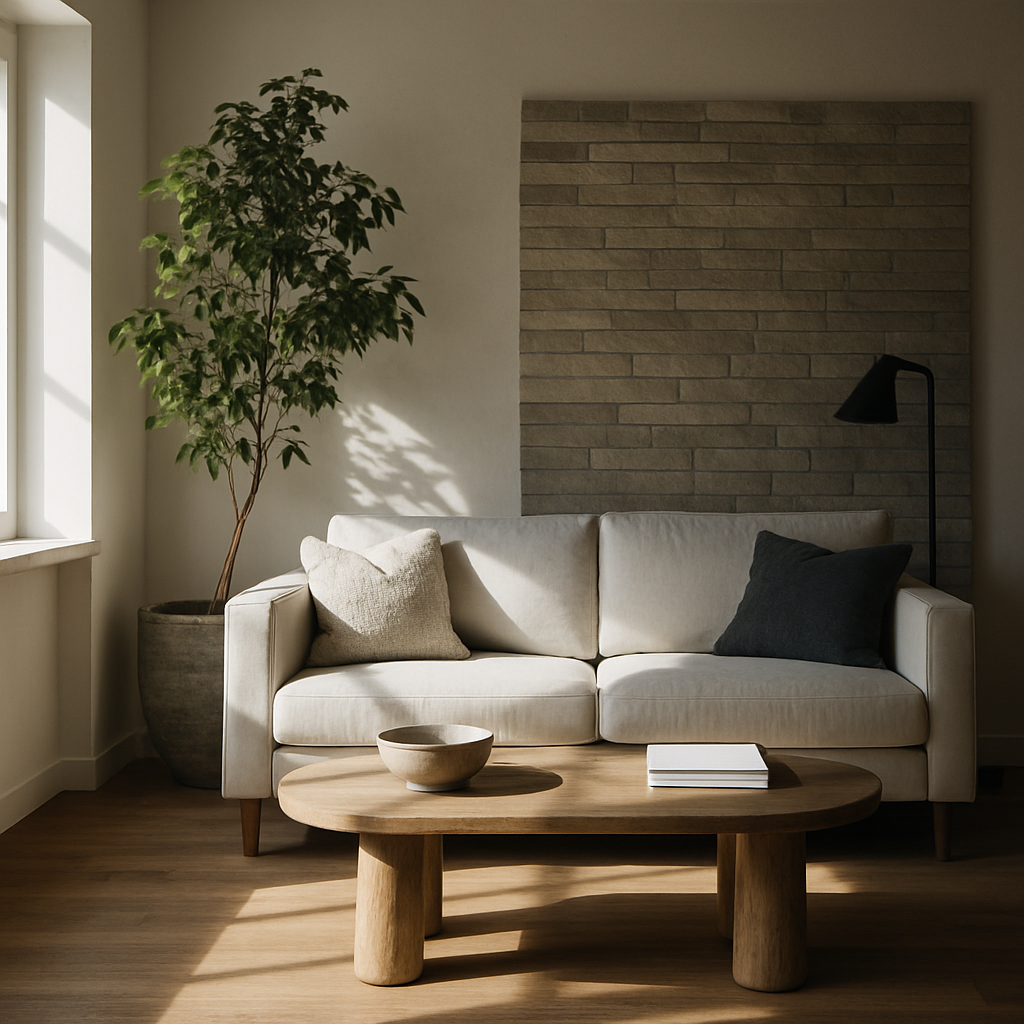
Imagine walking into a home where the air feels fresher, the materials tell a story of ecological respect, and the very walls seem to breathe with natural harmony. This vision is gradually becoming a reality as sustainable architecture reshapes interior spaces. Sustainable architecture, defined by its eco-friendly materials and energy-efficient designs, is not just a trend but a necessary evolution in how we think about the spaces we inhabit. According to the American Institute of Architects (AIA), buildings account for nearly 40% of global energy-related carbon dioxide emissions, making the shift toward sustainability imperative. This article examines the foundational concepts of sustainable architecture, provides data-driven insights, offers actionable strategies for implementing these practices, and delves into expert-level details that highlight the profound impact of sustainability on interior design.
The Foundations of Sustainable Architecture
Sustainable architecture begins with the fundamental principle of minimizing environmental impact through thoughtful design and material selection. A key aspect is the use of *biophilic design*, which incorporates natural elements to enhance the connection between interior spaces and the outdoors. Natural materials such as reclaimed wood, bamboo, and stone are favored for their low environmental impact and ability to create a serene, organic atmosphere. This approach not only reduces the carbon footprint but also fosters a sense of tranquility within the home.
Energy efficiency is another cornerstone of sustainable architecture. By integrating smart home technologies, such as automated lighting and climate control systems, energy consumption can be significantly reduced. The International Energy Agency reports that smart buildings can reduce energy usage by up to 30%. This not only lowers utility bills but also contributes to a more sustainable planet. The challenge for many homeowners is selecting the right technologies that align with their sustainability goals.
Moreover, sustainable architecture emphasizes the importance of site-specific design. This involves tailoring building strategies to the local climate and landscape to maximize natural light, ventilation, and heating. By doing so, interior spaces can maintain comfortable temperatures with minimal reliance on artificial heating and cooling. As you consider your own home, how might site-specific design principles apply to your space?
Data-Driven Insights on Sustainable Interiors
Concrete data underscores the growing impact of sustainable architecture on interior spaces. According to Houzz's annual survey, 70% of homeowners who renovated in 2023 incorporated at least one eco-friendly feature. This trend highlights a significant shift in consumer priorities toward sustainability. The survey also revealed that homeowners are increasingly willing to invest in green technologies, with 60% stating they would pay more for eco-friendly home improvements.
The benefits of sustainable interiors extend beyond environmental impact. Research from the World Green Building Council indicates that well-designed sustainable interiors can improve occupant health and well-being. For instance, increased natural light and improved air quality have been linked to higher productivity and better mental health. This holistic approach to design is gaining traction among designers and architects worldwide, including members of the International Interior Design Association (IIDA), who advocate for interiors that enhance physical and mental well-being.
However, achieving true sustainability requires more than just adopting green features. Experienced professionals often note the importance of lifecycle thinking-considering the entire lifecycle of materials from production to disposal. This approach ensures that the environmental benefits of sustainable materials are fully realized. Have you considered how the lifecycle of materials in your home might impact its overall sustainability?
Actionable Strategies for Sustainable Interior Design
For those looking to incorporate sustainability into their home design, actionable strategies are essential. Start by evaluating the materials used in your interiors. Opt for those that are sustainably sourced, such as FSC-certified wood, which ensures responsible forest management. Reclaimed and recycled materials are also excellent choices, offering unique character and reducing demand for new resources. Consider how these materials can be integrated into your home's flooring, cabinetry, and furniture.
Another effective strategy is to enhance energy efficiency through smart home integration. Technologies such as programmable thermostats, energy-efficient appliances, and LED lighting can significantly reduce energy consumption. The NCIDQ (National Council for Interior Design Qualification) highlights the use of automated window treatments, which can optimize natural light and regulate indoor temperatures. By adopting these technologies, homeowners can create spaces that are both eco-friendly and economically beneficial.
In addition, water conservation should not be overlooked in sustainable interior design. Installing low-flow faucets, dual-flush toilets, and water-efficient appliances can drastically reduce water usage. These features not only conserve a vital resource but also reduce utility costs. As you explore these options, which sustainability strategies resonate most with your personal goals?
Expert-Level Insights into Sustainable Interior Transformation
Delving deeper into the realm of sustainable interiors, expert designers emphasize the transformative power of passive design techniques. Passive solar design, for instance, harnesses the sun's energy to naturally heat and illuminate spaces. By strategically placing windows and using thermal mass materials, homes can maintain comfortable temperatures with minimal energy use. This technique is particularly effective in regions with significant sunlight, offering both environmental and cost-saving benefits.
Moreover, the integration of *quiet luxury*-a trend characterized by understated elegance-aligns seamlessly with sustainable principles. This approach emphasizes quality over quantity, selecting durable, timeless pieces that minimize waste and environmental impact. Designers from Architectural Digest's AD PRO network suggest focusing on craftsmanship and longevity, creating interiors that are both luxurious and sustainable.
Lastly, the incorporation of virtual reality (VR) and augmented reality (AR) tools is revolutionizing sustainable design processes. These technologies allow designers and homeowners to visualize and refine spaces before any physical changes are made, reducing waste and ensuring that the final design meets both aesthetic and functional needs. As these tools become more accessible, how might they influence your approach to designing sustainable spaces?
Additional Depth on Sustainable Practices
The shift towards sustainable interiors is also driven by advancements in material science. Innovations such as sustainable concrete, which incorporates recycled materials and reduces carbon emissions, are gaining traction in interior applications. Similarly, low-VOC (volatile organic compounds) paints and finishes are being adopted to improve indoor air quality-an essential consideration for health-conscious homeowners.
Furthermore, industry professionals are increasingly aware of the role of certification programs in promoting sustainable practices. Programs like LEED (Leadership in Energy and Environmental Design) provide a framework for implementing sustainable design strategies, offering guidelines and benchmarks for energy efficiency, water usage, and material selection. The ASID (American Society of Interior Designers) often advocates for these certifications as a means to ensure accountability and credibility in sustainable design.
As sustainable architecture continues to evolve, collaboration between designers, architects, and homeowners is crucial. Engaging with local AIA chapters or participating in design workshops can provide valuable insights and foster innovation in sustainable practices. How can you leverage these resources to enhance the sustainability of your own interior spaces?
Final Perspectives on Sustainable Interior Evolution
As we look to the future, the integration of sustainability in interior design is set to become even more profound. The growing awareness of environmental issues and the desire for healthier living environments are driving this transformation. Homeowners are increasingly prioritizing sustainability, not only for its environmental benefits but also for the enhanced quality of life it offers.
The journey to sustainable interiors is ongoing, requiring continuous adaptation and innovation. By embracing new technologies, materials, and design philosophies, we can create interiors that respect and enhance our natural world. As you consider your own spaces, what steps can you take today to begin this transformation?
Conclusion
Sustainable architecture is not just reshaping interior spaces; it is redefining how we interact with our environments. By adopting eco-friendly materials, smart technologies, and sustainable design principles, you can transform your home into a space that is both beautiful and responsible. The benefits extend beyond aesthetics to encompass health, well-being, and environmental stewardship. Start by browsing portfolios on Houzz this week-even 20 minutes of research will sharpen your eye for what you want. By taking these steps, you can contribute to a more sustainable future while enjoying the comforts of a thoughtfully designed home.



Comments
Post a Comment