Cultured Marble Vanity Tops: Budget-Friendly Bathroom Upgrade
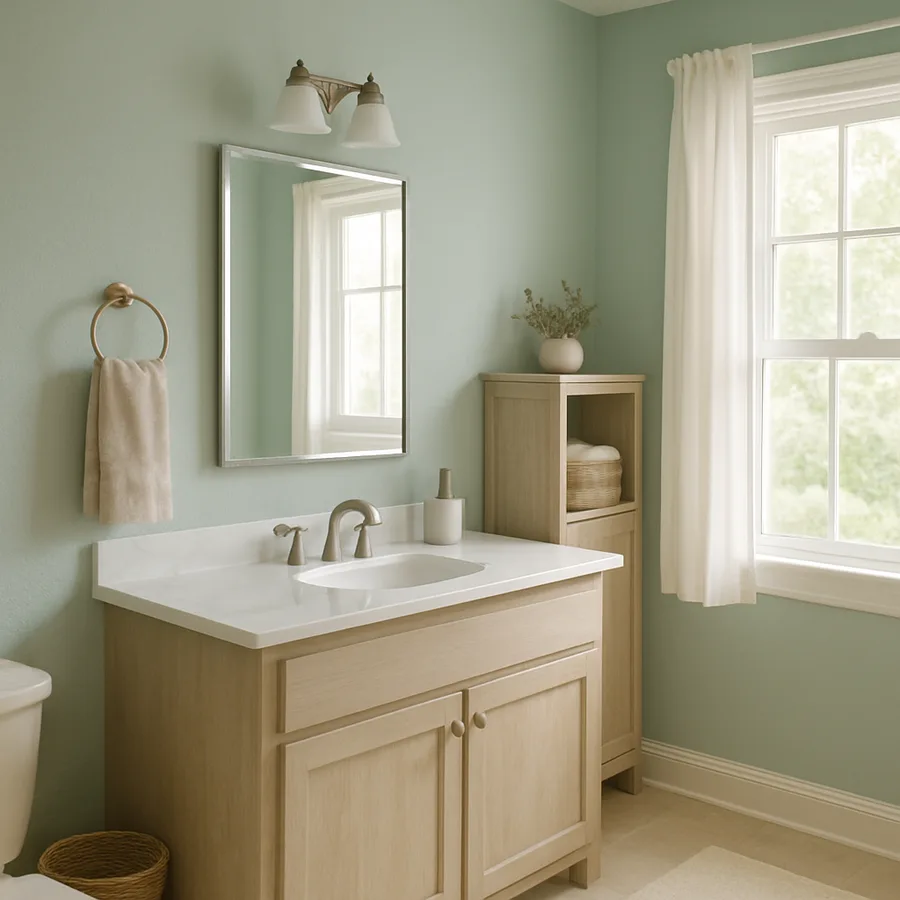
When homeowners start pricing bathroom renovations, the vanity top alone can swallow a surprising share of the budget. A high-end slab of natural stone may cost several thousand dollars before fabrication and installation, which pushes many remodels out of reach. Cultured marble has steadily returned as a smart alternative because it mimics the warm glow of polished stone while cutting costs significantly. The material is essentially a blend of crushed natural marble and polyester resin, poured into molds with an integrated bowl and backsplash. This manufacturing process eliminates costly seams, reduces labor time and creates a surface that feels surprisingly luxurious in daily use.
Before committing to any surface, it helps to understand how cultured marble performs against the stones it imitates and why it remains such a popular pick in starter homes, rentals and mid-range renovations across North America. According to data published by the National Association of Home Builders, bathroom remodels recoup roughly 71 percent of their cost at resale, making surface selection both an aesthetic and financial decision. Should you swing for imported Carrara, or is a well-made cultured piece the smarter long-term choice? The answer depends on your budget, how heavily the bathroom is used and how much maintenance you are willing to take on.
What Cultured Marble Actually Is
Cultured marble is a cast polymer product, not a quarried stone. Manufacturers combine roughly 75 percent crushed marble dust with 25 percent polyester resin, add pigments and pour the mixture into molds shaped to include the sink, deck and backsplash as a single piece. A thin gel coat is applied to the mold face first, producing the glossy, nonporous surface you see on the finished top. This monolithic construction is the material's signature advantage, because water has nowhere to sneak beneath the sink rim or around caulked joints.
The Cultured Marble Institute, a division of the International Cast Polymer Association, has published fabrication standards for decades and certifies shops that meet them. Those standards address resin ratios, cure times, gel coat thickness and dimensional tolerances, which is why two cultured tops can look nearly identical yet perform very differently over a decade of use. When shopping, ask whether your fabricator follows ICPA guidelines; a reputable supplier will have a written spec sheet ready. The ASTM International standard C1248 also addresses water absorption testing for cultured marble, and reputable shops will share their test results on request.
Why the Price Tag Is So Attractive
Cost remains the headline reason homeowners choose this surface. Industry pricing surveys from NAHB and regional fabricators place cultured marble between roughly 45 and 85 dollars per square foot installed, while comparable natural marble lands in the 75 to 200 dollar range once edging, backsplashes and sealing are included. Because the bowl is molded into the slab, you also save on a separate undermount sink and the labor required to attach it.
There is a second, quieter savings too: installation time. A cultured top arrives as one piece, slips onto the vanity cabinet and needs only plumbing hookups and a bead of silicone at the wall. A stone slab typically requires a template, a return trip for cutting, heavy lifting equipment and on-site seam work. Contractor labor is often the largest single line on a remodeling quote, so shaving hours off the install routinely saves hundreds of dollars. For a secondary bathroom or a rental property where durability matters more than prestige, those savings can fund a better faucet, new tile or a frameless shower door.
Performance in a Real Bathroom
How does cultured marble actually hold up after five or ten years? The nonporous gel coat resists water, mold and staining far better than grouted tile, and you will never need to reseal it like natural marble. The Marble Institute of America, now part of the Natural Stone Institute, notes that calcite marble requires sealing every six to twelve months to resist etching from common bathroom products like toothpaste and perfume. Cultured versions skip that chore entirely.
That said, the gel coat is softer than stone and can be scratched by abrasive cleansers or a dropped razor. Hot curling irons left directly on the surface can leave a dull mark that will not buff out. If you have teenagers in the house, this is worth weighing. Ask yourself a practical question before you commit: how much grooming happens at this vanity, and how forgiving does the surface need to be? For a powder room that mostly serves guests, cultured marble is almost bulletproof; for a primary bath shared by two busy adults, you may want to upgrade to a thicker commercial-grade top or a quartz surface.
Long-term performance data from cultured marble installers is remarkably consistent: properly specified tops last 15 to 20 years in moderate-use bathrooms and another five to ten in lighter-use powder rooms. Compare that with the American Society of Interior Designers benchmark of roughly 25 years for natural stone with diligent sealing, and the gap is narrower than many homeowners realize. The key phrase is "properly specified." Thin gel coats under about 18 mils fail early; reputable fabricators deliver 22 to 25 mils as standard. When you visit a showroom, ask to see the gel coat thickness spec sheet. If the supplier cannot produce one, walk away and keep shopping.
Household chemistry plays a bigger role than most buyers expect. Perfumes, essential oils, acetone-based nail polish remover and acidic cleaners all accelerate gel coat wear on cultured marble. If someone in your home colors their own hair or uses salon-grade styling products frequently, the surface will show cumulative dulling within three to five years regardless of how careful you are. One homeowner trick worth borrowing: place a small silicone tray at the vanity to corral bottles, which both prevents ring marks and keeps spills contained. The International Cast Polymer Association publishes a recommended-products list that most fabricators will share on request, and it is worth keeping a printed copy inside the vanity cabinet.
Design Options You May Not Expect
Early cultured marble suffered from a reputation for peachy beige swirls of a bygone era. Modern fabricators have expanded the palette dramatically, and current catalogs include crisp whites with subtle gray veining, deep charcoal, soft sage and even solid matte finishes. The American Society of Interior Designers reports that warm neutrals and low-contrast veining now dominate bathroom specifications, and cultured marble suppliers have followed those trends closely. Custom pigmenting is available from higher-end shops if you need to match an existing countertop or tile.
Edge profiles have also matured. Beyond the rolled front that defines entry-level cultured tops, you can now specify a square eased edge, a beveled edge or even a mitered waterfall that mimics the look of a solid slab. Integrated backsplashes come in three-inch, six-inch and full-height options, and the single-piece construction means no visible caulk line where splash meets deck. Pair a matte charcoal top with brushed brass hardware and a fluted cabinet front, and the finished vanity reads as modern and intentional rather than economical.
Installation Considerations
While cultured marble is easier to install than stone, it is not foolproof. The slab must rest on a fully supported cabinet top with no twisting, because uneven support can crack the piece over time. Fabricators generally recommend a plywood or engineered wood deck on the vanity cabinet to spread the load evenly. Plumbing connections should be snug but not overtightened; the gel coat can spiderweb around a fitting that is cranked too hard.
Hire a licensed installer if your renovation also includes new plumbing rough-in, and verify they have insurance covering accidental damage during the swap. The National Kitchen and Bath Association (NKBA) offers a certified remodeler directory that filters by zip code, which is a useful starting point. Ask for references from at least two recent cultured marble jobs, and walk through those bathrooms if the owners allow it. A five-year-old install tells you far more about quality than a showroom display.
Daily Care and Long-Term Maintenance
Cleaning is refreshingly simple. A soft cloth, warm water and a nonabrasive liquid cleaner handle daily grime, and the Cultured Marble Institute specifically warns against powdered scrubs, steel wool and anything containing bleach concentrations above ten percent. Small scratches can often be polished out with automotive rubbing compound followed by a light coat of countertop wax, and many homeowners refresh the gloss annually with a gel coat restorer available at home improvement retailers.
For deeper damage, professional resurfacing is a real option. Several regional companies specialize in sanding and recoating cultured marble in place, and a resurface typically runs 300 to 600 dollars compared with 1,200 dollars or more to replace the top. That capability is part of why budget-conscious homeowners keep returning to this material. Would you rather spend a modest sum every decade to refresh a surface, or pay premium pricing upfront for stone that will eventually need its own professional restoration? Both approaches are valid, and your answer tells you which surface is right for the household.
Conclusion
Cultured marble has evolved far beyond its dated reputation and now offers a genuinely smart path to a polished bathroom at a fraction of natural stone pricing. The seamless one-piece construction eliminates common water-damage failure points, the low-maintenance gel coat skips annual sealing rituals and current color palettes look right at home in contemporary design schemes. For secondary bathrooms, rentals, starter homes and even primary baths with moderate use, the value equation is genuinely hard to beat.
The trade-off is surface softness, and no honest guide to this material would skip that fact. Cultured marble rewards gentle care and responds poorly to abrasive cleaners, high heat and sharp impacts. If your household includes heavy styling tool use or young kids who enjoy experimental science at the sink, you may be better served by a quartz composite or a properly sealed natural stone. Everyone else gets a durable, elegant surface for hundreds less per square foot than the alternatives.
A few practical next steps can turn this research into a real remodel. Visit at least two local cultured marble showrooms in person, because photographs flatten the subtle color shifts in the veining patterns. Request a sample to take home and place it near your tile, paint and flooring selections in the actual bathroom lighting. And always confirm that your fabricator follows ICPA standards in writing before signing a contract.
Ready to upgrade your bathroom without blowing the budget? Start by downloading our free vanity-top comparison checklist, then book a no-obligation consultation with a certified local fabricator this week. A smart surface choice made today can refresh your home for the next decade.
More Articles You May Like



Comments
Post a Comment