Creating Inviting Work Environments: The Importance of Commercial Interior Design Services

Imagine walking into an office where the lighting is harsh, the furniture is outdated, and the layout feels like a maze. Now, contrast that with a workspace that greets you with natural light, ergonomic seating, and an open, inviting layout. The difference not only impacts mood but also productivity and employee retention. According to a study by the American Society of Interior Designers (ASID), well-designed workspaces can increase productivity by up to 20%. This article delves into the transformative power of commercial interior design services and why they are essential for creating inviting work environments.
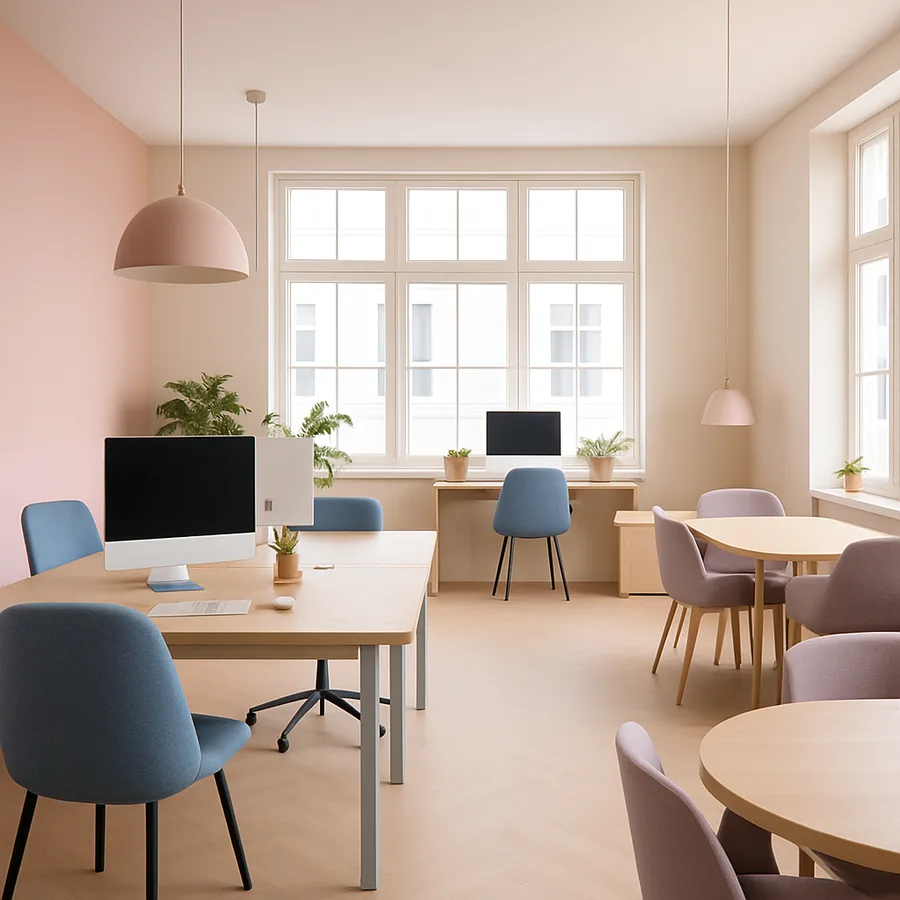
Why This Problem Matters
The environment in which employees work can significantly influence their performance and satisfaction. The International Interior Design Association (IIDA) suggests that a well-designed office can reduce absenteeism by up to 15%. When businesses neglect the importance of their physical space, they may face higher turnover rates and lower staff morale. An uninspiring environment can lead to disengagement, which is costly for businesses in terms of both productivity and profitability.
Moreover, the workplace is often considered a reflection of a company's brand and culture. A poorly designed space can send the wrong message to potential clients and employees, suggesting that the business lacks organization or creativity. This impression can be detrimental, especially in competitive markets where the first impression counts. A thoughtfully designed office, however, communicates professionalism and innovation.
Finally, the well-being of employees is directly linked to the physical workspace. Poor lighting, uncomfortable furniture, and inefficient layouts can contribute to physical strain and stress. In contrast, environments that prioritize comfort and functionality can promote health and well-being. As businesses strive to attract and retain top talent, the design of their workspaces becomes a crucial factor to consider. With these points in mind, understanding the root causes of poor design is the first step in making impactful changes.
Understanding the Root Causes
Many companies struggle with creating inviting work environments due to a lack of understanding and resources. One of the primary issues is budget constraints. Businesses may prioritize other expenses over interior design, not realizing the long-term cost-saving benefits of a well-designed space. However, investment in interior design can lead to significant returns by boosting productivity and reducing employee turnover.
Another root cause is the absence of expertise. Without professional guidance, companies might make design choices based on personal preference rather than functionality and employee needs. This often leads to spaces that are aesthetically pleasing but impractical. Experienced professionals, often with credentials like NCIDQ (National Council for Interior Design Qualification), bring valuable insights into ergonomics, lighting, and spatial planning, which are crucial for effective design.
Finally, rapid changes in work culture and technology can leave companies with outdated layouts that no longer serve their purpose. As businesses evolve, so do their space requirements. The shift towards hybrid and remote work models, for instance, necessitates flexible and adaptable environments. Without regular updates and redesigns, office spaces can quickly become obsolete, hindering productivity and collaboration. Addressing these root causes is essential for creating a workplace that meets modern demands.
Solution #1: Hiring Professional Interior Designers
One effective solution is hiring professional interior designers who specialize in commercial spaces. These experts have the skills and knowledge to transform any workspace into an environment that promotes efficiency and comfort. They consider factors such as lighting, acoustics, color psychology, and furniture arrangement to optimize both aesthetics and functionality.
Professional designers also offer customized solutions tailored to a company's specific needs and culture. For instance, a tech startup might benefit from an open-plan layout that fosters collaboration, while a law firm might require private offices to maintain confidentiality. By working closely with clients, designers can create spaces that align with business goals and employee preferences.
Additionally, hiring professionals can actually save money in the long run. Though there is an upfront cost-typically ranging from $150 to $500 per hour or a percentage of the project cost-these experts help avoid costly mistakes and ensure a high-quality result. Experienced professionals often note the importance of investing in quality over quantity, which can lead to a more durable and sustainable design. With this solution in mind, businesses might also consider alternative approaches to achieve their goals.
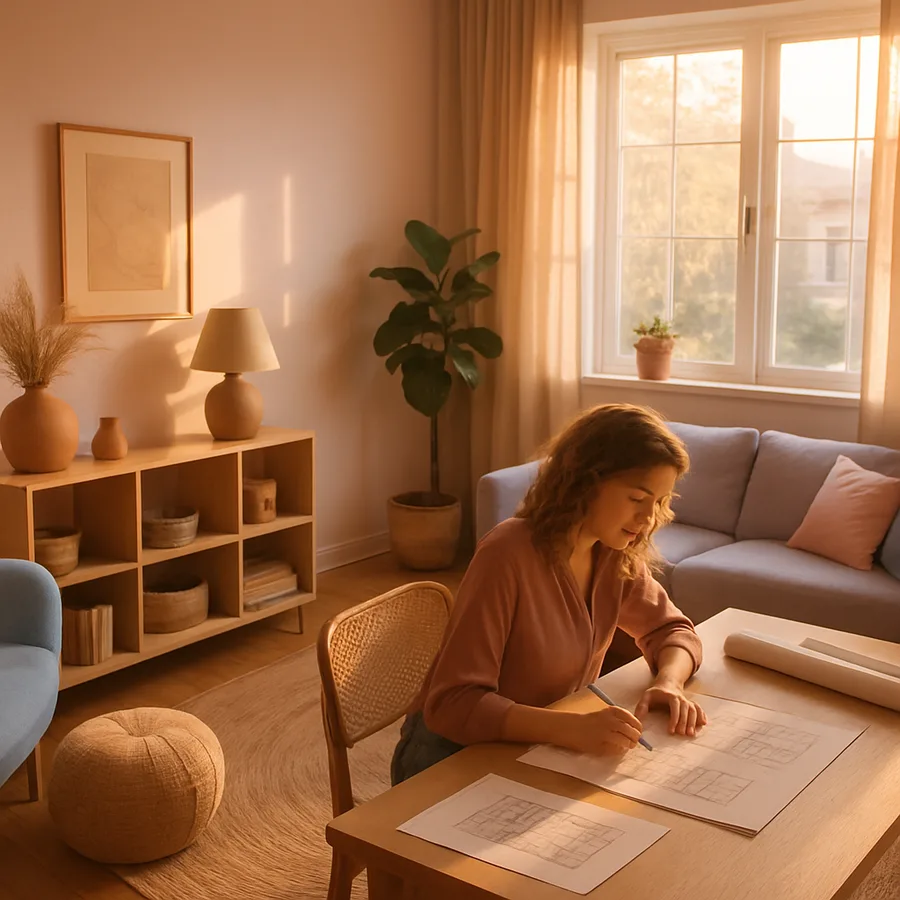
Solution #2: DIY with Professional Guidance
For businesses with tight budgets, a do-it-yourself approach with professional guidance can be an effective alternative. This hybrid method allows companies to take advantage of expert advice without the full cost of a designer's services. Companies can hire a consultant for a few hours to provide guidance on layout and design principles, which they can then implement on their own.
One practical step is to start with a vision board using platforms like Pinterest or Houzz. These resources offer a wealth of ideas and inspiration, allowing businesses to explore different styles and concepts. After gathering ideas, companies can then focus on specific areas that need improvement, such as lighting or furniture.
Another cost-effective strategy is to focus on small, impactful changes. Updating lighting fixtures, adding plants for a touch of biophilic design, or rearranging furniture for better flow can significantly enhance the space. By focusing on these key areas, businesses can improve their work environment without a complete overhaul. As you weigh these solutions, understanding their respective advantages and limitations is crucial.
Comparing Your Options
When choosing between hiring a professional designer and a DIY approach, it is essential to consider the pros and cons of each. Hiring a designer offers a comprehensive solution, ensuring that every aspect of the office is optimized for productivity and comfort. This option, however, requires a more substantial financial investment, which might not be feasible for all businesses.
On the other hand, a DIY approach provides more control over the process and can be more budget-friendly. However, without professional input, there is a risk of making design choices that do not fully meet the needs of the space or the employees. Moreover, the process can be time-consuming, requiring a significant commitment from the business owners or managers.
Ultimately, the choice between these options depends on the company's budget, timeline, and design goals. By evaluating these factors, businesses can make an informed decision that best suits their needs. Once a decision is made, implementing the chosen approach effectively will be the next important step.
Implementation Guide
Once you have decided on the best approach for your business, it's time to implement your design strategy. Start by outlining a clear plan that includes timelines, budget, and key areas of focus. This will serve as a roadmap, ensuring that the project stays on track and within budget.
Next, gather all necessary resources and materials. If you are working with a professional designer, they will typically handle procurement. For those taking a DIY route, research suppliers and compare prices to ensure you are getting the best deals. Don't forget to consider the quality and durability of materials, as these will impact the longevity of your design.
During the implementation phase, regular updates and communication are crucial. If you are working with a team, hold weekly meetings to discuss progress and address any issues that arise. For DIY projects, set aside dedicated time each week to work on different aspects of the design. Consistency and attention to detail are key to achieving a cohesive and inviting work environment. With the implementation underway, it's important to reflect on the process and set the stage for future improvements.
Conclusion
Creating an inviting work environment through commercial interior design services is a valuable investment in your business's success. By enhancing the workspace, you improve productivity, employee satisfaction, and the overall image of your company. Whether you choose to hire a professional or take a DIY approach, the benefits of a well-designed office are clear.
As you consider your options, start by evaluating your current space and identifying key areas for improvement. Engage with resources like Pinterest and Houzz to gather ideas and inspiration. Then, take the first step toward transformation by reaching out to a professional designer or planning your DIY project. Begin your journey by exploring portfolios or scheduling a consultation this week-even a small step can make a significant difference.
More Articles You May Like



Comments
Post a Comment