Revolutionize Home Decor with These Free AI Interior Design Tools
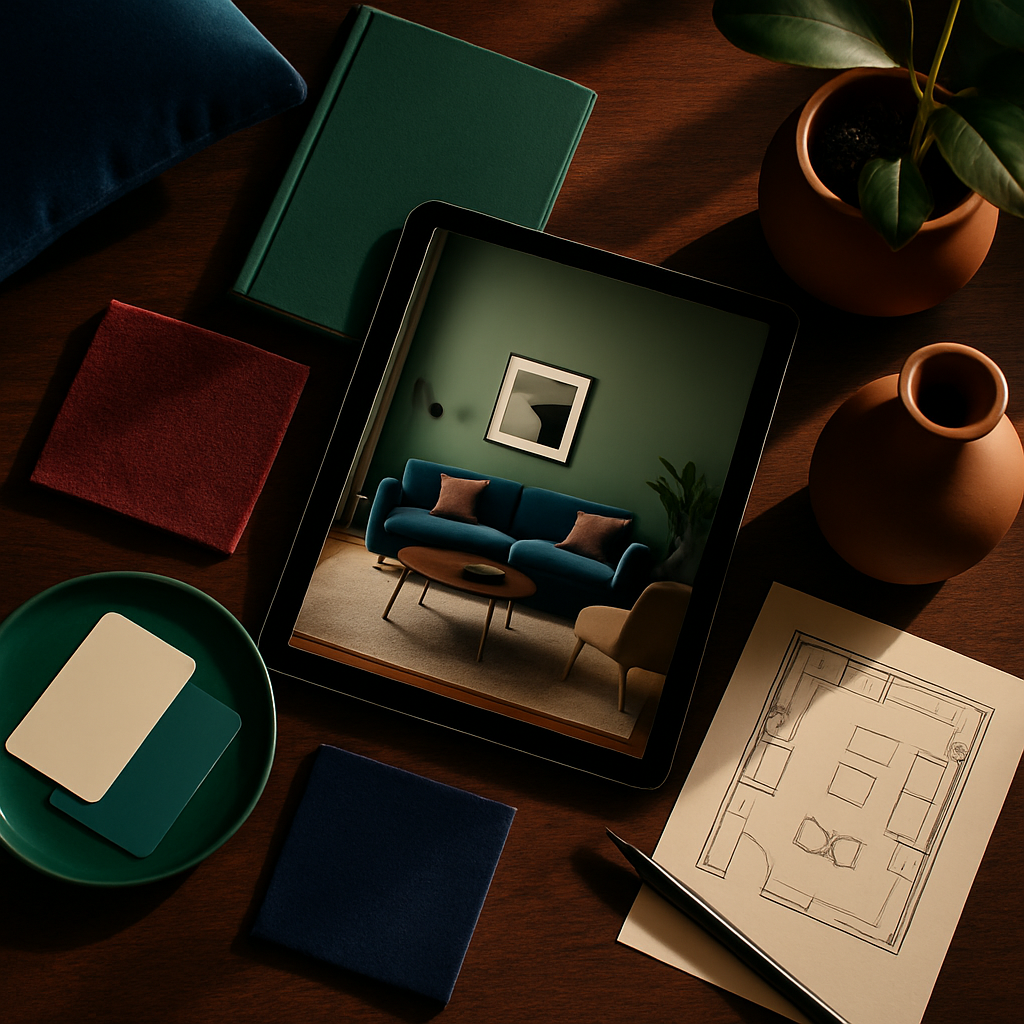
Imagine transforming your home's decor without spending a dime on professional design fees. As technology advances, artificial intelligence (AI) tools are stepping into the interior design arena, offering homeowners innovative ways to visualize and execute their dream spaces. According to industry surveys, nearly 60% of homeowners are now using digital tools to aid in their renovation projects. With free AI interior design tools, you can join this revolution, unleashing creativity and precision in your home decor endeavors. This article will explore foundational concepts, delve into the power of AI with supporting data, offer actionable strategies, provide expert insights, and present additional depth to help you revolutionize your home's design.
Understanding Free AI Interior Design Tools
AI interior design tools have emerged as a game-changer in the realm of home decor, democratizing access to professional-grade design capabilities. These tools use complex algorithms to analyze user preferences and existing space conditions to generate design suggestions that align with the latest trends. A key feature of these tools is their ability to create realistic 3D models and layouts, allowing users to visualize changes before any physical alterations are made. For instance, platforms like Planner 5D offer free versions that enable users to experiment with layouts and furnishings in a virtual space.
The main advantage of AI tools is their accessibility. Unlike traditional interior design, which often involves costly consultations and services, free AI tools provide a cost-effective alternative for those looking to refresh their space. Tools like Roomstyler 3D Home Planner allow users to drag and drop furniture and decor items into their space, adjusting colors and textures with ease. These tools are particularly beneficial for individuals who may not have the budget for a professional designer but still wish to achieve a cohesive and stylish look.
Furthermore, the integration of AI in design tools caters to varying levels of expertise, making them suitable for both novices and seasoned DIY enthusiasts. With user-friendly interfaces and step-by-step guidance, these platforms help users navigate the complexities of interior design. As we move forward, the accessibility and sophistication of AI tools will continue to grow, further bridging the gap between professional and personal design. Next, we'll delve into how these tools leverage data to enhance your design experience.
Leveraging Data for Enhanced Design Experiences
AI interior design tools rely heavily on data to refine and enhance user experiences. By analyzing data from various sources, including user interactions and design preferences, these tools can offer highly personalized design solutions. According to a report by Houzz, the use of AI in home design has increased by 35% over the past year, reflecting a growing trust in technology-driven design solutions. This data-driven approach allows for the creation of spaces that not only look good but also function efficiently according to the user's lifestyle.
For example, AI tools utilize data to suggest layout optimizations. If you're designing a kitchen, the tool might analyze your cooking habits and suggest configurations that minimize walking distance between key areas like the stove, sink, and refrigerator. By considering these small but significant details, AI tools help create functional and aesthetically pleasing environments. Moreover, platforms like SketchUp use data to provide material recommendations based on sustainability and cost-effectiveness, aligning with current trends in eco-friendly design.
Additionally, these tools collect data on the latest design trends, ensuring that users can incorporate contemporary styles into their homes. Whether it's Japandi aesthetics or biophilic design elements, AI tools keep users informed and inspired. As we explore actionable strategies in the next section, consider how these data-driven insights can transform your design process.
Actionable Strategies for Using AI Tools in Home Design
To effectively harness the power of free AI interior design tools, it's essential to approach your project with a strategic mindset. Start by defining the scope of your project. Are you redesigning a single room, or is it a full-home renovation? Knowing your project's scale helps you choose the right tool. For instance, if you're focusing on a single room, a tool like Homestyler may suffice, whereas a comprehensive project might benefit from more robust platforms like Planner 5D.
Next, take advantage of the tutorials and community forums offered by these platforms. Experienced professionals often note that familiarizing yourself with the tool's features can significantly enhance your design experience. Platforms such as Houzz and Pinterest can also serve as valuable resources, offering inspiration and community support. Engaging with these communities not only provides creative ideas but also offers practical advice from other users who have undertaken similar projects.
Finally, experiment with different layouts and styles. One of the greatest advantages of AI tools is the ability to visualize changes without commitment. Don't hesitate to try bold color schemes or unconventional furniture arrangements. What do you envision for your perfect space? Trust the process and let the AI guide you through various possibilities. As we transition to expert insights, keep in mind that experimentation is key to discovering your unique style.
Expert Insights on AI in Interior Design
While AI tools offer tremendous potential, they are most effective when used in conjunction with expert guidance. Certified interior designers, such as those accredited by the NCIDQ (National Council for Interior Design Qualification), emphasize the importance of blending AI capabilities with professional insights. These experts can offer nuanced perspectives on design principles that AI might overlook, such as the emotional impact of color or the cultural significance of certain design elements.
Furthermore, experts advise that AI tools should be viewed as a supplement rather than a replacement for professional design services. For complex projects, especially those involving structural changes or custom design elements, the expertise of a professional is invaluable. The American Society of Interior Designers (ASID) suggests that even when using AI, consulting with a certified designer can ensure that your project meets safety standards and adheres to local regulations.
In addition, seasoned designers often highlight the importance of sustainability in modern design. AI tools can assist by suggesting eco-friendly materials and energy-efficient layouts, but the true art lies in integrating these elements seamlessly into a design that reflects the homeowner's personality and values. As we move to explore additional depths, consider how expert insights can elevate your project beyond the capabilities of AI alone.
Exploring Additional Depths in AI Design Tools
The potential of AI in interior design extends beyond basic layout planning and visualization. Advanced tools are beginning to incorporate augmented reality (AR) and virtual reality (VR), offering an immersive design experience. These technologies allow users to virtually walk through their redesigned space, providing a realistic sense of scale and proportion. Tools like IKEA Place and AR capabilities in Houzz are paving the way for consumers to make more informed design decisions.
Moreover, AI tools are evolving to include smart home integration, allowing users to design spaces that are both beautiful and technologically advanced. Imagine adjusting your lighting or window treatments automatically to match the time of day or your mood. As these capabilities become more mainstream, they offer new possibilities for creating environments that are not only visually appealing but also highly functional.
The rise of AI in interior design also brings attention to the importance of data privacy and security. As these tools collect and analyze user data, ensuring that your personal information is protected is paramount. Trusted platforms are transparent about their data practices, providing peace of mind for users. As we wrap up with final perspectives, think about how these advancements can enhance the functionality and comfort of your home.
Final Perspectives on AI in Home Decor
As we've explored, AI interior design tools are transforming how we approach home decor, offering unprecedented access to professional-grade design capabilities at no cost. By leveraging data-driven insights and expert guidance, homeowners can create spaces that are both functional and aesthetically pleasing. However, it's crucial to remember that while AI tools are powerful, they are most effective when complemented by human creativity and expertise.
In the coming years, we can expect AI tools to become even more integrated into everyday design processes, offering new levels of customization and convenience. Whether you're planning a minor update or a major renovation, embracing these tools can significantly enhance your design journey. Are you ready to explore the possibilities?
Conclusion
AI interior design tools have opened the door to a world of possibilities for homeowners seeking to revolutionize their decor. By understanding foundational concepts, leveraging data, implementing actionable strategies, and incorporating expert insights, you can transform your living space with ease and precision. As AI continues to evolve, its role in interior design will only grow, offering even more opportunities for creativity and innovation. Start by exploring free tools like Planner 5D, Homestyler, and IKEA Place today. Even just 20 minutes of experimentation can spark new ideas and directions for your home project. Embrace the future of design and turn your vision into reality.



Comments
Post a Comment