Transform Your Business Space: Top Commercial Interior Design Services in 2023
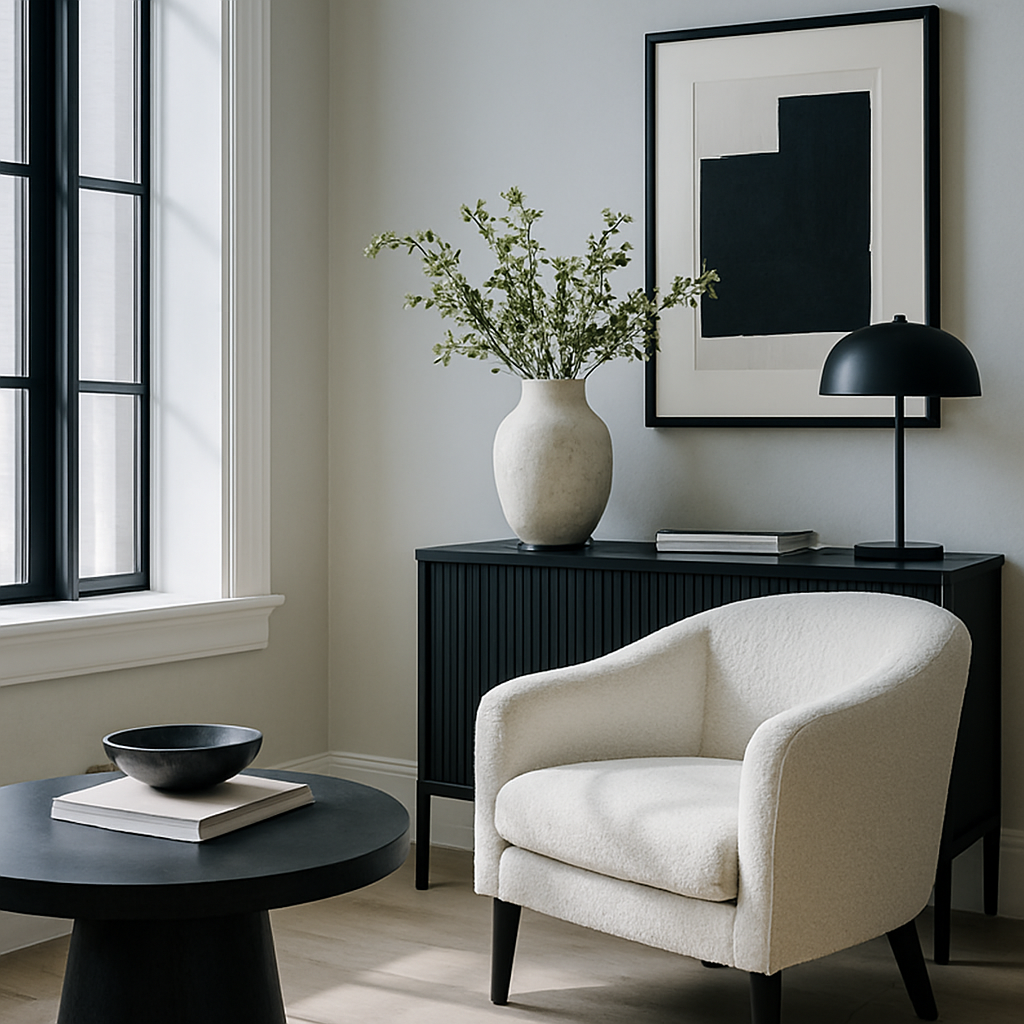
Did you know that businesses with well-designed interiors can see up to a 15% increase in their property's resale value? According to a survey by Houzz, a significant number of business owners are investing in commercial interior design to enhance both functionality and aesthetic appeal. If you're looking to revamp your business space, understanding the top commercial interior design services available in 2023 is crucial. This guide will explore foundational concepts, delve into data-driven insights, provide actionable strategies, and offer expert-level details to help you make informed decisions.
Understanding the Foundations of Commercial Interior Design
Commercial interior design is not just about aesthetics; it's about crafting spaces that enhance functionality and reflect brand identity. The primary goal is to create an environment that fosters productivity and comfort for both employees and clients. Experienced professionals often note that understanding the specific needs of a business is critical in designing an effective commercial space. For instance, a law firm may require a more formal and subdued environment, while a tech startup might benefit from an open, collaborative layout.
Certification plays a crucial role in ensuring quality in interior design. Certified interior designers, who hold credentials such as the NCIDQ (National Council for Interior Design Qualification), are trained to meet industry standards and regulations. These professionals can guide you through complex building codes and accessibility requirements, ensuring that your space is not only beautiful but compliant as well. The ASID (American Society of Interior Designers) offers a directory of certified professionals who can assist in your project.
Budgeting is another foundational aspect. Typically, commercial projects can range from $50,000 to $150,000+ depending on the scope. The fee structures might include a flat fee for design services, an hourly rate ranging from $150 to $500 per hour, or a percentage of the total project cost, usually between 10-25%. Understanding these elements helps in setting realistic expectations and ensuring the project aligns with your financial plan.
Having covered the basics of what constitutes commercial interior design, it's essential to examine how data and trends influence decision-making in this field.
Data-Driven Insights and Current Trends
In recent years, data has become integral to the design process. Industry surveys suggest that businesses that incorporate data-driven design decisions see higher satisfaction rates and return on investment. For example, research by Houzz indicates that businesses using biophilic design elements, such as natural materials and indoor-outdoor flow, experience increased employee well-being and productivity. How might these trends influence your own design preferences?
2023 has seen a rise in trends such as quiet luxury, which emphasizes understated elegance and quality. This trend is particularly popular among financial institutions and law firms that wish to convey stability and reliability. Similarly, smart home integration is making its way into commercial spaces, with automated lighting and climate control systems enhancing energy efficiency and user comfort. Are there specific tech integrations that would benefit your business operations?
Moreover, the use of sustainable and reclaimed materials is gaining traction. Businesses are increasingly aware of their environmental impact and are seeking design solutions that align with their sustainability goals. This trend not only resonates with eco-conscious clients but can also reduce costs in the long term through energy savings and tax incentives. What sustainable practices can you incorporate into your business space to align with your corporate values?
With these trends and data points in mind, let's explore actionable strategies for implementing these insights into your commercial space.
Actionable Strategies for Implementing Design Changes
To effectively transform your business space, start by clearly defining your objectives. Are you looking to improve employee productivity, create a more inviting client environment, or reflect a new brand identity? Once you have a clear goal, you can tailor your design strategy to meet these specific needs. For instance, open-plan workspaces can foster collaboration among employees, while private meeting rooms can provide the necessary privacy for client discussions.
Engaging with a certified interior designer early in the process can provide valuable guidance and expertise. Platforms like Houzz and the ASID directory are excellent starting points for finding professionals with the right credentials and experience. These experts can assist with everything from concept development to final styling, ensuring a cohesive and functional design.
Consider leveraging advanced tools like AR/VR room visualization to preview design changes before implementation. These technologies allow you to virtually walk through your redesigned space and make adjustments in real-time, minimizing costly alterations during the construction phase. How might this visualization technology enhance your planning process?
With these strategies, you're well-equipped to begin the transformation of your commercial space. Next, let's delve into expert-level details about the phases of a typical design project.
Expert-Level Insights into the Design Process
The journey from concept to completion involves several critical phases. The first phase, concept development, is where your designer will gather information about your business's needs and preferences. This stage often includes mood boards and initial sketches to visualize different design directions. During this phase, it's crucial to maintain open communication with your designer to ensure alignment with your vision.
Next is the design presentation phase, where detailed drawings and material samples are presented for approval. This phase is your opportunity to provide feedback and make any necessary revisions. Experienced professionals often recommend being proactive in this stage to avoid delays later in the project. Are there specific materials or design elements you're particularly interested in incorporating?
Following approval, the procurement phase begins. This involves ordering furniture, fixtures, and other design elements. Here, a designer's network and industry connections can be invaluable in securing quality products at favorable prices. Finally, the installation and styling phase brings your vision to life, with the designer overseeing the arrangement and final touches. This phase is where the magic happens, transforming plans into reality.
Having discussed the process in detail, let's explore additional depth on how businesses can maximize their design investment.
Maximizing Your Investment in Commercial Design
Maximizing the return on your commercial design investment requires strategic planning and execution. One effective strategy is to focus on flexible design elements that can adapt to future changes in your business needs. Modular furniture and movable partitions, for instance, can transform a space quickly and efficiently without significant expense.
Another consideration is the integration of brand identity into your design. This goes beyond colors and logos; it includes the overall atmosphere and customer experience. A well-designed space that reflects your brand ethos can enhance client perceptions and employee satisfaction. How does your current space communicate your brand values, and what changes could enhance this communication?
Finally, consider the long-term benefits of energy-efficient design solutions. Implementing LED lighting, smart thermostats, and energy-efficient appliances can significantly reduce operational costs over time. Moreover, these features appeal to increasingly eco-conscious consumers and can improve your business's public image.
With these insights, you're better positioned to make informed decisions about your commercial interior design project. As we conclude, let's review some final perspectives and summarize the key takeaways.
Final Perspectives on Commercial Interior Design
As we've explored, commercial interior design in 2023 offers a wealth of opportunities to enhance your business space. By understanding foundational concepts, leveraging data-driven insights, and implementing actionable strategies, you can create an environment that supports your business goals and reflects your brand identity. The industry's evolving trends, such as biophilic design and smart technology integration, provide innovative ways to achieve these objectives.
Engaging with certified professionals and utilizing advanced visualization tools can further streamline the design process and ensure a successful outcome. As you embark on this journey, keep in mind the importance of strategic planning and flexibility to maximize your investment and adapt to future changes.
Are there specific trends or strategies you're excited to implement in your commercial space? Reflecting on these considerations will help you make informed decisions that align with your business's unique needs and aspirations.
Conclusion
Transforming your business space with the top commercial interior design services in 2023 is an exciting endeavor that can yield significant benefits. From enhancing productivity to elevating brand identity, the right design choices can have a profound impact on your business success. As you plan your project, remember to engage with certified professionals, embrace current trends, and focus on strategies that maximize your investment.
Ready to take the next step? Start by browsing designer portfolios on platforms like Houzz this week. Even dedicating 20 minutes to research can sharpen your eye for what you want and help you connect with the right professionals. Your business transformation starts now.



Comments
Post a Comment